Are you ready to tackle your plumbing project but unsure how to cut copper tubing cleanly and safely? Cutting copper tubing might seem tricky at first, but with the right tools and techniques, you can do it like a pro.
In this guide, you’ll discover simple steps to make precise cuts that fit perfectly, saving you time and frustration. Keep reading to learn how to get the job done quickly and confidently—your plumbing work will thank you!
Credit: www.oatey.com
Tools Needed
Cutting copper tubing cleanly is important for plumbing work. Using the right tools makes the job easier and safer.
This guide explains the tools you need to cut copper tubing properly.
Types Of Tubing Cutters
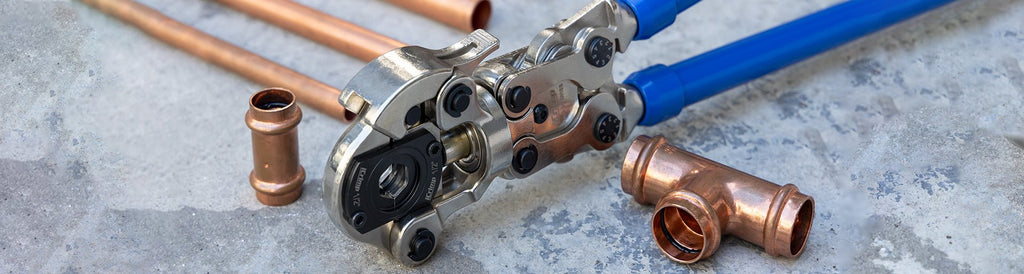
Tubing cutters are the main tools for cutting copper pipes. They come in different styles and sizes.
- Rotary Tubing Cutter:A small wheel blade that rotates around the tube to cut it.
- Ratchet Tubing Cutter:Uses a ratchet mechanism to tighten the blade gradually for a clean cut.
- Mini Tubing Cutter:Compact and useful for tight spaces.
- Heavy-Duty Tubing Cutter:Designed for larger pipes or thicker tubing.
Alternative Cutting Tools
You can also use other tools to cut copper tubing if you do not have a tubing cutter.
| Tool | Description |
| Hacksaw | Hand saw with fine teeth for manual cutting. |
| Pipe Cutter Wheel | Blade that scores and cuts the pipe as it rotates. |
| Angle Grinder | Power tool with a cutting disc for fast cuts. |
| Jeweler’s Saw | Small saw for precise cuts on thin tubing. |
Safety Gear Essentials
Safety gear protects you from injury while cutting copper tubing. Always wear the correct equipment.
- Safety glasses to protect your eyes from metal shards.
- Work gloves to keep your hands safe from sharp edges.
- Long sleeves to avoid scratches and cuts on your arms.
- Hearing protection if you use power tools.
Credit: www.icrimptools.com
Preparing The Copper Tubing
Cutting copper tubing correctly is important for plumbing work. Proper preparation helps ensure clean cuts and good fitting joints.
This section covers how to measure and mark copper tubing and how to secure it before cutting.
Measuring And Marking
Measure the length of copper tubing you need with a tape measure. Mark the cut line clearly using a fine-tip marker or pencil.
- Place the tubing on a flat surface.
- Use a ruler or tape measure for accuracy.
- Mark the spot where you want to cut.
- Double-check your measurement before cutting.
Securing The Tubing
Hold the copper tubing firmly to avoid slipping during the cut. Use a clamp or vise to keep it steady.
| Tool | Purpose |
|---|---|
| Pipe Clamp | Secures tubing without damaging it |
| Bench Vise | Holds tubing tightly for precise cuts |
| Soft Jaw Inserts | Protect tubing from scratches when clamping |
Cutting Techniques
Cutting copper tubing correctly is important for plumbing work. You need clean and smooth cuts to fit pipes well.
This guide explains three ways to cut copper tubing safely and neatly.
Using A Tubing Cutter
A tubing cutter gives a clean, straight cut. It is easy to use and made for copper pipes.
Place the pipe inside the cutter and tighten the knob until it holds the pipe firmly. Rotate the cutter around the pipe, tightening the knob slightly after each turn. Keep turning until the pipe is cut through.
Using A Hacksaw
A hacksaw works if you do not have a tubing cutter. It takes more time and care to get a good cut.
- Mark the cut line clearly on the pipe with a marker.
- Hold the pipe steady in a clamp or vise.
- Cut slowly with even strokes to avoid bending the pipe.
- Keep the blade straight to make a clean cut.
- File the edges smooth after cutting.
Avoiding Common Mistakes
| Mistake | How to Avoid |
| Cutting at an angle | Use a tubing cutter or guide to keep the cut straight |
| Not cleaning the cut edge | Deburr the pipe with a file or sandpaper after cutting |
| Over-tightening the cutter | Tighten just enough to hold pipe firmly without crushing |
| Using a dull hacksaw blade | Replace the blade regularly for smooth cuts |
| Not securing the pipe | Clamp the pipe to stop it from moving while cutting |

Credit: www.familyhandyman.com
Finishing The Cut
After cutting copper tubing, finishing the edges is important. It helps ensure a tight fit and prevents leaks. This stage includes removing sharp edges and smoothing the surface.
Proper finishing makes your plumbing work safe and reliable. Let’s look at how to do it correctly.
Deburring The Edges
Use a deburring tool or a round file to remove the sharp burrs inside the cut copper tube. This step is essential to avoid damage to seals and fittings.
- Insert the deburring tool inside the tube end.
- Rotate the tool around the edge to scrape off burrs.
- Check the inside edge for any remaining sharp spots.
Smoothing With Sandpaper
Sandpaper helps smooth both inside and outside edges. Use fine-grit sandpaper for a clean finish that will not damage fittings.
- Wrap fine-grit sandpaper around a small block or your finger.
- Gently sand the outside edge of the cut tubing.
- Lightly sand the inside edge to remove rough spots.
- Wipe away dust with a clean cloth.
Checking For Clean Cuts
| Check Point | What to Look For |
|---|---|
| Edge Smoothness | No sharp burrs or roughness |
| Cut Straightness | Ends are perpendicular to tubing length |
| Fit Test | Tubing fits snugly into fittings without force |
| Cleanliness | No metal shavings or debris inside tubing |
Tips For Precision
Cutting copper tubing correctly is key for plumbing work. Precise cuts ensure tight seals and avoid leaks.
Use the right tools and techniques. This guide shares tips to help you cut copper tubing with care and accuracy.
Maintaining Steady Pressure
Hold the tubing cutter firmly but not too tight. Too much pressure can deform the tube.
- Place the cutter evenly around the tube.
- Turn the cutter slowly and smoothly.
- Apply steady pressure as the blade scores the tubing.
- Release pressure slightly to avoid crushing the tube.
- Repeat turning and pressure until the tubing is cut cleanly.
Choosing The Right Cutter Size
Select a cutter that fits the tube diameter. Using the wrong size can cause uneven cuts or damage.
| Copper Tube Diameter | Recommended Cutter Size |
| 1/4 inch | Small |
| 1/2 inch | Medium |
| 3/4 inch | Large |
| 1 inch | Extra Large |
Working In Tight Spaces
Tight areas make cutting harder. Use tools designed for small spaces to keep control.
- Choose a compact tubing cutter with a slim body.
- Rotate the cutter carefully to avoid slipping.
- Keep your hand steady and support the tubing firmly.
- Use a flashlight to see the cutting line clearly.
Troubleshooting Issues
Cutting copper tubing is a common task in plumbing projects. Sometimes, problems like bent tubing or uneven cuts can happen. These issues can cause leaks or poor connections.
Knowing how to fix these problems saves time and money. This guide covers tips for dealing with bent tubing, fixing uneven cuts, and knowing when to replace your tools.
Dealing With Bent Tubing
Bent copper tubing can stop water flow or cause leaks. It happens if you apply too much force or drop the tube. Fixing it quickly is important for a good plumbing job.
To straighten bent tubing, use a pipe expander or carefully bend it back by hand. Avoid kinking the tube more. If the bend is sharp, cut out the damaged part and replace it.
Fixing Uneven Cuts
Uneven cuts make it hard to connect tubes properly. They can cause leaks or weak joints. This problem often happens if you use a dull cutter or cut too fast.
To fix uneven cuts, use a pipe reamer or sandpaper to smooth the edges. Make sure the cut is straight and clean before joining the pipe. Take your time to cut slowly and steady.
- Check the cutter blade for sharpness
- Rotate the tubing evenly while cutting
- Use a deburring tool to smooth edges
When To Replace Tools
Using worn-out tools can cause bad cuts and damage tubing. Look for signs like dull blades or loose parts. Replacing tools on time keeps your work clean and safe.
Replace your tubing cutter if the blade does not cut smoothly or if the tool slips. Also, change reamers or sandpaper when they no longer remove burrs effectively.
- Dull cutter blades cause uneven cuts
- Loose or broken tools risk injury
- Old tools increase work time
- New tools improve cut quality
Frequently Asked Questions
What Tools Do I Need To Cut Copper Tubing?
You need a tubing cutter, a deburring tool, and a measuring tape. A tubing cutter provides a clean cut. The deburring tool removes sharp edges, ensuring smooth connections.
How Do I Measure Copper Tubing Before Cutting?
Measure twice to ensure accuracy. Use a tape measure and mark the cutting point with a permanent marker. Precise measurement prevents wastage and ensures a proper fit.
Can I Use A Hacksaw To Cut Copper Tubing?
Yes, a hacksaw can cut copper tubing but may cause rough edges. Use a fine-tooth blade and cut slowly. Always deburr the edges afterward for a clean finish.
How To Avoid Damaging Copper Tubing During Cutting?
Use a proper tubing cutter and avoid excessive force. Rotate the cutter smoothly around the tube. Deburr edges gently to maintain tubing integrity and prevent leaks.
Conclusion
Cutting copper tubing is not hard with the right tools. Measure carefully. Use a tube cutter for clean cuts. Support the pipe securely. Avoid bending or damaging it. Sand the edges to remove burrs. Practice makes perfect with this skill.
Safe handling ensures success in your plumbing projects. Proper technique saves time and money. Always wear safety gear when cutting. Follow these tips for effective results. Your plumbing tasks will become easier. Now, tackle your projects with confidence.