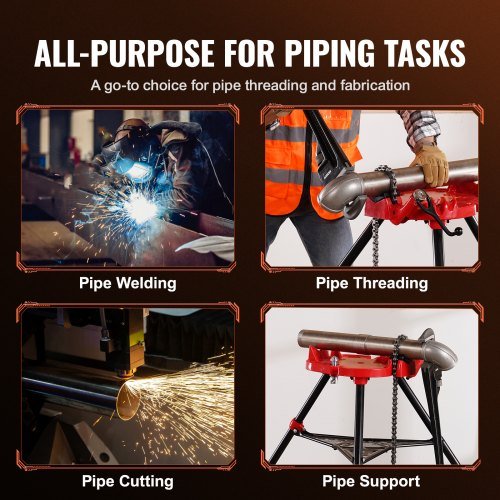
If you work with pipes, you know how tricky it can be to keep them steady while cutting or threading. Using a pipe vise effectively can make your job faster, safer, and more precise.
But are you really getting the most out of your pipe vise? You’ll discover simple tips and tricks to hold your pipes securely and work with confidence. Keep reading to unlock the full potential of your tool and save yourself time and frustration on every project.
Choosing The Right Pipe Vise
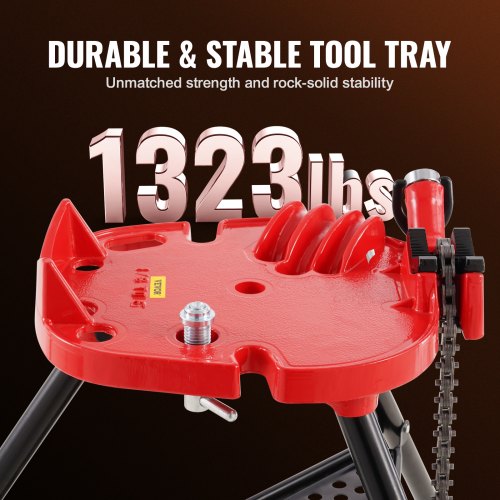
Using a pipe vise helps hold pipes steady while you work. Picking the right pipe vise makes your job easier and safer.
Consider the type, material, and size of the pipe vise before buying. These factors affect how well the vise works for your tasks.
Types Of Pipe Vises
There are several types of pipe vises. Each type fits different work needs and pipe sizes.
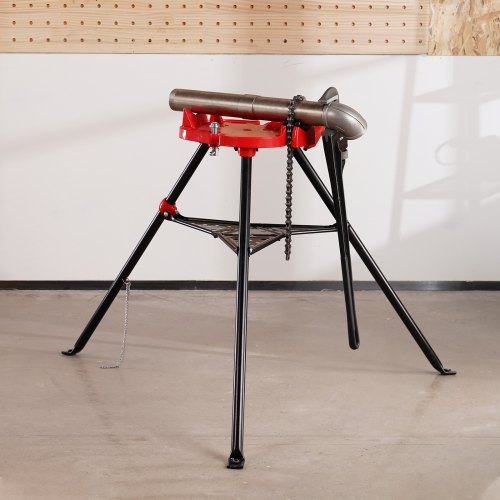
- Chain Vise:Uses a chain to hold pipes. Good for round or odd shapes.
- Yoke Vise:Has a strong frame and jaws. Best for heavy-duty work.
- Strap Vise:Uses a strap to secure pipes. Useful for fragile or soft pipes.
- Bench Vise:Mounts on a workbench. Versatile for many pipe jobs.
Material Compatibility
Choose a pipe vise that matches the pipe material you work with. Some vises work better on metal, others on plastic or soft materials.
Check if the vise jaws have protective covers or are adjustable. This prevents damage to delicate pipes.
- Steel vises are strong for metal pipes.
- Aluminum vises are lighter and resist rust.
- Rubber or plastic-coated jaws protect soft pipes.
Size And Capacity
Match the size of the pipe vise to the pipe diameter you use. A vise too small or too big will not hold the pipe well.
Check the maximum pipe diameter and weight the vise can hold. This helps avoid accidents and improves work quality.
| Vise Size | Pipe Diameter Range | Ideal Use |
|---|---|---|
| Small | 1/8 inch to 1 inch | Light plumbing and small pipes |
| Medium | 1 inch to 3 inches | General plumbing and pipe fitting |
| Large | 3 inches and above | Heavy pipes and industrial use |
Credit: www.vevor.ca
Setting Up Your Pipe Vise
Using a pipe vise correctly makes pipe work easier and safer. You need to set it up well before starting.
Good setup helps hold the pipe steady. It also prevents damage and improves your work quality.
Securing The Vise
Fix the pipe vise firmly to a strong surface. This stops it from moving during use.
Use bolts or clamps to attach the vise. Check the tightness before placing the pipe.
- Choose a sturdy workbench or stand
- Use proper bolts or screws
- Tighten all fasteners securely
- Test the vise for any movement
Positioning The Pipe
Place the pipe in the vise jaws carefully. The pipe should be easy to reach and work on.
Put the pipe close to the middle of the vise. This helps balance the pipe and keeps it steady.
- Center the pipe in the jaws
- Leave enough pipe length outside the vise
- Make sure the pipe is straight
- Avoid placing the pipe too deep in the vise
Adjusting For Stability
Tighten the vise handle to hold the pipe firmly. Do not over-tighten to avoid damage.
Check the pipe’s position and adjust if it moves. Stability ensures safe cutting or threading.
- Turn the handle slowly to tighten
- Stop when the pipe feels secure
- Recheck the pipe after a small force test
- Make small adjustments if needed
Techniques For Precision Work
Using a pipe vise correctly helps you work with pipes more accurately. Precision is key for strong, leak-free joints.
These techniques focus on holding the pipe steady and measuring carefully to get the best results.
Aligning The Pipe Correctly
Place the pipe in the vise so it stays straight and does not move. The jaws should hold the pipe firmly without bending it.
- Clean the pipe before placing it in the vise.
- Center the pipe between the jaws.
- Tighten the vise slowly to avoid twisting the pipe.
- Check alignment by eye or with a level tool.
Using Measuring Tools
Measure twice before cutting or threading to ensure exact pipe length and angle.
| Tool | Use |
| Tape Measure | Check pipe length |
| Caliper | Measure pipe diameter |
| Level | Verify pipe is straight |
| Protractor | Check angle for bends |
Maintaining Consistent Pressure
Keep steady pressure on the pipe to avoid slips and damage while working.
- Turn the vise handle smoothly.
- Do not overtighten to prevent pipe deformation.
- Release pressure slowly after finishing work.
- Check the pipe position often to keep it secure.
Credit: www.vevor.ca
Safety Practices To Follow
Using a pipe vise safely helps prevent accidents and injuries. Following safety rules keeps your work area secure.
Learn about protective gear, common hazards, and how to handle and maintain the pipe vise properly.
Protective Gear Recommendations
Wear the right protective gear before using a pipe vise. It protects you from sharp edges and flying debris.
- Safety glasses to protect your eyes
- Heavy-duty gloves to guard your hands
- Long sleeves to protect your arms
- Closed-toe shoes to protect your feet
Avoiding Common Hazards
Watch out for risks when using a pipe vise. Be alert to avoid injuries and damage.
- Check the vise is secure before starting work
- Do not over-tighten the pipe to avoid breakage
- Keep your hands away from moving parts
- Clear the work area of clutter and spills
- Use tools correctly to avoid slips and falls
Proper Handling And Maintenance
Handle the pipe vise with care to keep it working well. Regular maintenance extends its life and keeps it safe.
- Clean the vise after each use to remove dirt and debris
- Lubricate moving parts to prevent rust and stiffness
- Inspect for cracks or damage before use
- Tighten loose bolts and screws regularly
- Store the vise in a dry place to avoid corrosion
Troubleshooting Common Issues
Using a pipe vise can sometimes lead to problems. Knowing how to fix these issues keeps your work smooth.
This guide helps you handle common troubles with pipe vises safely and quickly.
Dealing With Slippage
Slippage happens when the pipe moves inside the vise. It can cause mistakes or damage.
- Check if the vise jaws are clean and free of oil or dirt.
- Tighten the handle firmly but avoid over-tightening.
- Use jaws with the right grip pattern for your pipe type.
- Replace worn or smooth jaws to improve grip.
- Make sure the pipe is placed correctly between the jaws.
Fixing Misalignment
Misalignment makes the pipe sit unevenly. It can cause poor cuts or damage.
To fix this, check the following points in the table below.
| Issue | Cause | Solution |
| Pipe not straight | Uneven vise jaws | Inspect and replace damaged jaws |
| Pipe tilts | Uneven tightening | Tighten handle evenly and firmly |
| Vise base unstable | Loose mounting | Secure vise base to workbench |
| Pipe slips sideways | Incorrect pipe placement | Center pipe between jaws |
Handling Worn Components
Worn parts reduce the pipe vise’s effectiveness. Regular checks help catch wear early.
Signs of worn components include:
- Jaws with smooth or rounded gripping surfaces
- Loose or wobbly handles
- Cracks or bends in the vise body
- Rust or corrosion on moving parts
Replace worn parts quickly to keep the vise safe and working well.
Credit: www.vevor.ca
Enhancing Efficiency With Accessories
Using a pipe vise properly makes pipe work easier and safer. Adding the right accessories helps you work faster and with less effort.
Accessories improve the grip, stability, and maintenance of the pipe vise. This helps you finish jobs quicker and with better results.
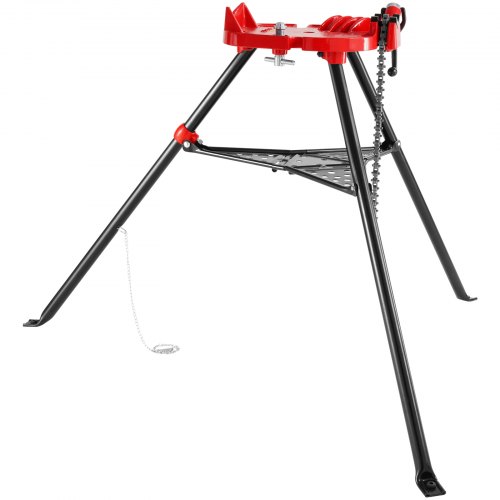
Using Pipe Vise Stands
Pipe vise stands hold the vise at a good height. This reduces bending and strain on your back. It also keeps the vise steady while you work.
Stands make it easy to move the vise to different work areas. Many stands have adjustable heights to fit your needs.
- Keep the pipe vise stable and secure
- Adjust height for comfort
- Move the vise easily around your workspace
Clamps And Extensions
Clamps add extra grip to hold pipes firmly in place. Extensions help you work with longer pipes by increasing the vise’s reach.
These accessories reduce pipe slipping and allow you to handle more sizes. They make your work safer and more efficient.
- Clamps prevent pipe movement
- Extensions support longer pipes
- Improve safety and control
Lubricants And Cleaners
Lubricants keep the vise parts moving smoothly. Cleaners remove dirt and rust that slow down your work.
Regular use of lubricants and cleaners extends the life of your pipe vise. They also make your work easier by preventing jams and sticking parts.
- Use lubricant on moving parts
- Clean the vise after each job
- Remove rust to prevent damage
Frequently Asked Questions
What Is The Main Purpose Of A Pipe Vise?
A pipe vise securely holds pipes during cutting or threading. It prevents pipe movement, ensuring accuracy and safety. This tool is essential for plumbing and metalwork projects requiring stable pipe handling.
How Do You Properly Secure A Pipe In A Pipe Vise?
Open the vise jaws, place the pipe inside, then tighten the handle firmly. Ensure the pipe is stable without over-tightening. Proper securing prevents pipe slipping and allows precise work.
What Are Common Types Of Pipe Vises Used?
Common types include chain vises, yoke vises, and clamp-on vises. Each type suits different pipe sizes and work settings. Choosing the right vise improves efficiency and safety.
How Can You Maintain A Pipe Vise For Longevity?
Regularly clean the vise to remove debris and rust. Lubricate moving parts to ensure smooth operation. Proper maintenance extends the tool’s lifespan and maintains performance.
Conclusion
Mastering the use of a pipe vise boosts your work efficiency. It’s vital for secure and precise pipe handling. Choose the right size and material for your tasks. Ensure the vise is well-maintained for long-term use. Practice safe handling to prevent accidents and damage.
Remember, a well-used pipe vise can make your projects smoother and more successful. Keep these tips in mind for effective results. Happy working with your pipe vise!