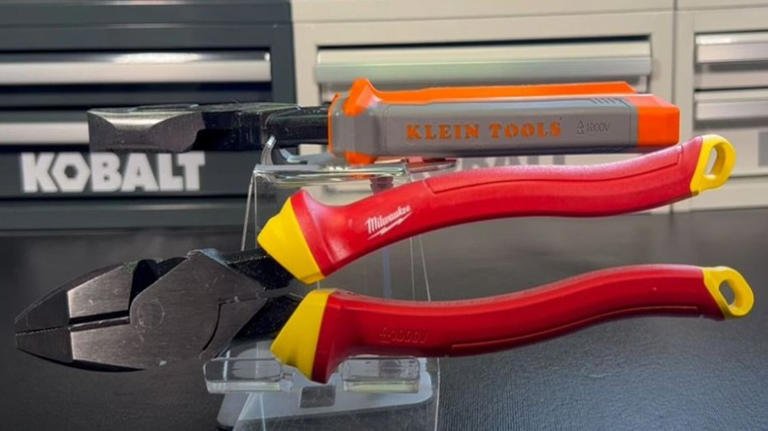
When you’re working with electricity, safety is not just important—it’s essential. Using the right tools can make all the difference between a job done well and a serious accident.
That’s where insulated pliers come in. They protect you from electric shocks while giving you the grip and control you need. If you want to keep yourself safe and make your electrical work easier, understanding how to use insulated pliers is a must.
Keep reading to discover why these tools are a game-changer for your electrical projects.

Credit: www.amazon.com
Benefits Of Insulated Pliers
Insulated pliers are essential tools for electrical work. They help protect users from electric shocks.
These pliers also make tasks easier and last longer than regular pliers. Using them is smart and safe.
Enhanced Electrical Safety
Insulated pliers have a special coating that stops electricity from passing through. This reduces the risk of electric shocks.
The insulated handles protect your hands while working on live wires or electrical circuits. They keep you safer on the job.
- Prevents accidental electric shocks
- Protects hands from electrical hazards
- Meets safety standards for electrical tools
Improved Work Efficiency
Insulated pliers have grips that are comfortable and easy to hold. This helps you work faster and with more control.
The design helps you reach tight spots and handle wires better. This saves time and reduces effort during electrical work.
- Comfortable grips reduce hand fatigue
- Precise control for detailed tasks
- Easy to use in small or hard-to-reach areas
Durability And Longevity
Insulated pliers are made from strong materials that last longer. Their insulation does not wear out quickly.
These pliers resist damage from heat, chemicals, and rough use. This makes them good tools for many electrical jobs.
- Strong metal parts resist bending and breaking
- Insulation stays intact over time
- Withstands heat and chemicals safely
Types Of Insulated Pliers
Insulated pliers protect you from electric shocks during electrical work. They have handles coated with a non-conductive material. This makes them safe for working on live wires.
Different types of insulated pliers serve different purposes. Choosing the right type helps you work safely and efficiently.
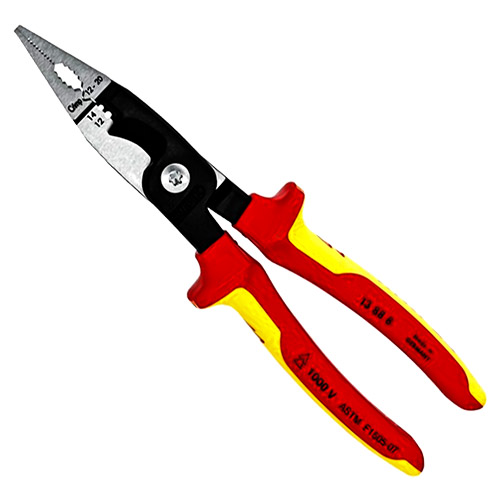
Needle Nose Pliers
Needle nose pliers have long, thin jaws. These jaws help reach into tight spaces. They are good for bending, twisting, and holding small wires. The insulated handles keep you safe from electric shocks.
Diagonal Cutting Pliers
Diagonal cutting pliers are made for cutting wires. They have sharp jaws that cut wires cleanly. Electricians use them to cut copper, aluminum, and other wires. Their insulated grips protect against electric current.
Combination Pliers
Combination pliers can grip, twist, and cut wires. They have flat jaws and a cutting edge near the pivot. These pliers are versatile for many electrical tasks. The insulated handles provide safety from shocks.
Lineman Pliers
| Feature | Description |
|---|---|
| Jaw Shape | Flat and wide with a gripping surface |
| Cutting Edge | Strong edge for cutting thick wires |
| Handle | Insulated for electrical safety |
| Uses | Gripping, twisting, bending, and cutting wires |
Lineman pliers are the most common insulated pliers for electricians. They combine many functions in one tool. Their strong jaws help work with heavy wires.
Key Features To Look For
Using insulated pliers for electrical work keeps you safe from electric shocks. Choosing the right pliers is important for both safety and ease of use.
This guide covers the main features you should check before buying insulated pliers.
Insulation Rating And Standards
Insulated pliers must meet certain safety standards to protect against electrical hazards. Look for pliers rated for at least 1000 volts.
- Check for VDE certification or equivalent
- Look for clear voltage rating markings
- Ensure insulation covers handles fully
- Verify the pliers pass regular safety tests
Ergonomic Design
Good ergonomic design reduces hand strain during long use. Pliers should fit comfortably in your hand and allow easy control.
| Feature | Benefit |
| Curved handles | Better grip shape |
| Lightweight build | Less fatigue |
| Balanced weight | Easier control |
| Non-slip surface | Secure handling |
Grip And Comfort
Comfortable grips improve safety and work quality. Look for soft, textured handles that stop slipping.
- Handles with rubber or silicone coating
- Textured or patterned surfaces
- Handles wide enough to hold firmly
- Shock absorbing materials to reduce impact
Material Quality
Strong, durable materials ensure pliers last long and work well. Look for hardened steel jaws and sturdy insulation.
- High-grade steel for cutting and gripping
- Rust-resistant finish to prevent corrosion
- Thick, flexible insulation for safety
- Quality assembly with no loose parts
Safe Usage Practices
Using insulated pliers is important for electrical work safety. These tools protect you from electric shocks.
Follow safe usage practices to avoid accidents and keep your tools in good condition.
Inspecting Tools Before Use
Check insulated pliers carefully before starting any job. Look for cracks or damage on the handles and jaws.
- Ensure insulation is intact and not worn out
- Make sure the pliers open and close smoothly
- Check for rust or corrosion on metal parts
- Verify the tool is rated for the voltage you will work on
Proper Handling Techniques
Hold insulated pliers firmly with a dry hand. Avoid touching metal parts during use to prevent shocks.
- Use the right size pliers for the task
- Keep your hands away from live wires
- Do not apply excessive force that may damage the insulation
- Wear rubber gloves for extra protection if needed
Avoiding Common Mistakes
Many accidents happen due to simple mistakes. Avoid these to stay safe while working with insulated pliers.
| Common Mistake | Why It Is Dangerous |
| Using pliers with damaged insulation | May cause electric shock |
| Gripping wires too tightly | Can damage wires and cause shorts |
| Ignoring voltage rating | Tool may fail under high voltage |
| Using pliers for non-electrical tasks | Insulation can wear out quickly |
Regular Maintenance Tips
Keep insulated pliers in good shape by cleaning and storing them properly. Regular checks help extend tool life.
- Wipe tools with a dry cloth after use
- Store pliers in a dry, safe place
- Do not expose tools to extreme heat or chemicals
- Test insulation periodically with a voltage tester
Choosing The Right Pliers For Tasks
Using insulated pliers is important for electrical work. Picking the right pliers helps you work safely and efficiently.
This guide covers how to match pliers to jobs, check voltage ratings, and balance budget with quality.
Matching Tool To Job Requirements
Select pliers that fit the specific task. Different jobs need different types of pliers.
- Needle-nose pliers for tight spaces and small wires
- Diagonal cutters for cutting wires cleanly
- Linesman pliers for twisting and gripping wires
- Combination pliers for gripping and cutting tasks
Considering Voltage Ratings
Insulated pliers have voltage ratings to protect against electric shocks. Always check the rating before use.
| Voltage Rating | Use Case |
|---|---|
| 250V | Low voltage household wiring |
| 500V | Standard electrical work and circuits |
| 1000V | High voltage industrial and outdoor work |
Budget Vs. Quality
Cheap pliers may save money but can lack safety and durability. High-quality tools protect you better and last longer.
- Buy pliers from trusted brands
- Check for certification marks like VDE or IEC
- Consider tool warranties and reviews
- Invest more in tools you will use often
Real-world Applications
Insulated pliers are essential tools for safe electrical work. They protect users from electric shocks while handling wires.
These pliers are used in many settings. They help electricians and technicians work efficiently and safely.
Residential Electrical Work
In homes, insulated pliers help with wiring and repairs. They allow safe cutting, twisting, and gripping of electrical wires.
Electricians use them to install outlets, switches, and light fixtures. The insulation keeps them safe from live wires.
- Cutting and stripping wire insulation
- Bending wires to fit terminals
- Holding wires securely during connections
- Removing nails or staples from wiring
Industrial Settings
In factories, insulated pliers are vital for machine maintenance and electrical panel work. They help workers handle high-voltage systems safely.
Technicians use insulated pliers to repair motors, switchgear, and control systems. The tool’s insulation reduces accident risks.
- Tightening or loosening electrical connectors
- Cutting thick industrial cables
- Adjusting components inside electrical panels
- Working near energized equipment safely
Automotive Repairs
Automotive electricians use insulated pliers for vehicle wiring and battery work. These pliers protect against short circuits and shocks.
They help with wire splicing, terminal removal, and connector adjustments. The insulation allows work around electrical parts safely.
- Cutting and stripping car battery cables
- Holding small wires during soldering
- Removing and installing wire terminals
- Working on fuse boxes and connectors
Advancements In Insulated Pliers Technology
Insulated pliers are essential tools for safe electrical work. They protect users from electric shocks.
Recent advances have improved their safety and usability. These changes make electrical tasks easier and safer.
New Insulation Materials
New materials provide better protection against high voltage. They also last longer and resist wear.
These materials include improved rubber and plastic blends. They keep the handles safe and comfortable.
- Higher resistance to heat and chemicals
- Stronger grip with softer feel
- Lightweight designs for less hand fatigue
Smart Tool Features
Some insulated pliers now come with smart features. These help electricians work more efficiently and safely.
Features include built-in voltage testers and LED lights. These tools give quick feedback without extra equipment.
- Voltage detection for live wires
- LED lights for work in dark places
- Ergonomic designs to reduce hand strain
Eco-friendly Manufacturing
Manufacturers are using eco-friendly methods to make insulated pliers. This reduces waste and pollution.
They use recycled materials and less harmful chemicals. This helps protect the environment and workers.
- Recycled plastics for handles
- Non-toxic coatings and finishes
- Energy-efficient production processes

Credit: www.amazon.com
Credit: www.engineersupply.com
Frequently Asked Questions
What Are Insulated Pliers Used For In Electrical Work?
Insulated pliers protect users from electric shocks during electrical tasks. They have a non-conductive coating that blocks current flow, ensuring safety when handling live wires or electrical components.
How Do Insulated Pliers Improve Electrical Safety?
Insulated pliers prevent accidental electric shocks by providing a barrier against live electrical currents. This reduces injury risks and allows electricians to work confidently on energized circuits.
Can Insulated Pliers Handle High Voltage Safely?
Yes, insulated pliers designed for electrical work meet standards to handle high voltages safely. Always check the voltage rating before use to ensure proper protection.
What Materials Are Used To Insulate Pliers?
Insulated pliers typically feature handles coated with rubber or plastic materials. These non-conductive coatings prevent electric current from passing to the user’s hands.
Conclusion
Insulated pliers ensure safety in electrical work. They reduce electrical shock risk. Always choose high-quality pliers for reliability. Inspect tools before use. Look for damage or wear. Clean and store them properly after each task. Keep them dry to prevent electrical hazards.
Consider ergonomic designs for comfort. This reduces hand strain during long tasks. Proper tool maintenance ensures long-lasting performance. Master safe techniques for effective results. Remember, safety is always the priority in electrical projects. Using the right tools makes your work efficient and secure.
Stay cautious and protect yourself while working with electricity.