Looking to add a drill press to your workshop but not sure where to start? Choosing the right drill press can feel overwhelming with so many options and features out there.
But don’t worry—this guide is here to help you make a smart choice that fits your needs and budget. By the end, you’ll know exactly what to look for, so you can work faster, safer, and with more precision. Ready to find the perfect drill press for your projects?
Let’s dive in.

Credit: svanfon.com
Types Of Drill Presses
Drill presses come in different types for various jobs. Each type has unique features and uses.
Choosing the right drill press depends on your space, work size, and drilling needs.
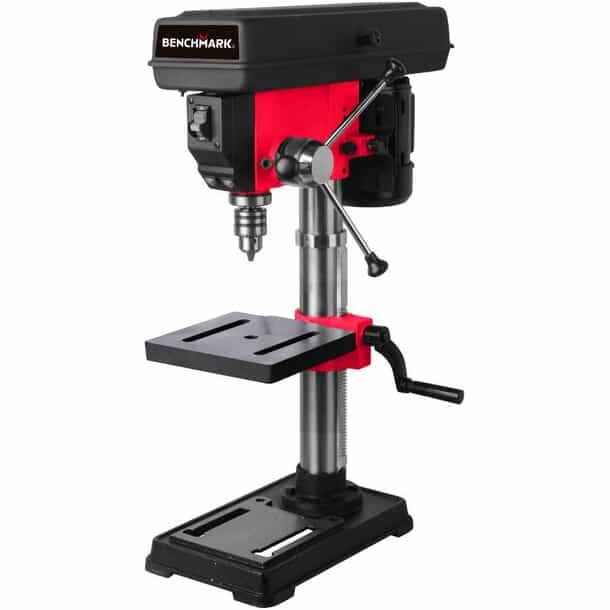
Benchtop Drill Press
Benchtop drill presses are small and fit on a workbench. They are easy to move and store.
These are good for light drilling tasks and small projects at home or in a workshop.
- Compact size saves space
- Less powerful but precise
- Affordable for beginners
- Best for wood, plastic, and light metal
Floor Drill Press
Floor drill presses are larger and stand on the floor. They offer more power and stability.
These machines work well for heavy-duty drilling and bigger projects in a workshop or factory.
- Taller and heavier than benchtop models
- More powerful motor for tough materials
- Adjustable height and table for flexibility
- Can drill large holes in metal or wood
Radial Drill Press
Radial drill presses have a long arm that moves around the base. This allows drilling in different positions.
They are used for very large workpieces that cannot move easily. The arm adjusts to reach all parts.
- Arm can swing and move vertically
- Ideal for large metal sheets and parts
- More expensive and used in industry
- Offers great flexibility and range
Key Features To Consider
Choosing the right drill press can make your work easier and more precise. Focus on key features to find one that fits your needs. Understanding these features helps you pick a drill press that lasts long and works well.
This guide covers important parts like motor power, chuck size, table size, and spindle travel. Each section explains what to look for and why it matters.
Motor Power And Speed
Motor power affects how well your drill press handles different materials. Higher power lets you drill through tougher materials without slowing down. Speed settings control how fast the drill bit spins.
- Look for motors with at least 3/4 horsepower for most tasks
- Variable speed controls allow better handling of different materials
- Lower speeds work well for metal and harder materials
- Higher speeds are good for wood and softer materials
Chuck Size And Capacity
The chuck holds the drill bit in place. Its size limits the largest bit you can use. Common chuck sizes include 1/2 inch and 5/8 inch. Bigger chucks fit larger bits for heavy-duty jobs.
Choose a chuck size based on the projects you plan to do. A 1/2 inch chuck is fine for most woodworking and metalworking tasks.
Table Size And Adjustability
The table supports your workpiece during drilling. A larger table offers better support for big materials. Adjustability lets you tilt or raise the table for angled or deep drilling.
| Feature | Why It Matters |
|---|---|
| Table Size | Supports larger or smaller workpieces |
| Tilting Table | Allows angled drilling up to 45 degrees |
| Height Adjustment | Helps set the right drilling depth |
Spindle Travel And Throat Depth
Spindle travel is the distance the drill bit can move up and down. More travel means you can drill deeper holes. Throat depth is the distance from the spindle to the drill press column. It limits the width of the workpiece you can drill.
- Choose longer spindle travel for deep drilling tasks
- Check throat depth to fit wide or large materials
- Both affect the range of projects you can complete
Material And Build Quality
Choosing a drill press means checking its material and build quality. Good materials make the tool last longer and work better.
Strong materials also keep the drill press steady and safe during use. Look closely at parts like the frame and base.
Frame And Base Construction
The frame holds all parts of the drill press together. It should be made from solid metal like cast iron or steel.
A heavy frame reduces vibrations and improves drilling accuracy. The base should be wide and heavy to support the machine well.
- Cast iron frames resist bending and warping
- Steel frames offer good strength and durability
- Wide bases provide better balance and support
- Flat bases help keep the drill press stable on workbenches
Durability And Stability
Durability means the drill press can handle heavy use without breaking. Stable machines work more safely and precisely.
Look for thick metal parts and strong joints. Check if the machine stays firm when you apply pressure during drilling.
- Thick metal parts last longer under stress
- Strong bolts and screws keep parts tightly connected
- Stable machines reduce wobbling and improve control
- Machines with heavy bases resist tipping over
Safety Features
Choosing the right drill press means thinking about safety first. Safety features protect you during work.
Good safety features help prevent accidents and make the tool easier to use safely.
Emergency Stop Mechanism
An emergency stop lets you quickly turn off the drill press. It stops the machine fast in danger.
Look for a big, easy-to-hit button or switch. It should be close to where you work.
- Must be easy to reach without looking
- Should stop the motor immediately
- Clear and marked in red or bright colors
Safety Guards
Safety guards cover moving parts like the drill bit. They stop your hands from touching dangerous parts.
Choose a drill press with adjustable guards. This lets you see your work but stay protected.
- Protects from flying debris and chips
- Prevents accidental contact with the bit
- Should be clear or see-through for visibility
Locking Mechanisms
Locking mechanisms keep the drill press parts from moving by accident. This includes the table and spindle.
Use a drill press with strong locks. They hold parts steady during drilling and prevent slips.
- Lock the drill bit height and position
- Secure the table angle and height
- Prevent sudden movements during use
Budget And Brand Considerations
Choosing the right drill press means thinking about your budget and trusted brands. Your budget sets limits on features and quality.
Knowing which brands offer reliable products helps you avoid poor choices. Both points are important for a good drill press.
Affordable Vs Professional Models
Affordable drill presses fit small projects and light use. Professional models suit heavy work and long hours.
- Affordable models cost less but have fewer features.
- Professional models are more durable and precise.
- Consider your project needs before choosing.
- Think about power, speed options, and size.
- Affordable models work well for beginners and hobbyists.
- Professionals need more power and accuracy.
Reputable Brands To Trust
Brands with good reputations offer reliable tools and good service. They often use quality parts and offer warranties.
| Brand | Known For | Price Range |
| Delta | Durability and precision | Mid to High |
| JET | Heavy-duty models | Mid to High |
| WEN | Budget-friendly and beginner models | Low to Mid |
| Grizzly | Professional quality | Mid to High |
| Shop Fox | Good balance of price and quality | Mid |

Credit: www.leevalley.com
Maintenance And Accessories
Choosing the right drill press means thinking about its upkeep and useful add-ons. Proper care keeps your machine safe and working well.
Accessories can improve your drilling tasks. They help you work faster and with more accuracy.
Routine Maintenance Tips
Keep your drill press clean and check it often. This stops problems before they start and makes your tool last longer.
Lubricate moving parts regularly. Tighten loose bolts and inspect belts for wear to keep everything running smoothly.
- Clean dust and debris from the table and base
- Oil the spindle and quill bearings
- Check belt tension and replace if cracked
- Tighten all nuts, bolts, and screws
- Inspect the power cord for damage
Useful Accessories And Attachments
Many attachments help you do more with your drill press. They add safety, precision, and convenience to your work.
Choose accessories that fit your projects. Some add-ons work for all drill presses, while others fit specific models.
- Drill press vise: holds materials steady
- Fence and stops: help make repeat cuts
- Drill press table extensions: increase work surface
- Laser guides: show the drill spot clearly
- Depth stops: control drilling depth easily
- Dust collection attachments: keep your workspace clean
Choosing Based On Project Needs
Selecting the right drill press depends on what you plan to do with it. Different projects require different drill press features.
Think about the size, power, and precision you need before making a choice. This helps you get the best results.
Light-duty Vs Heavy-duty Tasks
Light-duty drill presses are good for small jobs like crafting or light woodwork. They use less power and are easier to move.
Heavy-duty drill presses handle big jobs like drilling through metal or thick wood. They have stronger motors and larger tables.
- Light-duty: small motor, less weight, lower cost
- Heavy-duty: powerful motor, larger size, higher cost
- Choose light-duty for simple, small projects
- Choose heavy-duty for tough, large projects
Precision And Versatility
Some projects need very precise holes. Look for drill presses with fine depth control and adjustable speeds.
Versatile drill presses let you use different drill bits and angles. This helps with many types of materials and shapes.
- Precision features: depth stops, laser guides, speed control
- Versatility features: tilting table, variable speed, multiple chuck sizes
- Pick precision if exact holes matter most
- Pick versatility for many project types
Credit: www.americanfarriers.com
Frequently Asked Questions
What Factors Should I Consider When Buying A Drill Press?
Consider motor power, speed settings, drill capacity, and table size. Also, check build quality and safety features for reliable use.
How Important Is Drill Press Speed Control?
Speed control is crucial for drilling different materials. Adjustable speeds provide precision and prevent damage to both drill and workpiece.
What Size Drill Press Is Best For Home Use?
A 10 to 12-inch drill press suits most home projects. It’s versatile, easy to store, and handles various drilling tasks efficiently.
Should I Choose A Floor Or Benchtop Drill Press?
Benchtop models save space and are ideal for light tasks. Floor models offer more power and larger capacity for heavy-duty work.
Conclusion
Selecting the right drill press requires careful consideration. First, know your needs. Next, consider the size and power. Think about the speed settings. Safety features matter too. Compare brands and prices. Read reviews to make informed choices. Always prioritize quality over cost.
A good drill press can last for years. It makes tasks easier and more efficient. Choose wisely to enjoy hassle-free drilling. Your projects deserve the best tool. So, invest in one that meets your needs. Happy drilling!