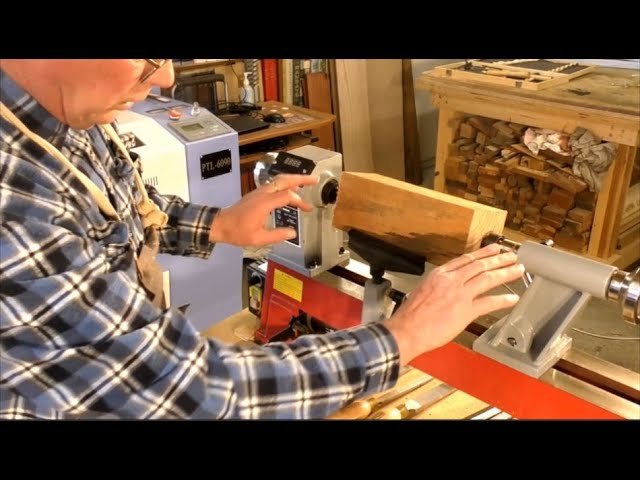
Are you ready to transform a simple block of wood into something beautiful and unique? Learning how to use a wood lathe can unlock a world of creativity right in your own workshop.
Whether you want to craft bowls, spindles, or decorative pieces, mastering this tool will give you the power to bring your ideas to life. In this guide, you’ll discover easy steps and insider tips that make woodturning safe, fun, and rewarding.
Keep reading, and you’ll soon feel confident turning rough wood into stunning art you’ll be proud to show off.
Credit: www.woodworkersjournal.com
Choosing The Right Wood Lathe
Choosing a wood lathe is the first step to start woodturning. The right lathe helps you work safely and efficiently.
This guide covers types of wood lathes, important features, and how to balance budget with quality.
Types Of Wood Lathes
Wood lathes come in different styles for various projects. Choose one that fits your needs and space.
- Mini Lathes: Small and light, good for beginners and small projects.
- Midi Lathes: Medium size, suitable for most hobbyists and larger items.
- Full-Size Lathes: Heavy and powerful, made for large or professional work.
- Metal Lathes: Can turn wood but are more complex and costly.
Key Features To Consider
| Feature | Why It Matters |
| Swing Over Bed | Maximum diameter of wood you can turn. |
| Distance Between Centers | Maximum length of the wood piece. |
| Motor Power | Stronger motors handle tougher woods and bigger pieces. |
| Speed Control | Variable speed helps with different wood types and projects. |
| Tool Rest | Adjustable rest gives better control and comfort. |
| Stability | Heavier lathes reduce vibration for safer turning. |
Budget And Quality Balance
Spending more usually means better quality and features. Set a budget before shopping.
- Look for solid build and good reviews in your price range.
- Check if the lathe includes necessary accessories or if you must buy them later.
- Consider used lathes for better quality at a lower price.
- Do not buy the cheapest model if it lacks key features or safety.

Credit: www.youtube.com
Essential Tools And Safety Gear
Using a wood lathe needs the right tools and safety gear. These help you work well and stay safe.
Before starting, learn about the basic tools and protective equipment. Also, create a safe workspace.
Basic Lathe Tools
Wood lathes need special tools to shape wood. Each tool has a different job to do.
- Gouges – used to cut and shape wood curves
- Skew Chisels – smooth the wood surface
- Parting Tools – cut grooves and separate pieces
- Scrapers – clean up rough spots and fine details
- Calipers – measure wood diameter accurately
Protective Equipment
Safety gear protects your body from dust, chips, and accidents. Always wear the right equipment.
- Safety glasses or face shield to protect eyes
- Dust mask to avoid breathing wood dust
- Hearing protection for loud lathe noise
- Close-fitting clothes to prevent catching in the lathe
- Non-slip shoes to keep stable on the floor
Setting Up A Safe Workspace
Your workspace should be clean and organized. This lowers the risk of accidents.
Keep tools and materials within reach but out of the way. Good lighting helps you see your work clearly.
- Clear the area around the lathe from clutter
- Use strong, stable workbench or stand for the lathe
- Have good lighting directly over the lathe
- Keep a fire extinguisher nearby
- Check that the lathe is securely fastened before use
Preparing Wood For Turning
Preparing wood for turning is an important step. It helps you work safely and get good results.
Good preparation includes choosing the right wood, cutting it correctly, and securing it well on the lathe.
Selecting Suitable Wood
Pick wood that is dry and free from cracks. Softwoods and hardwoods work well for turning.
Avoid wood with knots or rot. These can cause problems while turning and make the piece weak.
- Use hardwoods like maple, cherry, or walnut for smooth finishes
- Softwoods like pine are easier to shape but may dent easily
- Make sure the wood is well-seasoned to reduce warping
Cutting And Mounting Techniques
Cut the wood into a rough shape before mounting. This helps balance the piece on the lathe.
Mounting techniques depend on the shape of the wood. Use the right method to keep the wood stable.
- Faceplate mounting for bowls and large pieces
- Between-centers turning for long and thin pieces
- Use a chuck for small or irregular shapes
Securing The Wood On The Lathe
Make sure the wood is tight and secure on the lathe. Loose wood can be dangerous.
Check that the wood spins evenly. Adjust the position if it wobbles before starting to turn.
- Tighten all clamps and screws firmly
- Use a tailstock to support long pieces
- Wear safety gear like goggles and face shields
Basic Lathe Operations
Using a wood lathe requires understanding some key operations. These basics help keep your work safe and accurate.
This guide covers how to start and stop the lathe, control speed and feed, and maintain proper hand positions.
Starting And Stopping The Lathe
Always check that the wood piece is securely fastened before turning on the lathe. Start the lathe at a low speed to ensure the workpiece is balanced. When finished, turn the machine off and wait until it stops completely before making any adjustments.
Controlling Speed And Feed
Adjusting speed and feed is important for different types of wood and cuts. Use slower speeds for hard woods and detailed cuts. Faster speeds work for soft woods and rough shaping.
- Start at a low speed and increase gradually.
- Match speed to the wood type and tool used.
- Use steady feed pressure for smooth cuts.
- Reduce speed for finishing passes.
- Stop to check your progress often.
Proper Hand Positions
| Hand Position | Purpose |
|---|---|
| Tool Rest Grip | Holds the tool steady during cuts |
| Dominant Hand | Controls the cutting tool |
| Supporting Hand | Helps guide and stabilize the tool |
| Body Stance | Keeps balance and control over the lathe |
Keep your hands steady and close to the tool rest. Avoid crossing your arms or leaning too far forward. Good body posture helps you control the tool safely.
Crafting Simple Projects
Using a wood lathe opens many ways to create beautiful wooden items. You can make simple projects that build your skills and confidence. Start with easy shapes and tools to get comfortable.
Below are three simple projects to try. Each shows basic turning methods and useful tips. Follow these guides to enjoy working with your lathe safely and effectively.
Turning A Wooden Pen
Making a wooden pen is a great beginner project. It requires small tools and little wood. You will learn how to shape a blank and fit the pen parts.
- Start with a pen blank about 5 inches long.
- Mount it between the lathe centers.
- Shape the blank with a spindle gouge to a smooth cylinder.
- Sand the wood from rough to fine grit.
- Apply finish to protect and shine the wood.
- Assemble the pen hardware carefully.
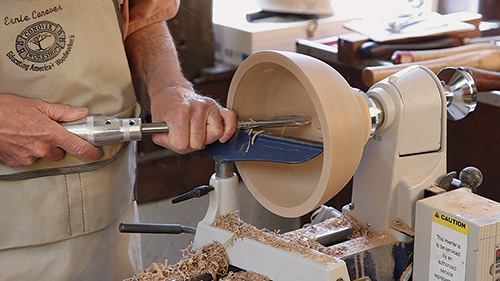
Shaping A Bowl
Bowls need more wood and different tools than pens. You will learn how to hollow out the center and smooth the outer curve.
| Tool | Use |
| Roughing gouge | Shape the outside round |
| Bowl gouge | Hollow the inside |
| Scraper | Smooth edges and inside |
| Sandpaper | Finish surface |
Work slowly and check thickness often. Bowls need even walls to avoid cracks.
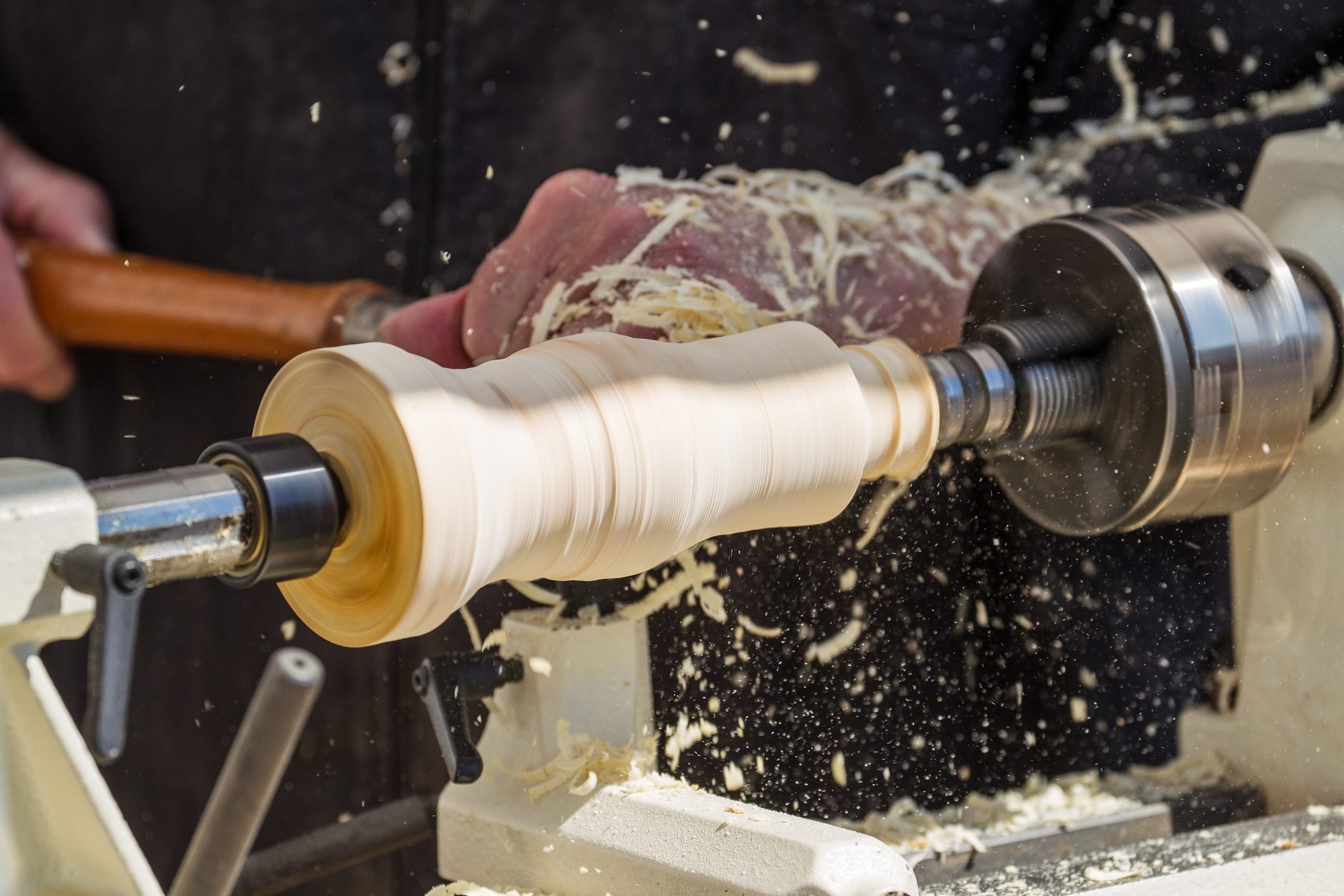
Making A Spindle
Spindles are long, thin shapes for furniture parts or decoration. They teach control and symmetry on the lathe.
Basic steps for spindle making:
- Mount the wood blank securely between centers.
- Use a roughing gouge to create a cylinder.
- Mark design points with a pencil.
- Shape beads and coves with spindle gouges and parting tools.
- Sand each section smooth as you go.
- Cut off the finished spindle carefully.
Credit: www.familyhandyman.com
Advanced Techniques
Using a wood lathe lets you create smooth and round wooden shapes. Advanced techniques add detail and style to your projects.
These skills help you work with different tools and fix problems that may appear while turning wood.
Detailing And Texturing
Detailing means adding fine shapes or patterns to your wood piece. Texturing changes the surface to feel rough or smooth.
You can use small tools to carve lines, grooves, or dots. Texturing tools create patterns like waves or beads on the wood.
- Use a skew chisel for sharp, clean lines.
- Try a parting tool to cut narrow grooves.
- Use a texturing tool for rough or bumpy surfaces.
- Sand lightly to smooth some textured areas.
Using Different Lathe Tools
Each lathe tool has a special shape for certain cuts. Knowing how to use them improves your work.
Tools like gouges, scrapers, and chisels help shape, smooth, and detail your wood piece.
- Roughing gouge: removes large wood sections fast.
- Spindle gouge: shapes curves and beads.
- Scraper: smooths surfaces and cleans edges.
- Parting tool: cuts grooves and separates parts.
- Skew chisel: makes fine cuts and smooth surfaces.
Troubleshooting Common Issues
Problems may appear during woodturning. Fixing them helps keep your project safe and neat.
Watch for tool catches, rough cuts, or vibration. Each problem has simple solutions.
- Tool catches: Check tool sharpness and angle.
- Rough cuts: Use lighter cuts and sharper tools.
- Vibration: Secure wood tightly and reduce speed.
- Burn marks: Slow down and keep tools sharp.
- Chatter marks: Adjust tool pressure and speed.
Maintaining Your Wood Lathe
Keeping your wood lathe in good shape helps it last longer. Regular care improves its performance and safety.
Simple maintenance tasks can prevent costly repairs. Follow these tips to keep your lathe working well.
Cleaning And Lubrication
Clean your lathe after each use. Remove wood dust and debris from all parts.
Lubricate moving parts to reduce friction. Use oil or grease recommended by the manufacturer.
- Wipe down the bed and tool rest with a soft cloth
- Apply light oil to the spindle and bearings
- Check and lubricate the tailstock and carriage
- Do not use too much oil to avoid attracting dust
Checking For Wear And Tear
Inspect your lathe parts regularly for signs of damage. Look for cracks, loose bolts, and worn components.
Replace or repair damaged parts right away. Worn parts can cause poor work quality or accidents.
- Check the drive belt for cracks or fraying
- Examine the spindle for wobbling or noise
- Test the tool rest for secure locking
- Look over electrical cords for cuts or wear
Storing Tools Properly
Store your lathe and accessories in a dry, clean place. Keep tools organized and protected from damage.
Proper storage prevents rust and keeps tools ready to use. Avoid stacking heavy items on your lathe.
- Use racks or shelves for chisels and gouges
- Cover the lathe with a dust cover or cloth
- Keep lubricants and cleaning supplies nearby
- Separate sharp tools to avoid dulling
Frequently Asked Questions
What Safety Gear Is Essential When Using A Wood Lathe?
Always wear safety goggles and a dust mask to protect your eyes and lungs. Use hearing protection if needed. Avoid loose clothing and secure long hair to prevent accidents.
How Do I Choose The Right Wood For Lathe Projects?
Select hardwoods like maple or cherry for durability and smooth finishes. Softwoods like pine are easier to shape but may splinter. Avoid wet or cracked wood for best results.
What Are The Basic Tools Needed For Wood Lathe Work?
Essential tools include gouges, chisels, parting tools, and scrapers. Each tool serves a specific purpose for shaping and finishing your project. Quality tools improve precision and safety.
How Do I Maintain My Wood Lathe For Longevity?
Clean the lathe after each use and lubricate moving parts regularly. Check belts and bolts for wear. Proper maintenance ensures smooth operation and extends tool life.
Conclusion
Mastering the wood lathe takes practice and patience. Start with simple projects. Gain confidence as you work. Safety should always come first. Wear protective gear and follow guidelines. Regular maintenance keeps your lathe in top condition. Experiment with different techniques.
Discover what works best for you. Enjoy the creative process. Woodturning can be a relaxing hobby. It offers endless possibilities. Share your creations with others. Build skills over time. Soon, you’ll create beautiful pieces. Remember, every expert was once a beginner.
Keep turning and learning. Your journey with the wood lathe has just begun.