When working on your car, having the right tools makes all the difference. A socket wrench is one of those must-have tools that can make your automotive projects faster and easier.
But if you’re not sure how to use it properly, you might end up frustrated or even damage parts. This guide will show you exactly how to use a socket wrench step-by-step, so you can tackle your car repairs with confidence.
Ready to save time and get the job done right? Keep reading to learn the simple tricks that will make your socket wrench your new best friend in the garage.

Credit: www.youtube.com
Choosing The Right Socket Wrench
Using the right socket wrench makes automotive projects easier. It helps you tighten or loosen bolts quickly.
Choosing the right tool depends on the type, size, and quality. These factors affect your work and safety.
Types Of Socket Wrenches
There are several socket wrench types. Each works best in different situations.
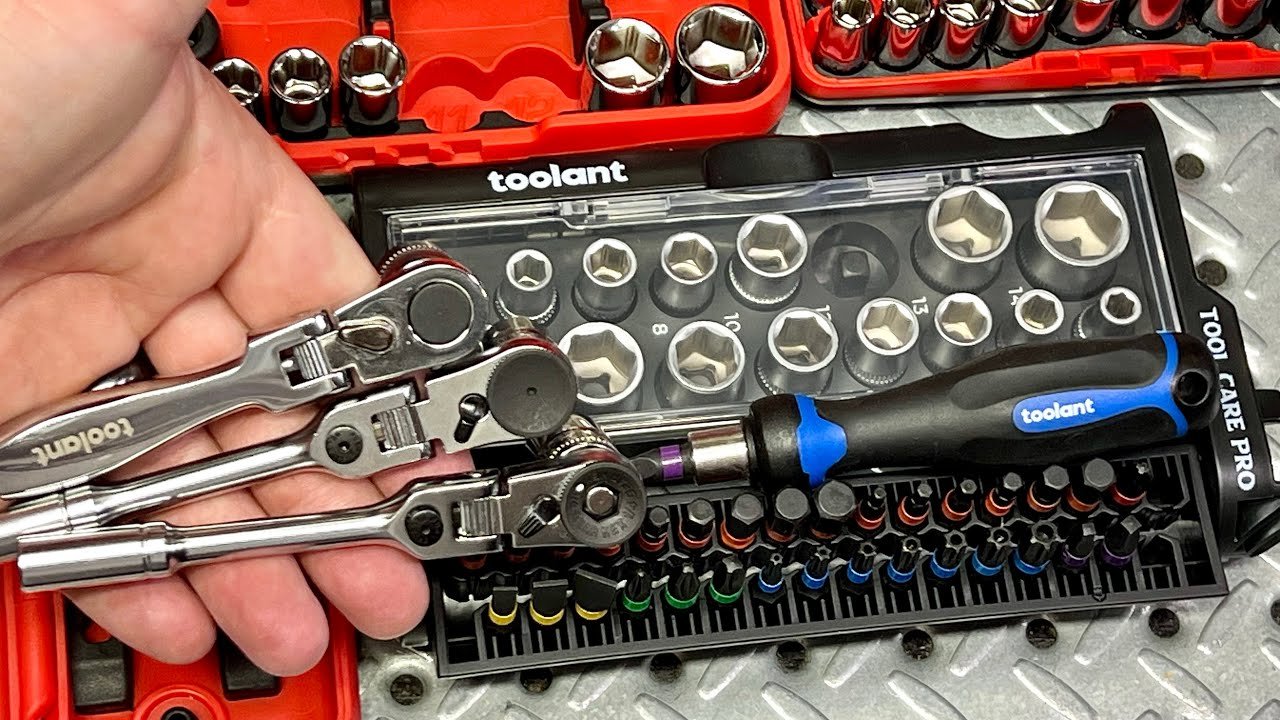
- Ratchet Wrench:Most common, allows quick turning without removing the tool.
- Breaker Bar:Provides extra leverage for tight bolts but no ratcheting.
- Torque Wrench:Measures the force applied to avoid over-tightening.
- Impact Wrench:Uses power to loosen tough bolts quickly.
Selecting Socket Sizes
Socket sizes must match the bolt or nut size. Using the wrong size can damage fasteners.
| Socket Size | Common Use |
| 1/4 inch | Small bolts in tight spaces |
| 3/8 inch | Medium bolts for general tasks |
| 1/2 inch | Large bolts on engines and frames |
| 3/4 inch and above | Heavy-duty bolts on trucks and machinery |
Material And Build Quality
Good socket wrenches are made from strong metals like chrome vanadium steel. This resists wear and rust.
- Chrome Vanadium Steel:Durable and rust-resistant.
- Chrome Molybdenum:Used in impact sockets for extra strength.
- Polished Finish:Helps prevent corrosion and makes cleaning easier.
- Strong Joints:Ensure the wrench does not break under pressure.

Credit: steelvisiontools.com
Preparing For Your Automotive Project
Using a socket wrench makes car repairs easier and faster. Before you start, prepare well for the job.
Good preparation helps you work safely and avoid mistakes. It also saves time during the project.
Gathering Necessary Tools
Collect all the tools you need before you begin. This keeps your work smooth and avoids delays.
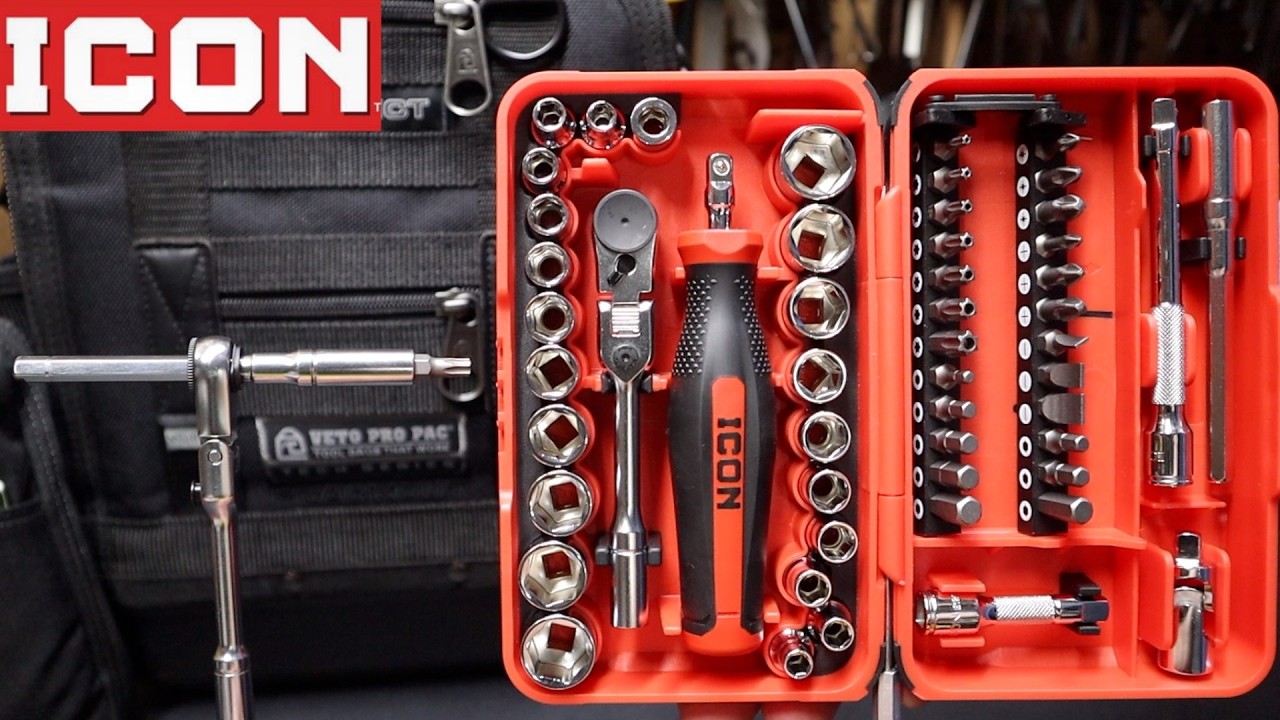
- Socket wrench set with various sizes
- Extension bars for hard-to-reach bolts
- Ratchet handles for better control
- Breaker bar for tight bolts
- Torque wrench to tighten bolts properly
- Gloves to protect your hands
- Flashlight for better visibility
Safety Precautions
Safety is important when working on cars. Follow simple rules to protect yourself and others.
- Wear safety glasses to protect your eyes
- Use gloves to avoid cuts and burns
- Keep loose clothing and hair away from moving parts
- Work in a well-ventilated area
- Make sure the car is stable and parked on a flat surface
- Disconnect the battery if working near electrical parts
Workspace Setup
Set up a clean and organized workspace. This helps you find tools and parts quickly.
- Clear the area around your vehicle
- Use good lighting to see all parts clearly
- Lay down a mat or cardboard to protect the floor
- Keep a container nearby for bolts and small parts
- Have rags or paper towels ready for spills
Basic Socket Wrench Techniques
A socket wrench is a useful tool for many car repair jobs. It helps you tighten or loosen nuts and bolts quickly.
Learning the right ways to use a socket wrench makes your work easier and safer. This guide covers key techniques to get started.
Attaching Sockets Correctly
Start by choosing the right size socket for the bolt or nut. A socket that fits well prevents damage and slips.
- Align the socket squarely with the wrench drive.
- Push the socket onto the wrench until it clicks or fits tightly.
- Check that the socket does not wobble or fall off.
- Remove dirt or rust from the socket and wrench before attaching.
Using The Ratchet Mechanism
The ratchet lets you turn the wrench back and forth without removing it from the bolt. This speeds up work in tight spaces.
Find the small switch or lever on the ratchet head. Flip it to change the turning direction between tightening and loosening.
- Place the socket on the bolt head.
- Move the handle back and forth to turn the bolt.
- Flip the switch to change direction if needed.
- Keep your grip firm and steady during use.
Applying Proper Torque
Torque means how much force you use to turn a bolt. Using the right torque prevents damage and ensures safety.
| Torque Level | Use Case |
| Low | Small bolts on plastic parts |
| Medium | Standard bolts on engine or chassis |
| High | Large bolts on wheels or suspension |
Use a torque wrench or follow manufacturer instructions. Avoid over-tightening to stop bolts from breaking or stripping.
Advanced Tips For Efficiency
Using a socket wrench well can save time and effort in car work. Small tricks help you work faster and better.
This guide shows smart ways to use extensions, work in tight spots, and keep your wrench ready.
Using Extensions And Adapters
Extensions and adapters let you reach bolts that are hard to get to. Use the right size for the job. Too long or too short can cause problems.
- Choose extensions that fit your socket and wrench snugly.
- Use adapters to switch between different drive sizes.
- Keep extension joints tight to avoid slipping.
- Test the setup before applying full force.
- Clean parts before attaching to prevent rust buildup.
Working In Tight Spaces
Car parts often leave little room to move your wrench. Use these tricks to work better in small spaces.
| Tip | Description |
|---|---|
| Use a ratchet with a small head | Allows easier turning where space is limited. |
| Try a flex-head socket wrench | Gives you angle adjustment to reach awkward bolts. |
| Use short extensions | Prevents hitting nearby parts while turning. |
| Turn slowly and carefully | Helps avoid slipping and damaging bolts. |
| Remove obstacles if possible | Make space by taking off covers or parts first. |
Maintaining Your Socket Wrench
Good care keeps your socket wrench working well and safe. Clean and check it often.
- Wipe the wrench clean after each use.
- Lubricate the ratchet mechanism monthly.
- Check for worn or damaged parts regularly.
- Store the wrench in a dry place to prevent rust.
- Replace sockets that no longer fit tightly.
Common Mistakes To Avoid
Using a socket wrench correctly is important for car repairs. Many people make simple mistakes that cause problems.
Avoid these common errors to keep your work safe and effective.
Over-tightening Bolts
Turning bolts too tight can break them or damage parts. It also makes future repairs harder.
Use the right torque or stop when the bolt feels snug. Do not force the wrench past this point.
Using Incorrect Socket Sizes
Using the wrong socket size can strip bolt heads. This makes bolts hard to remove or tighten.
Always check the socket fits tightly on the bolt before turning it.
- Measure the bolt size if unsure
- Use a socket that fits without wiggle
- Avoid using worn or damaged sockets
Ignoring Tool Maintenance
Dirty or rusty tools do not work well. They can slip or break during use.
Clean your socket wrench after each job. Store it in a dry place to avoid rust.
- Wipe the wrench with a dry cloth
- Lubricate moving parts regularly
- Check sockets for cracks or wear
Troubleshooting Challenges
Using a socket wrench for car projects can be tough. Problems like stuck bolts and stripped fasteners slow you down. Knowing how to handle these issues saves time and effort.
This guide helps you fix common problems and tells you when your socket wrench needs replacing.
Dealing With Stuck Bolts
Stuck bolts are common in automotive work. Dirt, rust, or tight fittings cause them to resist turning. Use the right methods to loosen them safely.
- Apply penetrating oil and wait 10–15 minutes.
- Tap the bolt gently with a hammer to break rust.
- Use a breaker bar for more leverage if needed.
- Try heat from a heat gun or torch to expand metal.
- Turn slowly to avoid snapping the bolt.
Handling Stripped Fasteners
Stripped fasteners have damaged heads that make gripping hard. You need special tools or techniques to remove them without damage.
Here are common ways to remove stripped fasteners:
- Use a socket extractor set designed for stripped bolts.
- Try locking pliers to grip the fastener tightly.
- Cut a new slot with a rotary tool for a flathead screwdriver.
- Weld a nut onto the fastener and use a wrench.
- Last resort: drill out the fastener carefully.
When To Replace Your Socket Wrench
Socket wrenches wear out with use. Using a damaged wrench can cause injury or damage parts. Check your tool often for signs of wear.
| Wear Sign | What It Means | Action |
| Rounded or damaged drive | Wrench slips on sockets | Replace wrench |
| Loose or broken ratchet mechanism | Wrench won’t turn properly | Service or replace |
| Cracks in handle or head | Risk of breakage under pressure | Replace immediately |
| Stiff or stuck ratchet | Hard to turn wrench | Clean and lubricate |
Credit: m.youtube.com
Frequently Asked Questions
What Is A Socket Wrench Used For In Automotive Projects?
A socket wrench helps tighten or loosen nuts and bolts easily. It offers better grip and torque compared to regular wrenches. This tool is essential for various automotive repairs and maintenance tasks.
How Do I Choose The Right Socket Size?
Select a socket that fits snugly on the bolt or nut. Using the correct size prevents slipping and damage. Measure the bolt head or use a socket set with multiple sizes.
Can I Use A Socket Wrench For Tight Spaces?
Yes, socket wrenches with a ratchet handle work well in tight spaces. They allow turning without removing the tool from the bolt. Extensions and swivel joints can also help reach difficult areas.
How Do I Maintain My Socket Wrench?
Keep your socket wrench clean and dry after use. Lubricate moving parts occasionally to ensure smooth operation. Store it in a protective case to avoid rust and damage.
Conclusion
Using a socket wrench can make car repairs easier and faster. Choose the right socket size for each bolt or nut. Always keep a firm grip and turn slowly to avoid slipping. Clean and store your wrench after use to keep it in good shape.
Practice often to feel more confident during projects. With patience and care, you can handle many tasks yourself. This tool is useful for many automotive jobs around the house. Keep learning and improving your skills one step at a time.