Are you ready to tackle plumbing repairs with confidence? Learning how to solder plumbing pipes can save you time, money, and stress.
Whether you’re fixing a leak or installing new pipes, mastering this skill puts you in control of your home’s plumbing system. In this guide, you’ll discover simple, step-by-step instructions that anyone can follow—even if you’ve never soldered before. By the end, you’ll have the know-how to make strong, leak-free joints that last.
Let’s get started and turn your plumbing project into a success!
Credit: www.oatey.com
Tools And Materials Needed
Soldering plumbing pipes requires the right tools and materials. Using correct items makes the job safer and easier.
This guide covers the types of pipes, essential tools, and safety gear you need for soldering.
Types Of Pipes For Soldering
Not all pipes can be soldered. Copper pipes are the most common for soldering. They come in different types like rigid or flexible.
- Type K copper pipe: thick walls, used for underground or heavy-duty plumbing.
- Type L copper pipe: medium thickness, common for indoor plumbing.
- Type M copper pipe: thin walls, used for light plumbing work.
- CPVC and PEX pipes: cannot be soldered, require special fittings.
Essential Tools
| Tool | Purpose |
| Propane torch | Heats pipe and fittings for soldering |
| Solder | Metal alloy melts to join pipes |
| Flux | Cleans and helps solder flow |
| Wire brush | Prepares pipe surface for better bonding |
| Pipe cutter | Cuts pipe cleanly and evenly |
| Emery cloth | Smooths pipe edges before soldering |
Safety Gear
- Heat-resistant gloves protect your hands from burns.
- Safety goggles shield your eyes from sparks and hot solder.
- Long-sleeve clothing helps prevent burns on your arms.
- Fire extinguisher nearby in case of accidental fires.
- Well-ventilated area reduces inhaling harmful fumes.
Credit: www.youtube.com
Preparing Pipes For Soldering
Soldering plumbing pipes requires careful preparation. Proper steps help create strong, leak-free joints.
Cleaning and cutting the pipes well improves the soldering process. Each step matters for a good seal.
Cutting Pipes Cleanly
Use a pipe cutter to get a straight and smooth cut. Avoid using a saw that can leave rough edges.
Hold the pipe steady and turn the cutter evenly around it. Tighten the cutter slowly after each turn until the pipe is cut.
Cleaning And Deburring
Remove any burrs inside and outside the pipe after cutting. Burrs can stop the pipe from fitting well and cause leaks.
- Use a deburring tool or a round file for the inside edges.
- Sand the outside of the pipe with fine sandpaper or a wire brush.
- Clean all surfaces to remove dirt, grease, and oxidation.
Applying Flux
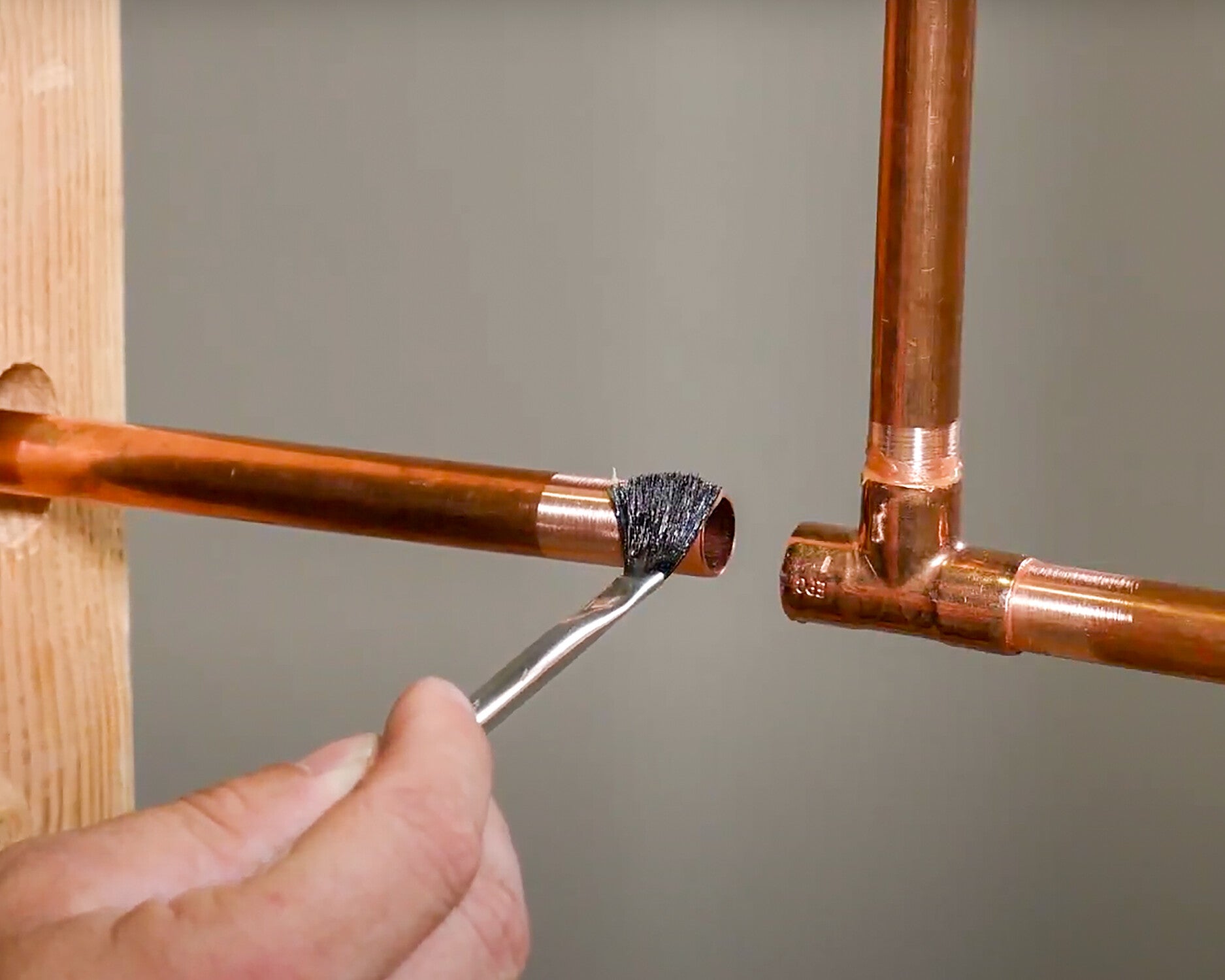
Flux helps the solder flow and bonds the pipe and fitting. Apply it evenly to clean surfaces.
| Flux Application Tips |
|---|
| Use a brush to spread a thin layer over the pipe end and inside the fitting. |
| Do not apply too much; excess flux can cause weak joints. |
| Make sure all surfaces to join are covered with flux before soldering. |
Soldering Techniques
Soldering plumbing pipes joins metal parts with melted filler metal. It creates a strong, leak-proof bond. Good techniques ensure long-lasting joints.
Learn how to heat the joint, apply solder, and inspect the work. These steps help prevent leaks and damage.
Heating The Joint
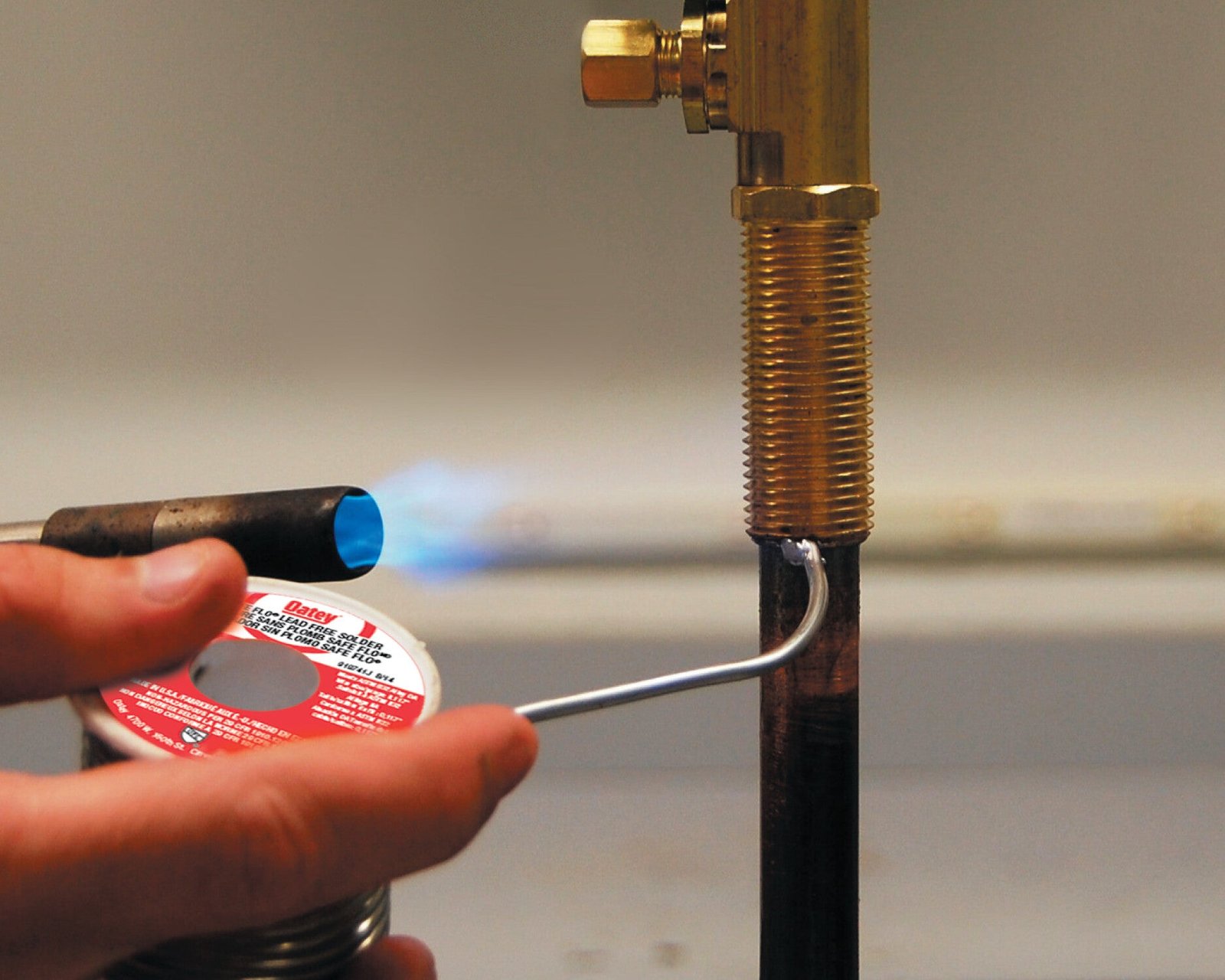
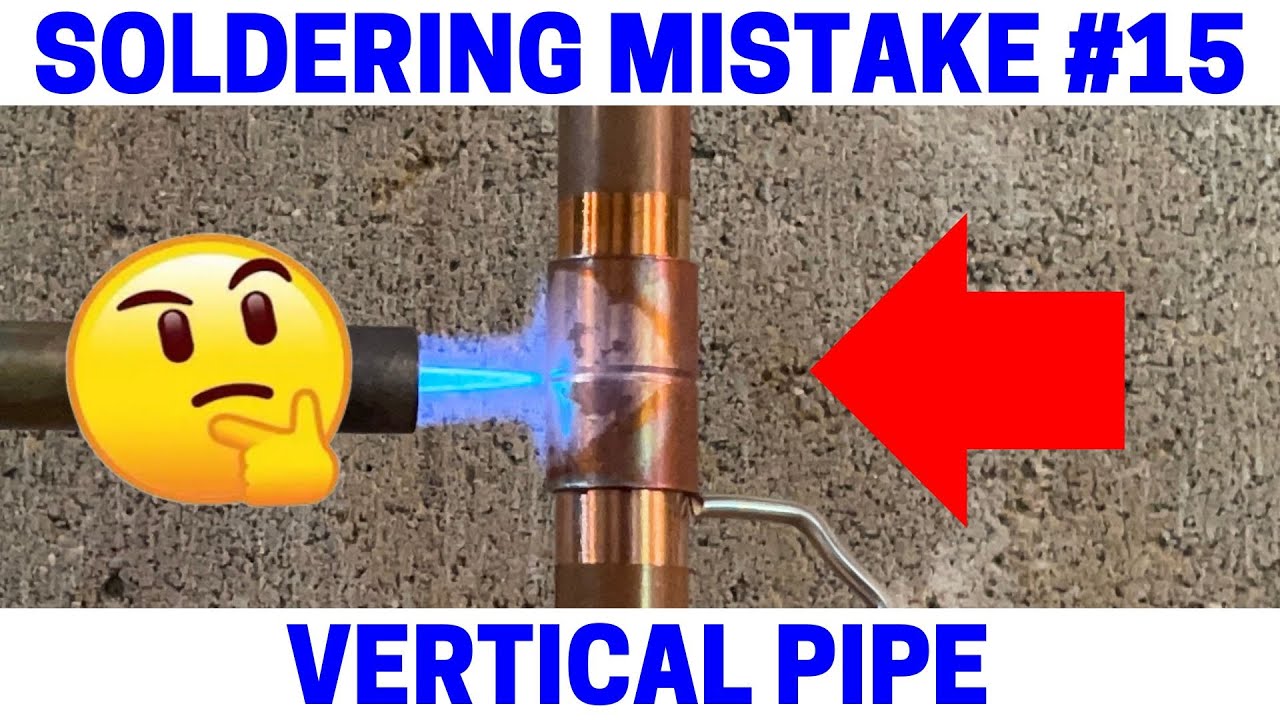
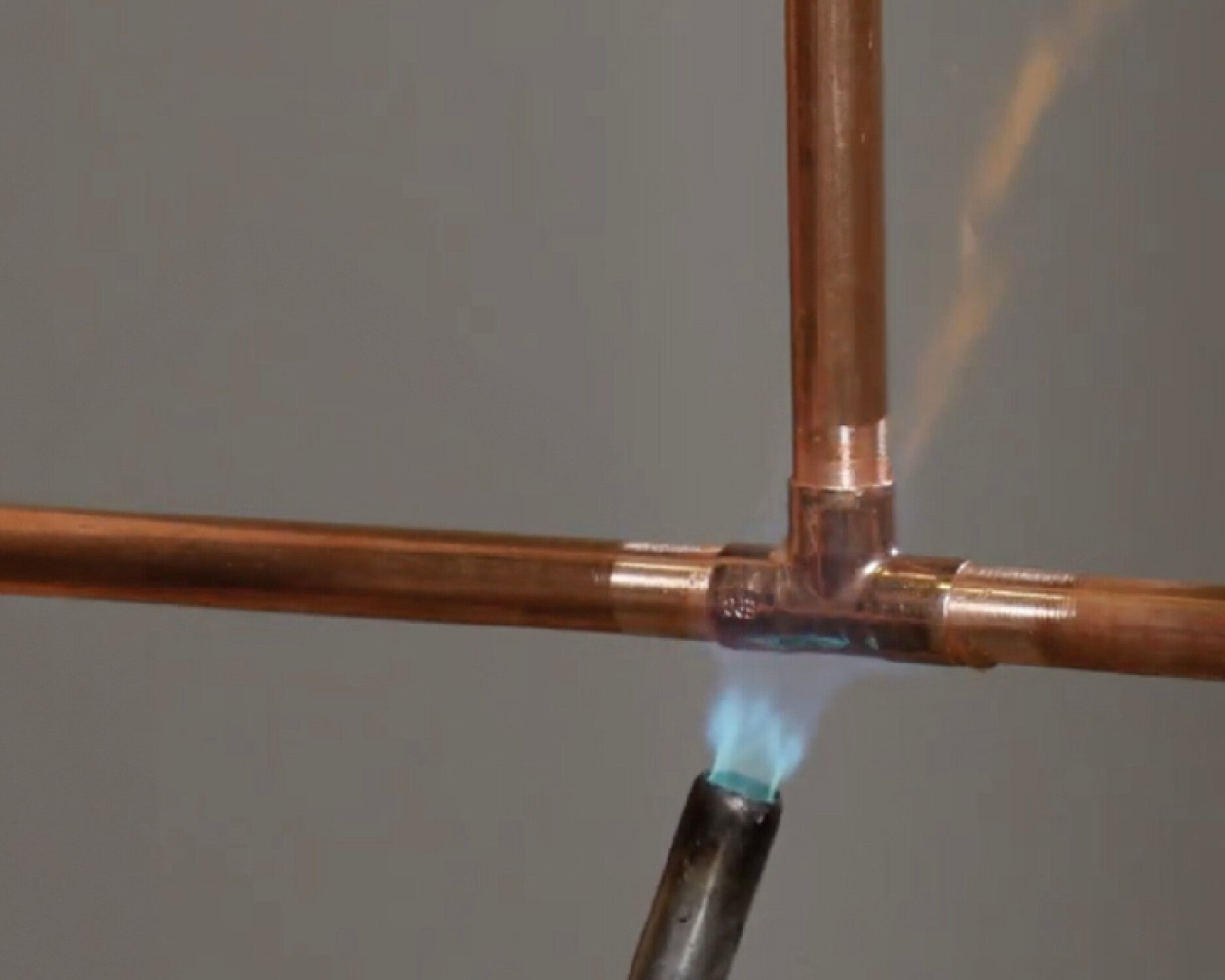
Use a propane torch to heat the pipe and fitting evenly. Heat until the metal is hot enough to melt solder.
Focus the flame on the joint, not the solder. Avoid overheating, which can damage the pipe or fitting.
- Clean the pipe and fitting before heating
- Heat the joint evenly around its circumference
- Watch for a dull red glow on copper pipes
- Keep the flame moving to avoid burning
Applying Solder
Touch the solder to the heated joint, not directly to the flame. The heat of the metal melts the solder.
The solder flows into the joint by capillary action, filling any gaps. Use enough solder to cover the entire seam.
- Hold the solder wire at the joint edge
- Feed solder slowly until it melts and flows
- Rotate the pipe if needed to spread solder evenly
- Stop adding solder once the joint is full
Cooling And Inspecting
Let the joint cool naturally without touching it. Cooling too fast can weaken the solder bond.
Check the joint for smooth, shiny solder with no gaps or cracks. A good joint looks clean and continuous.
- Do not blow or cool the joint with water
- Inspect for dull or cracked solder areas
- Check for solder running inside the pipe
- Test the joint under water pressure after cooling
Common Mistakes To Avoid
Soldering plumbing pipes needs care and attention. Avoiding common errors makes your work last longer.
Here are some common mistakes people make when soldering pipes. Learn to avoid them for better results.
Overheating Pipes
Heating pipes too much can damage them. It can melt the pipe or cause leaks later.
- Use a moderate flame and move it around.
- Do not keep the torch in one spot for too long.
- Check the pipe temperature with your hand carefully.
- Give the pipe time to cool before adding solder again.
Using Too Much Solder
Applying excess solder can block water flow or cause weak joints. It wastes material and effort.
| Problem | Cause | Effect |
| Blocked Pipes | Too much solder inside pipe | Water flow slows down |
| Weak Joints | Excess solder cools unevenly | Leaks develop over time |
| Messy Work | Spilled solder outside joint | Hard to clean and looks bad |
Skipping Cleaning Steps
Not cleaning pipes and fittings causes poor solder bonds. Dirt and oxidation stop solder from sticking well.
- Use a wire brush or sandpaper to clean pipe ends.
- Apply flux to cleaned surfaces before heating.
- Wipe off any dust or grease before starting.
- Do not skip cleaning even if pipes look shiny.
Testing And Maintenance
Proper testing and maintenance keep plumbing pipes working well. Regular checks help find problems early. Fixing issues fast stops bigger damage.
Use simple tools and follow easy steps to test pipes. This guide shows how to check for leaks, inspect often, and handle repairs safely.
Checking For Leaks
Look for signs of leaks around soldered joints and pipes. Wet spots, drips, or water stains show leaks. Use a dry cloth to wipe pipes and watch for wet areas.
- Turn off water supply before checking
- Inspect joints closely for cracks or gaps
- Run water and watch carefully for drips
- Use a flashlight to see dark or hidden areas
- Listen for sounds of dripping or running water
Regular Inspection Tips
Check plumbing pipes every few months to catch wear early. Use a checklist for each inspection to be sure nothing is missed.
| Inspection Area | What to Check | Frequency |
| Joints and Soldered Areas | Leaks, cracks, corrosion | Every 3 months |
| Pipes | Rust, dents, discoloration | Every 6 months |
| Water Pressure | Normal flow, no drops | Monthly |
| Valves | Open and close smoothly | Every 6 months |
Handling Repairs
Fix leaks and damage quickly to avoid water waste and damage. Turn off water before starting repairs. Use proper tools and safety gear.
Follow these repair steps:
- Shut off water supply.
- Drain the pipe by opening a faucet.
- Clean the area around the leak.
- Reheat the joint carefully with a torch.
- Apply fresh solder evenly.
- Let the joint cool before turning water back on.
- Test for leaks again.
Credit: www.oatey.com
Frequently Asked Questions
What Tools Are Essential For Soldering Plumbing Pipes?
Essential tools include a propane torch, solder, flux, pipe cutter, and a wire brush. These ensure clean, strong joints for durable plumbing connections.
How Do You Prepare Pipes Before Soldering?
Clean pipes with a wire brush and apply flux to both pipe and fitting. This removes oxidation and helps solder flow evenly for a secure bond.
What Safety Precautions Should I Take When Soldering Pipes?
Wear heat-resistant gloves, safety glasses, and work in a ventilated area. Keep a fire extinguisher nearby to prevent accidents during soldering.
How Long Should I Heat Pipes Before Applying Solder?
Heat the pipe and fitting evenly for about 10-20 seconds until flux bubbles. Then apply solder to the joint promptly for a strong seal.
Conclusion
Soldering plumbing pipes is easier than it seems. With the right tools, success is within reach. Practice makes perfect, so don’t worry about mistakes. Safety is crucial; always wear protective gear. Clean surfaces ensure a strong bond. Heat the joint evenly for the best results.
Patience during the process pays off. By following these tips, your plumbing projects will succeed. Your confidence in DIY will grow. Start with small projects and work your way up. Soon, plumbing will seem less intimidating. Happy soldering!