Have you ever needed to make a small, precise hole but felt unsure about using a hand drill? You’re not alone.
Whether you’re working on a DIY project or fixing something around the house, knowing how to use a hand drill for small holes can save you time and frustration. This guide will walk you through simple steps that anyone can follow, even if you’ve never picked up a drill before.
By the end, you’ll feel confident and ready to tackle your next project with ease. Keep reading to discover the tips and tricks that make drilling small holes quick, safe, and accurate.
Choosing The Right Hand Drill
Using a hand drill for small holes requires picking the right tool. The right drill makes the job easier and more precise.
This guide helps you understand different types of hand drills and how to select drill bits for small holes.
Types Of Hand Drills
Hand drills come in many types. Some are powered by hand, others by electricity.
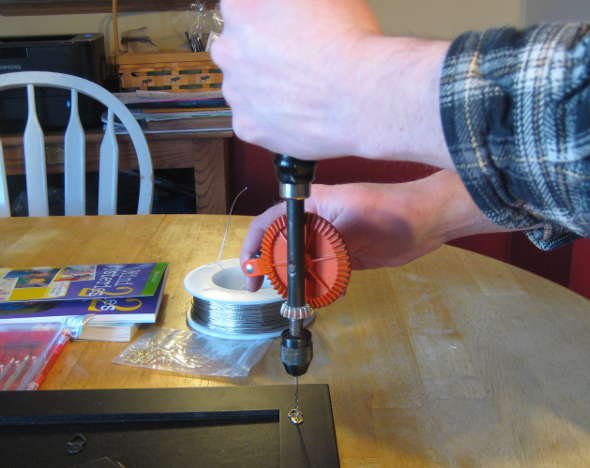
- Manual Hand Drill:Uses a crank or wheel to turn the drill bit. Good for fine control.
- Brace Drill:Has a U-shaped handle to provide strong torque. Ideal for wood.
- Electric Hand Drill:Battery or cord-powered. Faster and easier for many holes.
- Pin Vise:A small hand tool for very tiny holes. Used in crafts and modeling.
Selecting Drill Bits For Small Holes
Choosing the right drill bit is key for small holes. Bits come in various shapes and materials.
| Drill Bit Type | Best For | Material |
| Twist Bit | General purpose small holes | Steel or cobalt |
| Brad Point Bit | Wood drilling with clean edges | High-speed steel |
| Diamond Bit | Glass and ceramics | Diamond-coated |
| Step Bit | Drilling multiple small sizes | Steel |

Credit: oukailuo.com
Preparing Your Workspace
Setting up your workspace is important before using a hand drill. A clean and safe area helps you work better and prevents accidents.
Make sure you have enough light and space to move freely. Keep your tools and materials organized and close by.
Securing The Material
Hold the material firmly to stop it from moving while you drill. Moving materials can cause mistakes or injuries.
Use clamps or a vise to keep the material steady. This keeps your hands free and safe during drilling.
- Place the material on a stable surface
- Use clamps to hold small pieces
- Double-check the grip before drilling
Marking Drill Points
Mark the exact spots where you want to drill small holes. Clear marks help you drill with accuracy.
Use a pencil or a marker that shows well on your material. You can use a center punch for wood or metal to make a small dent.
- Measure and mark each drill point
- Use a ruler for even spacing
- Create a small dent for the drill bit to start
Proper Hand Drill Handling
Using a hand drill for small holes requires care and control. Proper handling helps you drill accurately and safely.
This guide covers the best ways to hold your hand drill and keep it steady during use.
Grip Techniques
Hold the hand drill firmly but not too tight. A good grip gives control and reduces hand fatigue.
- Use your dominant hand to hold the drill handle.
- Wrap your fingers around the handle for a secure hold.
- Place your thumb along the drill body for extra support.
- Keep your wrist straight to avoid strain.
- Use your other hand to steady the drill if needed.
Maintaining Drill Stability
Keeping the drill stable helps you make clean, precise holes. Stability reduces slipping and mistakes.
| Tip | Description |
|---|---|
| Position Your Body | Stand with feet shoulder-width apart for balance. |
| Use a Clamp | Secure the workpiece to prevent movement. |
| Apply Even Pressure | Push gently and steadily on the drill. |
| Start Slow | Begin drilling at low speed to guide the bit. |
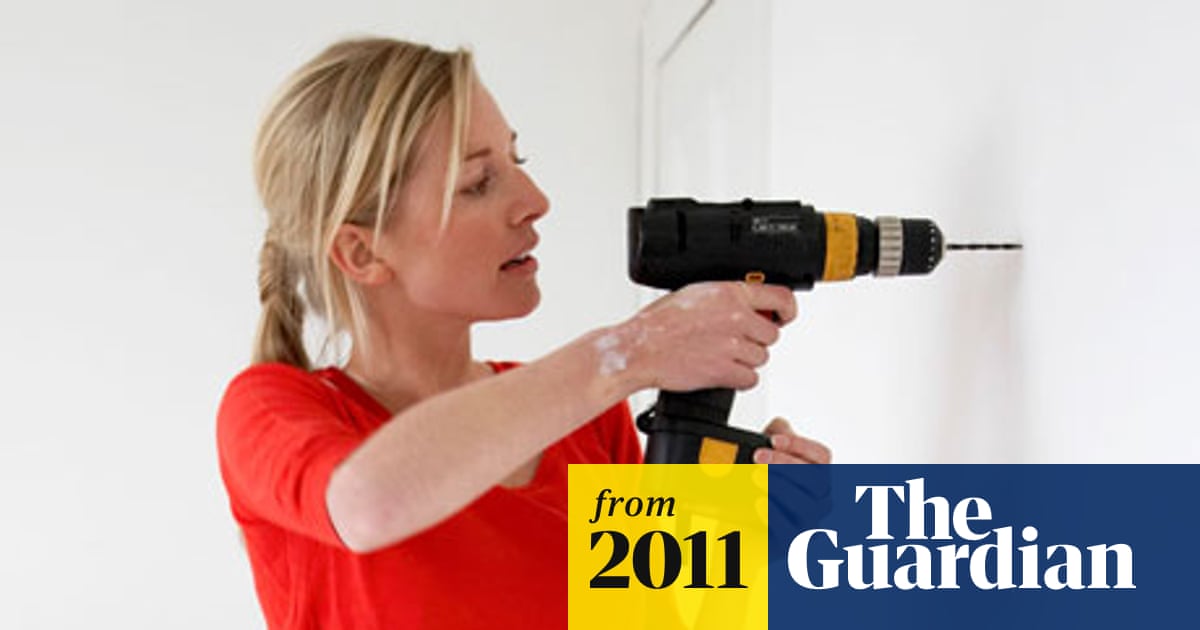
| Keep Drill Perpendicular | Hold the drill at a 90-degree angle to the surface. |
Credit: www.theguardian.com
Drilling Small Holes Step-by-step
Using a hand drill to make small holes needs care and focus. Small holes require steady hands and the right technique.
This guide shows how to drill small holes safely and cleanly with a hand drill.
Starting The Drill
Place the drill bit on the spot where you want the hole. Hold the drill straight and steady. Start the drill at a slow speed to avoid slipping.
Make sure the drill bit is sharp and fits the size of the hole you need. Use a center punch if the surface is slippery.
- Mark the drilling spot clearly
- Hold the drill perpendicular to the surface
- Start at low speed to control the bit
- Use a center punch for smooth surfaces
Controlling Speed And Pressure
Keep the drill speed moderate for small holes. Too fast can break the bit or damage the material. Too slow may cause uneven holes.
Apply steady, light pressure. Pressing too hard can bend or break the bit. Let the drill do the work.
- Use moderate drill speed
- Apply light, steady pressure
- Avoid forcing the drill
- Pause if the bit overheats
Finishing The Hole Cleanly
Slow the drill speed as you near the end of the hole. This helps prevent splintering or rough edges.
Remove the drill bit carefully. Check the hole for any rough spots. Use sandpaper or a small file to smooth the edges if needed.
- Reduce speed near the end
- Pull the drill out slowly
- Inspect the hole edges
- Smooth edges with sandpaper or file
Safety Tips And Precautions
Using a hand drill for small holes needs care. Safety is very important to avoid injury.
Always follow safety rules before and during drilling. This helps protect you and others.
Protective Gear
Wear the right gear to protect yourself when using a hand drill. This stops accidents and harm.
At minimum, use safety glasses to shield your eyes. Gloves can protect your hands from slips.
- Safety glasses or goggles
- Work gloves for hand protection
- Close-fitting clothes to avoid catching
- Hearing protection if needed
Avoiding Common Mistakes
Many users make simple errors when drilling small holes. Avoid these to work safely and well.
Do not rush or force the drill. Use steady pressure and keep the drill straight for control.
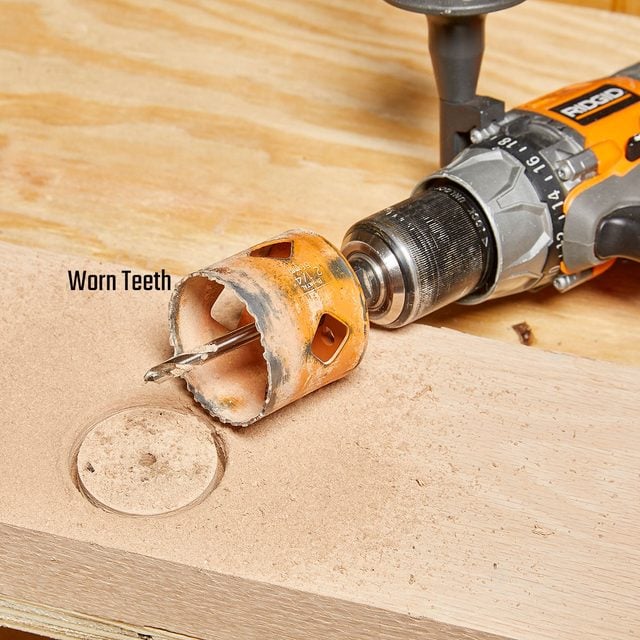
- Check the drill bit is sharp and the right size
- Secure the workpiece to stop it from moving
- Keep hands away from the drill bit
- Do not wear loose jewelry or clothes
- Start drilling slow, then increase speed if needed
Credit: www.familyhandyman.com
Maintaining Your Hand Drill
Taking care of your hand drill keeps it working well for a long time. Regular maintenance helps you drill small holes smoothly.
Simple cleaning and proper storage prevent damage and rust. These steps save you time and money on repairs.
Cleaning And Lubrication
After each use, wipe the hand drill to remove dust and dirt. Use a soft cloth to clean the drill’s body and bits.
Apply a small amount of oil to the moving parts. Lubrication stops rust and keeps the drill turning smoothly.
- Use light machine oil for metal parts
- Clean bits with a brush before oiling
- Remove old grease to avoid sticky parts
- Do not over-oil; a few drops are enough
Storing Properly
Store your hand drill in a dry place to avoid rust. Keep it away from damp areas and direct sunlight.
Use a case or toolbox to protect the drill from dust and damage. Make sure the drill is clean and oiled before storing.
- Keep drill bits separate and dry
- Store in a padded case if possible
- Place silica gel packs to reduce moisture
- Check the drill monthly for any rust or dirt
Frequently Asked Questions
What Drill Bit Size Is Best For Small Holes?
For small holes, use drill bits sized between 1/16 to 1/8 inches. These sizes ensure precision. Always match the bit size to your material and hole requirements for accuracy.
How Do I Prevent Cracking When Drilling Small Holes?
To prevent cracking, use a slow drill speed and steady pressure. Pre-drill a pilot hole if needed. Clamping the material securely also helps avoid damage.
Can I Use A Hand Drill For Metal And Wood?
Yes, hand drills work well on wood and thin metal sheets. Use appropriate drill bits designed for each material. Adjust speed and pressure accordingly for best results.
How Do I Maintain Control With A Hand Drill?
Maintain control by holding the drill firmly with both hands. Keep the drill perpendicular to the surface. Start slowly to ensure accuracy before increasing speed.
Conclusion
Using a hand drill for small holes is simple and effective. Choose the right drill bit for your project. Hold the drill steady and apply gentle pressure. Take your time and keep the drill straight. Practice makes your drilling smoother and more accurate.
This tool gives you control and precision. Small holes do not need fancy equipment. Enjoy your work and see great results. Keep safety in mind at all times. Hand drills are handy for many tasks. Try these tips and feel confident drilling small holes.