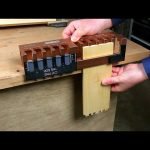
Are you ready to take your woodworking skills to the next level? Using a dovetail jig can transform your projects, giving you strong, beautiful joints that last.
But if you’re not sure how to use it properly, you might end up frustrated or with less-than-perfect results. This guide will walk you through everything you need to know to use your dovetail jig effectively. By the end, you’ll feel confident creating precise, professional-looking joints that will impress anyone who sees your work.
Let’s dive in and unlock the full potential of your dovetail jig!
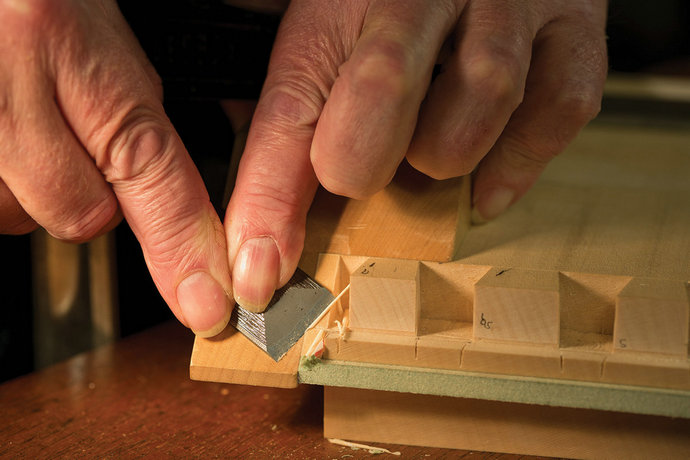
Credit: hoolnn.com
Choosing The Right Dovetail Jig
Choosing the right dovetail jig is important for good woodworking results. The right jig helps you make strong and neat joints.
There are different types of jigs, and they fit different materials and budgets. This guide helps you pick the best one for your needs.
Types Of Dovetail Jigs
Dovetail jigs come in many styles. Some are simple and good for beginners. Others are complex and made for professionals.
- Manual jigs: Require hand adjustment, good for small projects.
- Template jigs: Use fixed templates for consistent cuts.
- Adjustable jigs: Allow changes in size and angle of tails and pins.
- Multi-angle jigs: Can make different joint types beyond dovetails.
Material Compatibility
Not all jigs work well with every wood type. Some jigs are better for softwoods. Others can handle hardwoods or plywood.
Check if the jig fits your wood thickness and grain type. Using the right jig keeps joints tight and clean.
- Softwoods: Easier to cut, most jigs work fine.
- Hardwoods: Need stronger jigs and sharper bits.
- Plywood and MDF: Choose jigs that reduce tear-out.
Budget Considerations
Dovetail jigs come in a wide price range. Your budget affects the type and quality you can buy.
More expensive jigs usually offer better accuracy and durability. Lower-cost jigs work for hobbyists and light use.
- Low budget: Basic jigs, good for beginners.
- Mid-range: Adjustable jigs with better build quality.
- High-end: Professional jigs with many features.

Credit: www.youtube.com
Essential Tools And Materials
Using a dovetail jig needs some special tools and materials. These help you make strong and clean joints.
Picking the right items saves time and makes your work look professional.
Router Selection
Your router must fit the dovetail jig well. Choose a router that is easy to handle and adjust.
A router with variable speed control helps you cut different wood types smoothly.
- Compact routers fit better in small spaces
- Variable speed helps avoid burning the wood
- Plunge routers give better control for joint depth
Router Bits
Use sharp router bits made for dovetail joints. They make clean cuts and fit the jig’s template.
Choose bits that match the size of your dovetail template for the best results.
- Use carbide-tipped bits for longer life
- Standard dovetail bits work with most jigs
- Check bit diameter to fit the jig slots
Clamps And Safety Gear
Good clamps hold your wood pieces tightly during routing. This keeps cuts precise and safe.
Wear safety gear like goggles and ear protection to avoid injury and loud noise.
- Use quick-release clamps for easy setup
- Wear safety goggles to protect your eyes
- Use earplugs or earmuffs to reduce noise
Setting Up Your Dovetail Jig
Setting up your dovetail jig correctly is important for strong and neat joints. A good setup saves time and avoids mistakes.
This guide will help you prepare wood, adjust the jig, and secure the workpiece for best results.
Preparing The Wood Pieces
Choose wood pieces that are clean and flat. Remove any dirt or rough edges before cutting.
Cut the wood to the right size. Both pieces should be the same thickness and width for a good fit.
- Use a square to check edges
- Make sure both boards are even
- Trim ends to clean edges
Adjusting Jig Settings
Set the jig according to the wood thickness. Most jigs have guides for different sizes.
Adjust the fence and the pin block to match your project. This keeps the cuts tight and accurate.
- Check the manual for thickness settings
- Align the fence parallel to the router bit
- Use the right dovetail template for your joint type
Securing The Workpiece
Clamp the wood pieces firmly in the jig. Loose pieces can cause poor cuts or damage.
Use the jig’s clamps or your own clamps to hold the wood steady. Double-check before cutting.
- Place clamps evenly to avoid movement
- Do not overtighten to prevent wood damage
- Test stability by trying to move the wood before routing
Cutting Dovetail Joints
Dovetail joints are strong and attractive wood connections. They are popular in drawer and box making.
Using a dovetail jig helps you cut these joints precisely and save time. Let’s look at how to cut them well.
Step-by-step Cutting Process
Start by setting up your dovetail jig correctly. Clamp the wood pieces firmly in place before cutting.
Use a sharp router bit that fits your jig. Follow these steps for clean cuts:
- Mark the wood pieces to identify tails and pins.
- Attach the tail board to the jig and cut tails first.
- Move the jig to the pin board and cut pins to fit tails.
- Test fit the pieces and make small adjustments if needed.
- Smooth the edges with sandpaper after fitting.
Common Mistakes To Avoid
Many beginners make errors that cause poor fit or weak joints. Avoid these common mistakes:
- Not clamping the wood tightly in the jig.
- Using a dull or wrong-sized router bit.
- Cutting without marking tails and pins clearly.
- Moving the jig incorrectly between cuts.
- Not checking the fit before final assembly.
Tips For Clean Cuts
Clean cuts make the joint look professional and fit better. Use these tips for smooth results:
- Use a sharp, high-quality router bit.
- Set the correct depth on your router for the jig.
- Clamp the wood firmly to prevent movement.
- Cut slowly and steadily without forcing the router.
- Clear sawdust often to keep your view clear.
- Sand edges lightly after cutting for a smooth finish.
Finishing Techniques
After cutting dovetail joints, finishing is important. Good finishing makes your project look neat and last longer.
Finishing includes sanding, gluing, and adding final details. Each step helps improve the joint’s strength and appearance.
Sanding And Smoothing
Sanding removes rough edges and tool marks from the dovetail joints. Use fine-grit sandpaper to avoid damaging the wood.
Smooth surfaces help glue stick better and give a cleaner look. Sand inside the joint carefully to keep its shape intact.
- Start with 120-grit sandpaper for rough spots
- Use 220-grit sandpaper for a smooth finish
- Smooth corners gently to keep sharp lines
Glue And Assembly
Apply glue evenly on all joint surfaces before assembly. Avoid using too much glue to prevent mess and weak joints.
Press the joint firmly until the glue sets. Use clamps to hold the pieces tight and keep them aligned.
- Use wood glue designed for strong bonds
- Remove excess glue with a damp cloth
- Clamp for at least 30 minutes for best results
Final Touches
After the glue dries, check the joint for gaps or rough spots. Fill small gaps with wood filler if needed.
Apply a finish like varnish or oil to protect the wood. This also enhances the wood’s color and grain.
- Sand lightly after filling gaps
- Choose a finish that suits your project
- Apply finish in thin, even coats

Credit: www.youtube.com
Troubleshooting Common Issues
Using a dovetail jig can create strong and precise joints. Still, some common problems may occur during the process. Identifying and fixing these issues helps improve your woodworking results.
This guide covers common troubles like misaligned joints, chip-out problems, and how to adjust the jig for different wood types.
Misaligned Joints
Misaligned joints happen when the tails and pins do not fit perfectly. This can weaken the joint and affect the final look of your project.
Check the following to fix misaligned joints:
- Ensure the jig is clamped tightly and does not move during cutting.
- Double-check the alignment of your workpieces before clamping.
- Make sure the router bit is set to the correct height and depth.
- Use the same thickness of wood on both sides of the joint.
Chip-out Problems
Chip-out happens when small pieces of wood tear away near the edges of the cut. This spoils the clean look of the joint.
Try these tips to reduce chip-out:
| Cause | Solution |
| Dull router bit | Use a sharp, new bit |
| Cutting too fast | Slow down the feed rate |
| Cutting against wood grain | Change direction to follow grain |
| Unsupported wood edges | Use backing boards for support |
Adjusting For Different Wood Types
Different woods cut and fit differently. Hardwoods and softwoods need small changes to the jig settings for best results.
Follow these steps to adjust your jig:
- Test cut on a scrap piece of the same wood.
- Check fit and adjust router depth if joints are too tight or loose.
- Change router speed for very hard or soft woods.
- Use slower feed speed on hardwoods to avoid burning.
- Keep blades sharp for all wood types.
Advanced Techniques For Precision
Using a dovetail jig can improve your woodworking projects. Advanced techniques help you create precise joints every time.
These tips focus on customizing joints, using templates, and combining joinery methods for better results.
Customizing Joint Sizes
You can adjust the joint size to fit different wood thicknesses. This makes your joints stronger and cleaner.
Set the jig guides and router bit depth carefully. Small changes affect the tightness of the joint.
- Measure wood thickness before setting the jig
- Adjust guide spacing for wider or narrower tails
- Test on scrap wood to check fit before final cuts
Using Templates For Complex Designs
Templates help you create unique dovetail patterns. These add style and complexity to your projects.
Attach templates to your jig or workpiece. Make sure they are secure and aligned to avoid mistakes.
- Choose templates with clear, simple shapes
- Use clamps to hold templates firmly in place
- Practice routing with the template before working on the final piece
Combining With Other Joinery Methods
Mix dovetail joints with other joinery types like mortise and tenon. This adds strength and style.
Plan your cuts carefully. Use the right tools for each joint to keep precision high.
- Use dovetails for corners and visible joints
- Use mortise and tenon for frames and heavy loads
- Fit joints tightly and check alignment often
Frequently Asked Questions
What Is A Dovetail Jig Used For?
A dovetail jig helps woodworkers create precise dovetail joints. These joints are strong and decorative, ideal for drawers and boxes. The jig guides the router, ensuring accuracy and repeatability in cutting.
How Do I Set Up A Dovetail Jig Correctly?
To set up, clamp the jig securely to your workbench. Adjust the guide pins to match your wood thickness. Align the tails and pins templates properly before routing to ensure clean joints.
Can Beginners Use A Dovetail Jig Easily?
Yes, dovetail jigs are beginner-friendly. They simplify complex cuts by providing guides. With practice, beginners can achieve professional-looking dovetail joints quickly and confidently.
What Types Of Wood Work Best With A Dovetail Jig?
Hardwoods like maple, oak, and cherry work best. They hold tight joints and resist wear. Softwoods can be used but may require careful handling to avoid tear-out.
Conclusion
Mastering a dovetail jig boosts your woodworking skills. Practice makes perfect. Start with simple projects. Gradually tackle complex designs. Always ensure safety and precision. Double-check your setup before cutting. Clean your tools regularly. This keeps them in top shape. A well-maintained jig ensures smoother operations.
Experiment with different wood types. This enhances your understanding. Remember, patience is key in woodworking. Mistakes teach valuable lessons. Enjoy the process and creativity it brings. With time, you’ll create impressive dovetail joints. Perfect for furniture and crafts. Happy woodworking!