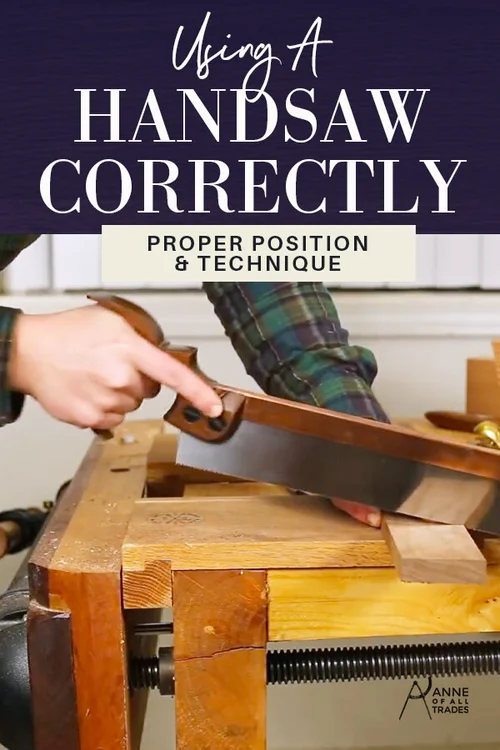
Are you ready to take your woodworking skills to the next level? Using a hand saw might seem simple, but mastering it can make a huge difference in your projects.
Whether you’re cutting straight lines or shaping wood for a custom piece, the right technique will save you time and effort. This guide will show you exactly how to use a hand saw like a pro, so you can create clean, precise cuts every time.
Keep reading, and you’ll discover tips and tricks that turn a basic tool into your most trusted woodworking companion.

Credit: kakuritools.com
Choosing The Right Hand Saw
Choosing the right hand saw is important for woodworking. The correct saw makes cutting easier and more accurate. This guide helps you pick the best saw for your project.
Different saws work better on different types of wood. Size and teeth count affect the cut quality. Learn how to select the right saw to get good results.
Types Of Hand Saws
There are many types of hand saws. Each type has a special use. Choose based on the kind of cut you need.
- Crosscut Saw:Cuts across the wood grain. Good for cutting boards and planks.
- Rip Saw:Cuts along the wood grain. Used for splitting wood fibers.
- Back Saw:Has a stiff spine for straight cuts. Ideal for joinery and fine work.
- Keyhole Saw:Has a narrow blade. Perfect for cutting curves and small holes.
- Bow Saw:Has a large frame and coarse teeth. Best for cutting logs and rough wood.
Selecting Based On Wood Type
Softwood and hardwood need different saws. Softwood is easier to cut. Hardwood needs a saw with finer teeth.
| Wood Type | Recommended Saw | Teeth Type |
| Softwood | Rip Saw or Bow Saw | Coarse teeth for fast cutting |
| Hardwood | Crosscut Saw or Back Saw | Fine teeth for smooth cuts |
| Plywood or Veneer | Fine-toothed Back Saw | Very fine teeth to avoid splintering |
Blade Size And Teeth Count
Blade length and teeth count affect the cut type. Longer blades cut bigger pieces. More teeth give smoother cuts.
- Short Blades (12-15 inches):Good for detailed work and curves.
- Medium Blades (20 inches):Best for general purpose cutting.
- Long Blades (24+ inches):Ideal for cutting large boards and logs.
- Teeth per Inch (TPI):Lower TPI means faster, rougher cuts. Higher TPI means slower, finer cuts.
Preparing For A Clean Cut
Using a hand saw properly helps you get smooth, accurate cuts in wood. Preparing well makes cutting easier and safer.
Before cutting, focus on marking the line, securing the wood, and wearing the right safety gear.
Marking The Cut Line
Marking a clear cut line guides your saw and helps you cut straight. Use a pencil and a ruler or square tool.
Draw a thin, visible line where you want to cut. Double-check measurements before cutting.
Securing The Wood
Hold the wood firmly to prevent movement during cutting. Moving wood can cause uneven cuts or accidents.
Use clamps or a workbench to keep the wood steady. Make sure it is supported on both sides of the cut line.
- Place clamps near the cut but not in the saw path
- Check that the wood does not wobble
- Work on a flat, stable surface
Safety Gear Essentials
Wear safety gear to protect yourself from wood dust and accidental cuts. Safety is important every time you work.
Use safety glasses to protect your eyes and gloves for your hands. A dust mask helps avoid breathing sawdust.
- Safety glasses
- Protective gloves
- Dust mask or respirator
- Hearing protection if needed
Mastering Sawing Techniques
Using a hand saw correctly makes woodworking easier and safer. Good techniques help you cut wood cleanly and quickly.
This guide explains how to hold the saw, start your cuts, and keep a steady stroke for best results.
Proper Grip And Stance
Hold the saw handle firmly but not too tight. Your grip should feel natural and relaxed. A tight grip can tire your hand quickly.
Stand with your feet shoulder-width apart. Place your body so the saw blade aligns with the cut line. Keep your weight balanced on both feet.
- Grip the handle with your dominant hand
- Place your other hand on the wood for control
- Stand sideways to the saw line
- Keep feet flat and steady
Starting The Cut
Begin the cut by placing the saw teeth on the wood edge. Use short, light strokes to create a groove. This groove guides the saw for a straight cut.
Do not press hard at the start. Let the saw do the work. A slow and steady start prevents the saw from slipping.
- Place saw teeth on the mark
- Use gentle back and forth strokes
- Create a shallow groove before full sawing
- Keep the saw blade straight
Maintaining A Steady Stroke
After the groove forms, use long, even strokes. Push and pull the saw smoothly without jerking. This helps cut straight and clean lines.
Keep your arm and wrist relaxed. Let the saw blade do the cutting, not your force. Check that the saw stays aligned with your cut line.
- Use full arm movement, not just the wrist
- Keep strokes smooth and even
- Watch the blade angle to stay on track
- Take breaks if your hand feels tired
Credit: commonwoodworking.com
Handling Common Challenges
Using a hand saw for woodworking can be tricky. You may face problems like the blade binding or cutting off lines. These issues can slow your work or damage the wood.
This guide helps you handle common problems. It shows ways to avoid binding, fix off-cut lines, and cut through knots and grain.
Avoiding Binding And Pinching
Binding happens when the saw blade gets stuck in the wood. Pinching is when the wood closes on the blade. Both can stop your cut or ruin the wood.
- Use a sharp saw blade to cut smoothly.
- Keep the wood supported to stop it from bending.
- Start the cut slowly and keep a steady rhythm.
- Cut a small relief notch to reduce pressure on the blade.
- Check the saw’s angle to avoid pinching.
Correcting Off-cut Lines
Sometimes your cut line is not straight or goes off the mark. Fixing this early saves wood and time.
- Mark the correct line clearly with a pencil.
- Use a guide or clamp a straight edge to follow.
- Slow down your cut near the line.
- Sand or trim small errors after cutting.
- Practice steady hand pressure and angle control.
Dealing With Knots And Grain
Knots and grain can make sawing hard. They change the wood’s hardness and can dull your blade quickly.
| Challenge | Tip |
| Hard Knots | Use slow, steady strokes and sharpen blade often. |
| Cross Grain | Cut gently to avoid splintering the wood. |
| Grain Direction Changes | Adjust saw angle to follow grain smoothly. |
| Soft Wood Areas | Reduce pressure to keep control and clean cuts. |
Maintaining Your Hand Saw
Keeping your hand saw in good shape helps it cut better and last longer. Regular care prevents rust and damage.
Simple maintenance steps make your woodworking easier. Clean, sharpen, and store your saw properly.
Cleaning And Lubricating
After using your hand saw, clean off sawdust and dirt. Use a dry brush or cloth to remove debris.
Apply a light coat of oil to the blade to stop rust. Use machine oil or specialized saw lubricant.
- Remove debris with a dry brush or cloth
- Wipe the blade with a rag dipped in oil
- Use oil sparingly to avoid attracting dust
- Clean the handle with a damp cloth if needed
Sharpening The Blade
A dull blade makes cutting hard and unsafe. Sharpen your saw regularly to keep teeth sharp and even.
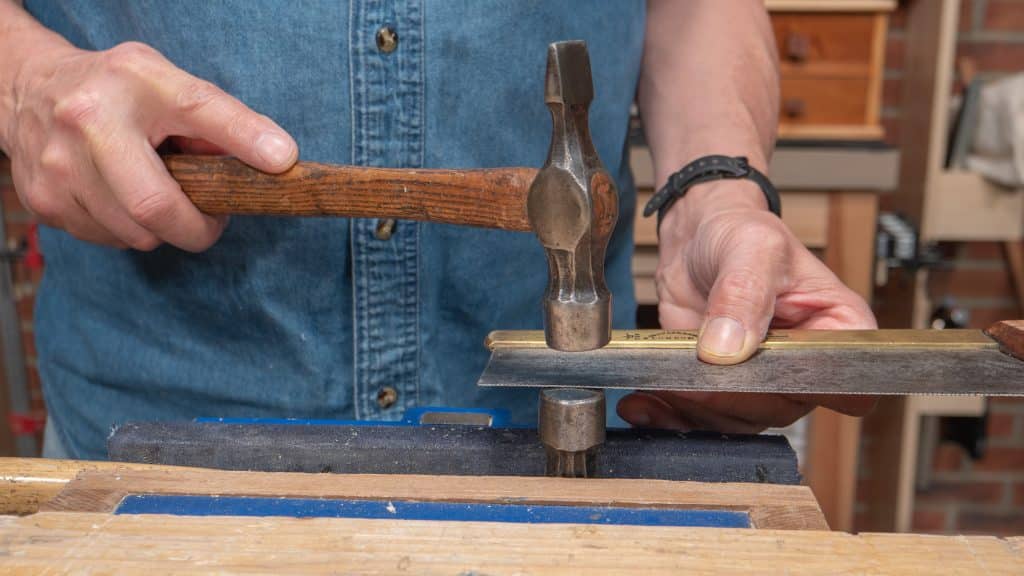
Use a fine file or saw sharpening tool. Match the file size to your saw teeth for best results.
- Secure the saw in a clamp or vise
- File each tooth at the same angle
- Keep strokes even and light
- Check tooth sharpness often
Storing Safely
Store your hand saw in a dry place to avoid rust. Keep it away from moisture and direct sunlight.
Use a blade guard or wrap the blade in cloth. Hang the saw or place it flat on a shelf.
- Keep saw in a dry, cool area
- Cover blade with a guard or cloth
- Hang saw to prevent damage
- Avoid stacking heavy tools on top
Advanced Tips For Precision
Using a hand saw with accuracy is important in woodworking. Precision helps create clean cuts and better projects.
These tips focus on improving control and accuracy while using a hand saw.
Using Guides And Fences
Guides and fences help keep your saw straight. They prevent the blade from moving side to side during a cut.
You can use clamps or a straight edge as a fence. This ensures your cut stays on the line you marked.
- Clamp a straight board to your workpiece
- Use a miter box for angled cuts
- Attach a guide rail for long, straight cuts
- Check that guides are secure before sawing
Combining Hand Saw With Other Tools
Pairing your hand saw with other tools can improve accuracy. Use marking tools and measuring devices before cutting.
After sawing, use files or sandpaper to smooth edges. This helps correct small mistakes and refines the cut.
- Mark cut lines with a sharp pencil or knife
- Use a try square to ensure right angles
- Finish cuts with a rasp or file
- Check measurements twice before cutting
Customizing Saw Teeth For Projects
Different projects need different saw teeth. You can adjust or choose saw blades with teeth suited for the wood and cut type.
Finer teeth work well for smooth cuts on hardwood. Larger teeth cut faster but rougher on softwood or thick pieces.
- Use crosscut teeth for cutting across the grain
- Rip teeth cut along the grain for faster work
- Sharpen or replace teeth for better performance
- Consider tooth set to avoid binding in wood

Credit: www.youtube.com
Frequently Asked Questions
What Types Of Hand Saws Are Best For Woodworking?
Different hand saws suit various tasks. Crosscut saws cut across grain; rip saws cut along grain. Choose based on your project needs.
How Do I Maintain A Hand Saw Blade?
Keep the blade clean and dry. Sharpen regularly with a file. Store in a dry place to prevent rust.
What Safety Tips Should I Follow Using A Hand Saw?
Wear safety goggles and gloves. Secure the wood firmly. Saw slowly and steadily to avoid slips and injuries.
How Can I Improve Cutting Accuracy With A Hand Saw?
Mark cut lines clearly. Use a guide or clamp to stabilize wood. Maintain a steady, consistent sawing motion.
Conclusion
Mastering a hand saw boosts your woodworking skills. Practice regularly to improve. Follow safety guidelines to avoid accidents. Choose the right saw for the task. Maintain the saw for better performance. Keep your workspace organized and clean. This makes your projects easier and more enjoyable.
Experiment with different techniques. Discover what works best for you. Enjoy the process and watch your skills grow. Woodworking with a hand saw offers satisfaction and creativity. Start small. Build your confidence. Transform simple wood into beautiful creations. Happy woodworking!