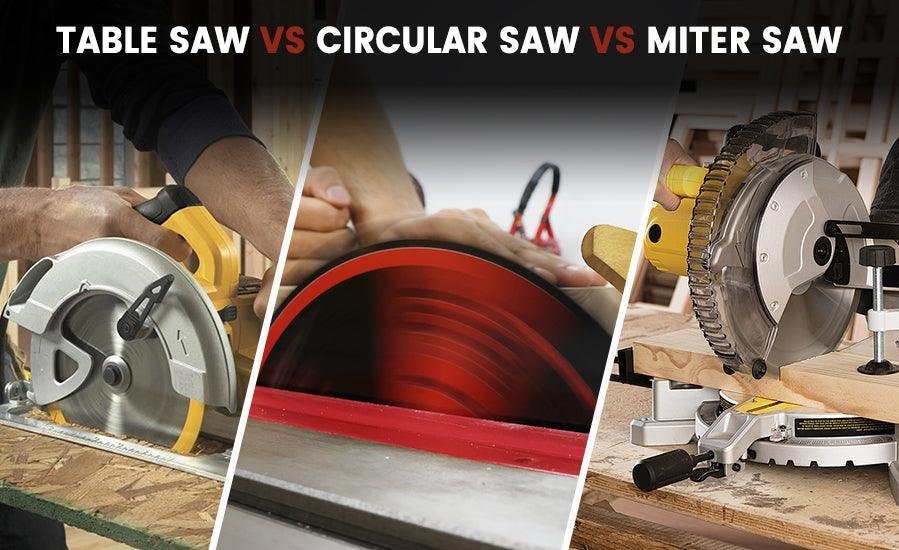
Choosing the right table saw blade can make a huge difference in your woodworking projects. If you want clean cuts, better safety, and less frustration, you need the blade that fits your needs perfectly.
But with so many options available, how do you know which one is best for you? This guide will help you understand what to look for, so you can pick the blade that makes your work easier and your results sharper.
Keep reading, and you’ll never have to guess about your table saw blade again.
Types Of Table Saw Blades
Choosing the right table saw blade is important for your woodworking projects. Different blades cut wood in different ways.
Each blade type is made for a specific job. Knowing these types helps you pick the best blade for your work.
Rip Blades
Rip blades cut wood along the grain. They have fewer teeth than other blades. This helps remove wood fast.
These blades make long, straight cuts. They are best for cutting boards to width or length.
- Fewer teeth (usually 24 teeth)
- Teeth are flat or slightly beveled
- Fast, rough cuts along wood grain
Crosscut Blades
Crosscut blades cut wood across the grain. They have many teeth to make smooth cuts. The cut edges look cleaner.
Use these blades for trimming wood and cutting boards into smaller pieces. They give a fine finish.
- More teeth (usually 60 to 80 teeth)
- Teeth are angled for smooth cutting
- Slower but cleaner cuts across grain
Combination Blades
Combination blades work for both rip and crosscut cuts. They have a medium number of teeth. This makes them versatile.
These blades are good if you want to use one blade for many jobs. They offer a balance of speed and smoothness.
- Medium teeth count (around 40 to 50 teeth)
- Mixed tooth design for ripping and crosscutting
- Good all-around blade for general use
Specialty Blades
Specialty blades are made for specific tasks. Some cut metal, plastic, or plywood. Others are for fine finishes or dado cuts.
Choose specialty blades when you need to cut unique materials or shapes. They improve cutting quality for special jobs.
- Dado blades for wide grooves
- Metal cutting blades with special teeth
- Plywood blades that reduce splintering
- Fine finish blades for smooth edges
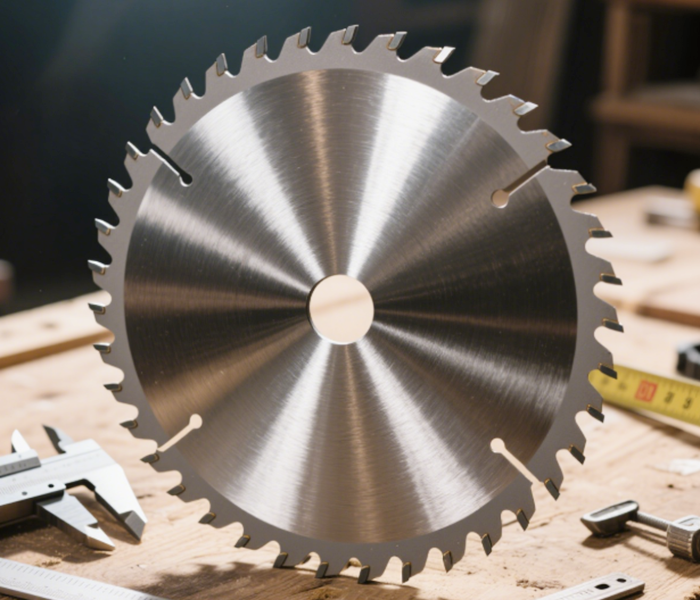
Credit: www.antsmachine.com
Blade Material Options
Choosing the right table saw blade depends on the blade material. Different materials affect cutting quality and blade life.
Each material suits different types of wood and cutting tasks. Learning about these options helps you pick the best blade.
High-speed Steel
High-speed steel (HSS) blades are made from a single piece of steel. They are sharp and easy to resharpen.
HSS blades are best for cutting softwood and non-abrasive materials. They wear out faster on hardwood or metal.
Carbide-tipped
Carbide-tipped blades have steel bodies with carbide tips on each tooth. These tips stay sharp longer than steel blades.
- Work well on hardwood, plywood, and laminates
- Hold sharp edges for longer periods
- Cost more but last much longer
- Require professional sharpening
Diamond-tipped
Diamond-tipped blades have tiny diamonds on the cutting edge. They cut through tough materials like tile and metal.
| Material | Best Use | Durability | Cost |
| High-Speed Steel | Softwood, non-abrasive materials | Low | Low |
| Carbide-Tipped | Hardwood, plywood, laminates | High | Medium |
| Diamond-Tipped | Tile, metal, abrasive materials | Very High | High |
Tooth Count And Design
Choosing the right table saw blade depends on its tooth count and design. These features affect how the blade cuts through wood.
Understanding tooth count and shapes helps you pick the best blade for your work. This guide explains these key points.
Impact On Cut Quality
The number of teeth on a blade changes the smoothness of the cut. More teeth give a finer cut but cut slower.
Fewer teeth cut faster but leave rougher edges. Choose tooth count based on your desired finish and speed.
- High tooth count: smooth cuts, slower speed
- Low tooth count: faster cuts, rough edges
- Medium tooth count: balance between speed and smoothness
Tooth Shapes Explained
Different tooth shapes serve different cutting needs. Each shape controls how the blade slices through material.
- Flat Top Grind (FTG): good for ripping wood quickly
- Alternate Top Bevel (ATB): ideal for crosscutting and clean cuts
- Combination (ATB + Rake): works well for both ripping and crosscutting
- Triple Chip Grind (TCG): best for cutting hard materials like plywood
Choose tooth shape based on the type of cuts you plan to make most often.
Choosing Based On Wood Type
Softwood and hardwood require different blade teeth to cut well. Match blade design to your wood type for best results.
- Softwood: fewer teeth with flat top grind for fast, rough cuts
- Hardwood: more teeth with alternate top bevel for smooth cuts
- Plywood and laminates: triple chip grind to reduce splintering
Using the right blade for wood type improves cut quality and blade life.

Credit: www.familyhandyman.com
Blade Diameter And Arbor Size
Choosing the right blade diameter and arbor size is key for your table saw. The blade must fit the saw perfectly to work safely and cut well.
These two parts connect the blade to the motor and guide the blade during cuts. Using the wrong size can cause problems and damage.
Matching Blade To Saw
Blade diameter refers to the full width of the blade. Common sizes are 8, 10, and 12 inches. Your saw is built for a specific diameter size.
Arbor size is the hole in the center of the blade. It fits over the saw’s arbor shaft. The most common arbor sizes are 5/8 inch and 1 inch.
- Check your saw’s manual for the correct blade diameter.
- Look at the arbor size stamped on your saw or blade.
- Never force a blade with the wrong arbor size onto your saw.
- Using a reducer ring can help fit a smaller arbor blade onto a larger arbor saw.
Common Sizes
| Blade Diameter | Typical Arbor Size | Common Use |
|---|---|---|
| 8 inches | 5/8 inch | Small portable saws, trim work |
| 10 inches | 5/8 inch | Most general-purpose table saws |
| 12 inches | 1 inch | Large cabinet saws, heavy-duty cutting |
Kerf Width And Cut Thickness
Choosing the right table saw blade depends on kerf width and cut thickness. These factors affect your cutting accuracy and wood waste.
Kerf is the width of the cut made by the blade. Cut thickness is how much wood is removed during the cut.
Standard Vs Thin Kerf
Standard kerf blades are usually 1/8 inch wide. Thin kerf blades are narrower, about 3/32 inch.
Standard blades remove more wood and need more power. Thin kerf blades remove less wood and are easier to cut with.
- Standard kerf blades work well with powerful saws.
- Thin kerf blades suit lower power saws better.
- Thin kerf blades reduce wood waste.
Influence On Performance
Kerf width affects cutting speed and smoothness. Thin kerf blades cut faster but may wear out quicker.
Cut thickness changes the quality of the cut edge. Thicker kerf gives a stronger cut but wastes more material.
| Kerf Type | Cutting Speed | Material Waste | Blade Life |
|---|---|---|---|
| Standard Kerf | Slower | More | Longer |
| Thin Kerf | Faster | Less | Shorter |
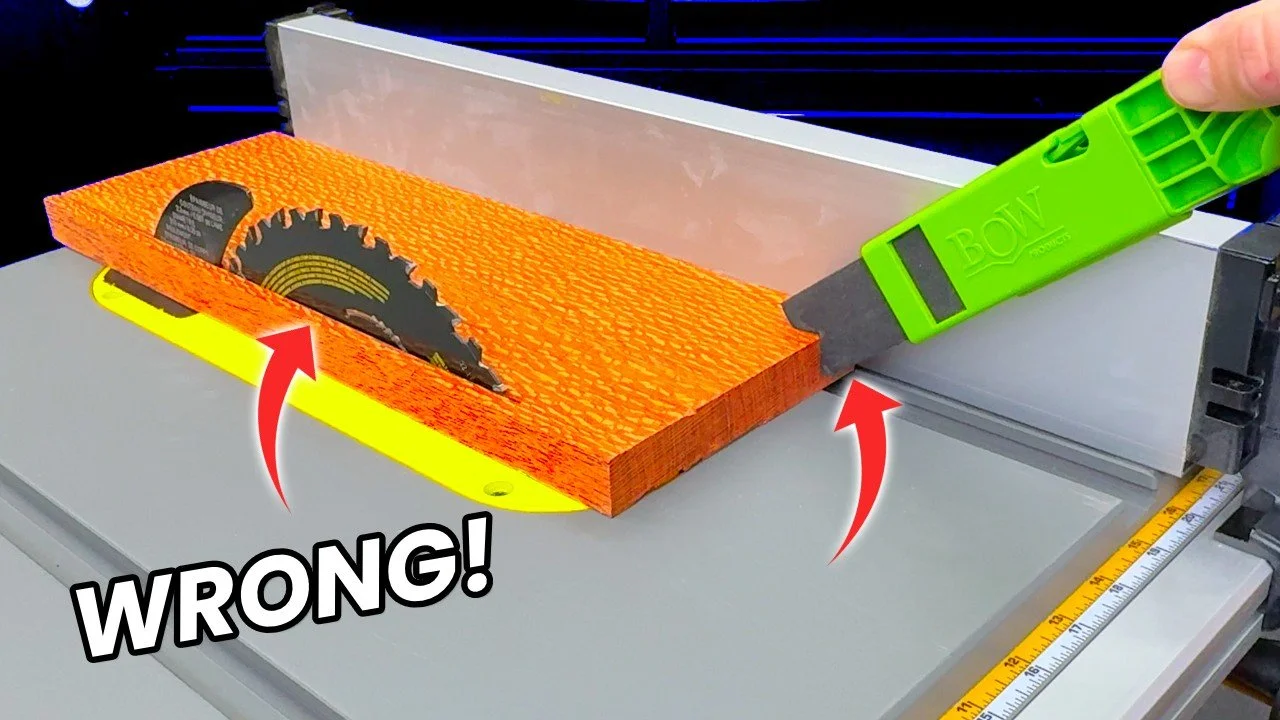
Credit: www.731woodworks.com
Blade Coatings And Finishes
Choosing the right table saw blade involves more than just tooth count and material. The coatings and finishes on the blade also play a big role. These layers help the blade last longer and cut better.
Different coatings reduce friction and stop resin from sticking to the blade. These factors make cutting smoother and safer. Let’s look at how coatings help with these tasks.
Reducing Friction
Blade coatings lower the heat and friction during cutting. Less friction means the blade moves easier through wood. It also keeps the motor from working too hard.
Common coatings like titanium or carbide reduce metal-to-wood contact. This helps the blade cut cleaner and stay sharper longer.
- Titanium coatings make blades hard and smooth
- Carbide coatings improve durability and sharpness
- Nickel coatings add a slick surface to cut faster
Preventing Resin Build-up
Resin and pitch from wood can stick to the blade. This build-up slows cutting and can cause damage. Special finishes help stop this sticky mess.
Non-stick coatings create a smooth surface. They make it hard for resin to cling to the blade. This keeps the blade cleaner and safer to use.
- PTFE coatings act like a non-stick layer
- Chrome finishes resist resin and rust
- Clear coatings protect against sticky build-up
Maintenance And Blade Longevity
Taking care of your table saw blade helps it last longer and work better. Proper maintenance keeps cuts smooth and safe.
Regular cleaning, sharpening, and correct storage all play a big role in blade life. Follow these tips to protect your blade.
Cleaning Tips
Remove resin and pitch build-up to keep the blade sharp. Clean blades cut faster and reduce heat buildup.
Use a soft brush and a mild cleaner made for saw blades. Avoid harsh chemicals that can damage the blade.
- Unplug the saw before cleaning
- Use warm water and a gentle soap or blade cleaner
- Scrub with a soft brush to remove debris
- Dry the blade completely to prevent rust
Sharpening Guidelines
Dull blades make poor cuts and strain your saw. Sharpen the blade regularly for best results.
You can sharpen blades yourself with a diamond file or take them to a professional sharpener. Check blade teeth before each use.
- Inspect blade teeth for dullness or damage
- Use a diamond file to sharpen each tooth carefully
- Keep the blade steady while sharpening
- Balance the blade after sharpening to avoid wobble
Storage Recommendations
Store your blades in a dry place to avoid rust. Proper storage prevents damage to teeth and keeps blades clean.
Use blade cases or hang them on a wall rack. Separate blades to stop them from hitting each other.
- Keep blades in a blade case or sheath
- Store blades vertically or hang on a rack
- Keep blades away from moisture and dust
- Label blades by size and type for easy access
Safety Considerations
Choosing the right table saw blade is important for safe cutting. Using the wrong blade or handling it carelessly can cause accidents. Always keep safety as your top priority.
This guide covers key safety tips on blade installation, using safety gear, and avoiding common mistakes.
Proper Blade Installation
Install the blade carefully to avoid kickback and injury. Make sure the blade fits the saw and is tightened securely. A loose blade can come off during use.
- Turn off and unplug the saw before changing the blade.
- Use the correct wrench to tighten the arbor nut.
- Check that the blade teeth face the right direction.
- Ensure the blade guard is in place after installation.
Using Safety Gear
Wear the right safety gear to protect yourself from dust and flying debris. Safety gear lowers the risk of injury while cutting wood.
| Safety Gear | Purpose |
| Safety glasses | Protect eyes from dust and chips |
| Ear protection | Reduce noise damage |
| Dust mask | Prevent inhaling sawdust |
| Gloves | Protect hands from splinters (use with caution) |
Avoiding Common Mistakes
Many accidents happen from simple errors. Avoid these mistakes for safer cutting.
- Do not force the wood into the blade; let the saw cut at its own speed.
- Keep your hands away from the blade path.
- Check the blade for damage before each use.
- Do not remove safety guards or disable safety features.
- Maintain a clean work area to avoid slips and trips.
Budgeting For The Right Blade
Choosing the right table saw blade means balancing cost and quality. Your budget plays a key role in this decision.
Spending wisely helps you get a blade that lasts and performs well without overspending.
Cost Vs Performance
Cheaper blades may save money at first but can wear out quickly. High-quality blades often cost more but cut cleaner and last longer.
- Low-cost blades suit light, occasional use.
- Mid-range blades balance price and durability.
- Premium blades offer the best cut quality and lifespan.
| Blade Type | Cost Range | Best Use |
| Basic Steel | $20 – $40 | Simple cuts, soft wood |
| Carbide-Tipped | $40 – $100 | General woodworking |
| High-End Carbide | $100+ | Fine finish, hardwood |
When To Invest More
Spend more if you use your saw often or need precise cuts. A better blade reduces extra work and makes projects easier.
- You work with hardwood or thick materials.
- You want smoother cuts with less sanding.
- You use your saw for professional or frequent projects.
- You prefer a blade that stays sharp longer.
Tips For Achieving Precision Cuts
Choosing the right table saw blade is key to making precise cuts. Small adjustments can greatly improve your results.
Focus on blade alignment, feed rate, and saw settings to get clean and accurate cuts every time.
Blade Alignment
Proper blade alignment ensures the blade cuts straight and reduces tear-out. Check the blade’s angle against the fence and miter gauge.
- Use a combination square to check blade height and angle
- Adjust the blade so it is parallel to the miter slot
- Tighten all bolts securely after alignment
- Recheck alignment after changing blades
Feed Rate Techniques
Feed rate affects cut quality. Too fast causes rough edges. Too slow can burn wood or dull the blade.
| Feed Speed | Effect on Cut |
| Too Fast | Rough edges, blade binding |
| Too Slow | Burn marks, blade wear |
| Moderate | Clean, smooth cuts |
Adjusting Saw Settings
Adjust saw settings to match your blade and material. Set the blade height just above the wood thickness.
- Blade height: 1/8 inch above material
- Blade angle: 90 degrees for straight cuts
- Fence position: parallel and locked
- Use a riving knife or splitter for safety
Frequently Asked Questions
What Factors Affect Choosing The Right Table Saw Blade?
Blade size, tooth count, material type, and cutting purpose affect the choice. Consider wood type and finish quality needed for best results.
How Many Teeth Should A Table Saw Blade Have?
Blades with fewer teeth cut faster but rougher. More teeth give smoother, precise cuts. Choose based on your project’s finish needs.
What Blade Material Is Best For Durability?
Carbide-tipped blades last longer and stay sharp. They handle hardwoods and plywood efficiently, offering durability and quality cuts.
Can I Use One Blade For All Cuts?
No, different cuts need specific blades. Use ripping blades for lengthwise cuts and crosscut blades for smoother, angled cuts.
Conclusion
Choosing the right table saw blade is crucial for quality cuts. Consider blade type, teeth count, and material. Match these to your project’s needs. A good fit enhances efficiency. It also ensures safety during use. Regularly inspect your blade for wear.
Replace it as necessary. This maintains precision and extends tool life. Always prioritize safety and proper handling. By following these guidelines, you’ll achieve better results. Your woodworking projects will benefit greatly. Happy woodworking!