Are you struggling to get a tight grip on stubborn pipes? A pipe wrench can be your best friend, but only if you know how to use it right.
In this guide, you’ll learn simple steps to handle a pipe wrench like a pro. Whether you’re fixing a leak or working on a big plumbing project, mastering this tool will save you time and frustration. Keep reading, and you’ll gain the confidence to tackle any pipe challenge with ease.
Credit: www.familyhandyman.com
Types Of Pipe Wrenches
Pipe wrenches are tools made to grip and turn pipes. They come in different types for different jobs. Knowing these types helps you pick the right wrench.
Each pipe wrench type has a unique design. This design helps with specific pipe sizes or shapes. Let’s look at the main types of pipe wrenches.
Adjustable Pipe Wrenches
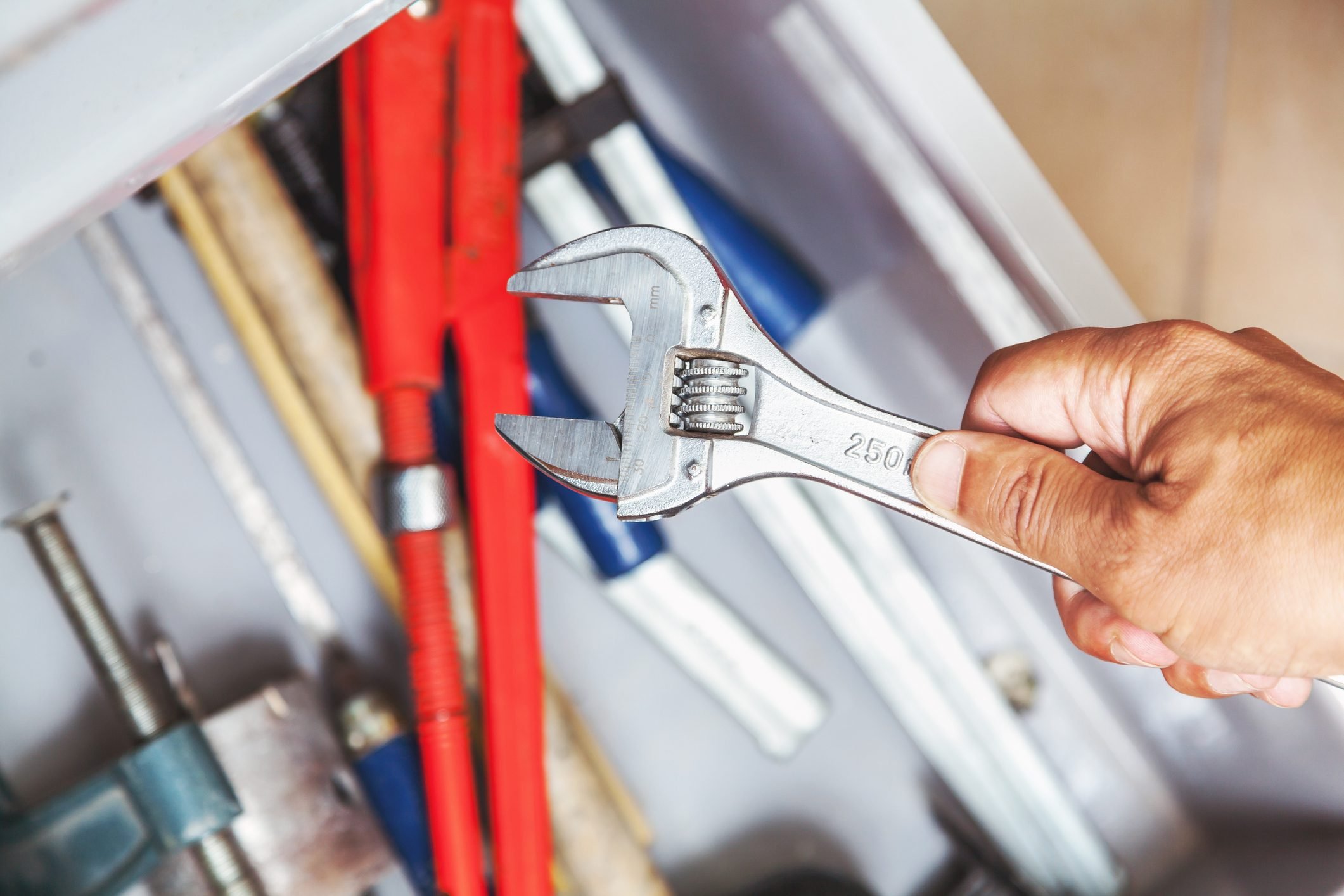
Adjustable pipe wrenches have jaws that open or close to fit pipe sizes. You turn a knob or screw to change the jaw width. This makes them versatile for many pipe sizes.
They have a strong grip on round pipes and can handle tight spaces. These wrenches are common in plumbing and pipe fitting jobs.
- Jaw size adjusts to fit different pipes
- Good for round and smooth pipes
- Used in plumbing and maintenance
Chain Pipe Wrenches
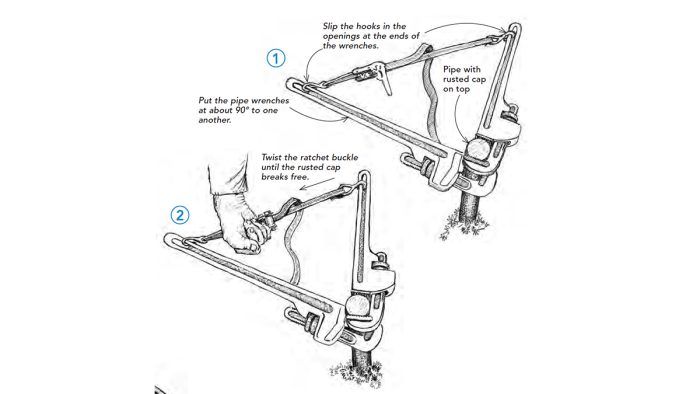
Chain pipe wrenches use a chain to grip pipes. The chain wraps around the pipe and locks in place. This helps hold pipes tightly, even if they are large or oily.
These wrenches work well on pipes with rough or irregular surfaces. They are useful when a normal wrench cannot get a good hold.
- Chain wraps around pipe for a strong grip
- Works on large or slippery pipes
- Good for rough or irregular pipe shapes
End Pipe Wrenches
End pipe wrenches have a fixed jaw and a long handle. They grip pipes by pressing the jaw against the pipe end. This design is simple but strong.
They work best on pipes with flat ends or fittings. These wrenches are often used in tight spaces where other wrenches won’t fit well.
- Fixed jaw grips pipe ends firmly
- Long handle provides strong leverage
- Best for tight spaces and flat pipe ends
Credit: www.finehomebuilding.com
Choosing The Right Wrench Size
Selecting the correct pipe wrench size is important for safe and effective work. The right wrench fits the pipe without slipping.
Using the wrong size can damage the pipe or tool. This guide helps you pick the right wrench size for your job.
Measuring Pipe Diameter
To choose the right wrench, first measure the pipe diameter. This is the outside width of the pipe.
Use a tape measure or caliper to get an accurate size. Measure in inches or millimeters depending on your wrench system.
- Wrap the tape around the pipe to find the circumference
- Divide the circumference by 3.14 to get the diameter
- Round to the nearest standard pipe size
Matching Wrench To Job
Choose a wrench size that fits the pipe diameter. The wrench jaw should grip firmly without slipping.
Use larger wrenches for bigger pipes and more torque. Smaller wrenches work well in tight spaces or on small pipes.
- 6 to 8 inch wrenches for pipes up to 1 inch
- 10 to 14 inch wrenches for pipes 1 to 2 inches
- 18 inch and larger wrenches for pipes over 2 inches
Preparing For The Job
Using a pipe wrench safely starts with good preparation. Getting ready helps you work faster and avoid accidents.
Before you begin, gather all tools and safety gear. Also, check the condition of your wrench.
Gathering Tools And Safety Gear
Having the right tools and safety equipment is important. It keeps you safe and makes the job easier.
- Pipe wrench of the correct size
- Gloves to protect your hands
- Safety glasses to shield your eyes
- Work boots with good grip
- Rags or cloth for cleaning
- Pipe thread sealant or tape if needed
Inspecting The Wrench
Check your pipe wrench before use. Look for damage that could cause problems.
| Part | What to Check | Why It Matters |
| Jaw Teeth | Sharp and not worn down | Good grip on pipes |
| Adjusting Nut | Moves smoothly | Easy to set correct size |
| Handle | Free of cracks or bends | Safe to hold and apply force |
| Spring (if any) | Works properly | Keeps jaw in place |
Proper Grip And Positioning
Using a pipe wrench correctly helps you work safely and efficiently. Holding it the right way reduces the chance of slipping.
Good positioning gives you more power and control. It also protects the pipe and your hands from damage.
Adjusting Jaw Width
Adjust the jaw width to fit the pipe size. The wrench grips better when the jaws are close to the pipe.
Turn the knurled knob to open or close the jaws. The jaws should touch the pipe firmly but not squeeze too hard.
- Open the jaws wider than the pipe diameter
- Place the wrench on the pipe
- Turn the knob to tighten the jaws around the pipe
- Check that the jaws grip evenly on both sides
Aligning The Wrench Correctly
Position the wrench so the jaws face the direction you want to turn the pipe. This ensures a strong grip during use.
Hold the wrench handle at a comfortable angle. Your hand should pull the handle toward you, not push it away.
- Place the wrench jaws fully on the pipe
- Align the wrench so the teeth bite into the pipe surface
- Hold the handle so you can pull it smoothly
- Avoid angles that may cause slipping or damage
Effective Turning Techniques
Using a pipe wrench properly makes turning pipes easier and safer. Good techniques help you avoid damage and slips.
This guide covers how to apply steady pressure and prevent slipping while using a pipe wrench.
Applying Steady Pressure
Hold the wrench firmly and pull it slowly to turn the pipe. Avoid sudden moves that can cause the wrench to slip.
- Grip the wrench handle near the end for better leverage.
- Apply force smoothly and steadily.
- Adjust the wrench jaws to fit tightly around the pipe.
- Pull the wrench toward you rather than pushing it away.
Avoiding Slips And Damage
Slips can damage the pipe or cause injury. Use the right wrench size and check the teeth before use.
| Tip | Action | Benefit |
| Correct Size | Match wrench to pipe diameter | Prevents slipping and damage |
| Jaw Teeth | Clean and inspect before use | Improves grip on pipe |
| Handle Control | Keep hands dry and firm | Reduces chance of slipping |
Maintenance And Care
Taking care of your pipe wrench helps it last longer. Regular maintenance keeps it working well.
Cleaning and lubricating are key tasks to protect your tool from damage and rust.
Cleaning After Use
Always clean your pipe wrench after each use. Dirt and grease can cause it to wear out faster.
Use a wire brush or cloth to remove dirt from teeth and joints. Wipe the handle and metal parts clean.
- Remove debris from the gripping jaws
- Wipe off oil and dirt from the handle
- Check for any stuck particles and clean them out
Lubricating Moving Parts
Lubricate the wrench’s moving parts to keep it working smoothly. It prevents rust and stiffness.
Apply a few drops of machine oil to the adjustment nut and the pivot points. Move the parts to spread the oil evenly.
- Use light machine oil or a spray lubricant
- Oil the adjustment screw and pivot joints
- Wipe off excess oil to avoid dirt buildup
Common Mistakes To Avoid
Using a pipe wrench might seem easy, but many people make mistakes. These errors can damage pipes or tools.
Knowing what to avoid helps you use the wrench safely and correctly every time.
Over-tightening Pipes
Applying too much force can break or crack pipes. Tightening more than needed can cause leaks later.
Stop turning the wrench once the pipe feels secure. Avoid using extra strength to force a tighter fit.
- Use steady pressure, not hard force
- Check pipe tightness often
- Replace worn pipes instead of over-tightening
Using The Wrong Wrench Type
A pipe wrench is made for gripping round pipes. Using it on flat or delicate parts can cause damage.
Choose the right wrench for your task. Using the wrong tool can hurt the pipe or the wrench itself.
- Use adjustable wrenches for nuts and bolts
- Use pipe wrenches only on round pipes
- Match wrench size to pipe diameter
Credit: abascotools.com
Frequently Asked Questions
What Is A Pipe Wrench Used For?
A pipe wrench is used to grip and turn pipes or circular objects. It provides strong leverage for plumbing tasks.
How Do You Adjust A Pipe Wrench?
Turn the knurled knob to open or close the wrench’s jaws. Adjust it to fit the pipe size securely.
Can A Pipe Wrench Damage Pipes?
Yes, excessive force or incorrect use can damage pipes. Use the right size and avoid overtightening to prevent damage.
What Materials Are Pipe Wrenches Made Of?
Pipe wrenches are typically made from cast iron or steel. These materials provide durability and strength for heavy-duty use.
Conclusion
Understanding how to use a pipe wrench is essential. It makes plumbing tasks easier. With practice, you’ll gain confidence. Remember to adjust the wrench properly. This prevents slipping and damage. Safety is crucial, so wear protective gear. Keep your tools clean and well-maintained.
This ensures longevity and efficiency. Troubleshooting becomes simpler with the right technique. Always choose the correct size for the job. This avoids unnecessary strain. Now, you’re ready to tackle plumbing challenges. Happy wrenching!