Are you struggling to work with soft wood without leaving dents or marks? Using a mallet might seem simple, but if you don’t use it right, your project can quickly lose its charm.
Imagine finishing your woodwork perfectly smooth and damage-free every time. You’ll discover easy and effective tips that help you handle a mallet with soft wood like a pro. Keep reading, and you’ll learn how to protect your work and get the best results with minimal effort.

Credit: www.reddit.com
Choosing The Right Mallet
Using a mallet with soft wood requires care to avoid damage. Picking the right mallet helps you work safely and effectively.
Different mallets suit different tasks. The right choice depends on the wood and the job you have.
Types Of Mallets For Soft Wood
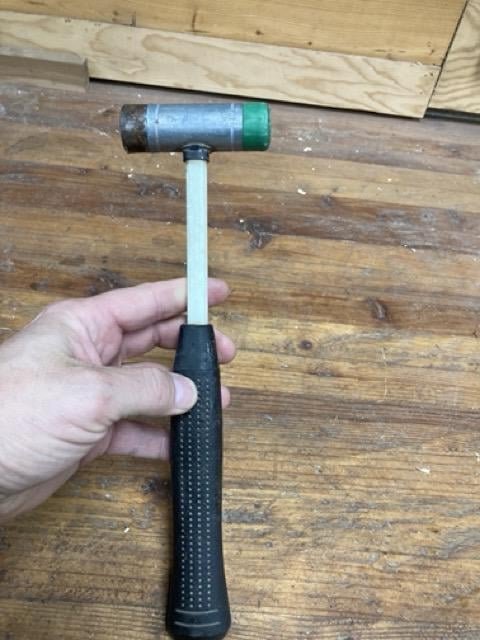
Soft wood needs gentle force to avoid dents or marks. Wooden and rubber mallets work well with soft wood.
- Wooden Mallets:Offer smooth strikes and less damage.
- Rubber Mallets:Absorb shock and prevent wood marks.
- Rawhide Mallets:Soft heads that reduce marring.
Material Considerations
The mallet’s head material affects how it hits the wood. Softer materials protect soft wood better.
- Wood:Traditional choice; gentle on soft wood.
- Rubber:Flexible and less likely to leave marks.
- Rawhide:Soft and durable for delicate work.
- Plastic:Good for light tapping without damage.
Size And Weight Selection
Choose a mallet size and weight that feels comfortable. Too heavy can damage wood; too light may not work well.
- Smaller mallets give better control for fine work.
- Medium weight is best for general soft wood tasks.
- Heavier mallets risk denting or splitting soft wood.
- Try different sizes to find what fits your hand well.
Credit: www.lorddecor.com
Preparing Soft Wood For Mallet Use
Using a mallet on soft wood needs careful preparation. Soft wood can dent or split if not handled right.
Preparing the wood helps protect it and makes your work easier. Follow these tips before you start.
Checking Wood Grain And Texture
Look closely at the wood grain and texture before you use a mallet. Soft wood can have weak spots.
Check if the grain runs straight and if the surface feels smooth or rough. This helps you avoid damage.
- Straight grain is stronger and less likely to split
- Rough texture may need sanding to protect the wood
- Watch for knots or cracks that can break easily
Marking And Measuring
Mark your wood clearly before using the mallet. Accurate marks guide your work and prevent mistakes.
Use a pencil or a fine marker for clear lines. Measure twice to be sure your marks are correct.
- Use a ruler or tape measure for exact lines
- Draw light marks to avoid deep scratches
- Mark all edges to keep your work neat
Securing The Wood
Hold the wood firmly before striking it with a mallet. Moving wood can cause accidents or damage.
Use clamps or a workbench to keep the wood steady. This gives you better control and safety.
- Clamp the wood at both ends for stability
- Check clamps do not dent the soft wood
- Place a soft pad under clamps if needed
Proper Striking Techniques
Using a mallet with soft wood needs care and skill. Striking the wood properly helps avoid dents and splits.
Good technique protects the wood and makes your work easier. Focus on how you hit and control the force.
Angle And Force Control
Hold the mallet so it strikes the wood at a slight angle. This spreads the force and reduces damage.
- Keep your wrist firm but not stiff
- Use smooth, controlled swings instead of hard, fast hits
- Adjust force based on wood softness and project needs
- Strike near the edge for small taps and in the center for stronger hits
Avoiding Damage To Wood
Soft wood is easy to dent or crack. Use gentle strikes and watch the wood carefully.
| Common Damage | How to Avoid |
| Dents | Strike with less force and check angle |
| Splits | Use mallet edges carefully and avoid sharp hits |
| Surface Marks | Use a wood block between mallet and wood if needed |
Maintaining Consistent Hits
Consistent hits create smooth results. Practice steady swings and use your body weight evenly.
Tips for steady hits:
- Stand with feet shoulder-width apart
- Keep eyes on the target spot
- Relax shoulders and arms
- Use your elbow to guide the mallet swing
Maintaining Your Mallet
Keeping your mallet in good shape helps it work well for soft wood. Regular care stops damage and extends its life.
Follow simple steps after using your mallet to keep it clean and ready for the next job.
Cleaning After Use
Remove dirt and wood chips from your mallet after each use. This keeps the tool safe from damage and rust.
- Wipe the mallet head and handle with a dry cloth.
- Use a soft brush to clear any stuck debris.
- For sticky residue, dampen the cloth slightly and wipe gently.
- Dry the mallet fully before storing.
Inspecting For Wear
Look over your mallet regularly to catch any signs of damage early. This helps keep your work safe and accurate.
| Part | What to Check | Action if Worn |
| Head | Cracks or dents | Smooth small dents, replace if cracked |
| Handle | Splits or loose fit | Tighten or replace handle |
| Surface | Rough spots | Sand lightly to smooth |
Storage Tips
Store your mallet properly to protect it from moisture and damage. This keeps it ready and strong for future use.
- Keep the mallet in a dry place away from direct sunlight.
- Hang it or place it on a shelf to avoid pressure on the head.
- Do not store near chemicals or liquids that can cause damage.
- Use a tool rack or box to keep it organized and safe.
Common Mistakes To Avoid
Using a mallet with soft wood needs care. Avoiding mistakes keeps the wood safe and the work clean.
Some errors can damage the wood or your tools. Learn what to watch out for to work better and faster.
Overstriking And Splintering
Hitting too hard or missing the target can cause overstriking. This hurts the wood and makes splinters.
- Do not hit the wood with too much force.
- Aim carefully to avoid hitting the surface below the wood.
- Use controlled swings to reduce damage.
- Check your angle to keep strikes clean and precise.
Using Incorrect Mallet Types
| Mallet Type | Use with Soft Wood? | Reason |
|---|---|---|
| Wooden Mallet | Yes | Gentle on soft wood and reduces damage |
| Rubber Mallet | Yes | Absorbs shock and prevents marks |
| Metal Hammer | No | Can dent or crush soft wood easily |
| Plastic Mallet | Sometimes | Depends on hardness; choose soft plastic for wood |
Ignoring Wood Condition
Soft wood can be fragile if dry, cracked, or wet. Ignoring these conditions causes problems when using a mallet.
- Check for cracks or splits before working.
- Do not use mallets on wet wood as it can dent easily.
- Moist wood may need drying to avoid damage.
- Handle wood gently if it feels weak or brittle.

Credit: www.reddit.com
Advanced Tips For Precision
Using a mallet with soft wood requires control and care. Precision helps avoid damaging the wood. This guide offers advanced tips to improve your technique.
Focus on how you use the mallet with chisels, control the impact, and adjust your approach for different soft woods. These steps will help you achieve fine, clean results.
Using Mallet With Chisels
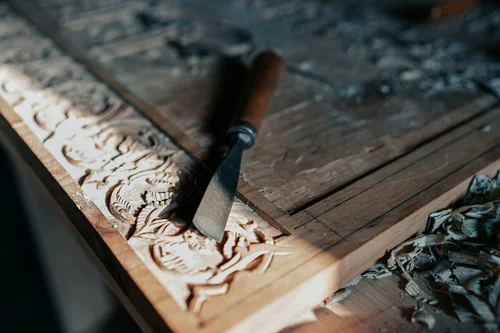
Hold the chisel firmly but not too tight. Strike the mallet on the chisel’s handle squarely to avoid slipping. Keep your wrist steady and use smooth, controlled hits.
- Use a mallet with a wooden or rubber head to reduce marks on soft wood.
- Tap lightly at first to test the wood’s reaction.
- Adjust the force based on the chisel size and wood hardness.
- Keep chisels sharp for cleaner cuts and less force needed.
Controlling Impact For Fine Work
Fine work needs gentle taps instead of hard hits. Control the impact by using your elbow and shoulder, not just your wrist. This method gives better precision and less damage.
| Impact Level | Use Case | Tip |
|---|---|---|
| Light Taps | Detail carving, finishing touches | Use soft mallet head and slow strikes |
| Medium Hits | Shaping soft wood, general cuts | Strike with steady force and control |
| Strong Blows | Rough shaping, harder areas | Use firm grip and full arm motion |
Adapting Techniques For Different Soft Woods
Each soft wood reacts differently to mallet strikes. Adjust your technique based on wood type and grain to keep precision high.
| Wood Type | Characteristic | Technique Tip |
|---|---|---|
| Pine | Soft, tends to dent easily | Use light taps with a rubber mallet head |
| Cedar | Soft but fibrous grain | Chisel along the grain, reduce force to avoid splintering |
| Basswood | Very soft, smooth grain | Use steady, gentle strikes for clean cuts |
| Spruce | Soft but prone to tear-out | Keep chisels sharp and strike lightly |
Frequently Asked Questions
What Type Of Mallet Is Best For Soft Wood?
A rubber or rawhide mallet is ideal for soft wood. It prevents dents and absorbs impact. Avoid metal mallets to protect wood surface. Choose a mallet with a comfortable grip for better control.
How Do I Avoid Damaging Soft Wood With A Mallet?
Use gentle, controlled strikes to prevent damage. Always test on scrap wood first. Keep the mallet face clean and smooth. Avoid excessive force to maintain wood integrity.
Can I Use A Regular Hammer Instead Of A Mallet?
No, a regular hammer can damage soft wood. Mallets distribute force evenly and reduce surface marks. For soft wood, always prefer a mallet to protect the material.
How To Maintain A Mallet For Woodworking?
Clean the mallet after each use with a dry cloth. Store in a dry place to avoid warping. Inspect regularly for cracks or wear. Replace the mallet if damaged to ensure safety and efficiency.
Conclusion
Using a mallet with soft wood requires care and precision. Soft wood can dent easily. Always choose the right mallet for your task. A rubber mallet works well with soft wood. It reduces the risk of damage. Tap gently and increase force as needed.
This prevents splitting. Practice makes perfect. With time, you’ll gain confidence. Always prioritize safety. Wear protective gear like gloves and goggles. Keep your workspace tidy. This helps prevent accidents. Follow these tips for better results. You’ll handle soft wood like a pro.