Are you ready to make sure your cabinets look perfect and stay sturdy for years? Using a level might seem simple, but mastering this tool can save you from costly mistakes and frustration.
Whether you’re installing new cabinets or fixing old ones, knowing the right tips will help you get the job done quickly and smoothly. Keep reading, and you’ll discover easy ways to use a level that even beginners can follow—so your cabinets will always be straight, balanced, and professional-looking.
Choosing The Right Level
Using a level helps to install cabinets straight and even. Picking the right level makes your work easier and more accurate.
This guide covers types of levels for cabinet installation and key features to look for before buying one.
Types Of Levels For Cabinet Installation
There are several types of levels used for cabinet work. Each type fits different needs and budgets.
- Spirit Level:Uses liquid and bubble vials to show level or plumb. Good for most cabinet jobs.
- Laser Level:Projects a laser line on the wall. Ideal for long cabinets and perfect alignment.
- Digital Level:Shows exact angle on a screen. Useful for precise leveling and angle checks.
- Torpedo Level:Small and handy for tight spaces, like inside cabinets or corners.
Features To Consider
| Feature | Why It Matters | What to Look For |
|---|---|---|
| Length | Longer levels cover more surface and reduce errors | Choose 24 inches or longer for cabinets |
| Accuracy | Ensures cabinets are perfectly level and plumb | Look for levels with at least 0.5mm/m accuracy |
| Durability | Withstands drops and job site wear | Aluminum or sturdy plastic body |
| Ease of Reading | Quickly see if level is correct | Clear vials or bright digital screens |
| Additional Tools | Extra features help with complex jobs | Magnets, laser pointers, or angle finders |
Preparing The Workspace
Using a level for cabinets needs a clean and clear workspace. This helps to get accurate measurements and install cabinets evenly.
Before starting, prepare the area by removing obstacles and checking surfaces. This makes the job easier and safer.
Clearing And Cleaning The Area
Clear the workspace by moving furniture and other items away from where you will work. Clean the area to avoid dust and dirt that may affect the level’s reading.
- Remove all loose objects near the cabinet area
- Sweep or vacuum the floor to remove dust
- Wipe down walls and countertops to clear dirt
- Ensure good lighting to see measurements clearly
Checking Wall And Floor Surfaces
Check the walls and floors where cabinets will be installed. Look for uneven spots or damage that can affect cabinet alignment.
| Surface Type | What to Check | Action Needed |
| Wall | Plumb and flat surface | Use shims or patch uneven spots |
| Floor | Level and stable base | Fill holes or level low areas |
| Backsplash | Clean and even area | Clean or repair as needed |
Setting Up The Level
Using a level is important to make sure your cabinets are straight. Setting up the level correctly helps avoid mistakes.
This guide shows how to prepare your level before you start measuring and installing cabinets.
Calibrating Your Level
Check if your level shows the right reading before use. Place it on a flat surface and see if the bubble is centered.
If the bubble is off, adjust the level or use a different one. Calibration ensures your measurements are correct.
- Find a flat, even surface for testing
- Place the level on the surface and note the bubble position
- Flip the level 180 degrees and check the bubble again
- The bubble should be in the same spot both times
- If not, the level needs adjustment or replacement
Positioning For Accuracy
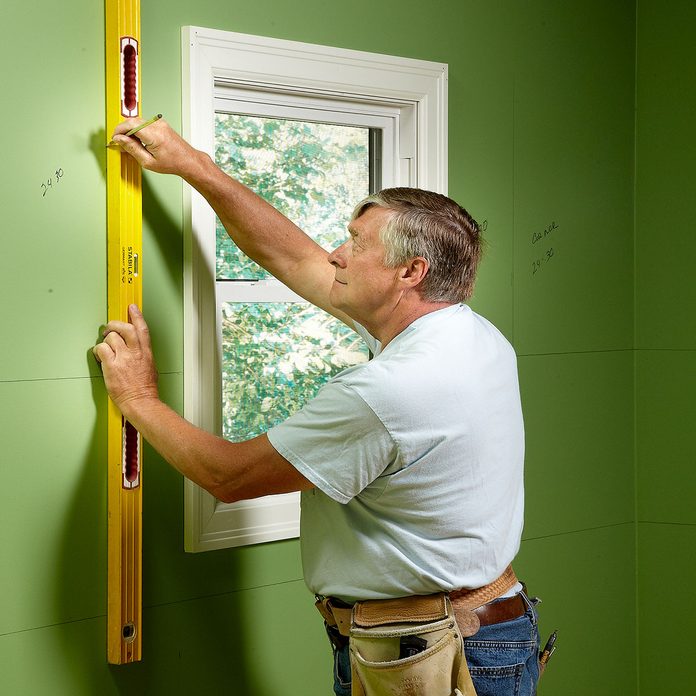
Hold the level firmly against the cabinet or wall. Make sure it does not wobble or tilt during measurement.
Place the level where you want to check the straightness. Use the longest side of the level for better accuracy.
- Hold the level steady and flat against the cabinet surface
- Use the level’s longest edge for more precise reading
- Check the bubble carefully to see if it is centered
- Adjust the cabinet if the bubble is off-center
Credit: www.familyhandyman.com
Aligning Cabinets Horizontally
Aligning cabinets horizontally is key for a clean kitchen look. Cabinets that are uneven can cause gaps and make your space look unprofessional.
Using a level helps ensure your cabinets sit perfectly straight. This guide shows how to use a level for good horizontal alignment.
Using The Bubble For Leveling
The bubble in a level shows if your cabinets are even. When the bubble is centered, the surface is perfectly horizontal.
Place the level on top of the cabinet frame. Check the bubble’s position carefully before fixing the cabinet in place.
- Put the level flat on the cabinet top
- Look at the bubble inside the vial
- Bubble centered means cabinet is level
- If bubble is off, adjust cabinet height
- Double-check after adjusting
Adjusting Cabinet Placement
Adjusting cabinet placement is simple with a level. Raise or lower the cabinet until the bubble is centered.
Use shims under the cabinet base to make small height changes. Tighten screws only after the cabinet is level.
- Lift cabinet slightly to add shims
- Place shims evenly for support
- Recheck level after adding shims
- Secure cabinet once level is perfect
Ensuring Vertical Alignment
Using a level is important for installing cabinets properly. It helps keep cabinets straight and balanced.
Vertical alignment stops cabinets from leaning or looking uneven. This makes your kitchen or room look neat.
Plumb Checks On Cabinet Sides
Check the cabinet sides with a level to make sure they stand straight up. Hold the level against the side of the cabinet.
Look at the bubble in the level. If it is centered, the side is plumb. If not, the cabinet side is tilted.
- Place the level vertically on each cabinet side.
- Check the bubble in the level vial.
- Adjust the cabinet if the bubble is off-center.
Correcting Tilt And Gaps
If you find tilt or gaps, fix them before securing the cabinet. Small shims can help adjust the position.
Use the level again after adjusting to make sure the cabinet is straight and fits tightly with other cabinets.
- Insert shims behind cabinet sides to correct tilt.
- Check vertical alignment with the level after each shim adjustment.
- Fill small gaps with wood filler or trim pieces after leveling.
- Tighten screws only when the cabinet is properly aligned.

Credit: pbphomerepair.com
Securing Cabinets In Place
Using a level helps keep cabinets straight and even. It makes sure they look good and work well.
Securing cabinets tightly stops them from moving after installation. It keeps everything safe and solid.
Fastening Without Shifting
Hold the cabinet firmly while fastening screws. This stops the cabinet from moving out of place.
Use clamps if you can. They help keep the cabinet steady during the process.
- Check the level before tightening screws
- Tighten screws slowly and evenly
- Use clamps to hold cabinets in place
Double-checking Alignment
After securing, check the level again. This makes sure the cabinet is still straight.
Look at the cabinet from different angles. This helps you spot any tilt or uneven spots.
- Use the level on top and sides
- Stand back to view overall alignment
- Adjust screws if needed before final tightening
Advanced Tips And Tricks
Using a level helps make cabinets straight and sturdy. Some advanced tips improve your work quality. These tips save time and avoid mistakes.
Try new tools and methods to get better results. These tricks help with tricky walls and precise measurements.
Using Laser Levels For Precision
Laser levels give a bright line to guide cabinet installation. They work better than traditional bubble levels for long runs.
Set the laser level at a good height and make sure it is stable. Mark the laser line on the wall before fixing cabinets.
- Place the laser level on a tripod for steady projection
- Use the laser line to check cabinet alignment at eye level
- Double-check the laser line with a bubble level for accuracy
- Turn off the laser when not needed to save battery
Working With Uneven Walls
Uneven walls make cabinets hard to level. Use shims behind cabinets to adjust gaps and keep them straight.
Measure wall irregularities before installation. Mark the highest and lowest points to plan where shims go.
- Find the flat reference point on the wall using a level
- Place shims behind cabinet edges that do not touch the wall
- Check cabinet level again after shimming
- Secure cabinets firmly once they are level and flush
Common Mistakes To Avoid
Using a level helps make sure your cabinets are straight. Mistakes can cause uneven cabinets and problems later.
Here are two common mistakes to avoid when using a level for cabinets.
Ignoring Level Calibration
Levels can lose accuracy over time. Ignoring calibration leads to wrong measurements.
Check your level on a flat surface before starting. Adjust or replace it if needed.
- Test your level by placing it on a known flat surface.
- Flip the level 180 degrees and check if the bubble stays centered.
- If the bubble moves, the level is not calibrated.
- Use a properly calibrated level for best results.
Rushing The Alignment Process
Hurrying can cause mistakes in cabinet placement. Take your time for accurate leveling.
Slowly adjust the cabinet until the level shows it is even. Double-check before fixing it in place.
- Place the level on different parts of the cabinet.
- Make small adjustments and check the bubble each time.
- Ensure the cabinet is level front to back and side to side.
- Confirm the final position before securing the cabinet.

Credit: pbphomerepair.com
Frequently Asked Questions
How Do I Use A Level For Cabinet Installation?
Place the level on the cabinet surface and adjust until the bubble is centered. This ensures cabinets are perfectly horizontal or vertical during installation.
Why Is Leveling Cabinets Important?
Leveling cabinets prevents uneven doors, misaligned shelves, and structural issues. It improves both function and appearance in your kitchen or workspace.
What Type Of Level Is Best For Cabinets?
A torpedo level or a small carpenter’s level is ideal. They are easy to handle and provide accurate readings for cabinet installation.
How Often Should I Check The Level During Installation?
Check the level frequently at each step. Regular checks ensure cabinets remain aligned and help avoid costly corrections later.
Conclusion
Mastering the use of a level ensures perfectly aligned cabinets. Proper alignment brings beauty and functionality to your space. Remember to check your level regularly. Accurate placement reduces future problems. Practice makes perfect. A little patience goes a long way.
Double-check for precision before securing the cabinet. This can prevent costly mistakes. Enjoy the satisfaction of a job well done. Happy cabinet leveling!