Cutting drywall might sound tricky, but with the right tool and a simple method, you can do it cleanly and quickly. If you’ve ever felt unsure about how to handle drywall cuts, this guide is made just for you.
By using a utility knife, you’ll learn how to make straight, precise cuts without wasting material or making a mess. Keep reading, and you’ll discover easy steps that save you time and effort on your next project. Your drywall work will look sharper, and you’ll feel more confident every step of the way.

Credit: www.ebay.ca
Tools Needed
Cutting drywall with a utility knife is simple with the right tools. Having the correct supplies makes the job easier and safer.
This guide covers the main tools you need to cut drywall cleanly and accurately.
Choosing The Right Utility Knife
Pick a utility knife with a sharp, replaceable blade. A sharp blade cuts drywall smoothly without tearing.
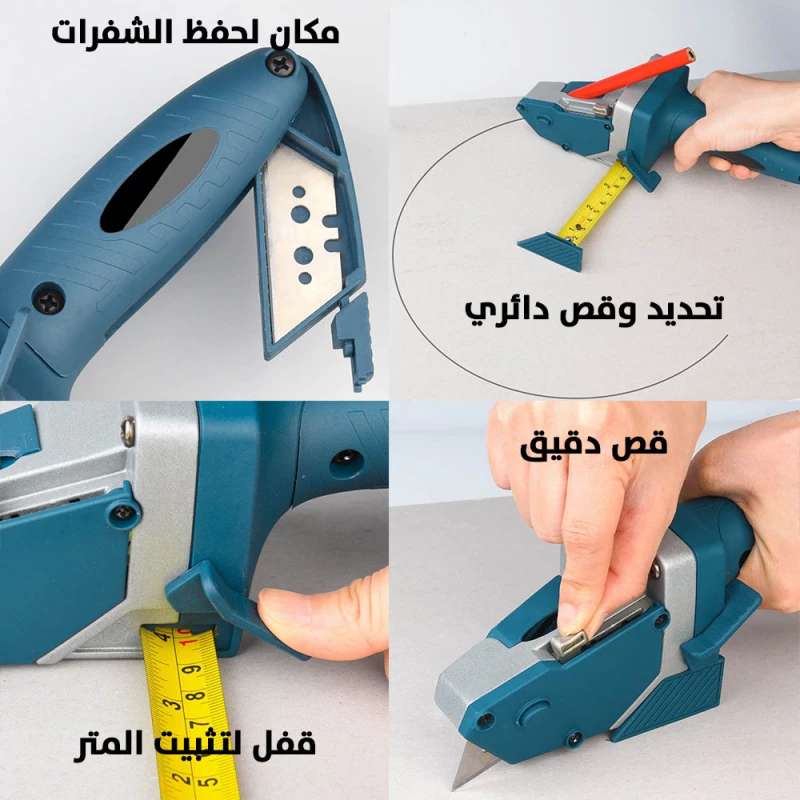
Look for a knife with a comfortable handle. It should be easy to grip for better control and safety.
- Retractable blade for safety
- Strong blade lock to prevent slipping
- Lightweight design for easy handling
- Easy blade replacement feature
Additional Supplies
Besides the utility knife, some extra tools help with measuring and finishing drywall cuts.
These supplies improve accuracy and make the cutting process faster.
- Measuring tape to mark cut lines
- Straightedge or metal ruler for guiding the knife
- Drywall saw for cutting curves or thick areas
- Dust mask to protect from drywall dust
- Gloves to protect your hands
Credit: www.dumyah.com
Preparing The Drywall
Cutting drywall with a utility knife needs good preparation. This helps you get clean, straight cuts safely.
Start by measuring and marking the drywall carefully. Then set up a proper surface to cut on.
Measuring And Marking
Use a tape measure to find the exact size you need. Mark the drywall clearly before cutting.
- Measure twice to avoid mistakes
- Use a pencil to make light marks
- Draw a straight line with a ruler or a straight edge
- Check the line from different angles
Setting Up A Cutting Surface
Choose a flat, stable surface to place the drywall on. This helps keep your cuts accurate and safe.
| Surface Type | Advantages | Notes |
|---|---|---|
| Work Table | Stable and at comfortable height | Use clamps to hold drywall |
| Floor | Large flat area | Protect floor with drop cloth |
| Sawhorses | Good for long sheets | Place a board across for support |
Cutting Techniques
Cutting drywall with a utility knife is simple if you know the right techniques. Proper cutting saves time and makes the job cleaner.
Using the right steps helps you cut drywall safely and accurately. Follow these methods to get good results.
Scoring The Drywall
Use a sharp utility knife to score the drywall surface. Press firmly and draw the knife along a straight edge. Score only the paper surface, not too deep.
Make sure the scored line is clear before moving to the next step. This line guides the break and keeps it straight.
Snapping The Board
After scoring, place your hands on each side of the line. Apply gentle pressure to snap the board cleanly along the score.
- Score the drywall surface with a utility knife.
- Hold the board firmly on both sides of the score.
- Press down to snap the drywall along the line.
- Lift the board to separate the pieces.
This method creates a clean break without cracking the paper on the opposite side.
Trimming Edges
After snapping, the edges may be rough or uneven. Use a utility knife or sanding block to trim and smooth the edges.
| Tool | Use |
|---|---|
| Utility Knife | Trim paper edges and small bumps |
| Sanding Block | Smooth rough edges for a clean finish |
| Drywall Rasp | Shape and smooth thick edges |
Safety Tips
Cutting drywall with a utility knife can be safe if you follow key safety steps. Taking precautions helps prevent injuries.
Always prepare yourself before starting the cutting process. Safety gear and careful handling are important.
Protective Gear
Wear the right gear to protect your eyes, hands, and lungs from dust and sharp edges.
- Safety glasses to shield your eyes from drywall dust and chips
- Work gloves to protect your hands from cuts and blisters
- A dust mask or respirator to avoid breathing in fine dust particles
- Long sleeves and pants to protect your skin from irritation
Proper Knife Handling
Use the utility knife carefully to reduce the risk of accidents. Follow these rules for safe handling.
| Safety Rule | Explanation |
| Keep blade sharp | A sharp blade cuts easily and requires less force, reducing slips. |
| Cut away from your body | Always direct the blade away from your hands and body to avoid injury. |
| Use a steady grip | Hold the knife firmly to maintain control during cutting. |
| Retract blade when not in use | Always retract the blade to prevent accidental cuts. |
| Replace dull blades promptly | Old blades can break or slip, causing harm. |
Troubleshooting Common Issues
Cutting drywall with a utility knife can be tricky. You may face problems like rough cuts or cracks.
Knowing how to fix these issues helps you get clean, smooth edges and strong drywall pieces.
Avoiding Rough Cuts
Rough cuts happen when the knife slips or the cut is uneven. This makes the drywall edge jagged and hard to fit.
To avoid rough cuts, score the drywall slowly and firmly. Use a straight edge to guide your knife for a clean line.
- Use a sharp utility knife blade to cut smoothly.
- Apply steady, even pressure along the cut line.
- Score the drywall more than once if needed for a clean break.
- Keep your straight edge tight against the drywall surface.
Fixing Breaks And Cracks
Breaks and cracks can weaken drywall and cause problems during installation. They often happen if the drywall is cut too fast or bent too much.
To fix these issues, smooth the edges with a drywall rasp or sandpaper. Patch any cracks with joint compound before painting or finishing.
- Use a drywall rasp to remove rough edges around breaks.
- Fill cracks with a small amount of joint compound.
- Let the compound dry fully, then sand smooth.
- Replace badly broken pieces if needed for strong walls.

Credit: remoteestimation.us
Finishing Touches
Cutting drywall with a utility knife is just the start. Finishing touches help your drywall look smooth and ready for painting.
Focus on sanding the edges and preparing the drywall for installation to get the best results.
Sanding Edges
After cutting drywall, sanding the edges smooths out rough spots. This step makes it easier to join pieces together without gaps.
- Use a sanding block or fine-grit sandpaper.
- Sand gently along the cut edges to avoid damaging the drywall face.
- Remove any dust with a dry cloth before moving on.
Preparing For Installation
Proper preparation ensures the drywall fits well and stays secure. Mark studs and check measurements before fixing drywall sheets.
| Preparation Step | Details |
|---|---|
| Mark Studs | Use a pencil to mark wall studs for nailing points. |
| Check Drywall Size | Measure and confirm drywall fits the space exactly. |
| Clear Work Area | Remove debris and ensure a clean surface for installation. |
Frequently Asked Questions
How Do You Score Drywall With A Utility Knife?
To score drywall, firmly hold the utility knife and draw it along a straight edge. Apply steady pressure to cut through the paper surface without damaging the core. This creates a clean, straight line for snapping the drywall.
What Is The Best Blade For Cutting Drywall?
A sharp, new utility knife blade works best for cutting drywall. It ensures clean cuts and reduces tearing. Replace blades often to maintain precision and safety during the cutting process.
Can You Cut Drywall Without A Straight Edge?
While a straight edge helps, you can cut drywall freehand by carefully guiding the utility knife. However, this may lead to uneven cuts. Using a straight edge ensures accuracy and cleaner results.
How Deep Should I Cut Drywall With A Utility Knife?
Cut just deep enough to slice through the paper facing of the drywall, usually about 1/8 inch. Avoid cutting too deep to prevent damaging the drywall core or underlying structures.
Conclusion
Cutting drywall with a utility knife is simple and effective. Follow the steps outlined for a clean cut. Remember, always prioritize safety while working. Sharp blades make the job easier. A steady hand ensures precision. Keep your workspace organized to avoid accidents.
A utility knife is a versatile tool for this task. Practice makes perfect, so don’t be discouraged. With time, you’ll gain confidence and skill. Your home projects will benefit from this handy technique. Happy drywall cutting!