If you want to work on your car like a pro, mastering the socket wrench is a must. This simple tool can make your repairs faster, easier, and less frustrating.
Whether you’re tightening bolts or loosening stubborn nuts, knowing how to use a socket wrench correctly will save you time and effort. In this guide, you’ll discover clear, step-by-step tips that anyone can follow—even if you’re new to automotive work.
Keep reading to unlock the secrets that will boost your confidence and help you get the job done right.
Choosing The Right Socket Wrench
A socket wrench is a key tool for automotive work. Picking the right one makes jobs easier and faster.
There are many types and sizes. Knowing which to use helps you fix cars safely and well.
Types Of Socket Wrenches
Socket wrenches come in different styles. Each style fits certain jobs better than others.
Here are common types used in automotive work:
- Ratchet wrench – turns sockets with a handle and gear mechanism
- Breaker bar – a long handle for more torque on tight bolts
- Torque wrench – measures how tight a bolt is turned
- Flex-head wrench – has a bendable joint for hard-to-reach places
Selecting Socket Sizes
Sockets come in many sizes to fit bolts and nuts. Using the right size prevents damage.
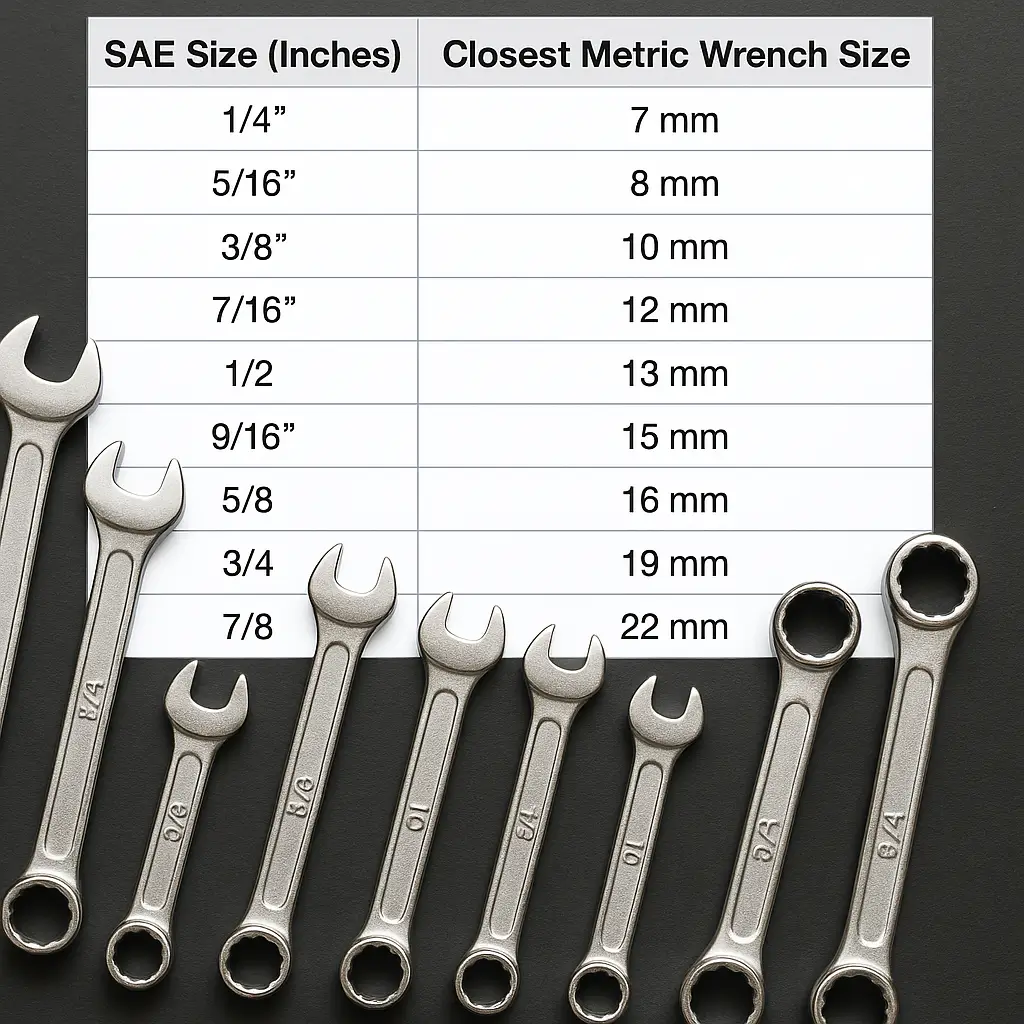
Measure the bolt or nut before choosing a socket. Sizes are in metric or standard units.
- Metric sizes use millimeters (e.g., 10mm, 13mm)
- Standard sizes use inches (e.g., 1/2 inch, 3/4 inch)
- Choose a socket that fits snugly without force
- A socket too big or small can strip the bolt head
Material And Durability
Socket wrenches must be strong to handle tough bolts. Look for durable materials.
Common materials include chrome vanadium and steel. These resist wear and rust.
- Chrome vanadium steel offers good strength and corrosion resistance
- Stainless steel sockets resist rust but can be softer
- Heat-treated sockets last longer under heavy use
- Check for a polished or coated finish to prevent corrosion

Credit: m.youtube.com
Basic Socket Wrench Components
A socket wrench is a useful tool in automotive work. It helps tighten or loosen nuts and bolts quickly.
Understanding its main parts makes it easier to use the tool correctly and safely.
Handle And Ratchet Mechanism
The handle gives you grip and control over the wrench. It is usually long to give better leverage.
The ratchet mechanism allows you to turn a bolt without removing the wrench. It moves in one direction and locks in the other.
- Handle: provides grip and strength
- Ratchet: makes turning easier and faster
- Switch on ratchet changes turning direction
Socket Attachments
Sockets fit onto the wrench handle. They come in different sizes to match nuts or bolts.
Using the right socket size prevents damage to the bolt and makes work easier.
- Hex sockets fit six-sided bolts
- Torx sockets fit star-shaped bolts
- Deep sockets reach recessed bolts
Extensions And Adapters
Extensions add length between the handle and socket. They help reach bolts in tight spaces.
Adapters change the drive size to fit different socket sizes or types.
- Extensions: reach bolts in hard spots
- Adapters: fit sockets with different drive sizes
- Universal joints help access angled bolts
Preparing For Socket Wrench Use
Using a socket wrench correctly starts with good preparation. This guide helps you get ready before you begin.
Proper steps keep you safe and make your work easier. Read each section carefully.
Safety Precautions
Wear safety glasses to protect your eyes from debris. Gloves can help protect your hands from cuts and burns.
- Work in a well-lit area to see clearly.
- Keep your clothing tight to avoid getting caught.
- Use tools that fit the fasteners properly to avoid slips.
- Do not apply excessive force; this can cause injury.
Inspecting Tools And Fasteners
Check your socket wrench and sockets for damage before use. Look for cracks or worn areas that could fail.
| Tool | What to Check |
| Socket Wrench | Handle grip, ratchet mechanism, and drive size |
| Sockets | Fit size, cracks, and wear on the edges |
| Fasteners | Condition of nuts or bolts, no rust or damage |
Clearing The Work Area
Make sure your workspace is clean and free of clutter. This prevents accidents and helps you find tools quickly.
- Remove any loose objects or debris around your work area.
- Keep tools organized on a tray or tool belt.
- Ensure the vehicle is stable and securely parked.
- Have a clear path to move safely.
Proper Techniques For Socket Wrench Use
Using a socket wrench correctly helps you work faster and safer on cars. It also prevents damage to bolts and tools.
Follow these techniques to get the best results from your socket wrench in automotive tasks.
Attaching Sockets Securely
Make sure the socket fits tightly on the wrench. A loose socket can slip and damage the bolt or tool.
Push the socket onto the wrench until you hear a click. This sound shows it is locked in place.
- Choose the right socket size for the bolt
- Check if the socket snaps firmly on the wrench
- Replace worn sockets to avoid slipping
Applying Correct Torque
Use the right force to tighten or loosen bolts. Too much force can strip bolts or break parts.
Turn the wrench smoothly and steadily. Stop when the bolt feels tight but not forced.
- Use a torque wrench for precise tightening
- Follow vehicle manufacturer torque specs
- Avoid sudden jerks or fast turns
Using Extensions And Adapters Effectively
Extensions help reach bolts in tight spaces. Adapters change socket sizes for different bolts.
Attach extensions and adapters firmly to avoid slipping or losing parts during use.
- Select the correct length extension for the job
- Use adapters only if socket and wrench sizes differ
- Keep all parts tight and secure before applying force
Common Automotive Applications
A socket wrench is a key tool in car repair. It helps remove and tighten bolts fast and safely.
This guide covers how to use a socket wrench for common tasks in automotive work.
Removing And Installing Bolts
Socket wrenches fit over bolt heads to turn them easily. This makes bolt removal and installation faster.
Use the right socket size to avoid stripping bolts. Turn the wrench handle smoothly for best results.
- Choose the correct socket size
- Attach the socket firmly to the wrench
- Turn bolts counterclockwise to loosen
- Turn bolts clockwise to tighten
Working In Tight Spaces
Cars have many small areas where bolts are hard to reach. A socket wrench helps work in these tight spots.
Use a ratchet handle with a flexible head or extension bars. These tools reach bolts in narrow spaces.
- Use a short handle for small spaces
- Try flexible or pivoting heads
- Add extension bars for deep bolts
- Work slowly to avoid slipping
Handling Stubborn Fasteners
Some bolts are stuck from rust or tight fitting. A socket wrench can help loosen these stubborn fasteners.
Apply steady force without forcing the wrench. Use penetrating oil to help free rusty bolts before turning.
- Spray penetrating oil on rusty bolts
- Let oil soak before trying again
- Use slow, steady pressure
- Try a breaker bar for extra torque

Credit: www.youtube.com
Maintaining Your Socket Wrench
Keeping your socket wrench in good shape helps it last longer. Regular care makes your tool work smoothly every time.
Simple maintenance steps can prevent damage and save you money on replacements. Let’s explore how to care for your socket wrench.
Cleaning And Lubrication
Clean your socket wrench after each use to remove dirt and grease. Dirt buildup can cause parts to stick or wear out faster.
Use a cloth and mild cleaner to wipe the tool. Avoid soaking it in water to prevent rust.
- Wipe off dirt and grease with a clean cloth
- Apply a few drops of light machine oil on moving parts
- Work the wrench to spread the oil evenly
- Remove excess oil to avoid dust buildup
Storage Tips
Store your socket wrench in a dry place to stop rust from forming. Moisture can damage metal parts and reduce tool life.
Keep the wrench in a toolbox or a drawer with padding. This protects it from drops and scratches.
- Use a tool box or drawer for storage
- Keep the wrench dry and away from moisture
- Avoid storing with heavy tools that can cause damage
- Organize sockets and accessories separately
Troubleshooting Common Issues
If your socket wrench jams or feels stiff, clean and lubricate it first. Dirt inside can block movement.
Check for worn or broken parts if problems continue. Replacing damaged parts keeps the wrench working well.
- Clean and lubricate moving parts regularly
- Check for cracks or worn teeth on the wrench
- Replace damaged sockets or parts promptly
- Tighten loose screws or pins
Advanced Socket Wrench Tips
Using a socket wrench correctly can save time and prevent damage. Advanced tips help you work smarter and more safely on your vehicle.
This guide covers torque wrenches, customizing your socket set, and using accessories for better efficiency.
Using Torque Wrenches For Precision
Torque wrenches apply the exact force needed on bolts. This keeps parts secure and avoids stripping threads. Always set the torque wrench to the manufacturer’s specs.
Use a slow, steady pull on the wrench handle. Stop once you hear a click or feel a release. Check torque values with a chart to match the fastener size.
| Bolt Size | Torque Range (ft-lbs) |
| 1/4 inch | 6 – 12 |
| 3/8 inch | 20 – 30 |
| 1/2 inch | 55 – 75 |
| 5/8 inch | 90 – 120 |
Customizing Your Socket Set
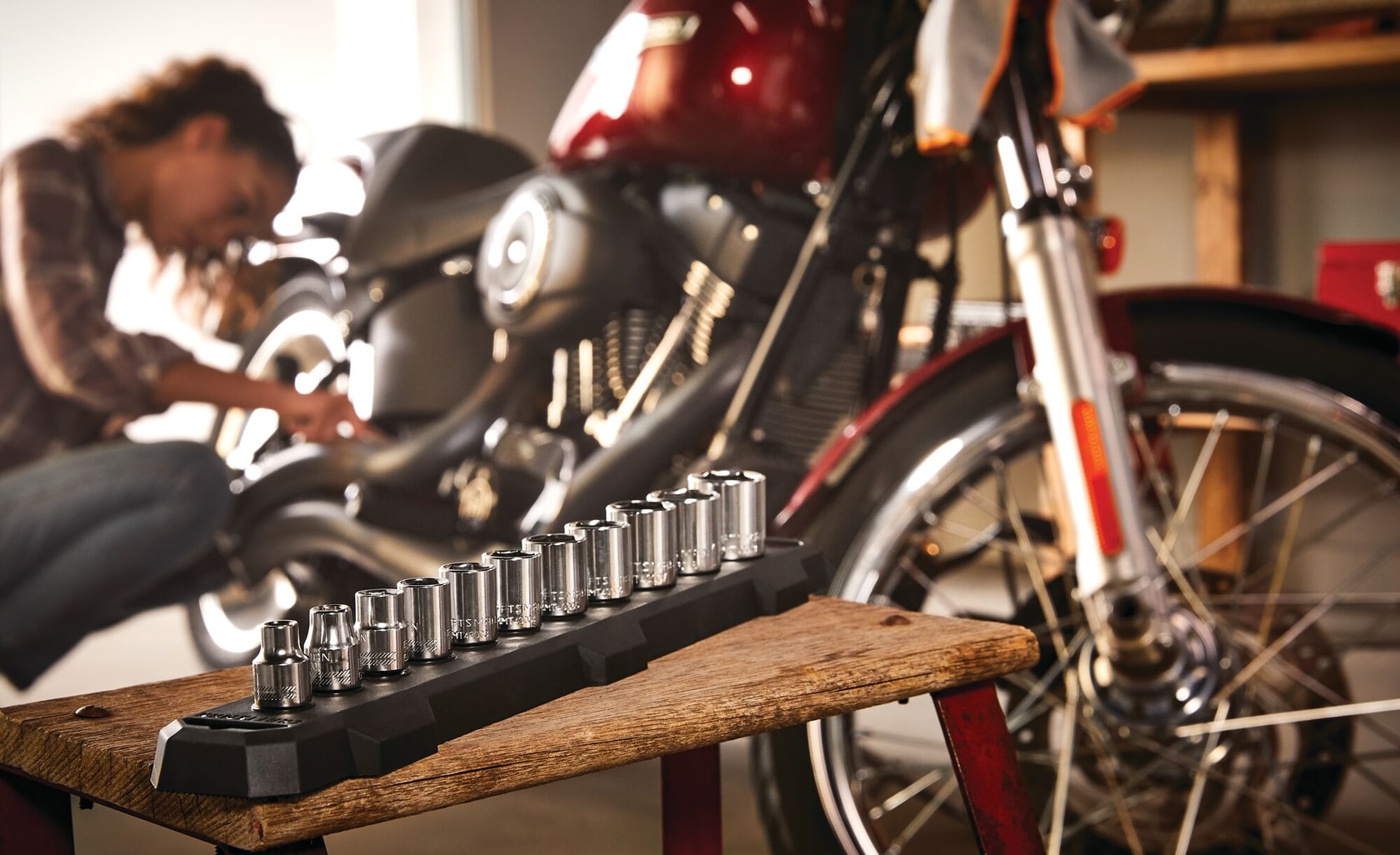
Build a socket set that fits your automotive tasks. Include common sizes and types like deep sockets and impact sockets. Keep your set organized for easy access.
- Choose metric and standard sockets
- Include different drive sizes: 1/4″, 3/8″, and 1/2″
- Add extensions for hard-to-reach bolts
- Use universal joints for angled turns
- Label sockets by size to speed up work
Improving Efficiency With Accessories
Accessories can make socket wrench work faster and easier. Use tools designed to improve grip and reach.
| Accessory | Use |
|---|---|
| Socket Extender | Reach bolts in tight spaces |
| Swivel Adapter | Work at odd angles |
| Breaker Bar | Apply extra force on stuck bolts |
| Magnetic Socket | Hold bolts securely during removal |
| Ratcheting Handle | Speed up tightening and loosening |
Credit: www.craftsman.com
Frequently Asked Questions
How Do You Use A Socket Wrench?
A socket wrench uses interchangeable sockets to turn fasteners. Select the correct size socket and attach it to the wrench. Align the socket with the fastener and turn the handle. Use the ratchet mechanism for efficient tightening or loosening. Always ensure a firm grip for safety.
What Sizes Do Socket Wrenches Come In?
Socket wrenches come in various sizes to fit different fasteners. Common drive sizes are 1/4-inch, 3/8-inch, and 1/2-inch. Socket sizes range from a few millimeters to several inches. Always choose a socket that matches the fastener size for optimal performance.
Why Is A Socket Wrench Essential In Automotive Work?
A socket wrench is essential for automotive tasks due to its versatility. It allows mechanics to efficiently tighten or loosen nuts and bolts. Its interchangeable sockets provide adaptability for various fasteners. Using a socket wrench reduces effort and speeds up repairs, making it a key tool in automotive maintenance.
How Does A Ratchet Mechanism Work In A Socket Wrench?
A ratchet mechanism allows the socket wrench to turn in one direction. It locks in the opposite direction. This enables continuous turning without removing the wrench. The ratchet’s quick-release feature facilitates fast socket changes. It improves efficiency by reducing manual effort and time spent on tasks.
Conclusion
Using a socket wrench makes car repairs easier and faster. It fits many bolt sizes with simple socket changes. You can apply more force safely without slipping. Practice helps you feel confident and work efficiently. Keep your tools clean and organized for best use.
Remember to choose the right socket size every time. This guide helps you handle common tasks with ease. Take your time and work carefully to avoid damage. A good socket wrench set is a valuable tool for any car owner.