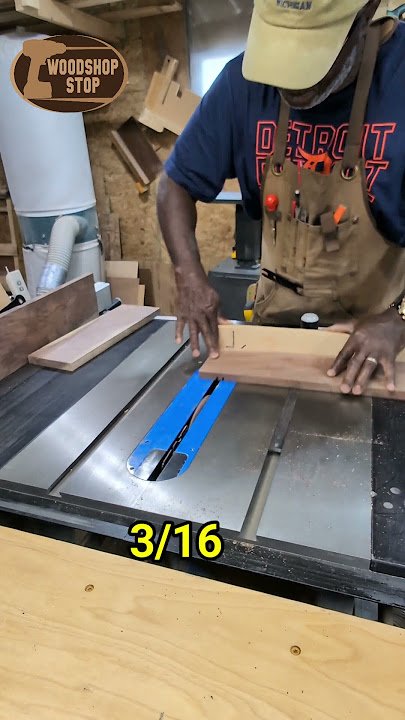
If you want to take your woodworking skills to the next level, learning how to cut dados with a table saw is a must. Dados are those clean, precise grooves that help pieces fit together perfectly, making your projects stronger and more professional-looking.
But cutting them can feel tricky if you don’t know the right steps. In this guide, you’ll discover simple, clear instructions to master this essential technique quickly. By the end, you’ll have the confidence to create flawless dados every time—and your next project will thank you for it.
Ready to get started? Let’s dive in.
Choosing The Right Blade
Cutting dados with a table saw needs the right blade to work well. The blade affects the cut’s size and smoothness.
Picking a good blade saves time and gives better results. Learn about blade types, size, teeth, and care.
Types Of Blades For Dados
Not all blades cut dados the same way. You can use a dado set, stacked blades, or a standard blade.
A dado set is made for dados and cuts wide grooves in one pass. Stacked blades use regular blades with chippers to make wider cuts.
- Dado Set:Best for clean, wide cuts
- Stacked Blades:Use regular blades and chippers
- Standard Blade:Can cut narrow dados but takes multiple passes
Blade Size And Teeth Count
Blade size and teeth count change how the dado looks. Bigger blades cut wider dados fast.
More teeth give smoother cuts but need slower feed speed. Fewer teeth cut faster but leave rough edges.
- Blade Size:Usually 8 to 12 inches for dados
- Teeth Count:24 to 40 teeth for good balance
- Fewer Teeth:Faster cuts, rougher finish
- More Teeth:Smoother finish, slower cutting
Blade Maintenance Tips
Keep your blade clean and sharp for best cuts. Dirty blades cause burns and rough edges.
Check the blade often for damage. Replace it if you see chips or missing teeth to stay safe.
- Clean resin and pitch from the blade regularly
- Sharpen the blade or replace it if dull
- Store blades in dry places to avoid rust
- Check for bent or missing teeth before use
Setting Up The Table Saw
Cutting dados with a table saw requires precise setup. Proper adjustments help ensure clean and accurate cuts.
This guide covers key steps to prepare your table saw for dado cutting safely and effectively.
Adjusting Blade Height
Set the blade height to match the depth of the dado cut you want. The blade should only extend slightly above the wood’s surface.
Too high a blade can cause tear-out and unsafe cutting conditions. Too low a blade will not cut through the wood fully.
Using A Zero-clearance Insert
A zero-clearance insert reduces tear-out and gives better support around the blade. It is a custom insert with a slot just wide enough for the blade.
- Remove the standard insert from your table saw.
- Place a new insert or make one from a thin piece of plywood or plastic.
- Raise the blade through the insert to cut a perfect slot.
- Lower the blade and reinstall the insert.
Installing A Dado Stack
Use a dado stack to cut wider grooves in one pass. A dado stack has multiple blades and chippers combined.
| Component | Purpose |
| Outer Blades | Cut the sides of the dado |
| Chippers | Remove wood between outer blades |
| Shims | Adjust width of the dado cut |
Turn off and unplug the saw before installing the dado stack. Follow the manufacturer’s instructions to assemble the blades and chippers.
Measuring And Marking Dados
Cutting dados with a table saw needs careful measuring and marking. Accurate marks help make clean cuts for strong joints.
This guide covers how to measure and mark dados precisely. You will learn simple tips to get the best results.
Accurate Measurements
Start by measuring the width and length of the dado carefully. Use a ruler or tape measure for exact numbers.
Double-check each measurement before marking the wood. Small errors can cause the dado to fit poorly.
- Measure the board thickness to match the dado width
- Mark the start and end points of the dado
- Use a square to keep lines straight
- Write down measurements to avoid confusion
Marking Techniques
Mark clear lines for the dado cut. Use a sharp pencil or marking knife for fine lines.
Make marks on both sides of the board. This helps keep cuts aligned when flipping the wood.
- Use a combination square for precise lines
- Score the wood lightly to guide the saw blade
- Mark the depth line to control cutting depth
- Check marks under good light for visibility
Using Templates And Jigs
Templates and jigs help repeat dados with the same size and shape. They save time and increase accuracy.
Make a template from scrap wood or buy a jig made for dados. Clamp it firmly to the workpiece before cutting.
- Templates guide the saw for straight cuts
- Jigs keep the blade depth consistent
- Use stop blocks on jigs to limit cut length
- Test the template or jig on scrap wood first

Credit: www.reddit.com
Cutting Techniques
Cutting dados with a table saw needs careful technique. Proper methods help make clean and precise cuts.
Choosing the right cutting approach affects the quality and safety of your work. Learn how to use single or multiple passes, feed the wood properly, and keep safe.
Single Pass Vs Multiple Passes
Cutting a dado in one pass uses a wide blade or stacked blades. It is faster but needs a powerful saw and sharp blades. Multiple passes use a narrow blade and cut the dado in sections. This method is slower but more precise and safer for beginners.
| Method | Advantages | Disadvantages |
| Single Pass | Fast, fewer blade adjustments | Needs special blade, more strain on saw |
| Multiple Passes | Precise, safer, uses regular blade | Takes more time, needs careful setup |
Feeding The Workpiece
Feed the wood steadily and straight against the fence. Keep hands away from the blade and use push sticks for better control. Do not force the wood; let the saw do the cutting.
- Use a smooth, steady feed rate
- Keep the workpiece tight to the fence
- Use push sticks or blocks for safety
- Always watch the cut line closely
Safety Tips During Cuts
Safety is key when cutting dados. Always wear eye protection and hearing protection. Make sure the saw blade is sharp and set at the correct height. Disconnect power before changing blades or making adjustments.
- Wear safety glasses and ear protection
- Use a blade guard if possible
- Keep fingers away from the blade
- Ensure the saw is stable and secure
- Disconnect power before adjustments
Finishing The Dados
After cutting dados with a table saw, it is important to finish them properly. Finishing makes the dados clean and ready for assembly.
This process includes cleaning edges, checking the fit, and smoothing the surface for a professional look.
Cleaning Up Edges
Use a sharp chisel or a utility knife to remove any rough or splintered wood along the dado edges. This step ensures clean lines and a neat appearance.
Work slowly and carefully to avoid removing too much material or damaging the dado walls.
Checking Fit And Adjustments
Test the fit of the mating piece in the dado. It should slide in snugly without forcing or being loose.
If the fit is too tight, use a fine file or sandpaper to remove small amounts of wood. If it is too loose, you may need to recut or add filler.
- Insert the mating piece gently
- Identify tight or loose spots
- Adjust by sanding or filing small areas
Sanding And Smoothing
Use fine-grit sandpaper to smooth the bottom and sides of the dado. This creates a clean surface for glue and prevents gaps.
Sand evenly and check the surface with your hand to feel for any rough spots or bumps that need more attention.
Common Mistakes To Avoid
Cutting dados with a table saw can be tricky. Avoiding common mistakes helps you get clean and precise cuts.
Knowing what to watch for saves time and improves safety during your woodworking projects.
Blade Misalignment
A blade that is not aligned correctly causes uneven cuts. This leads to poor fitting joints and rough edges.
Check your blade alignment before cutting dados. Make sure the blade is square to the table and the fence.
- Use a combination square to verify blade angle
- Adjust the blade height to match dado depth
- Keep the fence parallel to the blade
Improper Measurements
Wrong measurements cause dados that are too wide or too narrow. This ruins the strength of the joint.
Always measure twice and mark carefully. Use clear guides to set the blade and fence positions.
- Measure the width and depth of the dado precisely
- Mark the cut lines clearly on your wood
- Double-check fence settings before cutting
Ignoring Safety Precautions
Not following safety rules can cause serious injuries. Dados require steady hands and full attention.
Wear safety gear and use push sticks to keep your hands away from the blade.
- Always wear eye and ear protection
- Use push sticks to guide the wood safely
- Keep the work area clean and free of clutter
- Never remove safety guards from the saw
Advanced Tips For Precision
Cutting dados with a table saw needs care and skill. Precision is key for strong, clean joints.
These advanced tips help you get accurate and smooth dado cuts every time.
Using Featherboards
Featherboards keep wood steady and push it against the fence. This stops the wood from moving sideways.
They improve safety and make your cuts straighter and cleaner.
- Attach featherboards to the table saw fence or table
- Use one on the infeed side and one on the outfeed side
- Adjust the pressure to hold wood firmly but not damage it
Custom Dado Jigs
Custom dado jigs guide your workpiece for exact dado widths and depths. They help repeat cuts with the same settings.
You can make jigs from scrap wood or buy adjustable ones for different dado sizes.
- Build a jig that fits your table saw and blade setup
- Use stops and guides to set the length and width of the dado
- Test on scrap wood before cutting your project pieces
Combining With Other Joinery Techniques
Cut dados work well with other joints like rabbets and grooves. Combining them adds strength and style.
Plan your cuts so they fit together perfectly and hold your project tightly.
- Use dados for shelf supports inside cabinets
- Cut rabbets along edges to hide dado joints
- Combine grooves and dados for drawer bottoms and sides

Credit: www.reddit.com

Credit: www.youtube.com
Frequently Asked Questions
What Is The Best Blade For Cutting Dados On A Table Saw?
A dado blade set is best for cutting wide grooves. It allows precise, clean cuts in one pass. Using a standard blade requires multiple passes, which is less efficient and less accurate.
How Do I Set The Table Saw For Cutting Dados?
Adjust the blade height to match the dado depth. Set the fence to the desired width. Use a dado blade or stackable blades for the right groove size. Always secure your workpiece firmly.
Can I Cut Dados Without A Dado Blade?
Yes, but it requires multiple passes with a regular blade. This method is slower and less precise. It also increases the risk of tear-out. A dado blade is recommended for efficiency and cleaner cuts.
How Deep Should A Dado Cut Be On Wood?
Typically, dados are cut to one-third the thickness of the wood. This depth ensures strong joints without weakening the material. Adjust depth based on project requirements and wood type.
Conclusion
Cutting dados with a table saw becomes simple with practice. Stay focused. Prioritize safety above all else. Use sharp blades for clean cuts. Test on scrap wood first. Adjust saw settings carefully. Ensure everything is secure before starting. Keep your workspace organized.
This minimizes accidents. With these tips, you’ll make perfect dados. Practice regularly to improve skills. Enjoy your woodworking projects more. Share your results and learn from others. Happy woodworking!