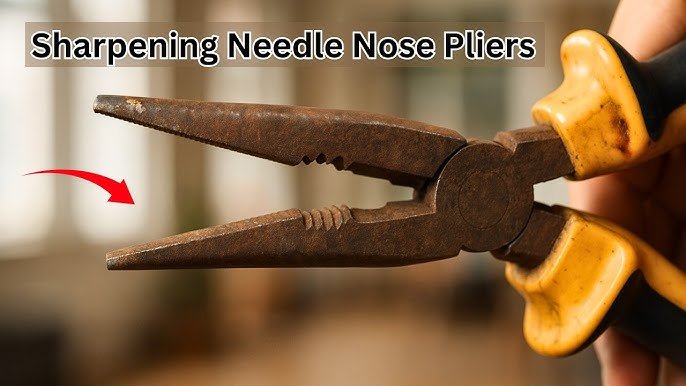
If you use pliers for woodworking, you know how important it is to have sharp, precise tools. Dull pliers can make your work harder, slow you down, and even damage your projects.
But don’t worry—sharpening your pliers is easier than you think. In this guide, you’ll learn simple, effective steps to bring your pliers back to life. By the end, you’ll handle your tools with more confidence and get better results every time.
Ready to make your woodworking smoother and more enjoyable? Let’s dive in.

Credit: www.youtube.com
Choosing The Right Pliers
Choosing the right pliers is important for woodworking tasks. The right tool makes your work easier and safer.
Woodworking pliers must be sharp and strong. Picking the best type and quality helps you get better results.
Types Suitable For Woodworking
Not all pliers work well with wood. Some types fit woodworking tasks better than others.
- Needle-nose pliers are good for tight spots and detail work.
- Slip-joint pliers can adjust to different sizes of wood pieces.
- Linesman pliers help with gripping and cutting small wires in wood projects.
- Combination pliers offer a mix of gripping and cutting functions.
Choose pliers that fit your specific woodworking needs. This helps you work with precision and care.
Material And Quality Considerations
Pliers for woodworking should be made of strong materials. High-quality steel is best for durability and sharpness.
Look for pliers with comfortable grips. Good grips reduce hand fatigue during long work sessions.
- High-carbon steel holds sharp edges longer.
- Chrome-vanadium steel resists rust and wear.
- Ergonomic handles improve comfort and control.
- Heat-treated jaws increase strength and durability.
Tools Needed For Sharpening
Sharpening pliers for woodworking requires the right tools. Using proper equipment makes the job safer and easier.
This guide covers the essential sharpening equipment and safety gear you need before starting.
Essential Sharpening Equipment
To sharpen your pliers, gather these important tools. Each helps you achieve a sharp and precise edge.
- Flat file:Used to sharpen the cutting edges of the pliers.
- Diamond sharpening stone:Helps smooth and refine the edge after filing.
- Lubricant oil:Keeps the sharpening stone wet and prevents damage.
- Clamps or vise:Holds the pliers steady during sharpening.
- Wire brush:Cleans rust and debris from the pliers before sharpening.
Safety Gear To Use
Safety is important when sharpening tools. Protect yourself by wearing the right gear to avoid injuries.
| Safety Gear | Purpose |
| Safety glasses | Protect eyes from metal filings and sparks |
| Work gloves | Shield hands from sharp edges and rough surfaces |
| Dust mask | Prevent inhaling metal dust and particles |
| Apron or work clothes | Keep your body protected from debris and oil |
Preparing Pliers For Sharpening
Sharpening pliers makes them work better for woodworking. Before sharpening, you must prepare the pliers carefully. This helps you sharpen them safely and well.
Preparing includes cleaning, checking for damage, and holding the pliers steady. These steps help you get a smooth sharpening process.
Cleaning And Inspection
Start by cleaning your pliers. Dirt and rust can block the sharpening tool. Use a wire brush or cloth with some oil to clean the jaws and handles.
After cleaning, look closely at the pliers. Check if the jaws have chips, cracks, or heavy rust. Small problems can be fixed, but big damage might mean you need new pliers.
- Remove dirt and grease with a cloth
- Use a wire brush for rust spots
- Check jaws for cracks or chips
- Make sure handles are not loose or broken
Securing Pliers For Stability
Hold the pliers steady before sharpening. If the pliers move, you can hurt yourself or damage the tool. Use a bench vise or clamp to fix the pliers in place.
Make sure the jaws are open enough to sharpen the edges. Keep the handles out of the way. Secure the pliers tightly but do not squeeze too hard and break them.
- Use a bench vise or clamp to hold pliers
- Open jaws slightly to access the edges
- Keep handles clear of sharpening tools
- Do not over-tighten the vise or clamp
Sharpening Techniques
Keeping your pliers sharp helps you work better with wood. Sharp pliers cut cleanly and safely. There are several ways to sharpen them at home.
This guide explains how to sharpen pliers using a file, a sharpening stone, and a rotary tool.
Using A File
A file is a simple tool for sharpening pliers. It removes small amounts of metal to shape the cutting edge.
Hold the pliers steady and file at a consistent angle along the edge. Use long, smooth strokes to avoid uneven edges.
- Secure the pliers in a vise for stability.
- Use a flat or round file depending on the pliers’ shape.
- File away from your body to stay safe.
- Check sharpness often to avoid over-filing.
Using A Sharpening Stone
A sharpening stone provides a smooth surface to hone the pliers’ edge. It helps create a sharper and finer finish.
Wet the stone with water or oil before use. Rub the pliers edge against the stone at a steady angle. Repeat until sharp.
- Choose a medium or fine grit stone.
- Keep the angle consistent, usually 20-30 degrees.
- Use circular or back-and-forth motions.
- Clean the stone and pliers after sharpening.
Using A Rotary Tool
A rotary tool with a grinding bit quickly sharpens pliers. It works well for dull or damaged edges.
Run the tool gently along the edge. Use light pressure and keep the tool moving to avoid overheating.
- Wear safety glasses and gloves.
- Choose a grinding or sharpening bit.
- Hold the pliers firmly to control the tool.
- Check the edge regularly for sharpness.
Maintaining Sharpness
Keeping pliers sharp is important for woodworking tasks. Sharp tools make cutting and gripping easier.
Regular care and proper storage help maintain the sharpness of your pliers. This saves time and effort.
Regular Care Tips
Clean your pliers after each use. Dirt and rust can dull the edges and reduce performance.
Sharpen the jaws with a fine file or sharpening stone. Use gentle, even strokes along the edges.
- Wipe off moisture to prevent rust
- Check for damage or wear regularly
- Apply light oil to the joints and jaws
- Use tools only for their intended purpose
Proper Storage Practices
Store pliers in a dry place to avoid rust and corrosion. Use a toolbox or tool rack for organization.
Keep pliers separated from other tools to protect their edges. Avoid dropping or throwing them around.
- Use protective covers or sleeves if available
- Hang pliers on hooks to keep them off surfaces
- Store in a clean, dust-free environment
- Inspect tools before storage to clean and dry them
Credit: www.familyhandyman.com
Troubleshooting Common Issues
Keeping your woodworking pliers sharp is important for smooth work. Sometimes, you may face problems like nicks or chips on the blades. Other times, the pliers may be too old to fix.
This guide helps you spot these issues and decide what to do. Follow easy tips to keep your pliers in good shape or know when to replace them.
Dealing With Nicks And Chips
Nicks and chips make pliers less effective and can damage your work. Small nicks can be fixed, but big chips may need more care.
- Use a fine file or sharpening stone to smooth out small nicks.
- Sharpen the edges evenly to keep the pliers balanced.
- For chips, start by filing the rough edges gently before sharpening.
- Check the pliers often during sharpening to avoid removing too much metal.
- Clean and oil the pliers after sharpening to prevent rust.
When To Replace Pliers
Sometimes, sharpening is not enough. Knowing when to replace pliers saves time and effort. Use this table to help decide if your pliers need replacement.
| Issue | Signs | Action |
| Deep chips or cracks | Large missing metal on jaws | Replace pliers |
| Worn-out edges | Edges rounded after sharpening | Replace pliers |
| Loose joints | Pliers do not grip well | Replace or repair if possible |
| Rust damage | Heavy rust on cutting parts | Replace if rust is deep |
| Handle damage | Cracked or broken grips | Replace pliers |

Credit: www.youtube.com
Frequently Asked Questions
How Often Should I Sharpen Pliers For Woodworking?
Sharpen pliers whenever you notice dull or ineffective gripping. Regular sharpening ensures precision and prevents damage to your wood projects. A quick check before each use helps maintain optimal tool performance and prolongs the tool’s lifespan.
What Tools Do I Need To Sharpen Pliers?
You need a fine metal file, sharpening stone, or rotary tool with a grinding attachment. These tools help restore the cutting edges and improve grip. Always use safety gear like gloves and goggles during sharpening.
Can I Sharpen All Types Of Pliers Used In Woodworking?
Most pliers with metal cutting edges can be sharpened. However, some specialty pliers may require professional sharpening. Always check the manufacturer’s guidelines to avoid damaging the tool.
How Do I Safely Sharpen Pliers At Home?
Secure the pliers in a vise, then file the cutting edges evenly. Maintain the original angle to preserve the tool’s function. Work slowly and wear protective gloves to prevent injury.
Conclusion
Sharpening pliers is crucial for effective woodworking. Dull pliers cause frustration. Sharp tools ensure precise cuts. Follow simple steps to sharpen your pliers. Regular maintenance increases their lifespan. Clean your tools often. Use a file or sharpening stone. Pay attention to angles and edges.
Practice makes perfect. Enjoy smoother woodworking experiences. Safe and sharp tools help you work better. Always prioritize safety while sharpening. Properly sharpened pliers enhance your craft. Keep them ready for the next project. Happy woodworking!