Are you ready to make clean, straight cuts with your handsaw but don’t know where to start? Using a handsaw might seem tricky at first, but with the right technique, you can achieve precise cuts every time.
Imagine the satisfaction of crafting your projects with confidence and accuracy. You’ll discover simple, step-by-step tips that will turn your handsaw into a powerful tool in your hands. Keep reading, and you’ll soon master the skill that makes all the difference in woodworking.
Choosing The Right Handsaw
Using the right handsaw makes cutting wood easier and more accurate. Picking a saw fits your task helps you get straight cuts.
Different saws work best for different jobs. Learn about saw types, blades, and handles to choose well.
Types Of Handsaws
Handsaws come in many types. Each type suits a specific cutting need and material.
Common types include crosscut saws, rip saws, and backsaws. Crosscut saws cut across wood grain. Rip saws cut along the grain. Backsaws have a stiff edge for precise cuts.
- Crosscut saw: cuts wood across the grain
- Rip saw: cuts wood along the grain
- Backsaw: has a reinforced back for straight cuts
Blade Selection
Blade choice affects how smooth and straight your cut will be. Different blades have different teeth per inch (TPI).
Finer teeth (higher TPI) give cleaner cuts but cut slower. Coarser teeth (lower TPI) cut faster but rougher. Match blade type to the wood and cut style.
- Fine blades (15-20 TPI): best for thin wood and detailed cuts
- Medium blades (10-15 TPI): good for general purpose cutting
- Coarse blades (5-10 TPI): ideal for thick or soft wood
Handle Comfort
A comfortable handle helps you control the saw. It reduces hand fatigue during long cuts.
Look for handles shaped to fit your hand. Some have soft grips for better comfort. Test the saw’s balance and grip before buying.
- Ergonomic shape fits hand well
- Non-slip grip prevents slipping
- Proper size for your hand improves control
Preparing Your Workspace
Using a handsaw safely and accurately starts with a good workspace. You need space that is clean, stable, and well organized.
Prepare your area before cutting to avoid mistakes and accidents. Let’s look at key steps to get ready.
Securing The Material
Hold your wood or material firmly to prevent movement. This keeps cuts straight and safe.
- Use clamps to fix the material on a workbench.
- Check that the piece does not wobble or slide.
- Place scrap wood under thin pieces for support.
- Avoid holding the material by hand while cutting.
Clearing The Area
Remove any obstacles or debris around your workspace. A clear area helps you move freely and work safely.
| Item | Action |
| Tools not in use | Put away or organize |
| Loose cables | Secure or remove |
| Dust and scraps | Sweep or vacuum |
| Extra materials | Store out of reach |
Marking The Cut Line
Draw a clear, straight line where you want to cut. This guide helps you saw accurately.
Use these tips for marking:
- Choose a pencil or fine marker for a thin line.
- Use a ruler or square to keep the line straight.
- Mark both sides if you will cut through thick material.
- Double-check the line length and position before cutting.
Proper Handsaw Grip And Stance
Using a handsaw for straight cuts needs the right grip and stance. This helps control the saw and improves accuracy.
Focus on how you hold the saw and position your body. Keeping balance is key for smooth cutting.
Holding The Saw Correctly
Hold the saw handle firmly but not too tight. Your thumb should wrap around the handle for control.
- Place your index finger along the side of the handle.
- Keep your grip relaxed to avoid hand fatigue.
- Hold the saw at a comfortable angle to the wood.
Body Positioning
Stand with your feet shoulder-width apart. Position your body so the saw blade is aligned with your shoulder.
| Body Part | Position |
| Feet | Shoulder-width apart for stability |
| Knees | Slightly bent to absorb movement |
| Back | Straight but relaxed |
| Arms | Elbows close to the body |
Maintaining Balance
Balance helps you cut straight and reduces mistakes. Keep your weight evenly on both feet.
- Keep your head up and eyes on the cutting line.
- Shift weight slightly forward as you saw.
- Use your legs to support movement, not just your arms.

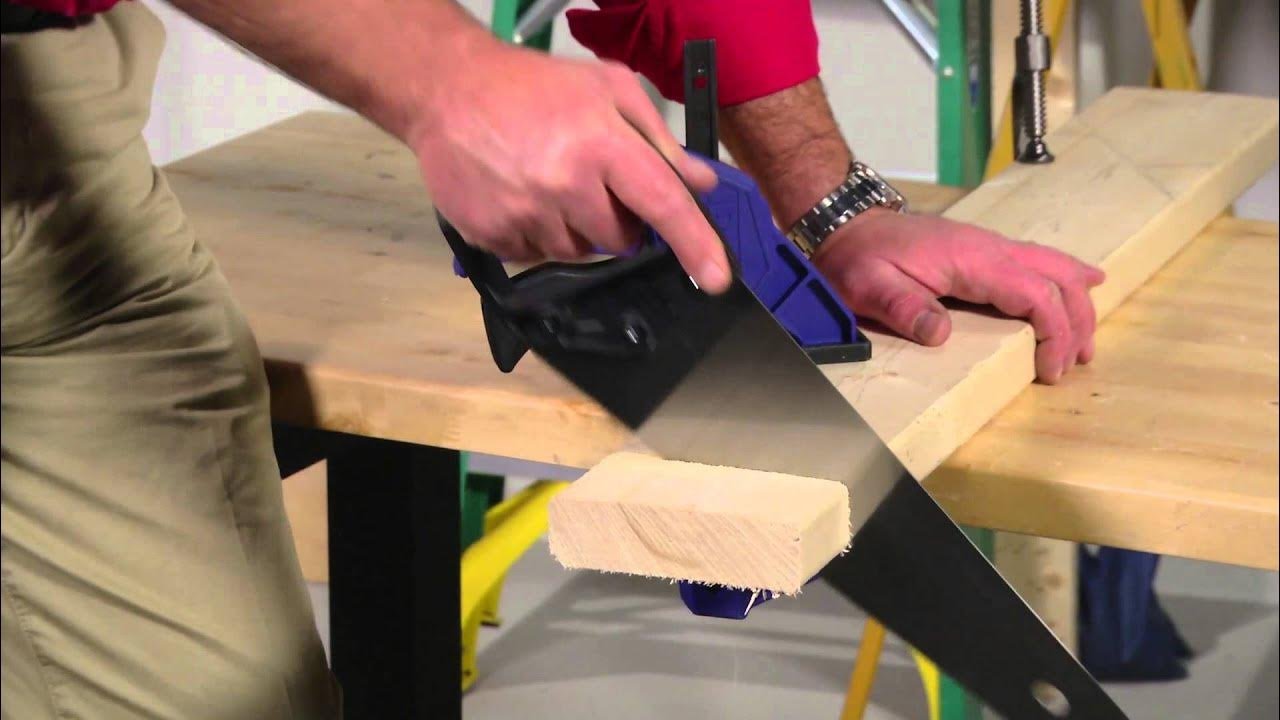
Credit: www.youtube.com
Starting The Cut
Using a handsaw for straight cuts needs careful setup. Starting right helps keep your cut clean and accurate.
This guide explains how to align the saw, create a guide notch, and use proper stroke techniques.
Aligning The Saw
Place the saw blade on the cutting line with the teeth just touching the wood. Keep the saw handle steady and the blade straight. Check your eye level to see if the blade matches the line perfectly.
Creating A Guide Notch
Make a small notch at the start of your cut. This notch will hold the saw teeth in place and stop the blade from slipping.
- Use a sharp knife or chisel to cut a shallow groove on the line.
- The notch should be about the width of the saw blade.
- Make sure the notch is straight and clean.
- Start sawing inside the notch to keep your cut accurate.
Initial Stroke Techniques
Begin cutting with slow, short strokes to deepen the guide notch. Keep the saw at a low angle. Use light pressure to let the teeth do the work.
| Stroke Type | Description | Purpose |
|---|---|---|
| Short Stroke | Use short forward and backward motions | Helps start the cut without slipping |
| Light Pressure | Apply gentle force on the saw | Prevents the blade from bending |
| Low Angle | Hold the saw at about 45 degrees | Keeps the cut straight and controlled |
Maintaining A Straight Cut
Using a handsaw for straight cuts needs focus and control. Small mistakes can cause the cut to drift off line. Keeping the saw steady is key for good results.
This guide covers ways to keep your cut straight. Learn how to keep a steady motion, watch the cut line, and adjust the saw angle and pressure.
Consistent Sawing Motion
A steady sawing motion helps keep the cut straight. Avoid quick or jerky moves. Move the saw back and forth smoothly at a steady pace.
- Start with light forward strokes to create a guide cut.
- Use long, even strokes for better control.
- Keep the saw blade flat against the wood surface.
- Maintain the same speed throughout the cut.
Eye On The Cut Line
Watch the cut line closely while sawing. This helps you spot any drift early and correct it. Keep your head and eyes aligned with the line for the best view.
| Tip | Why It Helps |
|---|---|
| Position yourself so your eyes are level with the cut | Improves accuracy and reduces mistakes |
| Look ahead on the line, not just at the blade | Allows early detection of any deviation |
| Use a pencil to mark the line clearly | Makes the cut line easier to follow |
Adjusting Angle And Pressure
Changing the saw angle or pressure helps keep the cut straight. Too much pressure or a wrong angle can push the blade off course.
Follow these rules for angle and pressure:
- Keep the saw handle level with the wood surface.
- Apply gentle, even pressure; don’t force the saw.
- If the saw starts to drift, slightly adjust the angle back to the line.
- Release pressure briefly to regain control if needed.

Credit: www.anneofalltrades.com
Finishing The Cut
Finishing a cut with a handsaw requires care. The last part of the cut is where mistakes happen most.
Take your time and use the right techniques to get a clean, straight finish.
Reducing Speed Near The End
Slow down your sawing as you near the end of the cut. This helps stop the saw from splintering the wood.
Cutting slower gives you better control and keeps the edge clean and smooth.
Supporting The Offcut
Hold the offcut piece firmly to prevent it from breaking off early. Support stops splintering and uneven edges.
- Use your free hand to hold the offcut close to the cut line
- If the piece is large, place a scrap wood piece underneath for support
- Keep pressure steady but gentle to avoid bending or cracking
Smoothing The Edge
After the cut, the edge may be rough or uneven. Use sandpaper or a file to smooth it out.
Smooth edges make the wood safer to handle and ready for finishing or painting.
- Start with medium-grit sandpaper for rough spots
- Finish with fine-grit sandpaper for a smooth surface
- Use a sanding block for flat, even results
Common Mistakes To Avoid
Using a handsaw can be simple, but some mistakes make cuts crooked or unsafe.
Knowing what to avoid helps you cut straighter and save wood from damage.
Saw Bending
Bending the saw blade causes uneven cuts and can damage the saw. It often happens when you push too hard or twist the saw.
Keep the saw straight and move it gently back and forth. Let the teeth do the cutting without forcing the blade.
Uneven Pressure
Applying uneven pressure makes the saw drift away from the cut line. Pressing too hard on one side is a common mistake.
- Use steady, even pressure with both hands.
- Keep your arms relaxed to avoid pushing harder on one side.
- Watch the saw teeth and adjust pressure if the cut starts to curve.
Poor Material Support
Not supporting the wood well causes it to move or bend during cutting. This leads to rough or crooked edges.
| Support Method | Tip |
| Workbench | Use clamps to hold wood firmly. |
| Sawhorse | Place wood so it stays still and flat. |
| Hands | Never hold small pieces by hand; use a clamp instead. |
Maintaining Your Handsaw
Keeping your handsaw in good shape helps you make straight cuts easier. Regular care makes the tool last longer.
Learn simple ways to clean, sharpen, and inspect your handsaw. These steps keep it safe and effective.
Cleaning And Storage
Remove sawdust and dirt after each use. Use a brush or cloth to clean the blade carefully.
- Wipe the blade with a dry cloth
- Use light oil to stop rust
- Store the saw in a dry place
- Keep the blade covered or in a sheath
Sharpening Techniques
Sharp teeth make cutting easier and straighter. Use a file to sharpen the saw teeth.
- Secure the saw in a clamp
- File each tooth evenly
- Keep the file at the right angle
- Check teeth for uniform size
- Remove any burrs after filing
Regular Inspection
Check your handsaw often to catch problems early. Look for damage or loose parts.
| What to Check | Why It Matters |
|---|---|
| Blade rust or corrosion | Rust weakens the blade and slows cutting |
| Loose handle | A loose handle can cause accidents |
| Broken or bent teeth | Damaged teeth reduce cutting accuracy |
| Blade straightness | A bent blade cuts crooked lines |
Credit: www.familyhandyman.com
Frequently Asked Questions
How Do I Start A Straight Cut With A Handsaw?
Begin by marking a clear cut line on the wood. Use a clamp to secure the wood. Position the saw’s teeth on the line. Start with short, gentle strokes to create a groove. This guides the saw for a straight cut.
What Is The Best Technique For Handsaw Straight Cuts?
Hold the saw handle firmly with your dominant hand. Keep your wrist straight and use your arm to saw. Maintain steady, even strokes at a consistent speed. Let the saw do the work without forcing it. This ensures accuracy and control.
How Do I Maintain A Straight Cut Line While Sawing?
Keep your eyes focused on the cut line, not the saw blade. Use your free hand to feel the wood’s edges for alignment. Adjust your saw angle slightly if you drift. Regularly check progress to ensure the cut stays straight.
What Type Of Handsaw Is Best For Straight Cuts?
A crosscut saw is ideal for straight cuts on wood. It has fine, angled teeth designed for clean, smooth cuts. Choose a saw length that suits your project size. A sharp blade improves cut quality and reduces effort.
Conclusion
Using a handsaw for straight cuts is simple with practice. Remember, always measure twice and cut once. Keep your saw sharp for clean cuts. Steady your hand and focus. Safety comes first; wear gloves and goggles. Follow these steps, and you’ll see improvement.
Practice regularly to gain confidence. Soon, straight cuts will be second nature. Patience and precision are key. Enjoy the process. Happy sawing!