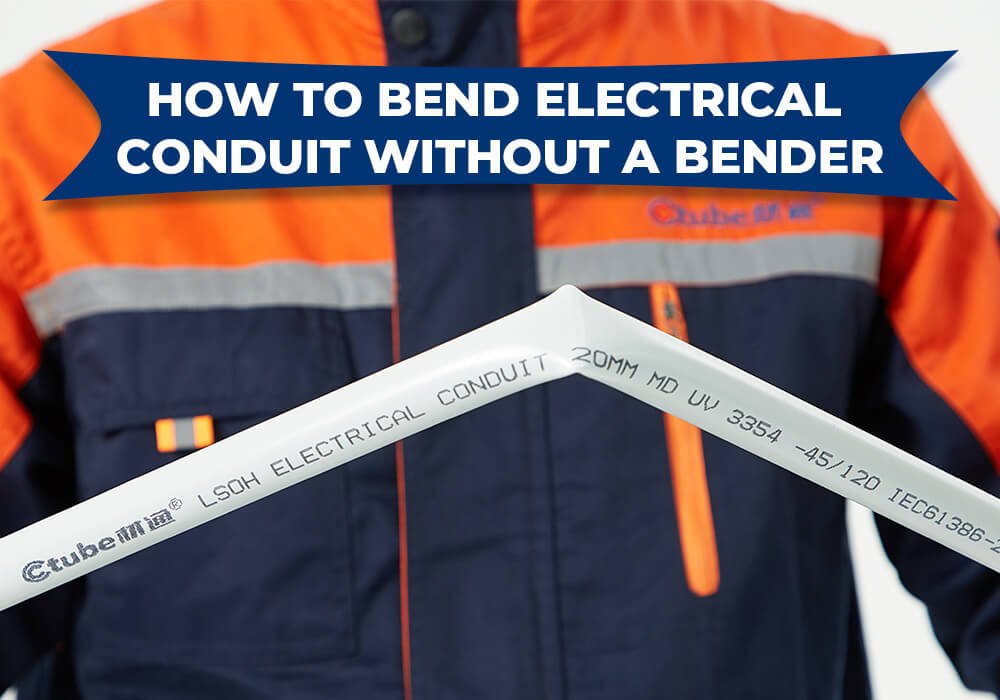
Are you struggling with bending PVC pipes without causing cracks or damage? You’re not alone.
PVC is a versatile material, but bending it the wrong way can lead to frustrating breaks and wasted materials. Imagine finishing your project smoothly, with perfectly curved pipes that fit just right. This guide will show you simple, effective techniques to bend PVC without cracking, saving you time, money, and stress.
Keep reading, and you’ll learn how to handle your PVC like a pro.

Credit: www.shreedurgaelectroplastindustries.com
Why Pvc Bends Matter
PVC pipes are common in plumbing and construction. Bending PVC pipes allows them to fit tight spaces and curves. Proper bending keeps pipes strong and leak-free.
Bad bends cause cracks or breaks. This leads to leaks and costly repairs. Understanding why PVC bends matter helps you make safe, durable shapes.
Maintaining Pipe Strength
Bending PVC without damage keeps its strength. Pipes that crack lose pressure resistance and may fail. Correct bending keeps the pipe intact and reliable.
Ensuring Water Tightness
Good bends prevent gaps where water can leak. Cracks or splits cause leaks that waste water and damage property. Smooth bends keep joints sealed and secure.
Reducing Installation Costs
Proper bending lowers the chance of pipe failure. Fewer breaks mean less need for repairs or replacements. This saves money and time during installation.
- Less risk of pipe cracking
- Fewer leaks to fix
- Faster installation process
- Longer pipe lifespan
Improving System Flexibility
Bent PVC pipes help create flexible plumbing layouts. They fit curves and corners without extra fittings. This flexibility reduces joint numbers and potential leak points.
| Benefit | Effect |
| Fewer fittings | Less chance of leaks |
| Smoother water flow | Better system efficiency |
| Easy layout changes | More design options |
Credit: www.komaspec.com
Types Of Pvc Pipes
PVC pipes come in different types based on their use and strength. Knowing these types helps you pick the right pipe for bending without cracking.
Each type has unique features that affect how it can be bent and used in projects.
Schedule 40 Pvc Pipes
Schedule 40 pipes are the most common. They have a medium wall thickness. These pipes are good for water supply and irrigation. They can bend slightly but need care to avoid cracks.
Schedule 80 Pvc Pipes
Schedule 80 pipes have thicker walls than Schedule 40. They handle higher pressure but are less flexible. Bending these pipes requires heating or special tools to prevent damage.
Flexible Pvc Pipes
Flexible PVC pipes are softer and designed to bend easily. They are ideal for applications needing curves or turns without special heating. These pipes resist cracking during bending.
Cpvc Pipes
CPVC pipes are similar to PVC but can handle higher temperatures. They are rigid and less flexible. Bending CPVC pipes without cracking is hard, so they are usually cut and joined with fittings.
Comparison Table Of Pvc Pipe Types
| Type | Wall Thickness | Flexibility | Common Uses |
|---|---|---|---|
| Schedule 40 | Medium | Moderate | Water supply, irrigation |
| Schedule 80 | Thick | Low | High-pressure systems |
| Flexible PVC | Thin | High | Curved piping, drainage |
| CPVC | Medium | Low | Hot water lines |
Risks Of Cracking Pvc
Bending PVC pipes can cause cracks if done incorrectly. Cracks reduce pipe strength and cause leaks.
Understanding the risks helps prevent damage and extends pipe life.
Material Stress And Fatigue
Bending PVC puts stress on the material. Stress can lead to small fractures over time. These fractures grow into cracks.
Temperature Effects
Cold PVC is more rigid and cracks easily when bent. Heating PVC makes it flexible but too much heat weakens it.
- Bending cold PVC risks immediate cracking.
- Overheating softens PVC and reduces strength.
- Proper heating avoids cracks and allows safe bending.
Bend Radius And Pipe Thickness
Bending PVC too sharply causes cracks. Pipes need a minimum bend radius to stay safe.
| Pipe Diameter | Minimum Bend Radius |
| 1/2 inch | 4 inches |
| 1 inch | 8 inches |
| 2 inches | 16 inches |
Improper Handling And Tools
Using wrong tools or force risks cracks. Pipes need smooth, even bends without kinks.
Common handling mistakes that cause cracks:
- Bending without heating or support
- Using sharp objects to force bends
- Applying uneven pressure
- Ignoring manufacturer bending guidelines
Essential Tools For Bending Pvc
Bending PVC pipes without cracking requires the right tools. Using proper tools helps shape the pipe safely.
These tools make the bending process easier and protect the pipe from damage.
Heat Gun
A heat gun softens PVC pipes to make bending possible. It provides even heat without burning the pipe.
Use the heat gun carefully to warm the pipe evenly along the area you want to bend.
Pipe Bender Or Form
A pipe bender helps shape PVC pipes into smooth curves. It supports the pipe during bending to avoid kinks.
Choose a bender that fits your pipe size for better control and results.
Heat-resistant Gloves
Heat-resistant gloves protect your hands from burns. They allow you to handle hot PVC safely while shaping.
Wear gloves throughout the heating and bending process for safety.
Pvc Pipe Clamps Or Jigs
Clamps or jigs hold the PVC pipe firmly in place. They prevent the pipe from moving during bending.
- Keep the pipe steady
- Help maintain the bend shape
- Reduce chances of cracking
Measuring Tools
Measuring tools like tape measures and markers help mark the exact bending points. Accurate marks ensure precise bends.
Use these tools before heating to avoid mistakes and wasted material.
Preparing Pvc For Bending
Bending PVC pipes needs careful preparation to avoid cracks. Proper cleaning and marking help make precise bends. Using correct heating techniques softens the pipe safely.
Good preparation improves the quality and strength of the bend. It also helps prevent damage during the process.
Cleaning And Marking
Start by cleaning the PVC surface to remove dirt and grease. Use a soft cloth with mild soap and water. Dry the pipe fully before marking.
- Clean the pipe with soap and water
- Wipe dry to remove all moisture
- Use a pencil or marker to draw bend lines
- Mark the exact points where bends will start and end
- Double-check measurements before heating
Heating Techniques
Heat the PVC evenly to make it flexible. Avoid overheating to prevent burning or warping. Use a heat gun or hot water bath for best results.
| Heating Method | Recommended Temperature | Heating Time |
| Heat Gun | 160°C to 180°C (320°F to 356°F) | 1 to 3 minutes |
| Hot Water Bath | 80°C to 90°C (176°F to 194°F) | 5 to 10 minutes |
| Oven Heating | 140°C to 150°C (284°F to 302°F) | 3 to 5 minutes |
Step-by-step Bending Process
Bending PVC without cracking takes care and the right steps. This guide shows how to bend PVC pipe safely and smoothly.
Follow these main parts: heating the pipe, bending it properly, and cooling it down. Each step helps keep the pipe strong.
Heat Application Methods
Heat softens PVC so you can bend it. Use steady and even heat to avoid cracks. Common tools include heat guns, hot water, and ovens.
- Heat Gun:Hold it 6 to 8 inches from the pipe. Move it slowly to warm the pipe evenly.
- Hot Water:Soak the pipe in water heated to 176°F (80°C) for a few minutes.
- Oven:Place the pipe in an oven set to 200°F (93°C) for 5 to 10 minutes. Use heat-resistant gloves to handle it.
Bending Techniques
After heating, bend the pipe slowly to avoid cracks. Use proper tools and supports to keep the shape.
| Technique | Description |
| Hand Bending | Hold the pipe firmly and bend it slowly by hand. |
| Form Bending | Use a mold or form to shape the pipe evenly. |
| Spring Bending | Insert a spring inside the pipe to keep its shape while bending. |
Cooling Procedures
Cool the pipe quickly to keep its new shape. Use water or let it air dry. Do not move the pipe until it cools down.
- Dip the bent pipe in cold water for fast cooling.
- Keep the pipe still until fully cool to avoid warping.
- Check the pipe for cracks or weak spots after cooling.
Avoiding Common Mistakes
Bending PVC pipes without cracking can be tricky. Many people make simple errors that cause damage.
Knowing what to avoid helps you bend PVC safely and get smooth curves every time.
Using The Wrong Heating Method
Heating PVC unevenly or too quickly can cause cracks. Use a heat gun or warm water for even warmth.
Bending Without Support
Unsupported pipes can kink or crack. Always use a form or mold to guide the bend and keep the shape.
Bending Too Quickly
Moving the pipe too fast while bending causes stress and cracks. Take your time and bend slowly.
Ignoring Pipe Thickness And Diameter
Different pipes need different techniques. Thicker or larger diameter pipes require more heat and care.
- Thin pipes heat faster and bend easily
- Thick pipes need longer heating times
- Large diameter pipes may need special forms
Overheating The Pvc
Too much heat makes PVC bubble or burn. Keep the heat steady and check the pipe often.
Not Allowing Proper Cooling Time
Let the pipe cool fully before removing it from the form. Rushing can cause the pipe to lose shape or crack.
| Common Mistake | Effect | How to Avoid |
| Wrong heating method | Cracks and weak spots | Use heat gun or warm water evenly |
| Bending too fast | Pipe stress and cracks | Bend slowly and steadily |
| No support during bending | Kinks and misshaped bends | Use forms or molds |
| Overheating | Pipe bubbles or burns | Monitor heat and avoid direct flame |
| Removing too early | Pipe loses shape or cracks | Let pipe cool completely on form |
Advanced Bending Tips
Bending PVC without cracking takes skill and the right tools. This guide shares advanced tips. Use proper methods to keep PVC strong and smooth.
Two main ways to bend PVC are using heat guns or hot water. Each has benefits and suits different tasks.
Using Heat Guns Vs. Hot Water
Heat guns give direct, controlled heat to the PVC. Hot water heats the pipe evenly but more slowly. Choose based on the pipe size and bend complexity.
- Heat Gun:Heats spot areas fast for sharp bends.
- Hot Water:Warms the whole pipe for gentle curves.
- Safety:Use gloves and avoid overheating to stop burns or cracks.
- Control:Heat guns need steady hands; hot water needs patience.
Forming Complex Angles
Making tight or unusual angles in PVC needs care. Use slow heating and hold the pipe steady. Support the pipe inside to keep its shape.
| Tip | Description |
| Use a Bend Form | Place a mold inside the pipe for accurate angles. |
| Heat Evenly | Move heat source around to avoid thin spots. |
| Test Bend | Practice on scrap pipe before the real piece. |
| Cool Slowly | Let the pipe cool naturally to keep the angle. |
Testing And Inspecting Bends
Testing and inspecting PVC bends is important to ensure strength and durability. Proper checks help find cracks or weak spots early. This prevents pipe failure in use.
Use simple tools and visual checks to inspect bends. Careful testing keeps PVC piping safe and long-lasting.
Visual Inspection
Look closely at the bend for cracks, discoloration, or deformations. Small cracks can grow and cause leaks later. Check both inside and outside surfaces.
- Use a bright light for better viewing
- Run your fingers gently over the bend
- Note any rough spots or uneven areas
- Look for signs of stress or bending marks
Flexibility Testing
Test the bend’s flexibility without forcing it too much. The PVC should bend smoothly without cracking sounds. Sudden stiffness or noise means damage inside.
- Hold the pipe firmly near the bend
- Bend slowly to the desired angle
- Listen for any cracking or popping sounds
- Release and check for permanent shape changes
Pressure Testing
Pressure testing checks if the bend can hold water or air without leaking. Use water or air pressure machines to test the pipe’s strength.
| Test Type | Pressure Level | Duration | Pass Criteria |
| Water Pressure | 1.5 times working pressure | 30 minutes | No leaks or cracks |
| Air Pressure | 1.2 times working pressure | 15 minutes | Stable pressure, no bubbles |
Using Magnification Tools
Magnifiers or microscopes help see tiny cracks. These tools find damage invisible to the naked eye. Inspect all bend surfaces carefully.
Tip:Use a 10x magnifier to spot early cracks. Light the bend well to see small flaws.
Repairing Minor Cracks
Minor cracks in PVC pipes can cause leaks and weaken the structure. Fixing small cracks quickly stops damage from getting worse.
This guide shows easy ways to repair small cracks in PVC without removing the pipe.
Clean The Crack Area
Start by cleaning the cracked spot. Remove dirt, grease, and moisture. Use a cloth with rubbing alcohol for best results.
Use Pvc Primer And Cement
Apply PVC primer to the crack first. Let it dry for a few seconds. Then, apply PVC cement over the crack to seal it.
- Wear gloves to protect your hands.
- Work in a well-ventilated area.
- Apply primer evenly around the crack.
- Use cement quickly before it dries.
Reinforce With Fiberglass Tape
For extra strength, wrap fiberglass tape over the cemented crack. This helps keep the pipe stable under pressure.
Allow Time To Cure
Let the repair dry and cure fully before using the pipe. The curing time depends on the cement brand and temperature.
| Condition | Suggested Curing Time |
| Room Temperature (70°F) | 2 hours |
| Cooler Temperature (50°F) | 4 hours |
| High Humidity | 3 hours |
Credit: ftp.spaceneedle.com
Frequently Asked Questions
How Do You Bend Pvc Without Causing Cracks?
To bend PVC without cracks, heat the pipe evenly using a heat gun. Avoid overheating to prevent damage. Slowly bend the PVC while heating, supporting it properly to maintain shape and prevent stress points.
What Tools Help In Bending Pvc Pipes Safely?
Heat guns and bending springs are essential tools for safely bending PVC. Heat guns soften the pipe, while bending springs prevent kinks and maintain even bending radius. Using these tools minimizes cracking and ensures smooth curves.
Can Cold Pvc Pipes Be Bent Without Cracking?
Cold PVC pipes are rigid and prone to cracking if bent without heating. Always heat the PVC before bending to make it flexible and reduce the risk of fractures or damage during the process.
How Long Should You Heat Pvc Before Bending?
Heat PVC for 1-3 minutes, depending on pipe thickness. Even heating softens the material, making bending easier. Avoid overheating to prevent bubbles or burns on the pipe surface.
Conclusion
Mastering PVC bending takes patience and practice. Always start with small projects. This helps build your confidence. Use the right tools to avoid cracks. Heat evenly for smooth bends. Test your skills with different techniques. Remember, safety comes first. Wear protective gear and work in a ventilated area.
With each bend, you’ll gain more experience. Soon, creating perfect curves will become second nature. Keep experimenting and learning. Your efforts will pay off with great results. Enjoy the process and watch your skills grow. Happy bending!