Are you tired of struggling with stubborn bolts and nuts? Knowing how to use a socket wrench can make your repair tasks faster and easier.
Whether you’re fixing your car, assembling furniture, or tackling any DIY project, this simple tool can save you time and effort. In this guide, you’ll discover step-by-step instructions and insider tips that will help you master the socket wrench like a pro.
Keep reading, and you’ll never feel stuck with a stuck bolt again!
Choosing The Right Socket Wrench
Choosing the right socket wrench helps you work safely and quickly. This guide explains what to look for when picking a socket wrench.
Knowing the types, sizes, and materials will make your work easier and avoid damage.
Types Of Socket Wrenches
Socket wrenches come in different types. Each type suits specific tasks and tools.
- Ratchet wrenches: Use a ratcheting mechanism for fast turning.
- Breaker bars: Provide extra leverage for tight bolts.
- Torque wrenches: Measure the exact force applied.
- Impact wrenches: Use power to loosen or tighten fasteners.
Selecting The Correct Size
Select a socket size that fits snugly on the bolt or nut. A loose fit can strip the fastener.
| Socket Size | Use |
| Small (1/4 inch to 3/8 inch) | Light tasks, small bolts |
| Medium (1/2 inch) | Most automotive and household jobs |
| Large (3/4 inch and above) | Heavy machinery and large bolts |
Materials And Durability
Good socket wrenches are made from strong materials to last long.
- Chrome vanadium steel: Common and rust-resistant.
- Chrome molybdenum steel: Stronger, used for impact sockets.
- Stainless steel: Resists corrosion but can be softer.

Credit: www.youtube.com
Essential Socket Wrench Accessories
Socket wrenches are more useful with the right accessories. These add-ons help you work faster and reach tricky spots.
This guide covers important accessories like socket sets, adapters, and torque wrenches. Each plays a key role in your tool kit.
Socket Sets And Extensions
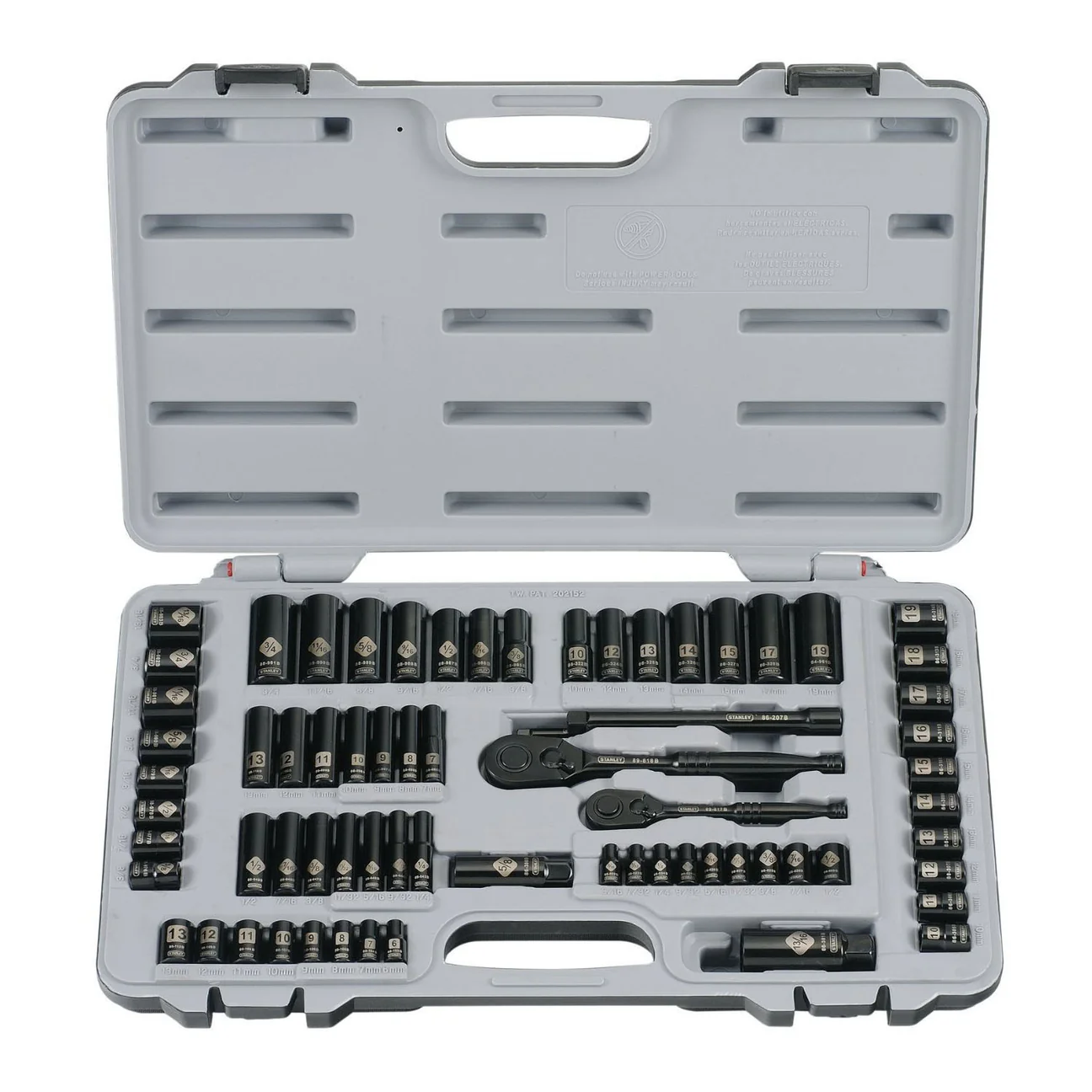
Socket sets come with many sizes to fit different bolts and nuts. Extensions let you reach deep or tight areas where your hand cannot fit.
- Standard and deep sockets for various bolt lengths
- Extension bars that add length to your wrench
- Flexible extensions to work around obstacles
- Socket rails or organizers to keep sets tidy
Adapters And Universal Joints
Adapters change the size of the wrench drive to fit different sockets. Universal joints let you turn fasteners at angles, improving access.
| Accessory | Use |
| Drive Adapters | Change wrench drive sizes |
| Universal Joints | Allow angled turning |
| Quick-Release Adapters | Make socket changes faster |
Torque Wrenches
Torque wrenches apply a set tightness to bolts. This prevents damage from too much force or loose fittings.
- Click-type torque wrenches signal when torque is reached
- Beam torque wrenches show torque on a scale
- Digital torque wrenches give precise readings
- Use torque wrenches for critical engine or wheel bolts
Basic Socket Wrench Techniques
A socket wrench helps you tighten or loosen bolts quickly. It uses different sockets to fit many bolt sizes.
Knowing basic techniques makes your work easier and safer. This guide covers key steps to use a socket wrench well.
Attaching Sockets Properly
Choose the right socket size for the bolt. The socket should fit snugly without force.
Push the socket onto the wrench’s square drive. You will often hear a click when it locks in place.
- Check the socket size before attaching
- Align the socket with the wrench drive
- Press the socket until it clicks or feels secure
- Remove the socket by pressing the release button if available
Using Ratcheting Mechanisms
The ratchet lets you turn bolts without removing the wrench. It saves time and effort.
Flip the switch on the wrench to change the turning direction. One way tightens, the other loosens.
- Set the ratchet to tighten or loosen
- Turn the handle back and forth smoothly
- Use short strokes in tight spaces
- Keep the socket engaged on the bolt at all times
Applying Correct Force
Apply steady force when turning the wrench. Avoid sudden jerks that can damage the tool or bolt.
Use your body weight to help, not just your arms. It helps you control the movement better.
- Pull the wrench handle steadily
- Do not use excessive force or extensions
- Stop if the bolt does not turn easily
- Check if the socket is the right size before trying harder
Advanced Tips For Efficient Use
Using a socket wrench well can save time and effort. Small tricks help you work faster and avoid mistakes.
This guide shares advanced tips to improve your socket wrench skills. These tips focus on tricky spots, tool care, and protecting fasteners.
Working In Tight Spaces
Many jobs need working in small spaces with limited movement. Use a socket wrench with a flexible or ratcheting handle to reach those spots.
Try using smaller sockets or low-profile designs. These fit better in cramped areas and make turning easier.
- Use a universal joint adapter for angled access
- Pick a wrench with a fine-tooth ratchet for small turns
- Remove obstacles to improve access if possible
- Work slowly and carefully to avoid slipping
Preventing Damage To Fasteners
Damaged fasteners are hard to remove and can ruin your project. Use the right socket size to fit fasteners snugly.
Apply steady pressure and avoid sudden force. Over-tightening or using wrong tools can strip heads or break bolts.
- Match socket size exactly with fastener
- Turn slowly to keep grip on fastener
- Use penetrating oil on rusted bolts before turning
- Replace worn sockets to keep good contact
Maintaining Your Tools
Good maintenance keeps your socket wrench working well for a long time. Clean your tools after use to remove dirt and grease.
Lubricate the ratchet mechanism to ensure smooth operation. Store tools in a dry place to avoid rust.
- Wipe sockets and handles clean after each job
- Apply light oil to ratchet gears regularly
- Check for cracks or wear before use
- Keep tools organized to prevent damage
Common Mistakes To Avoid
Using a socket wrench is simple, but mistakes can happen easily. These errors can damage bolts or tools.
Knowing what to avoid helps you work safely and effectively with your socket wrench.
Over-tightening Bolts
Turning bolts too tight can break them or damage the parts. It also makes future repairs hard.
Use steady pressure and stop when the bolt feels secure. Avoid forcing the wrench after that.
Using Incorrect Socket Sizes
Using a socket that does not fit the bolt causes slipping and rounding of bolt heads. This makes bolts hard to remove.
Always check the size of the bolt before choosing your socket. Use the exact size for best grip.
- Too small socket slips off the bolt
- Too large socket does not grip well
- Both can damage the bolt head
Ignoring Tool Maintenance
Dirty or rusty socket wrenches work poorly and wear out faster. Lack of maintenance can cause tool failure.
Clean your tools after use and oil moving parts. Store them in a dry place to avoid rust.
- Wipe dirt and grease off sockets
- Lubricate ratchets regularly
- Store tools in a toolbox or dry area
Credit: tendsupplies.com
Safety Precautions With Socket Wrenches
Using a socket wrench safely helps prevent injuries and damage. It is important to follow key safety steps before and during use.
This guide covers proper grip and posture, wearing protective gear, and inspecting tools before use.
Proper Grip And Posture
Hold the socket wrench firmly with your dominant hand. Keep your wrist straight to avoid strain.
Stand with your feet shoulder-width apart. This stance helps you keep balance while applying force.
- Grip the handle close to the socket for better control.
- Do not use excessive force; let the wrench do the work.
- Keep your body behind the tool to avoid slipping.
Wearing Protective Gear
Always wear the right protective gear to protect yourself from injuries. Safety glasses protect your eyes from flying debris.
Gloves improve your grip and protect your hands from cuts and bruises.
- Wear safety glasses to shield your eyes.
- Use gloves that fit well and allow good movement.
- Wear closed-toe shoes to protect your feet.
Inspecting Tools Before Use
Check your socket wrench before using it. Look for cracks, rust, or worn parts that could cause failure.
| Inspection Point | What to Check |
| Socket | Cracks or rounded edges |
| Handle | Secure grip and no bends |
| Ratchet Mechanism | Smooth movement and no slipping |
| Extension Bars | Proper fit and no damage |
Replace any damaged parts before starting your work. Using faulty tools can cause accidents.
%20(2)%20(1).png)
Credit: www.misterworker.com
Frequently Asked Questions
What Is The Primary Use Of A Socket Wrench?
A socket wrench is mainly used to tighten or loosen nuts and bolts efficiently. It fits various socket sizes to match fasteners. This tool provides better grip and torque compared to standard wrenches, making mechanical tasks easier and faster.
How Do You Choose The Right Socket Size?
To select the correct socket size, measure the bolt or nut diameter. Use a socket that fits snugly without slipping. A good fit ensures maximum torque and prevents damage to fasteners or the tool.
Can A Socket Wrench Be Used For Automotive Repairs?
Yes, socket wrenches are ideal for automotive repairs. They help remove and install bolts in tight engine spaces. Their versatility and range of socket sizes make them essential for car maintenance and repairs.
How Do You Maintain A Socket Wrench For Longevity?
Keep your socket wrench clean and dry to prevent rust. Lubricate moving parts regularly for smooth operation. Store it in a protective case to avoid damage and ensure long-lasting performance.
Conclusion
Mastering the socket wrench is easier than it seems. With practice, you can handle various tasks. Always choose the right socket for the job. This ensures efficiency and safety. Remember to keep your tools clean and organized. It extends their lifespan and performance.
Regular maintenance is key. A well-maintained socket wrench saves time and effort. Don’t rush through tasks. Take your time to avoid mistakes. Using a socket wrench effectively boosts confidence in DIY projects. So, grab your wrench and start practicing today.
Happy wrenching!