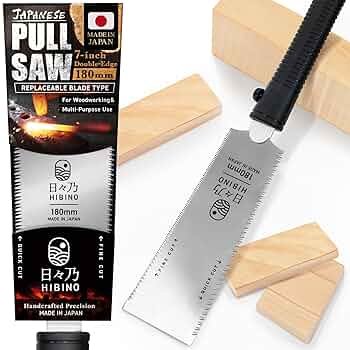
Are you ready to take your woodworking skills to the next level? Learning how to use a hand saw for precise cuts can make all the difference in your projects.
Whether you’re building furniture, fixing something around the house, or crafting a special piece, clean and accurate cuts save you time and frustration. In this guide, you’ll discover simple tips and techniques that anyone can follow to achieve perfect results every time.
Keep reading, and soon you’ll feel confident handling a hand saw like a pro.

Credit: www.youtube.com
Choosing The Right Hand Saw
Using a hand saw correctly helps you make clean and exact cuts. Picking the right saw is important for your project.
Different saws work better on different materials and cuts. Learn how to choose the best saw for your needs.
Types Of Hand Saws
There are several types of hand saws. Each type is made for a special task or material.
- Crosscut saws cut across the wood grain smoothly.
- Rip saws cut along the wood grain for quick cuts.
- Back saws have a stiff edge for precise, straight cuts.
- Keyhole saws are used for small, detailed cuts in wood or drywall.
Choosing the right type helps you cut accurately and with less effort.
Blade Selection Tips
The blade’s teeth size and shape affect the cut quality. Smaller teeth give smoother cuts. Larger teeth cut faster but rougher.
- Fine teeth (12-14 TPI) are good for finish cuts.
- Medium teeth (8-12 TPI) work well for general cutting.
- Large teeth (5-8 TPI) cut fast in softwood.
Choose a blade that fits the material and the cut type for best results.
Handle Comfort And Grip
A comfortable handle helps you control the saw and reduces hand fatigue. Look for a handle that fits your hand well.
- Wood handles feel warm and traditional.
- Plastic or rubber handles offer better grip when wet.
- Check for smooth edges to avoid blisters.
Good grip and comfort make cutting safer and more precise.
Preparing Your Workspace
Getting your workspace ready is important for making precise cuts with a hand saw. A clean and organized area helps you work safely and accurately.
Focus on securing the material, setting up good lighting, and using clamps properly. These steps make cutting easier and better.
Securing The Material
Keep the wood or material steady to avoid mistakes. Moving material can cause uneven cuts or accidents. Make sure it does not shift while cutting.
- Place the material on a flat, sturdy surface
- Hold it firmly with your hands or clamps
- Check that the material does not wobble
- Use a workbench if possible
Proper Lighting Setup
Good lighting helps you see the cutting line clearly. Shadows and dim light make it hard to cut straight. Arrange lights so the area is bright and even.
| Lighting Type | Best Use | Notes |
| Overhead Light | General Illumination | Provides broad, even light |
| Task Lamp | Focused Lighting | Shines directly on cutting area |
| Natural Light | Daytime Work | Use near windows, avoid glare |
Using Clamps Effectively
Clamps hold the material tightly and free your hands. Use them to keep wood firm and safe. Choose the right clamp size and place it well.
- Position clamps near the cutting area but not in the saw path
- Tighten clamps enough to hold the material without damaging it
- Use rubber pads on clamps to protect the material surface
- Check clamps before cutting to ensure they are secure
Marking Accurate Cut Lines
Marking accurate cut lines is key for precise sawing. Clear lines help you follow the cut exactly.
Using the right tools and methods makes your markings neat and easy to see. This reduces mistakes.
Tools For Precise Marking
Choose sharp and clear marking tools. A pencil or marking knife works well on wood.
A ruler or a square helps you draw straight and even lines. Chalk lines work for larger boards.
- Sharp pencil for fine lines
- Marking knife for thin, exact cuts
- Steel ruler or carpenter’s square
- Chalk line for long, straight marks
Techniques For Straight Lines
Hold your ruler or square firmly to avoid slips. Draw slowly and steadily for a clean line.
Use light pressure first to mark the line. Darken it only after you check the placement.
- Place ruler firmly on the wood
- Draw line with steady hand
- Use light strokes before darkening
- Check line from different angles
Measuring Twice Before Cutting
Measure your cut line two times to avoid errors. Double-check all measurements before marking.
Use a tape measure and a ruler for accuracy. Confirm the length and position match your plan.
- Measure from the same starting point
- Check measurements against your project
- Mark cut line after confirming size
- Review measurements before sawing
Mastering The Cutting Technique
Using a hand saw correctly helps you make clean and precise cuts. Good technique saves wood and reduces effort.
Focus on your posture, how you start the cut, and keeping a steady stroke. These steps improve your control.
Correct Sawing Posture
Stand with your feet shoulder-width apart for balance. Keep your body relaxed but steady.
Hold the saw handle firmly but not too tight. Your arm should move freely without strain.
- Feet flat and spaced evenly
- Back straight but not stiff
- Shoulders relaxed
- Firm grip on the saw handle
Starting The Cut Smoothly
Place the saw blade on the cut line gently. Use your thumb to guide the saw at first.
Make small back-and-forth motions until the blade bites into the wood. This prevents slipping.
- Align the saw with the cut mark
- Use your thumb as a guide
- Start with light, short strokes
- Increase stroke length once the cut starts
Maintaining A Steady Stroke
Use long, even strokes to cut smoothly. Avoid forcing the saw or rushing the job.
Keep the saw blade straight and follow the cut line closely. Let the saw do the work.
- Move the saw in steady, controlled motions
- Keep blade angle consistent
- Do not apply too much pressure
- Check your progress often
Troubleshooting Common Issues
Using a hand saw can be tricky. Some problems happen often. Fixing them helps get better cuts.
This guide looks at three common problems. Learn how to avoid blade binding, fix wobbly cuts, and deal with dull blades.
Avoiding Blade Binding
Blade binding happens when the saw blade gets stuck inside the wood. It slows down your work and can cause mistakes.
- Use a sharp blade to cut smoothly.
- Keep the wood clamped tight to stop movement.
- Cut along the marked line without forcing the saw.
- Make sure the cut kerf is wide enough for the blade.
- Keep the saw straight and avoid twisting it.
Fixing Wobbly Cuts
Wobbly cuts look uneven and rough. They happen when the saw moves side to side while cutting.
| Cause | How to Fix |
| Poor grip on saw | Hold the handle firmly with both hands |
| Wrong saw angle | Keep the saw blade at a consistent angle |
| Lack of guide | Use a straight edge or clamp a guide to the wood |
| Uneven pressure | Apply steady and even pressure when sawing |
Dealing With Dull Blades
Dull blades make cutting hard and slow. They can also cause splinters and rough edges.
Signs of a dull blade include:
- More force needed to cut
- Blade slips or binds often
- Cut edges look torn or rough
- Blade teeth appear worn or rounded
To fix this:
- Sharpen the blade with a file or sharpening tool
- Replace the blade if sharpening is not possible
- Clean the blade to remove pitch and resin build-up

Credit: longsharp.en.made-in-china.com
Finishing Touches
After making your cut with a hand saw, the work is not done. Finishing touches help create a clean, precise look. These steps improve the strength and appearance of your project.
Taking time to smooth edges, check accuracy, and care for your saw will make your cuts better and last longer.
Sanding Cut Edges
Sanding removes rough spots and splinters from your cut edges. It makes the wood smooth and safe to handle. Use fine-grit sandpaper for the best finish.
Sand along the grain of the wood, not against it. This helps keep the edge clean and even.
- Start with 120-grit sandpaper for rough areas
- Finish with 220-grit sandpaper for smoothness
- Use a sanding block for flat edges
- Wear a dust mask to avoid inhaling dust
Checking Cut Accuracy
Check your cut to make sure it matches your measurements. Use a square or ruler to confirm straightness and angle. This helps avoid mistakes before assembly.
Look closely for uneven lines or gaps. Fix small errors with light sanding or trimming. Accurate cuts make your project fit better.
- Place a carpenter’s square along the cut edge
- Measure length with a tape measure or ruler
- Compare the cut piece to the original plan or template
- Mark any spots that need correction
Maintaining Your Hand Saw
Proper care keeps your hand saw sharp and easy to use. Clean the blade after each use to remove sap and dust. Store the saw in a dry place.
Sharpen the teeth regularly to keep cuts clean and fast. A dull saw causes rough cuts and wastes effort.
- Wipe the blade with an oily cloth to stop rust
- Use a file to sharpen saw teeth evenly
- Check the handle for cracks or looseness
- Store the saw in a toolbox or hang it safely
Credit: www.familyhandyman.com
Frequently Asked Questions
How Do I Choose The Right Hand Saw For Precise Cuts?
Select a saw with fine teeth and a comfortable handle. Look for a blade length suited to your project. Choose a saw designed for the material you will cut, like wood or plastic.
What Is The Best Technique For Accurate Hand Saw Cuts?
Mark the cut line clearly with a pencil and ruler. Use steady, even strokes and keep the saw blade aligned. Start with a slow, controlled cut to guide the saw.
How Can I Maintain My Hand Saw For Better Performance?
Keep the blade clean and dry to prevent rust. Sharpen the teeth regularly using a file or professional service. Store the saw in a protective case or hang it safely.
Why Is Clamping The Workpiece Important During Sawing?
Clamping stabilizes the material, preventing movement while cutting. It ensures safety and accuracy by holding the workpiece firmly in place. This leads to cleaner, more precise cuts.
Conclusion
Mastering the hand saw takes patience and practice. Consistent effort leads to better results. Always choose the right saw for the job. This ensures cleaner, precise cuts. Keep your tools sharp and well-maintained. Safety should always be your top priority.
Protect your hands and eyes while cutting. Remember to measure twice, cut once. This saves time and reduces mistakes. With practice, your skills will improve. You’ll soon create smooth and accurate cuts. Enjoy the process and your growing confidence. Happy sawing!