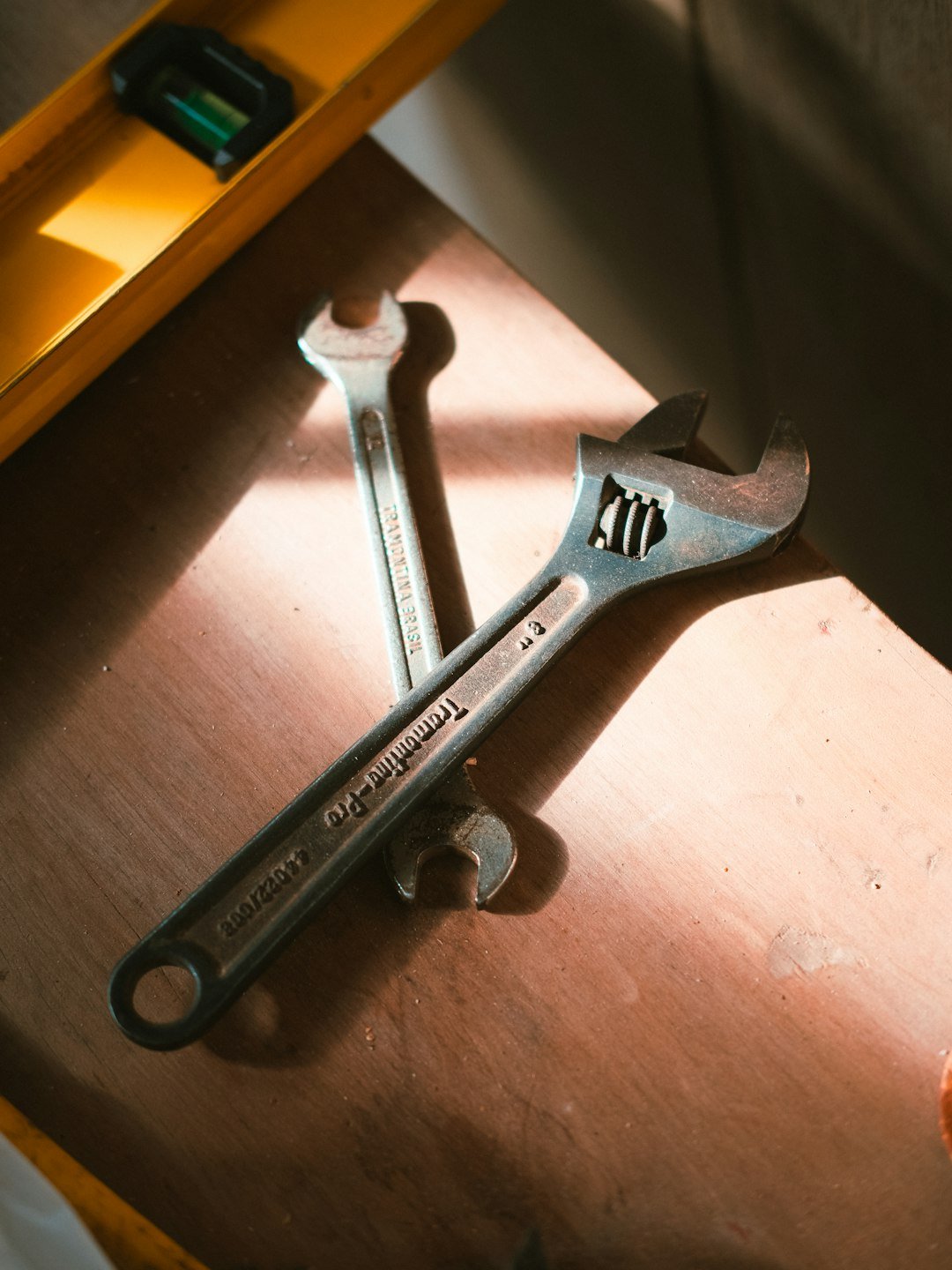
If you’ve ever struggled with a stubborn bolt or nut, you know how frustrating it can be to grab the wrong tool. An adjustable wrench is a simple gadget that can make your job easier—if you use it right.
You’ll discover practical tips to get the most out of your adjustable wrench. These tricks will save you time, protect your tools, and help you avoid common mistakes. Keep reading, and you’ll soon handle any task with confidence and ease.

Credit: www.youtube.com
Choosing The Right Wrench
An adjustable wrench is a handy tool for many jobs. Picking the right one helps you work better and safer.
Knowing the types, size, and material helps you find the best wrench for your needs.
Types Of Adjustable Wrenches
There are different types of adjustable wrenches made for specific tasks. The common types include the crescent wrench, pipe wrench, and spanner wrench.
- Crescent wrench:Used for nuts and bolts of various sizes.
- Pipe wrench:Designed for gripping round pipes and fittings.
- Spanner wrench:Fits special fasteners like round nuts or rings.
Size Matters
Choosing the right size wrench is important. A wrench too small or too large can damage fasteners or slip.
| Wrench Size | Recommended Use |
| 4 to 6 inches | Light household work |
| 8 to 10 inches | General mechanical repairs |
| 12 inches and above | Heavy-duty jobs |
Material And Build Quality
Strong materials give durability and prevent bending. Look for wrenches made from steel or alloy steel.
Check these features for quality:
- Heat-treated steel for strength
- Chrome plating to resist rust
- Smooth adjustment mechanism
- Comfortable grip handle
Proper Grip And Handling
Using an adjustable wrench correctly helps you work safely and efficiently. A good grip and proper handling reduce the chance of slipping and damage.
Focus on adjusting the tool well and positioning your hands right. These tips will guide you through the basics of using an adjustable wrench.
Correct Jaw Adjustment
Adjust the wrench jaw to fit tightly around the nut or bolt. A loose fit can cause slipping and damage the fastener.
- Turn the screw to open or close the jaw smoothly
- Fit the jaw snugly around the object before applying force
- Avoid forcing the wrench on a size that is too large or small
Positioning For Maximum Torque
Place the wrench handle so you can pull it toward you, not push it away. Pulling gives more control and reduces the chance of injury.
| Position | Benefit |
| Pulling handle towards you | More control, safer |
| Pushing handle away | Less control, risk of slipping |
| Wrench jaws aligned with fastener | Better grip and torque |
Avoiding Slips And Damage
Use these simple rules to keep your wrench from slipping and protect the workpiece.
- Keep the wrench clean and free of oil or grease
- Wear gloves for a better grip and hand protection
- Do not use a hammer or extension for extra force
- Replace worn or damaged wrenches immediately
Common Techniques
An adjustable wrench is a useful tool for many tasks. It can fit different sizes of bolts and nuts.
Using the right techniques helps you work faster and avoid damage. Learn how to use an adjustable wrench properly.
Loosening Stuck Bolts
Sometimes bolts get stuck from rust or tight fitting. An adjustable wrench can help loosen them safely.
Adjust the wrench to fit the bolt tightly. Too much space can strip the bolt edges.
- Set the wrench jaw close to the bolt size
- Pull the wrench handle slowly and steadily
- Try rocking the wrench back and forth gently
- Use penetrating oil if the bolt is very stuck
Tightening Fasteners Effectively
Use the adjustable wrench to tighten bolts and nuts without slipping. A good fit is key.
Turn the wrench clockwise for tightening. Keep pressure on the fixed jaw side to avoid damage.
- Adjust the wrench close to the fastener size
- Hold the wrench firmly on the fixed jaw side
- Turn smoothly to prevent slipping
- Stop when the fastener is snug, do not over-tighten
Using Leverage Safely
Leverage helps you apply more force with less effort. Use it carefully to avoid injury or damage.
Keep your hand close to the wrench handle end. Use steady pressure and avoid sudden force.
- Use the longest wrench handle possible
- Pull the wrench toward you, do not push
- Wear gloves to protect your hands
- Do not use pipe extensions on the wrench

Credit: www.youtube.com
Maintenance Tips
An adjustable wrench needs regular care to last long. Good maintenance keeps it working smoothly.
Follow simple steps to clean, lubricate, and store your wrench properly after use.
Cleaning After Use
Remove dirt and grease from your wrench after each job. This stops rust and damage.
- Wipe the wrench with a clean cloth.
- Use a brush to clean hard-to-reach places.
- Apply a mild soap solution if grease is stuck.
- Dry the wrench completely before storing.
Lubricating Moving Parts
Lubricate the wrench’s moving parts to keep them sliding smoothly. This reduces wear.
| Part | Lubricant Type | Frequency |
| Adjustment Screw | Light machine oil | Every month |
| Jaw Slide | Silicone spray | Every three months |
Storage Recommendations
Store your wrench in a dry place to avoid rust. Keep it organized to prevent damage.
- Use a toolbox or drawer with separators.
- Keep the wrench in a pouch or wrap it in a cloth.
- Store away from moisture and direct sunlight.
- Check the wrench before use to ensure it is clean and lubricated.
Safety Precautions
An adjustable wrench is a useful tool for many tasks. Using it safely helps prevent injuries. Follow these safety tips before and during use.
Always prepare properly and check your tools. This keeps you safe and makes your work easier.
Wearing Protective Gear
Wear the right protective gear to avoid injuries. Gloves protect your hands from pinches and slips. Safety glasses shield your eyes from flying debris or oil.
- Wear sturdy gloves with good grip
- Use safety glasses or goggles
- Wear closed-toe shoes to protect feet
- Consider ear protection if working in noisy areas
Inspecting Tools Before Use
Check your adjustable wrench before starting work. Look for cracks, rust, or worn parts. Make sure the jaw moves smoothly and locks firmly.
| Inspection Point | What to Check |
| Jaw | Moves freely, no damage |
| Handle | No cracks or bends |
| Adjustment Screw | Turns smoothly, not stripped |
| Cleanliness | Free of oil and dirt |
Avoiding Over-tightening
Do not use too much force with an adjustable wrench. Over-tightening can damage fasteners and cause the wrench to slip. This may lead to injuries or broken parts.
Follow these tips to avoid over-tightening:
- Turn the wrench until snug, then stop
- Use a torque wrench for precise tightness
- Avoid using cheater bars for extra leverage
- Replace worn wrenches that slip easily
Troubleshooting Common Issues
Using an adjustable wrench can be simple, but some problems may arise. Knowing how to fix these common issues helps keep your work smooth.
This guide covers three frequent problems and easy ways to solve them. Read on to handle jaw slippage, wrench adjustment troubles, and rounded nuts.
Jaw Slippage
Jaw slippage happens when the wrench loses grip on the nut or bolt. This can cause damage to both the tool and the fastener.
- Check if the jaws are clean and free of oil or dirt.
- Make sure the wrench size fits the fastener snugly.
- Tighten the adjustment screw fully before use.
- Replace the wrench if jaws are worn out or damaged.
Wrench Not Adjusting Smoothly
If the wrench does not move easily, dirt or rust may be inside the mechanism. This makes it hard to change the jaw size.
| Problem | Solution |
| Rust inside adjustment screw | Apply lubricant like WD-40 and work the screw back and forth |
| Dirt blocking movement | Clean the wrench with a brush and wipe dry |
| Damaged screw | Replace the wrench or get the part fixed by a professional |
Dealing With Rounded Nuts
Rounded nuts are hard to turn because their edges are worn down. Adjustable wrenches can slip off easily.
Try these tips to handle rounded nuts:
- Use a cloth or rubber band around the nut for better grip.
- Tap the wrench gently with a hammer to improve contact.
- Switch to locking pliers if the wrench still slips.
- Replace the nut if it is too damaged to hold.

Credit: www.youtube.com
Frequently Asked Questions
How Do I Adjust An Adjustable Wrench Properly?
To adjust an adjustable wrench, turn the thumbwheel until the jaws fit snugly around the fastener. Ensure a tight grip to prevent slipping and damage.
What Size Fasteners Work Best With Adjustable Wrenches?
Adjustable wrenches work best with medium to large-sized fasteners. Their adjustable jaws fit various sizes, making them versatile for many tasks.
Can I Use An Adjustable Wrench On Rusted Bolts?
Yes, but apply penetrating oil first. Use steady pressure and avoid sudden force to prevent rounding or damaging the bolt.
How Do I Maintain My Adjustable Wrench For Longevity?
Keep the wrench clean, dry, and lubricate the moving parts regularly. Store it in a dry place to prevent rust and ensure smooth operation.
Conclusion
Mastering an adjustable wrench takes practice and patience. Remember, always adjust the wrench snugly. This prevents slipping and potential injuries. Keep the tool clean and well-oiled for smooth operation. Choose the right size for the task at hand. This ensures efficiency and ease.
Always wear protective gear to safeguard yourself. With these tips, using an adjustable wrench becomes simpler. The more you practice, the better you become. Keep these suggestions in mind for future projects. Your skills will improve with time and experience.
Happy wrenching!