Have you ever struggled with a screwdriver that just won’t grip the screw properly? A dull screwdriver can slow you down and make even simple tasks frustrating.
But what if you could quickly bring your tools back to life and work more efficiently? You’ll discover easy, step-by-step ways to sharpen your screwdrivers at home. By the end, you’ll save time, avoid damage to screws, and get the job done like a pro.
Keep reading to unlock the secret to sharper, more effective screwdrivers!

Credit: www.reddit.com
Choosing The Right Screwdriver
Selecting the right screwdriver is important for safe and effective work. Using the wrong tool can damage the screw or the screwdriver tip.
Knowing the types of screwdrivers and matching them to screws helps you finish jobs faster and better.
Types Of Screwdrivers
Screwdrivers come in different shapes and sizes. Each type fits specific screw heads.
- Flathead: Has a single flat blade for slotted screws.
- Phillips: Features a cross shape for Phillips screws.
- Torx: Star-shaped tip for Torx screws, common in electronics.
- Hex: Hexagonal tip used for hex screws, often in furniture.
- Pozidriv: Similar to Phillips but with extra lines for more grip.
Matching Screwdriver To Screws
Choosing the right screwdriver size and type avoids stripping screws. The tip should fit snugly in the screw head.
| Screw Type | Screwdriver Type | Tip Size |
| Slotted | Flathead | Match blade width to slot width |
| Phillips | Phillips | Size 1, 2, or 3 based on screw |
| Torx | Torx | Check star size (T10, T15, T20, etc.) |
| Hex | Hex | Use correct hex size (3mm, 4mm, etc.) |
| Pozidriv | Pozidriv | Use matching Pozidriv size |
Tools Needed For Sharpening
Sharpening screwdrivers requires specific tools to get the job done well. Using the right tools helps maintain the shape and effectiveness of your screwdriver tips.
Safety is important during sharpening. Proper equipment protects you from injuries and dust.
Essential Sharpening Tools
You need a few key tools to sharpen screwdrivers correctly. These tools help you reshape the tip and restore its grip.
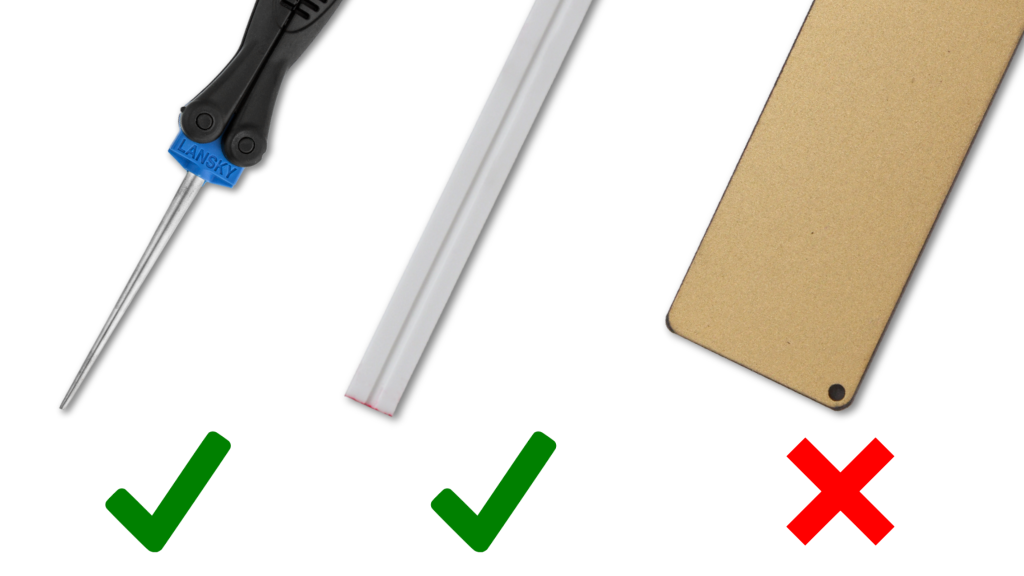
- Bench grinder or sharpening stone
- Flat file for shaping
- Angle guide to keep the correct tip angle
- Clamps or vise to hold the screwdriver steady
- Fine-grit sandpaper for finishing touches
Safety Equipment
Wear safety gear to protect yourself from sparks and metal shards. This gear keeps you safe during sharpening.
| Safety Gear | Purpose |
| Safety glasses | Protect eyes from flying debris |
| Gloves | Shield hands from sharp edges and heat |
| Dust mask | Prevent inhaling metal dust |
| Ear protection | Reduce noise from grinders |
Preparing The Screwdriver For Sharpening
Before sharpening a screwdriver, you need to prepare it well. This makes the sharpening process easier and safer.
Two key steps are cleaning the blade and securing the screwdriver firmly in place. These steps help you get a smooth, sharp edge.
Cleaning The Blade
Cleaning the blade removes dirt and rust. This helps the sharpening tool work better on the metal.
Use a cloth or wire brush to clean off any grease or grime. For rust, apply a rust remover or soak the blade in vinegar for a few minutes.
- Wipe the blade with a clean cloth
- Use a wire brush to scrub rust spots
- Apply rust remover or vinegar if needed
- Dry the blade fully before sharpening
Securing The Screwdriver
Hold the screwdriver firmly to avoid slips during sharpening. A stable grip protects your hands and makes sharpening easier.
Use a clamp or vise to hold the screwdriver in place. Make sure the blade is facing up and easy to reach with your sharpening tool.
- Place the screwdriver in a vise or clamp
- Tighten it so the blade does not move
- Position the blade for easy access
- Wear gloves for extra safety
Sharpening Techniques
Keeping your screwdrivers sharp helps you work better. Dull screwdrivers can slip and damage screws. There are several ways to sharpen your tools safely and easily.
These techniques include using a file, a grinder, or manual methods. Each way has its own benefits and tools needed.
Using A File
A file is a simple tool to sharpen screwdriver tips. It removes small amounts of metal to create a clean edge.
Hold the screwdriver firmly. Rub the flat file against the tip at the correct angle. Keep a steady motion to avoid uneven edges.
- Use a flat or triangular file
- Match the file angle to the screwdriver tip
- File in one direction, not back and forth
- Check the tip often for sharpness
Using A Grinder
A grinder sharpens screwdrivers faster than a file. It uses a spinning wheel to grind the metal tip.
Wear safety glasses and gloves before starting. Hold the screwdriver tip near the grinding wheel. Move it gently to shape the tip without overheating the metal.
- Use a bench or hand grinder
- Keep the tip cool by dipping in water
- Hold the screwdriver steady and at the right angle
- Grind in short bursts to avoid damage
Manual Sharpening Methods
You can sharpen screwdrivers without power tools. Manual methods use sandpaper or sharpening stones to smooth the tip.
Wrap fine sandpaper around a block or use a stone. Rub the screwdriver tip along the surface. Keep the angle steady and check your progress.
- Use fine grit sandpaper or sharpening stone
- Hold the screwdriver at the correct angle
- Rub the tip evenly on the surface
- Clean the tip after sharpening
Maintaining Proper Angle
Sharpening screwdrivers requires keeping the correct angle. This helps the blade cut better and last longer. Paying attention to the angle also prevents damage to the tool.
In this guide, you will learn about the ideal blade angle and tips for consistent sharpening. These steps make your screwdriver safer and easier to use.
Ideal Blade Angle
The best angle for sharpening depends on the screwdriver type. Usually, a flathead screwdriver is sharpened at 20 to 30 degrees. Phillips screwdrivers require a different approach, often around 15 to 20 degrees.
| Screwdriver Type | Recommended Angle |
|---|---|
| Flathead | 20° to 30° |
| Phillips | 15° to 20° |
| Torx | 20° |
Tips For Consistent Sharpening
- Hold the screwdriver steady and secure before sharpening.
- Use a guide or jig to maintain the same angle each time.
- Apply light pressure to avoid removing too much metal.
- Sharpen in smooth, even strokes along the blade edge.
- Check the angle often with a protractor or angle finder.
- Finish by honing the edge for a clean, sharp tip.
Credit: www.bladehq.com
Testing Screwdriver Sharpness
Checking if your screwdriver is sharp helps ensure it works well. A sharp tip fits screws better and reduces damage.
Two common ways to test sharpness are visual inspection and a practical screw driving test.
Visual Inspection
Look closely at the tip of your screwdriver under good light. A sharp tip should have clean, straight edges without chips or dents.
- Check for rounded or worn edges
- Look for any cracks or breaks
- Ensure the tip matches the screw head shape
- Use a magnifying glass for better detail
Practical Screw Driving Test
Try using the screwdriver on a screw to see how well it works. A sharp screwdriver will easily grip and turn the screw without slipping.
| Test Action | Expected Result for Sharpness |
| Insert screwdriver into screw head | Fits snugly without wiggle |
| Turn screw clockwise | Turns smoothly with firm grip |
| Check for slipping | No slipping or cam-out |
| Remove screwdriver | Tip undamaged and clean |
Preventing Future Dulling
Keeping your screwdrivers sharp helps them work better and last longer. Using and storing them right can stop the tips from wearing down quickly.
Here are some ways to protect your screwdrivers from dulling too fast.
Proper Usage Tips
Use screwdrivers only for their intended purpose. This prevents damage to the tip and keeps them sharp.
- Match the screwdriver size to the screw head.
- Do not use screwdrivers as pry bars or chisels.
- Apply steady pressure and turn slowly to avoid slipping.
- Keep screwdriver tips clean and free from rust.
Storage Recommendations
Proper storage stops screwdrivers from banging into hard surfaces and damaging the tips.
| Storage Method | Benefit |
| Toolbox with compartments | Prevents tools from rubbing against each other |
| Magnetic tool holder | Keeps screwdrivers organized and off surfaces |
| Tool roll or pouch | Protects tips and keeps tools clean |
| Wall-mounted racks | Easy access and reduces clutter |

Credit: www.youtube.com
Frequently Asked Questions
How Do I Sharpen A Flathead Screwdriver?
To sharpen a flathead screwdriver, use a fine metal file. Hold the file at a 45-degree angle. File the edges evenly until they are smooth and sharp. Finish by removing any burrs with a finer grit or sandpaper.
Can I Sharpen A Phillips Screwdriver At Home?
Yes, you can sharpen a Phillips screwdriver at home using a small triangular file. Carefully file inside the cross slots to restore sharp edges. Work slowly and evenly to maintain the original shape and fit.
What Tools Are Needed To Sharpen Screwdrivers?
You need a metal file, a sharpening stone, or a rotary tool with a grinding attachment. A vise or clamp helps hold the screwdriver steady. Safety glasses and gloves are recommended for protection during sharpening.
How Often Should Screwdrivers Be Sharpened?
Sharpen screwdrivers when their tips become dull or rounded. Regular inspection helps maintain tool effectiveness. Proper maintenance extends their lifespan and improves performance during use.
Conclusion
Sharpening screwdrivers can extend their life and improve efficiency. It’s a simple task. Just follow the steps and use the right tools. A sharp screwdriver ensures better grip and less effort. Practice makes perfect, so don’t rush. Regular sharpening prevents wear and tear.
Keep your tools sharp and ready. Share this guide with friends who love DIY. Remember, a well-maintained tool saves time and energy. Happy repairing!