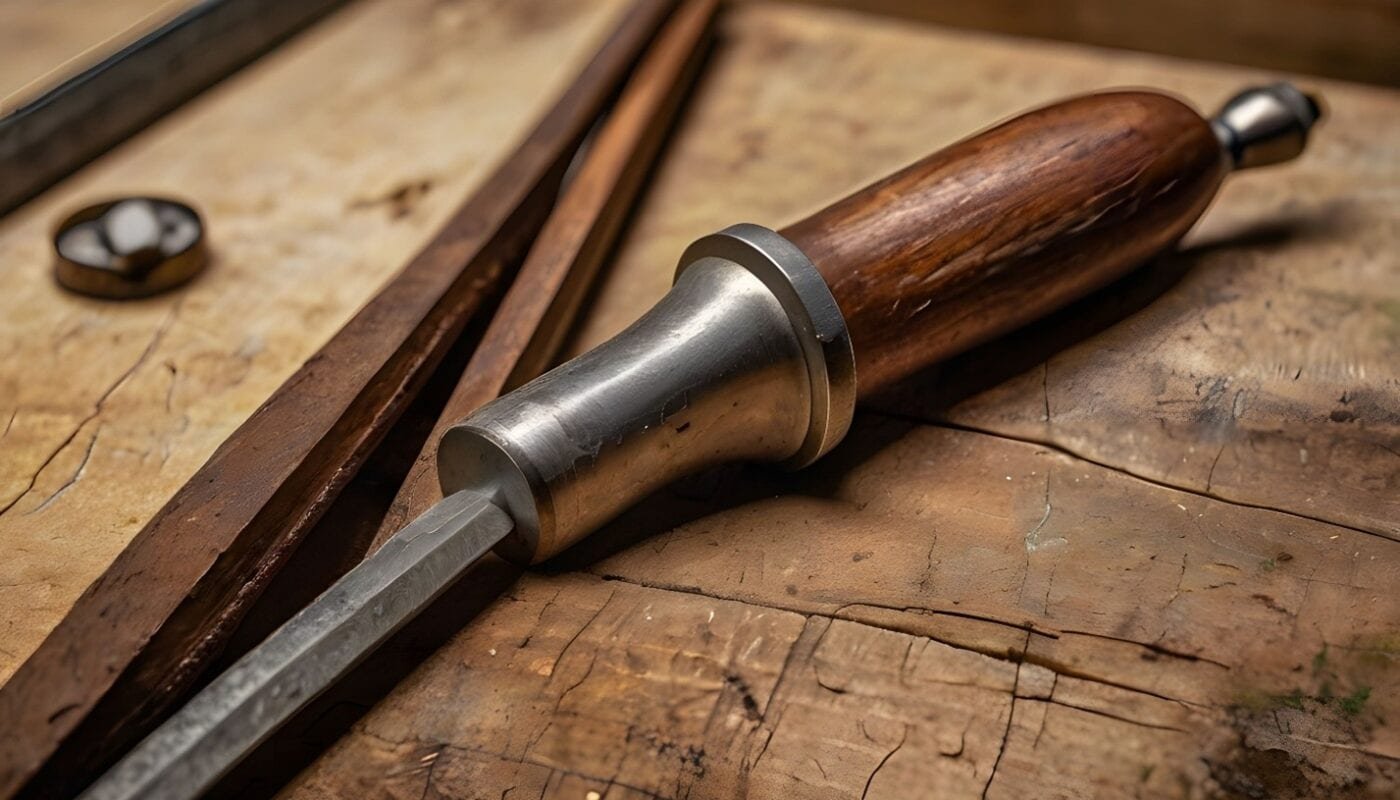
If you want your chisels to deliver sharp, precise cuts every time, you need to treat them right. Dull or damaged chisels don’t just slow you down—they can ruin your work and waste your effort.
But keeping your chisels in top shape isn’t as hard as you might think. With the right care and simple maintenance steps, you can extend their life and improve your craftsmanship. Ready to learn how to maintain your chisels for perfect cuts?
Keep reading, and you’ll discover easy tips that make a big difference.
Choosing Quality Chisels
Good chisels make cutting wood easier and more precise. Choosing the right chisel helps keep your work clean and smooth.
Quality chisels last longer and hold a sharp edge well. They give you better control for detailed work.
Types Of Chisels
There are many chisel types for different jobs. Each type has a special shape and use.
- Bench chisels: Used for general woodworking tasks.
- Paring chisels: Thin blades for fine trimming.
- Mortise chisels: Thick blades for heavy cutting.
- Corner chisels: Make sharp inside corners.
- Skew chisels: Angled edges for angled cuts.
Materials And Build
Good chisels use strong steel for sharp, lasting edges. The handle should feel comfortable and firm in your hand.
- High-carbon steel holds a sharp edge longer.
- Chrome-vanadium steel resists rust and damage.
- Wooden handles offer a natural grip and shock absorption.
- Plastic or composite handles are durable and low maintenance.
Selecting The Right Size
Choose chisel size based on your project and detail needed. Small chisels work well for fine cuts.
Larger chisels remove more wood quickly but need careful control. Keep several sizes handy for different tasks.
- 1/4 inch to 1/2 inch: Fine detail work.
- 3/4 inch to 1 inch: General woodworking.
- 1 1/4 inch and above: Heavy-duty or large cuts.
Sharpening Techniques
Keeping chisels sharp helps you make clean and precise cuts. Dull chisels can ruin your work and cause accidents.
Sharpening chisels is simple if you use the right tools and follow clear steps. This guide shows you how.
Tools For Sharpening
You need a few basic tools to sharpen your chisels properly. These tools help you get a smooth, sharp edge.
- Sharpening stones (water or oil stones)
- Leather strop with polishing compound
- Honing guide to keep the correct angle
- Lubricant like water or oil for stones
- Cloth to clean and dry the chisel
Step-by-step Sharpening Process
Start by cleaning the chisel to remove dirt. Then prepare your sharpening stones with water or oil.
Use the honing guide to hold the chisel at the right angle. Move the blade across the stone in smooth motions.
- Place the chisel in the honing guide
- Rub the bevel on the coarse stone evenly
- Switch to finer stones for a sharper edge
- Check the blade for a consistent sharp edge
- Use the leather strop to polish the blade
- Clean and dry the chisel after sharpening
Maintaining The Bevel Angle
The bevel angle controls how sharp and strong the chisel edge is. Keep this angle steady during sharpening.
Most chisels have a bevel angle between 25 and 30 degrees. Use a honing guide to keep this angle correct.
- Check the original bevel angle before sharpening
- Adjust the honing guide to match this angle
- Keep the chisel flat on the stone
- Sharpen evenly on both sides if needed
- Do not change the angle to avoid weakening the blade
Proper Cleaning And Storage
Keeping chisels clean and stored properly helps keep their edges sharp. It also stops rust and damage. This guide shows how to clean and store chisels well.
Regular care improves chisel performance. It also extends the tool’s life. Follow these simple steps for best results.
Removing Rust And Debris
Rust and dirt can dull chisels and cause damage. Remove these to keep the blade smooth and sharp. Use a wire brush or fine steel wool to clean the surface.
- Apply a rust remover or light oil to affected areas.
- Gently scrub rust spots with a wire brush or steel wool.
- Wipe off debris with a clean cloth.
- Repeat until the blade is clean and smooth.
Protecting The Blade
Protect the blade from rust and damage after cleaning. Use oil or wax to create a barrier. This keeps moisture away and prevents corrosion.
| Method | Details |
| Apply Light Oil | Use machine oil or mineral oil on the blade surface. |
| Use Wax | Rub a thin layer of paste wax for long-term protection. |
| Sharpen After Protection | Sharpen blade before oiling for best cutting results. |
Best Storage Practices
Store chisels in a dry place. Avoid damp or humid areas to stop rust. Use holders or racks to keep blades separate and safe.
- Use a tool roll or chisel rack to organize tools.
- Keep blades covered with guards or caps.
- Store in a toolbox with a moisture absorber.
- Check chisels regularly for signs of rust or damage.

Credit: daitool.com
Regular Inspection And Maintenance
Keeping your chisels in good condition helps you make precise cuts. Regular checks can find problems early. Simple care extends tool life.
Follow these tips for inspecting and maintaining your chisels. This will keep them sharp and safe to use.
Checking For Damage
Look carefully at the blade and handle before each use. Check for cracks, chips, or rust on the metal. The cutting edge should be sharp and smooth.
- Inspect the blade edge for dents or nicks
- Look for rust spots or discoloration
- Check the handle for cracks or looseness
- Make sure the blade fits tightly into the handle
Handle Care And Replacement
Wooden handles need regular care to avoid splitting. Clean handles with a dry cloth. Apply linseed oil to keep the wood strong and smooth.
If the handle is cracked or loose, replace it to avoid accidents. A secure handle gives better control and safety.
| Handle Condition | Action Needed |
| Smooth, no cracks | Clean and oil regularly |
| Minor cracks | Apply wood glue and clamp |
| Large cracks or loose | Replace handle immediately |
When To Regrind Or Replace
Sharpen your chisel if the edge is dull or chipped. Use a sharpening stone to regrind the blade. Keep the correct angle for precise cuts.
- Check if the blade has deep chips or cracks
- If sharpening does not fix the edge, consider replacing
- Replace if the blade is bent or damaged beyond repair
Using Chisels Correctly
Chisels are important tools for woodwork. Using them the right way helps you make clean and exact cuts.
Understanding how to handle chisels safely and accurately keeps your work neat and protects you from injury.
Safe Handling Tips
Always hold the chisel firmly with both hands. Keep your hands away from the cutting edge. Use a bench vise to hold the wood steady. Wear safety glasses to protect your eyes from chips.
- Grip the handle tightly but not too hard.
- Keep the blade sharp and clean.
- Work on a stable surface.
- Store chisels in a protective case.
- Never use a chisel as a screwdriver or pry bar.
Cutting Techniques For Precision
Start cuts by scoring the wood surface lightly. Use controlled, even pressure to guide the chisel. Keep the blade angle consistent to avoid uneven edges. Remove thin shavings instead of forcing deep cuts.
| Technique | Description |
| Paring | Push the chisel slowly to shave thin layers. |
| Chopping | Tap the chisel with a mallet for deeper cuts. |
| Skewing | Hold the chisel at an angle to make fine trims. |
Avoiding Common Mistakes
Many errors reduce chisel accuracy. Avoid dull blades that tear wood. Do not apply too much force. Keep your work area clean to prevent slips.
- Do not chip or damage the blade edge.
- Avoid twisting the chisel during cuts.
- Never cut towards your body.
- Sharpen chisels regularly for best results.
- Check blade alignment before use.

Credit: daitool.com

Credit: beavercrafttools.com
Frequently Asked Questions
How Often Should Chisels Be Sharpened For Best Results?
Chisels should be sharpened regularly, ideally before each use. Frequent sharpening ensures precise cuts and extends tool life. Dull chisels cause inaccurate cuts and more effort. Regular maintenance keeps the edge sharp and performance optimal.
What Is The Best Way To Clean Chisels After Use?
Clean chisels with a dry cloth to remove debris. Avoid water to prevent rust. For stubborn grime, use a mild solvent. Keeping chisels clean prevents damage and maintains cutting accuracy.
How Can I Prevent Rust On My Chisels?
Store chisels in a dry place and apply a light oil coat. Use rust inhibitors or silica gel packs in storage. Regularly inspect and clean chisels to avoid rust formation.
What Tools Are Recommended For Sharpening Chisels?
Use a sharpening stone or diamond stone for best results. Start with coarse grit, then move to finer grit for a sharp edge. Honing guides help maintain consistent angles for precise sharpening.
Conclusion
Proper chisel maintenance ensures precise, clean cuts every time. Regular sharpening keeps edges sharp. Wipe blades clean after each use. Store in a dry, safe place. Inspect for damage often. Replace worn handles to prevent accidents. Consistent care extends chisel life.
Avoid rust with protective oils. Practice these simple steps. Enjoy smoother woodworking projects. A well-maintained chisel makes work easier. It delivers better results and saves time. Your projects deserve the best tools. Keep them ready to perform.