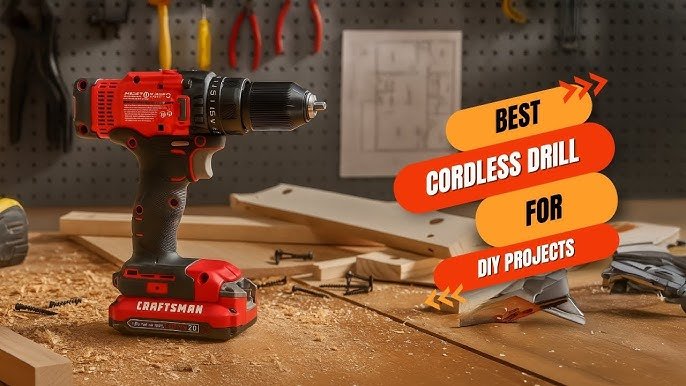
Are you ready to make your projects easier and faster? Using a cordless drill can be a game-changer for your DIY tasks.
Imagine having the freedom to move anywhere without worrying about tangled cords or finding an outlet. Whether you’re building, fixing, or creating, a cordless drill puts power and convenience right in your hands. Keep reading to discover how you can unlock the full potential of your cordless drill and take your projects to the next level.
Credit: www.slashgear.com
Choosing The Right Cordless Drill
Using a cordless drill makes many projects easier. Picking the right one can save time and effort.
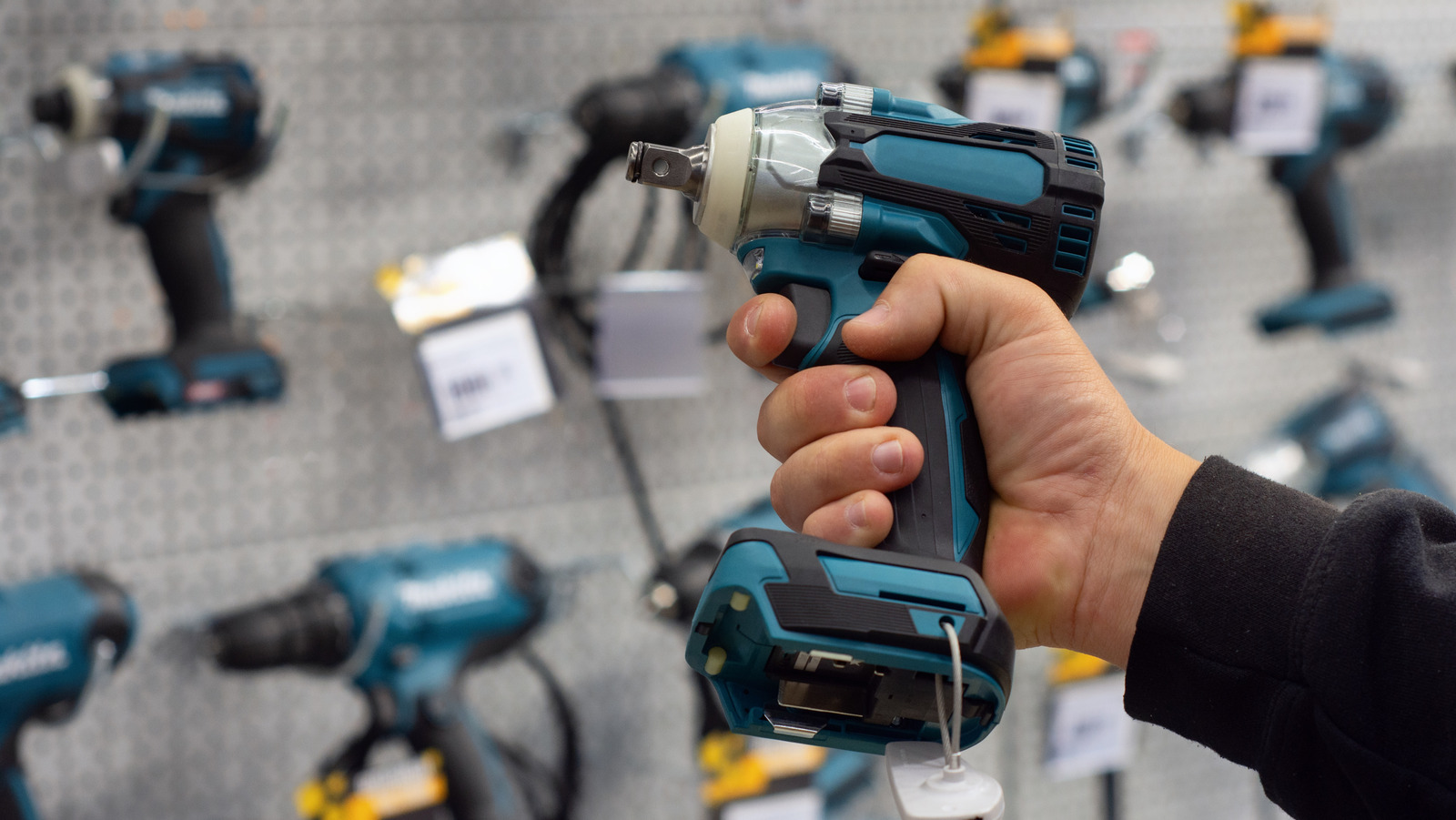
This guide helps you understand key features, battery options, and power settings to find the best drill for your needs.
Key Features To Look For
Look for a drill that feels comfortable in your hand. A good grip reduces fatigue during use. Also, check the drill’s weight. A lighter drill is easier to handle for long jobs.
- Ergonomic handle for comfort
- Lightweight design for easy use
- LED light for better visibility
- Durable casing to protect the drill
- Easy-to-change drill bits
Battery Types And Life
Cordless drills use different batteries. Lithium-ion batteries last longer and charge faster. NiCad batteries are cheaper but lose power quickly.
| Battery Type | Advantages | Disadvantages |
| Lithium-ion | Long life, fast charging | Higher cost |
| Nickel-Cadmium (NiCad) | Low cost | Shorter life, memory effect |
| Nickel-Metal Hydride (NiMH) | Good capacity | Heavier than lithium-ion |
Power And Speed Settings
Power matters for tough jobs. Higher voltage drills give more power. Speed settings let you control drilling speed for different materials.
- Low speed for screws and delicate materials
- High speed for drilling holes quickly
- Variable speed trigger for control
- Adjustable clutch to avoid overdriving screws
Credit: www.anikasdiylife.com
Preparing For Your Project
Using a cordless drill makes many projects easier. Before you start, prepare well for safety and success.
Good preparation helps you work faster and avoid problems. Plan your tools, safety gear, and workspace first.
Selecting The Appropriate Drill Bits
Choose the right drill bit for the material you will work on. Different bits fit wood, metal, or masonry.
Using the correct bit keeps your drill working well and protects the material from damage.
- Wood bits have a pointed tip for clean holes
- Metal bits are usually made of hardened steel
- Masonry bits have a carbide tip for concrete or brick
Safety Gear Essentials
Wear safety gear to protect yourself from dust and flying debris. Safety is very important.
Use the right equipment to keep your eyes, ears, and hands safe during drilling.
- Safety glasses to protect your eyes
- Ear protection to reduce noise
- Gloves for a better grip and hand safety
- Dust mask if drilling creates dust
Workspace Setup Tips
Prepare your workspace before drilling. A clean and organized area helps you work well and safely.
Make sure you have enough light and a stable surface to hold your project securely.
- Clear the area of clutter and hazards
- Use clamps to hold your work steady
- Keep your drill battery charged and ready
- Have a trash bin nearby for debris
Drilling Techniques For Best Results
Using a cordless drill correctly improves your project’s quality. Learning good drilling techniques helps you work safely and efficiently.
This guide covers grip and stance, smooth starting and stopping, and how to handle different materials.
Proper Grip And Stance
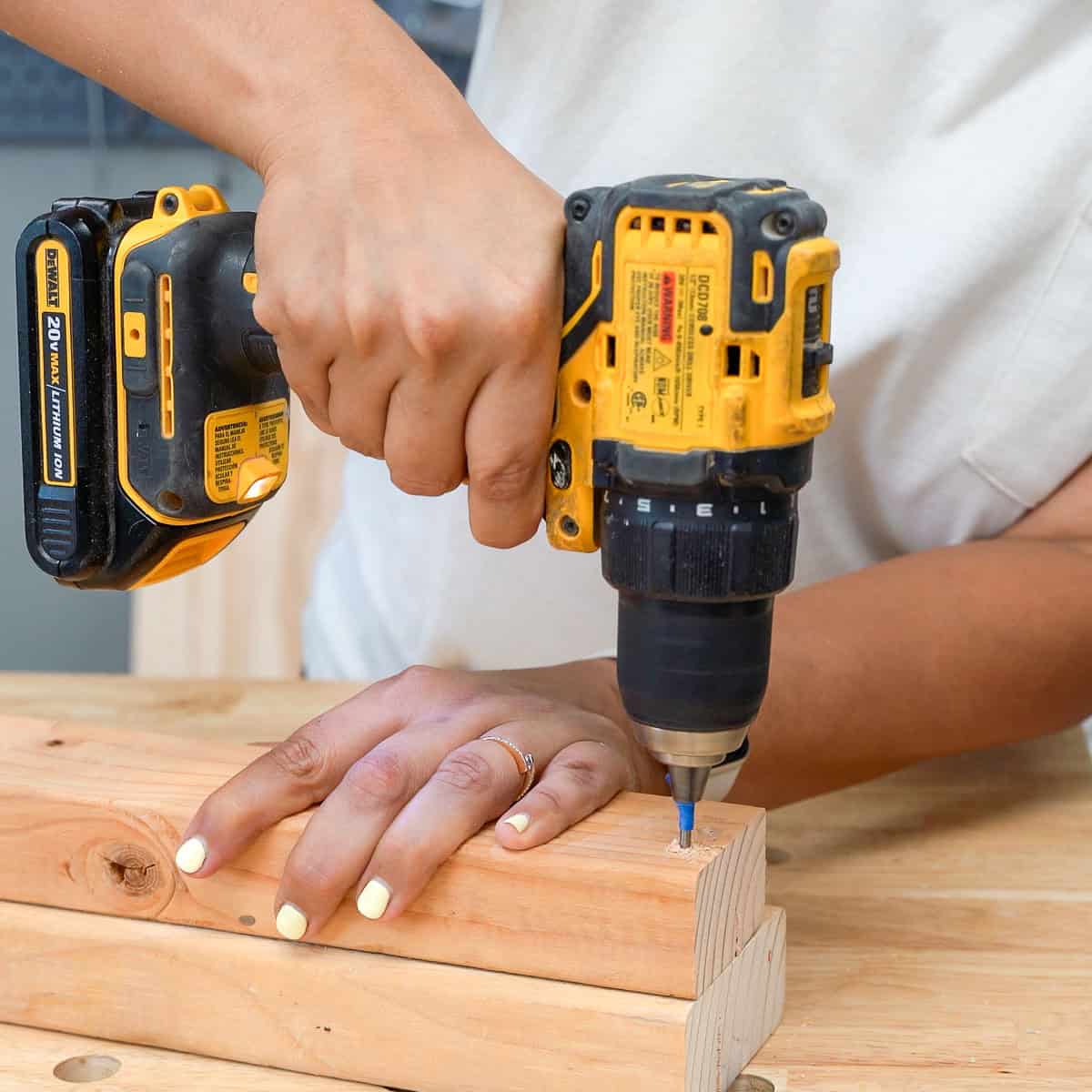
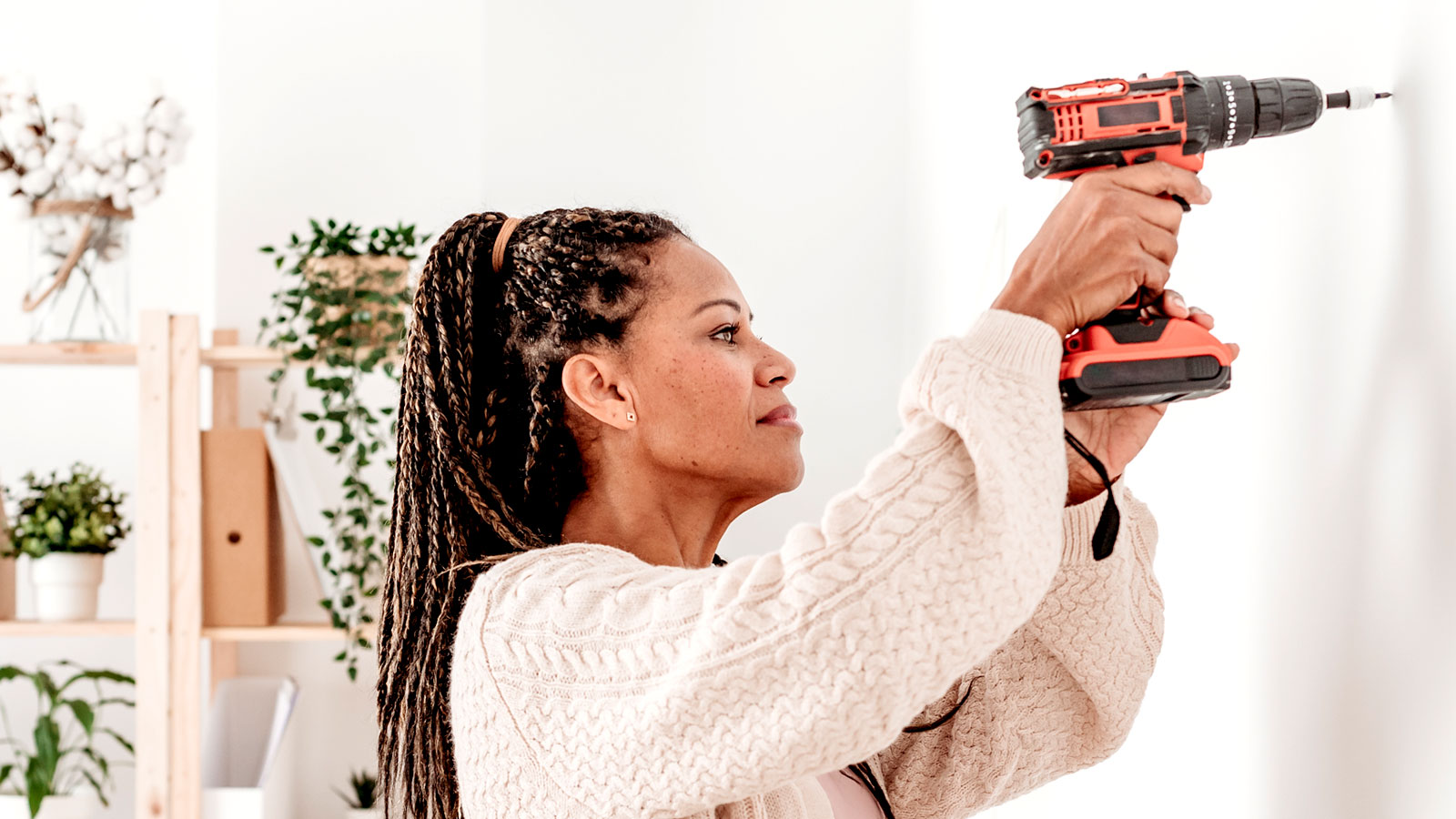
Hold the drill firmly with both hands. Keep your body balanced and feet shoulder-width apart. This stance helps you control the drill and apply steady pressure.
- Grip the handle with your dominant hand
- Support the drill with your other hand near the front
- Stand with feet apart for balance
- Keep your back straight to avoid strain
Starting And Stopping Smoothly
Begin drilling at a slow speed to create a small guide hole. Increase speed gradually for best results. Stop the drill before removing it from the hole to avoid damage.
| Action | Tip |
| Starting | Use low speed to prevent slipping |
| Drilling | Apply steady, even pressure |
| Stopping | Turn off drill before pulling out |
Handling Different Materials
Different materials need different drill bits and pressure. Use the right bit for wood, metal, or plastic to avoid damage. Adjust speed and force based on the material’s hardness.
Use this quick reference for drilling different materials:
- Wood:High speed, light pressure, wood bit
- Metal:Low speed, steady pressure, metal bit
- Plastic:Medium speed, gentle pressure, standard bit
Credit: www.homebuilding.co.uk
Maintenance And Care
Using a cordless drill regularly means it needs proper care. Good maintenance keeps it working well.
Simple steps help your drill last longer and perform safely during projects.
Cleaning And Storage
Clean your drill after each use to remove dust and debris. This prevents damage and keeps it running smoothly.
Store the drill in a dry place. Avoid humid or dusty areas to protect the motor and battery.
- Wipe the drill with a dry cloth
- Use compressed air to clear vents
- Keep drill in its case or a toolbox
- Store batteries separately if not used for a long time
Battery Charging Tips
Charge the battery fully before the first use. This helps the battery hold power longer.
Avoid overcharging by unplugging the charger once the battery is full. This protects battery life.
- Use the charger that came with the drill
- Charge batteries at room temperature
- Do not let the battery drain completely before charging
- Store batteries in a cool, dry place
Troubleshooting Common Issues
If your drill does not start, check if the battery is charged and properly inserted.
Sometimes the drill may run slowly. This could mean the battery is weak or the motor needs cleaning.
- Ensure battery is locked in place
- Clean vents to prevent overheating
- Check for worn drill bits that slow work
- Replace battery if it no longer holds a charge
Project Ideas To Try
Using a cordless drill can make many tasks easier and faster. It is a useful tool for different projects around the house and for creative work.
This guide shares ideas for projects you can try with a cordless drill. Each idea fits a different skill level and interest.
Simple Home Repairs
A cordless drill helps with quick fixes and small repairs. It saves time and effort when working on your home.
- Tighten loose door hinges
- Install curtain rods
- Fix cabinet handles
- Assemble shelves
- Mount wall hooks
Diy Furniture Builds
Build your own furniture with simple designs. A cordless drill helps drill holes and drive screws quickly.
| Furniture Type | Materials Needed | Key Drill Use |
| Bookshelf | Wood planks, screws | Drill holes, fasten screws |
| Storage Bench | Wood, hinges, screws | Attach hinges, assemble parts |
| Plant Stand | Wood, screws, paint | Drill pilot holes, screw parts |
Creative Craft Projects
Use a cordless drill for fun craft projects. It can help you make gifts or decorate your home.
Try these creative ideas:
- Make a wooden photo frame by drilling decorative holes.
- Build a birdhouse using small screws and wood pieces.
- Create a jewelry holder with drilled pegs on a wooden board.
Frequently Asked Questions
What Are The Main Benefits Of Using A Cordless Drill?
Cordless drills offer portability, convenience, and ease of use. They eliminate cords, allowing work in tight or remote spaces. Their rechargeable batteries provide power without restriction. Modern models offer adjustable speeds and torque for various tasks, making them versatile for DIY and professional projects.
How Do I Choose The Right Cordless Drill For Projects?
Consider battery type, voltage, and torque when choosing a cordless drill. Higher voltage means more power for tough jobs. Look for ergonomic design and weight for comfort. Check the drill’s chuck size to match your drill bits. Also, consider battery life and charging time.
Can A Cordless Drill Handle Heavy-duty Projects?
Yes, many cordless drills can manage heavy-duty tasks. Choose models with high voltage and strong torque ratings. Lithium-ion batteries provide consistent power for longer periods. However, extremely demanding jobs might still require corded drills or impact drivers for best performance.
How Long Does A Cordless Drill Battery Last?
Battery life varies by brand, model, and usage. Typical lithium-ion batteries last 1-3 hours of continuous use. Charging time ranges from 30 minutes to several hours. Having a spare battery helps avoid downtime during larger projects. Proper battery care extends its lifespan.
Conclusion
A cordless drill is a handy tool for many projects. Its portability and ease of use make tasks simpler. You can tackle various jobs around the home with it. From hanging shelves to assembling furniture, the possibilities are vast. Practice ensures better skills and results.
Always choose the right drill bit for the job. Safety should be your top priority. Wear protective gear and follow instructions closely. Investing in a good cordless drill saves time and effort. Happy drilling, and may your projects turn out great!