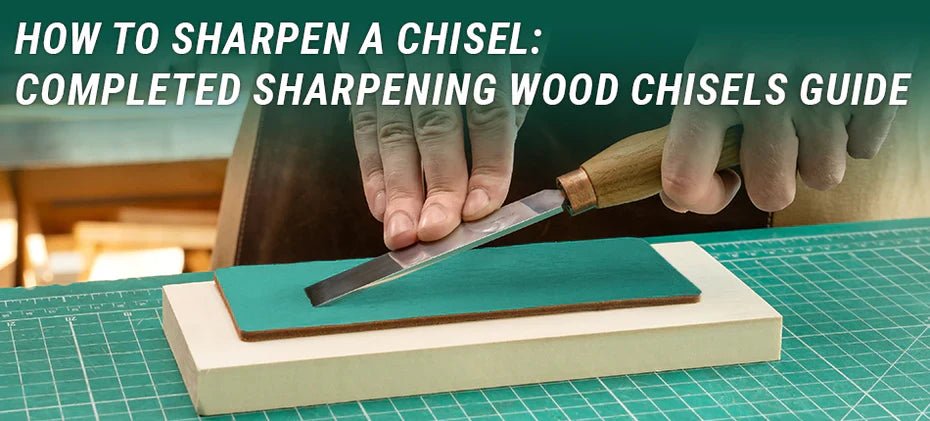
Are your chisels not cutting as smoothly as they used to? Dull chisels can make your woodworking frustrating and slow.
But sharpening them properly can bring back that perfect edge, making your work easier and more precise. In this guide, you’ll discover simple, effective steps to sharpen your chisels like a pro. By the end, you’ll have the confidence to keep your tools in top shape and enjoy every project even more.
Ready to transform your chisels and your craft? Let’s get started!
Choosing The Right Chisel
Choosing the right chisel is key to sharpening it properly. The right tool helps you work safely and get clean cuts.
Before sharpening, you must know what type of chisel suits your project. Also, quality matters for lasting sharpness.
Types Of Chisels
Chisels come in many shapes and sizes. Each type fits a different use or material. Picking the right kind makes sharpening easier.
- Bench Chisels: Used for general woodworking and carving.
- Mortise Chisels: Thicker blades for heavy-duty chopping.
- Paring Chisels: Thin and long for delicate trimming.
- Firmer Chisels: Strong and stiff for tough jobs.
- Corner Chisels: Designed for cutting sharp internal corners.
Material And Quality
| Material | Durability | Sharpening Ease |
|---|---|---|
| High Carbon Steel | High | Easy |
| Stainless Steel | Medium | Moderate |
| Chrome Vanadium | High | Moderate |
| Tool Steel | Very High | Hard |
Choose chisels made from strong steel. High carbon steel holds an edge well and sharpens easily. Tool steel lasts long but needs care when sharpening.

Credit: woodworkersinstitute.com
Essential Sharpening Tools
Sharpening chisels needs the right tools for best results. Using proper tools keeps blades sharp and safe.
Choosing good sharpening tools helps you work faster and achieve a clean edge on your chisels.
Whetstones And Grit Levels
Whetstones are flat stones used to sharpen chisels by grinding the blade edge. They come in different grit levels.
Low grit stones remove metal fast, while high grit stones polish the edge to sharpness.
- Coarse grit (200-400): Fixes damaged edges and reshapes blades
- Medium grit (800-1000): Sharpens dull edges
- Fine grit (3000-8000): Polishes and refines the blade edge
Honing Guides And Jigs
Honing guides keep chisels at the right angle while sharpening. They help maintain a consistent edge.
Jigs hold the chisel steady and make sharpening easier for beginners and experts alike.
- Clamp-style guides attach to the chisel blade
- Base jigs keep the blade flat on the stone
- Angle guides help set the perfect sharpening angle
Lubricants And Strops
Lubricants like water or oil help reduce friction on whetstones. They keep stones clean and improve sharpening.
Strops polish the blade edge after sharpening. They remove tiny burrs and make the chisel very sharp.
- Water or oil used as lubricant on whetstones
- Leather strops with polishing compound for final edge
- Canvas strops can also be used before leather
Preparing The Chisel
Before sharpening, you must prepare the chisel properly. This helps you get a sharp and clean edge.
Start by cleaning the blade and checking it for any damage. These steps make sharpening easier and safer.
Cleaning The Blade
Remove dirt, rust, and old oil from the blade before sharpening. A clean blade sharpens better and lasts longer.
- Use a soft cloth to wipe off dust and debris.
- Apply a rust remover if you see rust spots.
- Scrub gently with fine steel wool for tough grime.
- Dry the blade thoroughly to avoid new rust.
Checking For Damage
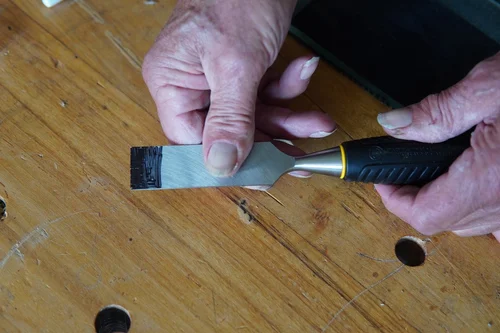
Look closely for chips, cracks, or bends on the blade. Damaged chisels need repair before sharpening.
| Type of Damage | What to Do |
| Small chips | Use a grinding wheel to smooth edges |
| Deep cracks | Replace the chisel for safety |
| Bent blade | Attempt to straighten carefully or replace |
Credit: www.anneofalltrades.com
Sharpening Techniques
Sharpening chisels makes your woodworking easier and safer. Good sharpening helps you cut cleanly and quickly.
Learn these techniques to keep your chisels sharp and ready to use all the time.
Setting The Bevel Angle
The bevel angle is how sharp the edge will be. Setting it right is key to a good sharp chisel. Most chisels have a bevel angle between 25 and 30 degrees.
Use a guide to hold the chisel steady and keep the angle consistent while sharpening.
Using Coarse To Fine Grits
Start sharpening with a coarse grit stone to shape the edge. Then move to medium and fine grit stones to polish the blade. This process removes scratches and makes the edge sharp.
- Coarse grit: removes chips and reshapes the edge
- Medium grit: smooths the edge and removes coarse scratches
- Fine grit: polishes the edge for a sharp cut
Maintaining Consistent Pressure
Apply even pressure on the chisel while sharpening. Press too hard and you can damage the blade. Press too light and sharpening takes too long.
| Pressure Level | Effect |
| Too hard | Blade damage and uneven edge |
| Too light | Slow sharpening and dull edge |
| Consistent medium | Sharp edge and longer blade life |
Honing For A Razor Edge
Sharpening chisels is key for clean and precise cuts. Honing helps achieve a sharp, smooth edge.
Honing removes tiny burrs and polishes the blade. This process gives the chisel a razor-sharp finish.
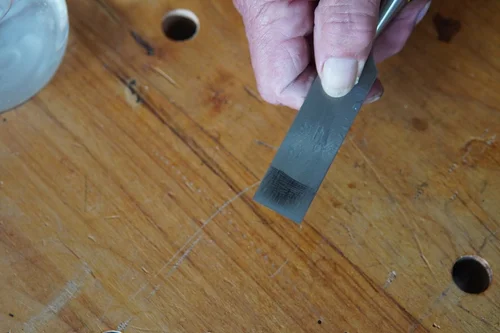
Removing The Burr
After sharpening, a burr forms on the chisel edge. This burr must be removed for a clean cut.
Use a fine sharpening stone or strop to gently remove the burr. Move the blade at a consistent angle.
- Hold the chisel at the same angle as sharpening
- Make light strokes on the stone or strop
- Check the edge by feel or visual inspection
Using Leather Strops
Leather strops polish the edge and remove small burrs. They refine the sharpness after stones.
Apply light pressure and drag the chisel backward on the strop. Keep the blade angle steady.
- Use a clean leather strop
- Pull the blade away from the edge
- Repeat 10 to 20 times per side
Applying Polishing Compounds
Polishing compounds improve the strop’s ability to sharpen. They add fine abrasive particles to the leather.
Spread a small amount of compound on the strop surface before stropping. This helps create a mirror-like edge.
- Choose a fine polishing compound like jeweler’s rouge
- Apply evenly on the leather strop
- Use light, even strokes on the strop
Testing Sharpness
Checking how sharp your chisel is helps you work better and safer. Sharp tools cut cleaner and need less effort. Use simple tests to see if your chisel blade is ready for work.
Two common tests are the Paper Slice Test and the Wood Shaving Test. Both show how well the chisel edge cuts through different materials.
Paper Slice Test
This test uses a thin sheet of paper to check sharpness. A sharp chisel slices the paper smoothly without tearing or bending it.
- Hold a piece of paper firmly.
- Angle the chisel blade slightly above the paper.
- Draw the blade gently across the paper in one motion.
- Look for a clean, straight cut without snags.
- If the paper tears or folds, the chisel needs more sharpening.
Wood Shaving Test
This test shows how the chisel performs on real wood. Sharp chisels produce thin, smooth shavings without digging in or crushing the wood.
| Sharp Chisel | Dull Chisel |
| Thin, even shavings | Thick, rough shavings |
| Easy to push | Requires more force |
| Smooth wood surface | Ragged wood surface |
Safety Tips And Maintenance
Sharpening chisels keeps them effective and safe. Proper care helps you avoid accidents.
Follow safety rules and maintain your tools for longer use.
Safe Handling Practices
Always handle chisels carefully to prevent injuries. Keep the sharp edge away from your body.
- Wear safety glasses to protect your eyes.
- Use gloves to avoid cuts while sharpening.
- Hold the chisel firmly with a non-slip grip.
- Keep your work area clean and well-lit.
- Do not rush; sharpen slowly and steadily.
Regular Care And Storage
Maintain chisels by cleaning and storing them properly. This stops rust and damage.
| Care Task | Details |
| Cleaning | Wipe blades after use to remove dirt and moisture. |
| Oiling | Apply light oil to prevent rust on metal parts. |
| Storage | Store chisels in a dry place with blade guards. |
| Inspection | Check for chips or dull edges before each use. |
Credit: www.anneofalltrades.com
Frequently Asked Questions
How Often Should Chisels Be Sharpened For Best Results?
Chisels should be sharpened regularly, ideally before each major project. Frequent sharpening maintains a sharp edge, improving precision and safety during use. Dull chisels require more force and can damage wood or cause accidents.
What Tools Are Needed To Sharpen Chisels Properly?
To sharpen chisels, you need sharpening stones or a honing guide. Water stones, oil stones, or diamond stones work well. A leather strop helps polish and refine the edge for a razor-sharp finish.
What Angle Is Best For Sharpening Chisel Edges?
The ideal sharpening angle for chisels is between 25 to 30 degrees. This angle balances sharpness and durability. Maintaining a consistent angle ensures the chisel edge stays sharp longer and performs efficiently.
Can Chisels Be Sharpened Without Professional Equipment?
Yes, chisels can be sharpened at home using affordable tools like sharpening stones. Even sandpaper on a flat surface can work for minor touch-ups. Proper technique and patience are key to achieving a sharp edge.
Conclusion
Sharpening chisels is an essential skill for any woodworker. Regular practice ensures sharper tools and better results. Always use the right tools and techniques. Consistency is key to maintaining sharp edges. A sharp chisel makes every project smoother and more precise.
Remember to check your tools often for wear. Safe handling prevents accidents and extends tool life. Keep your workspace clean and organized. Enjoy the satisfaction of working with sharp, efficient chisels. Happy woodworking!