Are you ready to tackle that electrical project but feeling a bit unsure about using a circuit tester? You’re not alone.
Many people find the world of circuits and wires a bit intimidating. But here’s the good news: using a circuit tester is simpler than you might think. Imagine having the power to confidently check electrical connections in your home, saving time and potentially preventing costly mistakes.
This guide is your ticket to mastering the circuit tester, offering you easy-to-follow steps and tips. Stick around and discover how this handy tool can make your life easier, safer, and a bit more electrifying!
Credit: mrelectric.com
Choosing The Right Circuit Tester
Using a circuit tester helps find electrical problems quickly. Picking the right tester makes your work easier and safer.
There are different types of testers for various jobs. Knowing their features and safety ratings helps you choose well.
Types Of Circuit Testers
Circuit testers come in many forms. Each type suits different tasks and skill levels.
- Voltage Tester:Checks if a wire has power.
- Continuity Tester:Finds breaks in wires or circuits.
- Multimeter:Measures voltage, current, and resistance.
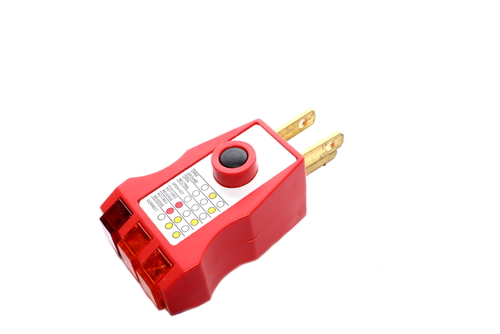
- Socket Tester:Tests wall outlets for proper wiring.
Features To Look For
Good features make testing faster and clearer. Look for easy-to-read displays and sound alerts.
- Clear Display:Shows results with numbers or lights.
- Audible Alerts:Beeps to signal voltage or faults.
- Auto-Ranging:Automatically selects the correct measurement.
- Durability:Strong build to last in tough conditions.
- Battery Life:Long-lasting batteries reduce interruptions.
Safety Ratings And Certifications
Safety is key when working with electricity. Choose testers with proper ratings and certifications.
Look for testers rated for the voltage you will test. Certifications show the tester meets safety standards.
- CAT Ratings:Indicate the tester’s protection level for different environments.
- UL Certification:Shows the tester passed safety tests.
- CE Marking:Means it meets European safety rules.
Preparing For Testing
Using a circuit tester helps check electrical circuits safely. Preparing properly keeps you safe and makes testing easier.
This guide covers what tools to gather, safety steps, and how to find testing points.
Gathering Necessary Tools
Collecting the right tools lets you test circuits without delays. Have all items ready before you start.
- Circuit tester or multimeter
- Insulated gloves
- Safety glasses
- Wire strippers
- Electrical tape
- Flashlight
- Notebook and pen for notes
Safety Precautions
Safety is crucial when testing electrical circuits. Follow these precautions to avoid accidents.
| Safety Tip | Description |
| Turn off power | Always switch off the circuit before testing. |
| Wear protective gear | Use gloves and glasses to prevent shocks and injuries. |
| Check for damage | Inspect wires and tools for wear or breaks. |
| Use insulated tools | Prevents accidental electric shocks during testing. |
| Work in dry area | Water increases risk of electric shock. |
Identifying Testing Points
Find the right spots on the circuit to connect your tester. This step helps get accurate results.
- Locate the circuit breaker or fuse box
- Find terminals or wire ends to test
- Check circuit diagrams if available
- Use labels or color codes on wires
- Mark testing points for easy access
Basic Testing Procedures
Using a circuit tester helps find problems in electrical circuits. It shows if power flows and if parts work right. Learning basic testing steps makes this easier and safer.
This guide covers how to test power, check continuity, and measure voltage and current with a circuit tester.
Testing For Power
To test for power, connect the tester’s leads to the circuit’s power source. A reading or light on the tester shows power is present. No reading means no power.
- Turn off the device before connecting the tester.
- Attach the black lead to the ground or negative terminal.
- Touch the red lead to the positive terminal or wire.
- Look for a light or meter reading on the tester.
Checking Continuity
Continuity shows if a wire or circuit is complete. The tester beeps or shows zero resistance when the path is good. No beep means the path is broken.
| Tester Response | Meaning |
|---|---|
| Beep sound or zero reading | Continuous path, circuit is closed |
| No beep or infinite reading | Broken path, circuit is open |
Measuring Voltage And Current
Measuring voltage and current shows how much power flows in a circuit. Use the tester dial to select voltage (V) or current (A) mode. Connect the leads correctly to get safe and accurate results.
- Set the tester to the correct measurement type and range.
- Connect the leads: red to positive, black to negative or ground.
- For voltage, connect leads across the component or circuit part.
- For current, connect the tester in series with the circuit.
- Read the value on the tester display.
Interpreting Test Results
Using a circuit tester is easy once you know how to read the results. The tester shows if a circuit has power or if there is a fault.
Understanding the signals from your tester helps you find electrical problems quickly. Let’s look at common ways to interpret these results.
Reading Indicator Lights
Many circuit testers use lights to show test results. A green light usually means the circuit is good.
A red or no light can mean there is no power or a break in the circuit. Watch the light pattern carefully.
- Green light: Circuit has power
- Red light: Circuit may be faulty
- No light: No power or bad connection
Using Digital Displays
Digital circuit testers show numbers to help you understand the circuit’s condition. The display might show voltage or resistance.
Higher voltage numbers mean power is present. Low or zero voltage means no power or a broken circuit.
- Voltage above 0: Power is present
- Voltage at 0: No power detected
- Resistance values: Help find breaks in wiring
Common Error Signs
Some signs show common errors. Flickering lights or strange numbers can mean loose connections or bad wiring.
Errors also occur if the tester is used incorrectly. Check connections and settings if you get unusual results.
- Flickering lights: Loose or weak connections
- Sudden zero reading: Broken wire or switch off
- Inconsistent numbers: Tester not connected properly
Troubleshooting Tips
Using a circuit tester can be tricky without the right guidance. Troubleshooting helps you find the problem quickly. This guide covers common issues and how to handle them.
Follow these tips to get accurate readings and know when your tester needs attention. Proper use saves time and prevents errors.
Dealing With False Readings
False readings happen when the tester shows power or continuity that is not really there. This can confuse your diagnosis and lead to wrong fixes.
- Check the tester’s battery; low power often causes errors.
- Make sure the probes touch clean, bare metal surfaces.
- Avoid testing near strong electromagnetic fields or motors.
- Confirm the tester’s settings match the circuit type.
- Test the device on a known live circuit to verify it works correctly.
Testing Complex Circuits
Complex circuits have many parts that affect each other. Testing these needs careful steps to avoid damage or wrong results.
| Tip | Reason |
| Disconnect power before testing | Prevents short circuits and shocks |
| Test sections separately | Isolates problems for easier finding |
| Use the right tester mode | Ensures correct readings for voltage or resistance |
| Document results | Keeps track of what you tested and found |
When To Replace The Tester
Even good testers wear out. Using a bad tester can cause mistakes and even damage parts.
Watch for these signs to know if your tester needs replacing:
- The display is dim or unreadable.
- The readings jump or flicker.
- Probes or leads are cracked or broken.
- The tester fails a known live test.
- Buttons or switches stick or fail to work.
Credit: www.ersaelectronics.com
Maintaining Your Circuit Tester
Keeping your circuit tester in good shape helps it work well and last longer. Regular care avoids problems and ensures accurate readings.
Simple maintenance steps can protect your tool and save money on repairs or replacements.
Cleaning And Storage
Clean your circuit tester after each use. Dirt and dust can cause errors or damage the device.
Store it in a dry, cool place to avoid moisture and heat problems. Use a case if available to protect it from drops.
- Wipe the tester with a dry cloth
- Do not use water or cleaning liquids
- Keep it away from direct sunlight
- Store in a protective case or box
Regular Calibration
Calibration keeps your circuit tester accurate. Check its calibration every few months or after heavy use.
Send it to a professional service for calibration or use a known voltage source to test it yourself.
- Set a reminder for calibration dates
- Compare readings with a trusted meter
- Do not use the tester if readings seem wrong
- Follow the manufacturer’s calibration instructions
Battery Care
Check the battery regularly to keep your circuit tester powered. Weak batteries cause wrong readings or device failure.
Replace batteries when low and remove them if you will not use the tester for a long time to avoid leaks.
- Use the battery type recommended by the manufacturer
- Keep spare batteries ready for use
- Remove batteries if storing the tester for months
- Check battery contacts for corrosion and clean if needed

Credit: www.amazon.ca
Frequently Asked Questions
What Is A Circuit Tester Used For?
A circuit tester checks electrical circuits for voltage, continuity, and wiring faults. It helps identify live wires and detects short circuits quickly.
How Do I Safely Use A Circuit Tester?
Always turn off power before testing. Use insulated tools and wear protective gear. Follow the tester’s instructions carefully to avoid shocks.
Can A Circuit Tester Detect All Electrical Issues?
Circuit testers find voltage presence, breaks, and shorts but may not detect complex faults. Use advanced tools for detailed diagnostics.
Which Circuit Tester Is Best For Beginners?
Non-contact voltage testers are ideal for beginners. They are easy to use and safely detect live wires without direct contact.
Conclusion
Using a circuit tester helps find electrical problems fast. It shows if wires and devices work well. Always follow safety steps to avoid shocks. Practice using the tester on simple circuits first. This tool saves time and prevents bigger issues later.
Keep your circuit tester handy for quick checks. Understanding how to use it makes repairs easier. Stay safe and test carefully every time. Small efforts lead to better results in electrical work.