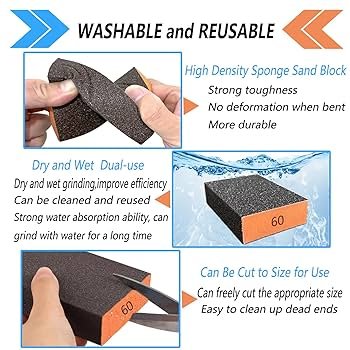
If you want your woodworking or DIY projects to look smooth and professional, mastering the use of a sanding block is key. You might think sanding is just about rubbing surfaces, but using a sanding block efficiently can save you time, reduce frustration, and give you a flawless finish every time.
You’ll discover simple tips that make sanding easier and more effective. Keep reading, and you’ll learn how to get the best results with less effort—turning your projects from good to great.
Choosing The Right Sanding Block
Sanding blocks help smooth surfaces before painting or finishing. Picking the right block makes your work easier and cleaner.
Different blocks suit different projects. Think about the block type, grit size, and material before you start.
Types Of Sanding Blocks
You can find sanding blocks in many forms. Some are simple foam, others have handles or special shapes for corners.
- Foam blocks work well on curved surfaces.
- Wooden blocks give firm support for flat surfaces.
- Rubber blocks offer flexibility and grip.
- Plastic blocks are durable and lightweight.
Selecting Grit Sizes
Grit size shows how rough or smooth the sandpaper is. Lower numbers mean rougher grit, higher numbers mean finer grit.
| Grit Size | Use |
| 40-60 | Heavy sanding and stripping |
| 80-120 | Removing old paint and smoothing surfaces |
| 150-180 | Final sanding before finishing |
| 220-400 | Polishing and smoothing fine surfaces |
Materials And Durability
Sanding blocks come in many materials. Choose one that lasts long and fits your project needs.
- Foam:Soft, good for delicate surfaces, but wears out quickly.
- Wood:Strong and durable, best for flat sanding.
- Rubber:Flexible and long-lasting, good for curves.
- Plastic:Lightweight and sturdy, easy to clean.

Credit: www.woodcraft.com
Preparing For Sanding
Using a sanding block helps smooth surfaces evenly. Proper preparation makes sanding easier and safer.
Getting ready includes cleaning the surface, taking safety steps, and gathering tools. This saves time and improves results.
Surface Cleaning
Clean the surface before sanding to remove dust and dirt. Dirt can cause scratches or uneven sanding.
Use a damp cloth or brush to wipe the area well. Let it dry completely before you start sanding.
Safety Precautions
Wear protective gear to keep yourself safe while sanding. Sanding creates dust and small particles.
- Wear a dust mask to avoid breathing dust
- Use safety glasses to protect your eyes
- Wear gloves to protect your hands
- Work in a well-ventilated area
Gathering Essential Tools
Collect all tools before you begin. This saves time and helps you work without interruptions.
- Sanding block with the right grit sandpaper
- Cloth or brush for cleaning
- Dust mask and safety glasses
- Gloves for hand protection
- Vacuum or brush to clean dust after sanding
Sanding Techniques For Smooth Surfaces
Using a sanding block correctly helps create smooth surfaces on wood or other materials. It removes rough spots and prepares the area for finishing.
Good sanding techniques save time and improve the final look of your project. Learning proper hand movements, pressure, and working with the grain makes a big difference.
Proper Hand Movements
Move the sanding block in steady, even strokes. Use long, straight motions rather than small circles. This keeps the surface flat and avoids uneven spots.
- Keep your wrist relaxed
- Use your whole arm for movement
- Sand in the same direction consistently
- Overlap each stroke slightly
Maintaining Even Pressure
Apply light but firm pressure to the sanding block. Pressing too hard can cause dips or scratches. Too little pressure wastes effort and takes longer.
| Pressure Level | Effect on Surface |
|---|---|
| Light | Slow sanding, less material removed |
| Moderate | Even sanding, smooth finish |
| Heavy | Uneven surface, scratches, gouges |
Working With The Grain
Sanding along the grain of the wood keeps the finish clean. Sanding across the grain causes visible scratches and rough areas.
Tips for working with the grain:
- Identify the direction of the grain before sanding
- Align your sanding block so it moves with the grain
- Check your work often to avoid cross-grain scratches
Avoiding Common Sanding Mistakes
Using a sanding block is a simple way to smooth surfaces. Many people make mistakes that cause problems.
These errors can ruin the finish or waste time. Learn how to avoid them for better results.
Preventing Uneven Finishes
Uneven sanding leaves bumps or rough spots. Keep the sanding block flat on the surface.
- Use even pressure with both hands
- Move the block in slow, steady strokes
- Sand along the grain, not across it
- Check your work often for smoothness
- Replace sandpaper when it clogs
Dealing With Over-sanding
Over-sanding removes too much material. This can cause weak spots or damage.
| Problem | How to Avoid |
| Thin spots | Sand lightly and check thickness often |
| Surface damage | Use finer grit sandpaper for final passes |
| Uneven areas | Keep the sanding block level and steady |
Handling Hard-to-reach Areas
Some spots are tricky to sand with a block. Corners and curves need special care.
- Use a smaller sanding sponge or wrap sandpaper around a stick
- Smooth corners with gentle, circular motions
- Work slowly to avoid gouging or uneven sanding
- Switch to hand sanding for tight spots
Advanced Tips For Flawless Finishes
Using a sanding block well can improve your project’s look. Smooth surfaces need more than just rough sanding.
These tips help you get fine finishes with less effort and better results. Focus on technique and tools.
Using Wet Sanding Methods
Wet sanding uses water to reduce dust and heat while sanding. It helps get a smooth, even finish.
Keep the surface wet and rinse the block often to avoid clogging. Use fine grit sandpaper for best results.
- Start with 400 grit or finer sandpaper
- Dip the sanding block in water before use
- Sand gently in circular motions
- Wipe the surface clean often
Combining Sanding With Other Tools
Use sanding blocks with other tools for better finishes. Power sanders speed up rough sanding stages.
Switch to a sanding block for delicate areas or final smoothing. Hand sanding helps control pressure and detail.
- Use power tools for large flat surfaces
- Switch to a sanding block for edges and curves
- Use sanding sponges for textured or irregular shapes
- Check progress often to avoid over-sanding
Finishing Touches And Inspection
After sanding, clean the surface to remove dust and check for flaws. Use a bright light to spot scratches.
Touch up any rough spots with light sanding. Use a tack cloth to remove dust before painting or staining.
- Inspect the surface from different angles
- Sand lightly on problem areas only
- Remove all dust with a tack cloth or damp rag
- Prepare the surface for your next step

Credit: www.amazon.com
Maintaining And Storing Sanding Blocks
Sanding blocks help smooth surfaces in woodworking and other projects. Keeping them clean and stored well makes them last longer.
Good care saves money and keeps your work neat. Here are tips on cleaning, extending life, and storing sanding blocks.
Cleaning After Use
After sanding, remove dust and debris from the block. This keeps the surface ready for the next use.
Use a brush or compressed air to clean the block. Avoid soaking it in water, as this can damage the material.
- Brush off dust with a stiff brush
- Blow compressed air to clear tight spots
- Do not soak in water or use harsh chemicals
Extending Block Lifespan
Using sanding blocks properly helps them last longer. Apply even pressure to avoid uneven wear.
Replace sanding sheets when worn out. Using clean sheets reduces damage to the block and work surface.
- Press evenly during sanding
- Change sanding sheets regularly
- Keep blocks dry and clean
Proper Storage Techniques
Store sanding blocks in a dry, cool place. Avoid stacking heavy items on top to keep their shape.
Use storage bins or hang blocks to keep them organized and prevent damage.
- Keep blocks away from moisture
- Do not place heavy objects on blocks
- Use shelves or hooks for storage

Credit: www.woodcraft.com
Frequently Asked Questions
What Is The Best Way To Hold A Sanding Block?
Hold the sanding block firmly with your dominant hand. Keep your fingers wrapped around the block for control. Apply even pressure to avoid uneven sanding. Use smooth, consistent strokes for efficient results. This grip reduces fatigue and improves sanding accuracy.
How Do I Choose The Right Sandpaper Grit?
Select sandpaper grit based on the material and finish. Start with coarse grit for rough surfaces. Use medium grit for smoothing. Finish with fine grit for a polished look. Choosing the right grit prevents damage and ensures efficient sanding.
Can Sanding Blocks Be Reused Effectively?
Yes, sanding blocks can be reused if kept clean. Remove dust and debris after each use. Replace sandpaper sheets when worn out. Proper care extends the block’s life. Reusing reduces waste and saves money.
How Do I Avoid Uneven Sanding With A Block?
Use consistent pressure and move the block in even strokes. Sand along the grain of the wood. Avoid staying too long in one spot. Check your progress frequently for smoothness. This prevents dips and uneven surfaces.
Conclusion
Sanding blocks are simple but effective tools. They help achieve smooth surfaces. Proper technique ensures better results and less effort. Remember to choose the right grit for your task. Always sand in the grain direction for wood. Keep your sanding block clean and well-maintained.
This prolongs its life and efficiency. Practice makes perfect. The more you use it, the more skilled you become. Sanding can transform your projects, making them look professional. With patience and care, your projects will shine. Enjoy the process and the results.
Happy sanding!