When you’re working on a car, having the right tools can make all the difference. Imagine reaching for a wrench that slips or a screwdriver that doesn’t fit—frustrating, right?
Your time is valuable, and every job should be smoother and faster. That’s why knowing the top automotive hand tools is a game-changer for any mechanic, whether you’re a pro or just love fixing cars. Keep reading to discover the essential tools that will boost your confidence, save you effort, and help you get the job done right the first time.
Credit: medium.com
Must-have Wrenches
Wrenches are basic tools every mechanic needs. They help tighten and loosen bolts and nuts.
Using the right wrench makes work easier and safer. Here are the top wrenches you should have.
Combination Wrenches
Combination wrenches have an open end and a box end. Both ends fit the same size bolt or nut.
The open end works well in tight spaces. The box end provides a strong grip to avoid slipping.
- Use for fast and secure tightening or loosening
- Sizes match standard and metric bolts
- Good for many automotive jobs
Adjustable Wrenches
Adjustable wrenches can fit many bolt sizes. You turn a screw to change the jaw width.
They are useful when you don’t know the exact bolt size. A single tool fits many nuts and bolts.
- Good for odd-sized fasteners
- Handy for quick repairs
- Not as strong as fixed-size wrenches
Torque Wrenches
Torque wrenches control how tight a bolt gets. Too much force can damage parts.
These wrenches help apply the right amount of pressure. They are important for safety and repair quality.
- Use for engine and wheel bolts
- Set torque to the manufacturer’s specs
- Prevents over-tightening and stripping bolts
Essential Screwdrivers
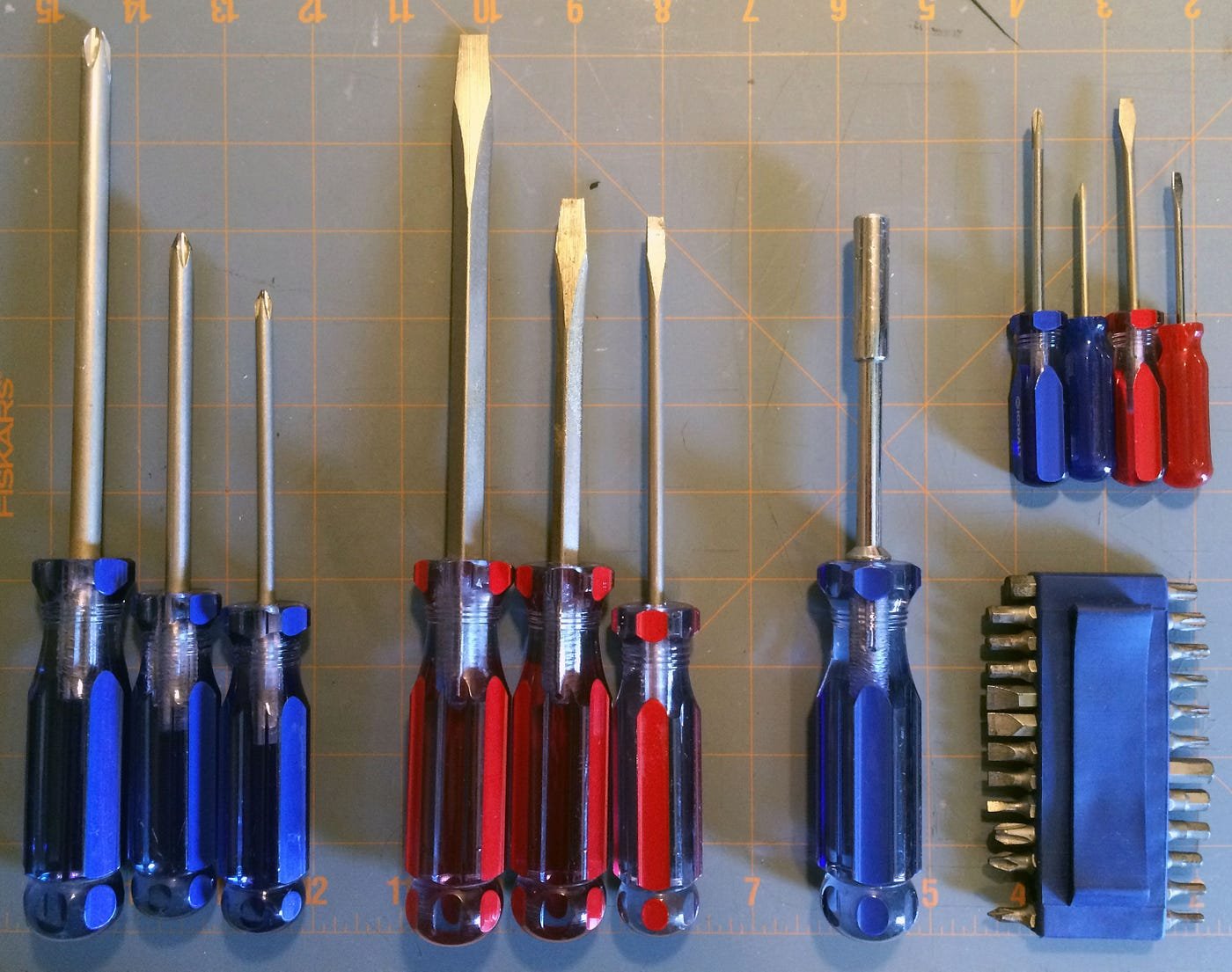
Screwdrivers are key tools for mechanics. They help tighten or loosen screws on cars.
Using the right screwdriver type makes the job easier and safer. Mechanics often use three main types.
Phillips And Flathead Types
Phillips screwdrivers have a cross-shaped tip. They fit screws with a cross slot.
Flathead screwdrivers have a flat, straight tip. They work with screws that have a single slot.
- Phillips screwdrivers provide better grip on cross screws
- Flathead screwdrivers are good for simple slot screws
- Both types come in various sizes for different screws
Precision Screwdrivers
Precision screwdrivers are small tools for tiny screws. Mechanics use them for delicate parts.
These screwdrivers have thin tips and slim handles. They help avoid damage to small screws and parts.
- Used for electronics and small engine parts
- Available in both Phillips and flathead styles
- Provide control and accuracy in tight spaces
Impact Screwdrivers
Impact screwdrivers are strong tools for stuck screws. They use force to loosen tight screws.
These screwdrivers have heavy handles. Mechanics hit them with a hammer to create extra power.
- Ideal for rusted or painted-over screws
- Often come with interchangeable tips
- Help prevent stripping screw heads
Reliable Pliers And Cutters
Pliers and cutters are essential tools for mechanics. They help grip, twist, and cut various materials. Choosing reliable tools improves work quality and safety.
This guide covers three main types of pliers and cutters mechanics often use. Each type has unique features suited for different tasks.
Needle-nose Pliers
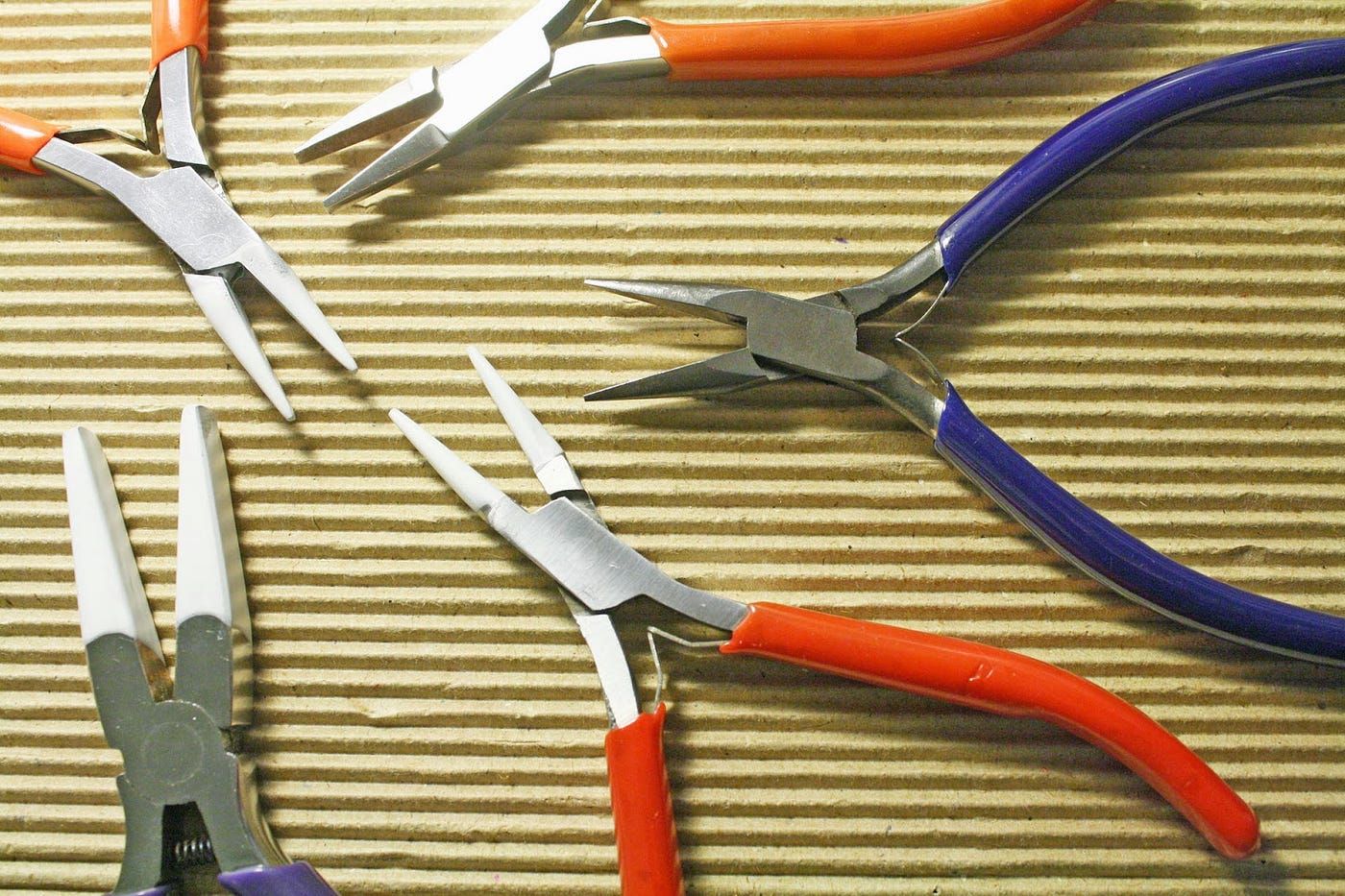
Needle-nose pliers have long, thin jaws. They reach into tight spaces where fingers cannot fit. These pliers are great for bending wire and holding small parts.
Slip-joint Pliers
Slip-joint pliers have adjustable jaws. You can change their width for gripping different sizes. They work well for turning nuts and bolts or holding objects firmly.
- Adjust jaw size easily
- Good for gripping and twisting
- Useful for plumbing and automotive work
Wire Cutters
Wire cutters have sharp blades for clean cuts. They cut electrical wires, cables, and small metal rods. Using the right cutter prevents damage to wires.
| Type | Use | Material Cut |
| Diagonal Cutters | Cutting wire at an angle | Thin wire, copper, aluminum |
| End Cutters | Cutting flush with surface | Nails, pins, thick wire |
| Heavy-Duty Wire Cutters | Cutting thick cables | Steel wire, bolts |
Handy Socket Sets
Socket sets are important for mechanics. They help loosen and tighten bolts and nuts easily.
Choosing the right sockets makes work faster and safer. Handy socket sets fit many jobs.
Standard And Deep Sockets
Standard sockets fit most bolts and nuts. They work well in tight spaces.
Deep sockets are longer. They reach bolts on long studs or recessed areas.
- Standard sockets: short and compact
- Deep sockets: longer for hard-to-reach bolts
- Both types come in different sizes
Drive Sizes And Ratchets
Drive size is the square part that fits the ratchet. Common sizes are 1/4, 3/8, and 1/2 inch.
Ratchets let you turn sockets without removing them. They save time and effort.
- 1/4 inch drive: for small bolts and tight places
- 3/8 inch drive: most common size for general use
- 1/2 inch drive: for large bolts and heavy work
- Ratchets come with fine or coarse teeth for smooth turning
Universal Joint Sockets
Universal joint sockets bend to reach bolts at angles. They help in tight or awkward spots.
These sockets increase flexibility. They work well with ratchets to access hard areas.
- Allow socket to pivot in different directions
- Useful for bolts blocked by other parts
- Often included in complete socket sets
Specialty Automotive Tools
Specialty automotive tools help mechanics work on cars more easily. These tools fit specific tasks and parts.
Using the right tool makes repairs faster and safer. It also protects the vehicle from damage.
Brake Caliper Tools
Brake caliper tools help remove and install brake calipers. They make brake repairs simpler and more accurate.
These tools include caliper rewind tools and spreaders. They push pistons back into the caliper easily.
- Caliper rewind tool for turning pistons
- Caliper spreader to separate brake pads
- Brake piston compressor for safe piston movement
Oil Filter Wrenches
Oil filter wrenches remove and tighten oil filters. They help mechanics change oil quickly and cleanly.
These wrenches come in many styles to fit different filters. Some use straps, others have cups or claws.
- Strap wrenches wrap around the filter for grip
- Cup wrenches fit over the filter end for turning
- Claw wrenches use metal arms to grab the filter
Spark Plug Sockets
Spark plug sockets help remove and install spark plugs. They protect the plug and make the job easier.
These sockets have rubber inserts or magnets. They hold the plug firmly to avoid damage during work.
- Rubber insert sockets protect the plug porcelain
- Magnetic sockets hold the plug securely
- Deep sockets fit recessed spark plugs
Credit: www.tradetools.com
Durability And Material
Top automotive hand tools must last long and handle tough jobs. The material and design affect how well they perform and how long they stay reliable. Mechanics need tools that resist wear and damage over time.
Choosing the right material and comfortable design ensures tools work well and reduce strain. This guide covers key features to consider for durable automotive hand tools.
Chrome Vanadium Steel
Chrome vanadium steel is a strong metal blend used in many hand tools. It offers excellent toughness and resists bending or breaking under pressure. This steel type holds up well against heavy use in automotive repair.
- High strength to handle hard tasks
- Good resistance to wear and tear
- Maintains shape even with heavy impact
- Common in wrenches, sockets, and ratchets
Ergonomic Handles
Ergonomic handles improve comfort and control during work. They reduce hand fatigue and help mechanics keep a firm grip. Proper handle design is important for safety and precision.
| Handle Feature | Benefit |
|---|---|
| Soft rubber grips | Reduce slipping and increase comfort |
| Contoured shape | Fits hand shape for better control |
| Shock-absorbing materials | Minimize vibration and strain |
| Non-slip texture | Enhances safety in oily conditions |
Rust Resistance
Rust can damage tools and shorten their life. Rust-resistant coatings keep tools clean and working well. This feature is important for tools exposed to moisture and harsh environments.
- Chrome plating protects metal surfaces
- Black oxide finishes add corrosion resistance
- Stainless steel parts resist rust naturally
- Proper storage and maintenance reduce rust risk
Tool Storage Solutions
Keeping tools organized helps mechanics work faster and safer. Good storage protects tools from damage and loss. Choosing the right storage depends on the work style and workspace.
Storage solutions come in different shapes and sizes. They include large toolboxes, portable bags, and smaller organizers. Each type serves a unique purpose in a mechanic’s daily routine.
Toolboxes And Chests
Toolboxes and chests offer large spaces to keep many tools together. They often have wheels for easy movement. Drawers help separate tools by type or size. Metal chests provide strong protection in busy workshops.
- Keep tools safe and clean
- Organize tools by size and use
- Move tools easily on wheels
- Lockable for security
Portable Tool Bags
Portable tool bags give mechanics freedom to carry tools to any job site. They are lighter than chests and fit in small spaces. Many bags have pockets and straps to hold tools firmly. They come in nylon or leather for durability.
| Feature | Benefit |
| Multiple pockets | Easy tool access |
| Adjustable straps | Comfortable to carry |
| Water-resistant material | Protects tools from moisture |
| Lightweight design | Reduces carrying fatigue |
Organizers And Trays
Organizers and trays fit inside toolboxes or on workbenches. They separate small parts like screws and sockets. This stops tools from mixing or getting lost. Clear trays let mechanics see contents at a glance.
| Type | Use | Material |
|---|---|---|
| Drawer organizer | Sort small hand tools | Plastic or foam |
| Socket tray | Hold socket sets securely | Plastic with slots |
| Parts bin | Store nuts and bolts | Metal or plastic |

Credit: www.popularmechanics.com
Tips For Choosing Quality Tools
Choosing the right hand tools is important for mechanics. Quality tools help you work faster and safer. They last longer and save money in the long run.
Look for tools that meet your needs and fit your budget. Use these tips to find the best tools for your work.
Brand Reputation
Good brands often make reliable tools. They use better materials and test their products well. Choose brands known for high quality and durability.
- Check how long the brand has been in business.
- Look for brands recommended by professional mechanics.
- Choose brands with consistent quality across their products.
Warranty And Support
A solid warranty shows the brand trusts its tools. Good support helps if the tool breaks or has issues. Always check warranty terms before buying.
| Warranty Type | What It Covers | Why It Matters |
| Limited Lifetime | Defects in material and workmanship | Long-term protection and peace of mind |
| 1-5 Years | Repairs or replacements within period | Short-term coverage for defects |
| No Warranty | No coverage | Risk of poor quality or fast wear |
User Reviews And Recommendations
Reviews from other mechanics show how tools perform in real jobs. They can point out strengths and flaws you might miss.
- Read multiple reviews to get a full view.
- Look for comments on durability and comfort.
- Ask colleagues for their favorite tools.
Frequently Asked Questions
What Are Essential Hand Tools Every Mechanic Needs?
Essential hand tools include wrenches, screwdrivers, pliers, ratchets, and sockets. These tools help with repairs, adjustments, and maintenance on vehicles efficiently and safely.
How Do I Choose The Best Automotive Hand Tools?
Choose tools based on durability, comfort, and functionality. Look for quality materials like chrome-vanadium steel and ergonomic handles for better grip and longer use.
Why Are Ratchets And Sockets Important For Mechanics?
Ratchets and sockets allow quick fastening and loosening of bolts. They save time and effort, especially in tight spaces, making repairs faster and easier.
Can Hand Tools Improve Mechanic Work Efficiency?
Yes, quality hand tools increase precision and reduce fatigue. This leads to faster job completion and fewer errors, improving overall work efficiency and safety.
Conclusion
Choosing the right automotive tools is crucial for mechanics. Quality tools ensure safety and efficiency. They make tough tasks easier. Investing in durable, reliable tools saves time and money. Every mechanic needs these essential hand tools. They enhance productivity in the workshop.
Remember, the best tools lead to the best results. Regular tool maintenance is also important. It extends their lifespan and performance. So, equip your toolbox wisely. Your work will become more effective and enjoyable. Happy wrenching!