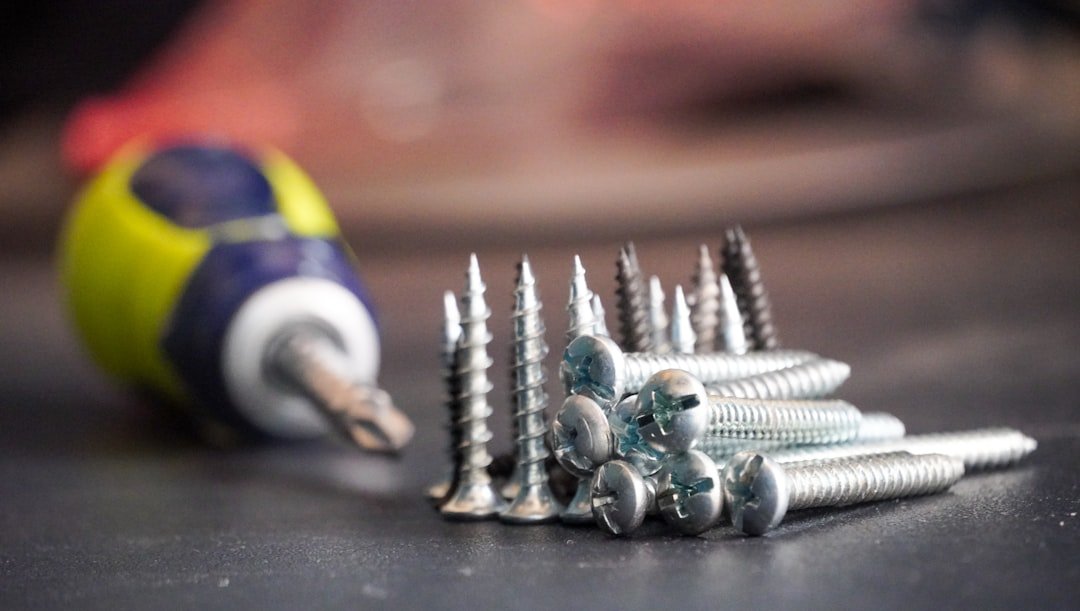
Looking to make your DIY projects faster and easier? A power screwdriver could be your best friend.
Whether you’re assembling furniture, fixing appliances, or working on a home improvement task, having the right power screwdriver can save you time and effort. This guide will help you understand everything you need to know—from choosing the right model to using it safely and effectively.
Keep reading, and soon you’ll feel confident handling any screw with ease.
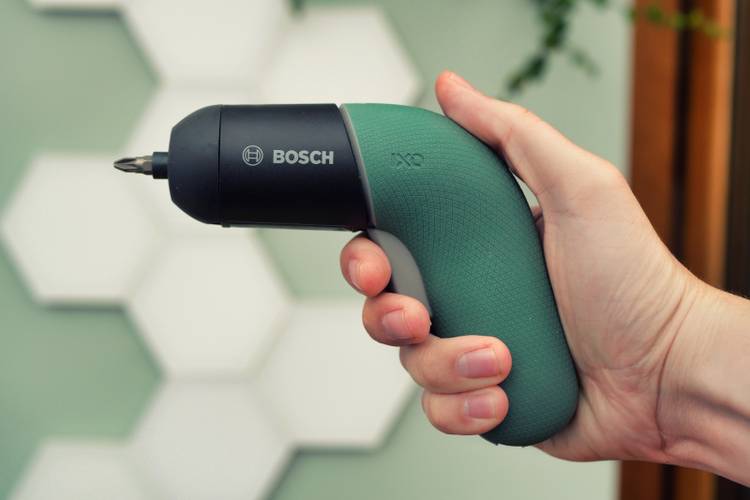
Credit: www.pocket-lint.com
Choosing The Right Power Screwdriver
Power screwdrivers make it easier to drive screws fast. Choosing the right one saves time and effort.
Think about your tasks and how often you will use the tool. This helps pick the best model.
Corded Vs Cordless Models
Corded power screwdrivers need to be plugged into an outlet. They give constant power without stopping.
Cordless models run on batteries. They are easy to carry and use anywhere without cords.
- Corded: No charging needed, always ready
- Corded: Limited by cord length
- Cordless: Portable and flexible
- Cordless: Needs charging after use
Key Features To Consider
Look for features that fit your work style. This helps you work faster and with less strain.
Torque, speed, and size are important. Some models have adjustable settings for different jobs.
- Torque: Strength to turn screws
- Speed: How fast the screwdriver spins
- Size and weight: Comfort during use
- Ergonomic grip: Less hand fatigue
- LED light: Helps in dark spaces
Battery Types And Life
Battery type affects how long the screwdriver works. Some batteries last longer and charge faster.
Common batteries are lithium-ion and nickel-cadmium. Lithium-ion is lighter and holds charge well.
- Lithium-ion: Long life, fast charging, light weight
- Nickel-cadmium: Heavier, slower charging, less capacity
- Battery life: Check how many screws per charge
- Replaceable batteries: Good for long use
Essential Accessories And Bits
Power screwdrivers are handy tools for many tasks. Using the right accessories and bits makes work easier.
Choosing the correct bits and attachments helps you finish jobs faster and with better results.
Common Screwdriver Bits
Common bits fit most screws and are necessary for everyday tasks. They come in different shapes and sizes.
- Phillips: For cross-shaped screws
- Flathead: For straight slot screws
- Torx: Star-shaped for better grip
- Hex: Six-sided for bolts and screws
- Square (Robertson): For square recess screws
Specialty Attachments
Specialty attachments help with unique jobs. They expand what your power screwdriver can do.
- Right-angle adapters: Reach tight spots easily
- Flexible shafts: Work around corners
- Nut drivers: Tighten nuts and bolts
- Magnetic bit holders: Hold screws firmly while working
- Drill bit adapters: Use drill bits with your screwdriver
Storage And Organization Tips
Keeping bits and accessories organized saves time and prevents loss. Use proper storage solutions.
Label your containers and keep bits sorted by type and size for easy access.
- Use small plastic cases with compartments
- Magnetic trays keep bits from rolling away
- Toolboxes with removable trays help carry parts
- Store bits near your power screwdriver for convenience
- Clean bits before storing to avoid rust
Techniques For Efficient Use
Power screwdrivers make fastening screws easier and faster. Using the right techniques helps you work safely and efficiently.
Learn how to hold the tool, adjust settings, and follow safety steps for the best results.
Proper Grip And Handling
Hold the power screwdriver firmly but not too tight. A steady grip helps control the tool and prevents slipping.
Keep your wrist straight and use your body weight to push the screwdriver into the screw. This reduces strain and improves accuracy.
- Use your dominant hand for better control
- Keep the tool aligned with the screw
- Support the tool with your other hand if needed
Speed And Torque Settings
Adjust the speed and torque according to the screw type and material. Lower speed and torque work well for small screws.
High speed and torque fit larger screws or harder materials. Using the right setting prevents damage to the screw or surface.
- Start with low speed for precise control
- Increase torque to drive screws fully
- Reduce torque to avoid stripping screws
Safety Precautions
Wear safety glasses to protect your eyes from debris. Keep your hands clear of the screwdriver tip during use.
Check the power cord and tool for damage before use. Never force the tool if the screw is stuck.
- Wear protective eyewear
- Keep fingers away from moving parts
- Inspect the tool regularly
- Use the correct screwdriver bit
- Disconnect power before changing bits
Maintenance And Care
Taking care of your power screwdriver keeps it working well. Regular maintenance helps avoid problems and saves money.
Simple habits protect your tool and make it last longer. Follow these tips to keep your power screwdriver in good shape.
Cleaning Your Power Screwdriver
Clean your power screwdriver after use to remove dust and debris. Use a dry cloth to wipe the outside parts carefully.
- Use a small brush to clean vents and crevices.
- Do not use water or liquid cleaners on the motor or battery area.
- Remove screws and clean the chuck if needed.
- Keep the tool dry to prevent rust and damage.
Battery Maintenance
Battery health affects your power screwdriver’s performance. Follow these tips to keep batteries charged and lasting.
| Tip | Details |
| Charge Regularly | Keep the battery charged even when not in use. |
| Use Correct Charger | Always use the charger made for your battery type. |
| Store Properly | Store batteries in a cool, dry place away from metal objects. |
| Avoid Overcharging | Unplug the charger once the battery is full. |
| Inspect Often | Check batteries for damage or leaks before use. |
Troubleshooting Common Issues
If your power screwdriver stops working or has issues, try these fixes. They help solve common problems quickly.
- Check the battery charge and recharge if low.
- Inspect the bit for wear or damage and replace if needed.
- Clean dirt or debris from the chuck and vents.
- Make sure the trigger is pressed fully and not stuck.
- Refer to the manual for error codes or special resets.
Diy Projects To Try
Power screwdrivers are handy tools for many DIY projects. They help you work faster and with less effort.
This guide shows easy projects you can try at home using a power screwdriver. These projects fit beginners and hobbyists.
Furniture Assembly
Use a power screwdriver to build or fix furniture quickly. It helps you tighten screws without tiring your hands.
Try assembling flat-pack furniture or repairing loose parts on chairs and tables.
- Assemble bookshelves
- Fix wobbly chairs
- Build simple tables
- Attach cabinet doors
Home Repairs
A power screwdriver speeds up common home repairs. It saves time on tasks like tightening and removing screws.
Use it for small fixes around the house, making your home safer and more comfortable.
- Fix door hinges
- Replace outlet covers
- Tighten loose cabinet handles
- Install curtain rods
Creative Crafting Ideas
Power screwdrivers can help with crafting projects that use wood or other materials. They make assembly easier.
Try making birdhouses, small shelves, or custom picture frames as fun crafts.
- Build wooden birdhouses
- Create small storage boxes
- Make picture frames
- Assemble decorative crates
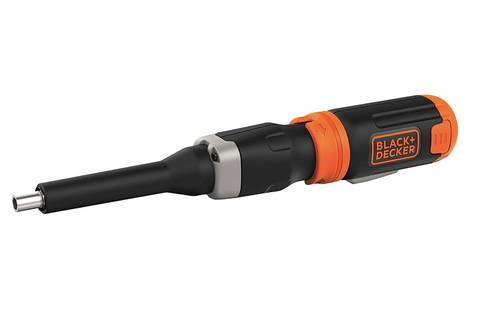
Credit: www.pocket-lint.com

Credit: m.youtube.com
Frequently Asked Questions
What Is A Power Screwdriver Used For?
A power screwdriver is used for fast and efficient driving of screws. It saves time and effort compared to manual screwdrivers. It is ideal for assembling furniture, electronics, and DIY projects. It offers better control and reduces hand fatigue during repetitive tasks.
How To Choose The Best Power Screwdriver?
Choose based on power source, torque, speed settings, and bit compatibility. Cordless models offer portability, while corded ones provide continuous power. Consider battery life, ergonomics, and brand reliability. Reading reviews helps pick a model that fits your needs and budget.
Are Power Screwdrivers Suitable For Heavy-duty Tasks?
Power screwdrivers are generally suited for light to medium tasks. For heavy-duty jobs, consider an impact driver or drill with higher torque. Using the right tool prevents damage and improves efficiency. Power screwdrivers excel in precision and smaller fastening jobs.
How To Maintain A Power Screwdriver Properly?
Keep the tool clean and store it in a dry place. Regularly check and replace worn bits. Charge batteries fully before storage to prolong life. Lubricate moving parts as recommended by the manufacturer. Proper maintenance ensures long-lasting performance and safety.
Conclusion
Power screwdrivers simplify your tasks. They save time and energy. You can choose the right one easily. Consider your needs and budget. Different types suit different jobs. Cordless models offer more mobility. More torque means better performance. Lightweight designs reduce fatigue.
Safety features ensure secure usage. Regular maintenance extends lifespan. Invest wisely for long-term benefits. A good power screwdriver is a valuable tool. It makes your projects more manageable. Enjoy efficient and easy work with the right choice. You’ll appreciate the convenience and speed.
Happy DIYing!