Do you ever struggle with tightening screws that just won’t budge? Using a hex key can make this task much easier, but only if you know how to use it correctly.
In this guide, you’ll discover simple steps to master your hex key and get those screws tightened quickly and securely. Whether you’re fixing furniture or assembling gear, understanding this tool will save you time and frustration. Keep reading to unlock the secret to effortless screw tightening with your hex key.
Choosing The Right Hex Key
Using a hex key to tighten screws needs the right size and type. Picking the correct hex key helps you work faster and avoid damage.
Learn how to find the right hex key size and what materials make a good tool. This will improve your screw tightening tasks.
Identifying Hex Key Sizes
Hex keys come in different sizes for different screws. You need to match the hex key size to the screw size to fit well.
Using the wrong size can strip the screw or damage the tool. Check the screw head or measure it to find the correct hex key size.
- Measure the width across the flats of the screw’s hex socket
- Use a hex key size chart to match the measurement
- Common sizes are in millimeters or inches
Material And Quality Considerations
Hex keys come in different materials like steel or alloy. Strong materials last longer and resist bending.
Look for hex keys with good finish and hardness. This keeps the tool from slipping and wearing out quickly.
- Chrome-vanadium steel offers good strength and durability
- Black oxide finish adds corrosion resistance
- High-quality tools feel solid and fit snugly in screws

Credit: www.gettyimages.com
Preparing For Tightening
Before tightening screws with a hex key, you need to prepare properly. This helps you avoid damage and makes the task easier.
Two important steps are cleaning the screw and hex key, and ensuring proper alignment before turning the tool.
Cleaning The Screw And Hex Key
Dirt or rust on the screw or hex key can cause slipping. Clean both parts to get a strong grip.
- Use a dry cloth to wipe off dust from the screw head.
- Remove rust with a small wire brush if needed.
- Wipe the hex key clean to remove grease and dirt.
- Check the hex key for any bends or damage.
Ensuring Proper Alignment
Proper alignment of the hex key with the screw prevents stripping. The tool must fit snugly inside the screw head.
| Check Point | Details |
|---|---|
| Fit | The hex key should slide easily but not loosely into the screw. |
| Angle | Hold the hex key perpendicular to the screw surface. |
| Pressure | Apply firm but gentle pressure to avoid slipping. |
Techniques For Tightening Screws
Tightening screws with a hex key is simple if you know the right methods. Using the correct technique helps avoid damage to the screw or tool.
This guide covers key ways to apply force and leverage when tightening screws with a hex key.
Applying The Correct Torque
Torque is the force you use to turn the screw. Applying the right amount avoids stripping the screw head or breaking the tool.
- Insert the hex key fully into the screw socket to prevent slipping.
- Turn the hex key slowly and steadily.
- Stop tightening when you feel resistance increase significantly.
- Avoid using too much force to prevent damage.
Using Leverage For Stubborn Screws
Some screws can be hard to turn. Using leverage makes it easier to apply more torque without extra effort.
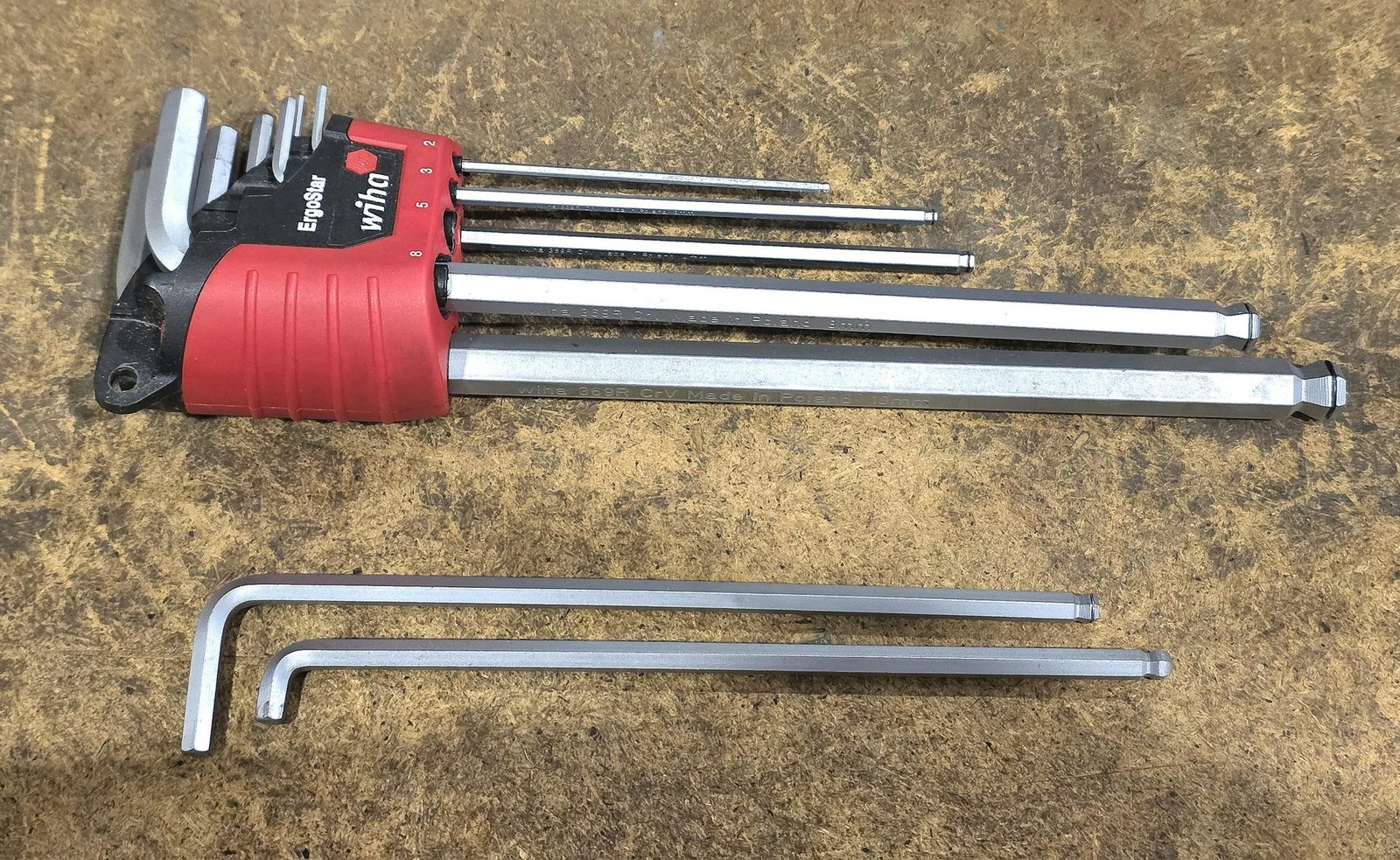
- Use a longer hex key for more leverage.
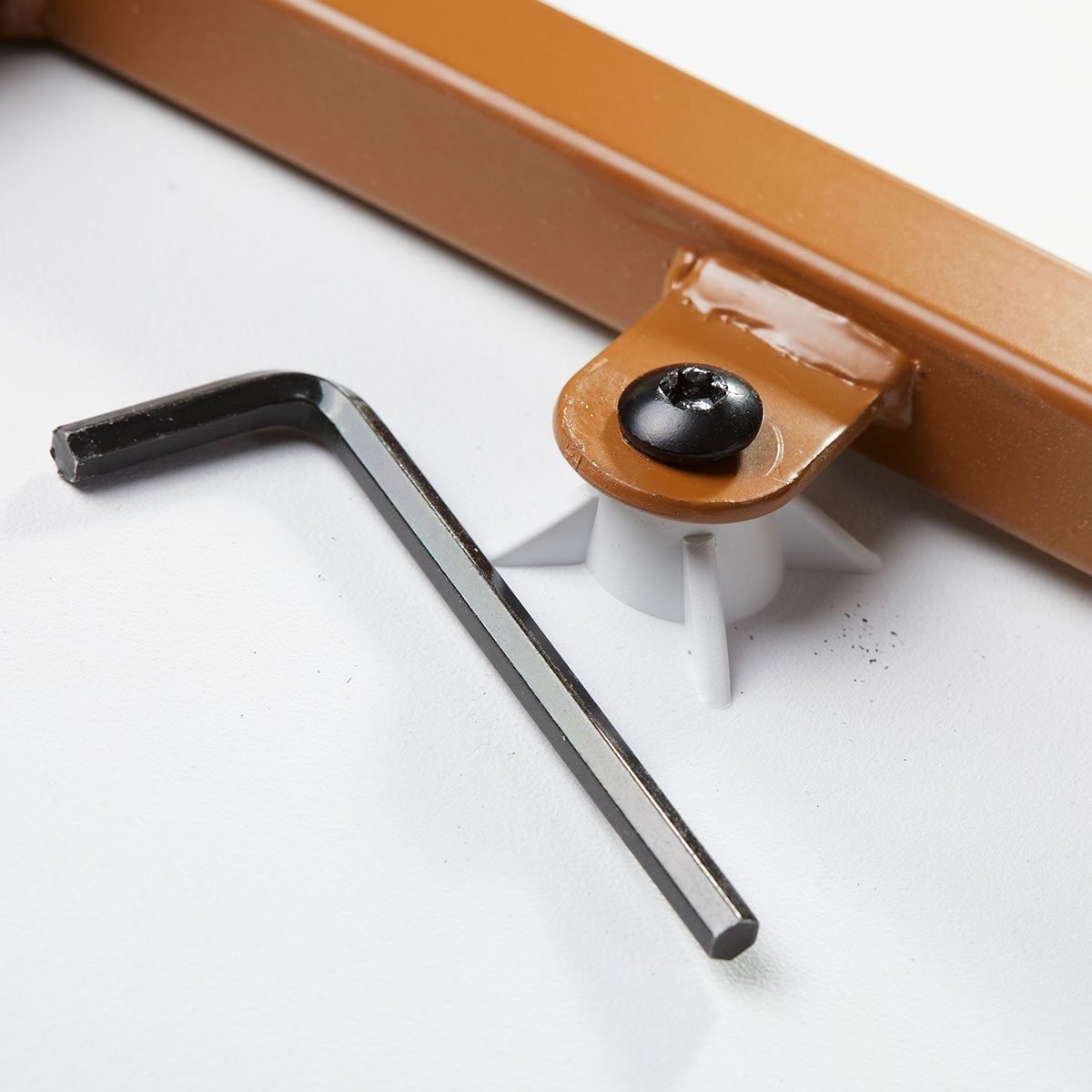
- Attach a wrench or pliers to the short end of the hex key.
- Apply steady, even pressure to avoid stripping.
- Try tapping the screw lightly with a hammer to loosen it first.
Credit: www.familyhandyman.com
Common Mistakes To Avoid
Using a hex key to tighten screws is simple if you avoid common errors. These mistakes can damage screws or make your work unsafe.
Pay attention to how you use the hex key. This helps you finish tasks quickly and keeps your tools in good shape.
Overtightening Risks
Applying too much force can break the screw or damage the material. Screws that are too tight may be hard to remove later.
Overtightening can also strip the screw head or the threads inside the hole. This weakens the connection and may cause failure.
- Stop turning as soon as the screw feels tight
- Use steady, even pressure
- Check manufacturer torque specs if available
Avoiding Stripped Screws
Using the wrong size hex key can strip the screw head. A loose fit causes the tool to slip and damage the screw.
Stripped screws are hard to tighten or remove. They may ruin your project or need special tools to fix.
- Match the hex key size exactly to the screw
- Keep the key aligned straight in the screw head
- Replace worn or rounded hex keys
Maintaining Your Hex Key
Taking care of your hex key helps it last longer. Proper maintenance keeps it working well.
Simple cleaning and storage habits prevent damage. Knowing when to replace the tool saves effort.
Cleaning And Storage Tips
Wipe your hex key after each use to remove dirt and grease. This stops rust from forming.
Store your hex keys in a dry place. Use a tool organizer or case to keep them safe.
- Clean with a dry cloth or soft brush
- Do not use water or harsh chemicals
- Keep in a toolbox or storage rack
- Store away from moisture and humidity
When To Replace Your Tool
Replace your hex key if it bends or twists easily. Damaged tips can strip screws.
Check for rust or wear before each use. A worn tool reduces grip and safety.
- Replace if the tip is rounded or worn
- Replace if the tool bends under pressure
- Replace if rust cannot be cleaned off

Credit: www.reddit.com
Frequently Asked Questions
What Is A Hex Key Used For In Tightening Screws?
A hex key fits into hexagonal screw heads. It provides torque to tighten or loosen screws securely and efficiently.
How Do I Choose The Right Hex Key Size?
Match the hex key size to the screw’s hex socket. Using the correct size prevents stripping and ensures a tight fit.
Can I Use A Hex Key On All Screws?
Hex keys work only with hexagonal socket screws. Other screw types need different tools like Phillips or flathead screwdrivers.
How Much Force Should I Apply With A Hex Key?
Apply steady, moderate force to avoid stripping screws. Excessive force can damage the screw or the tool.
Conclusion
Using a hex key is simple and effective for tightening screws. This tool fits snugly into the screw head, providing good grip. Remember to choose the correct size for the task. A loose fit can damage both tool and screw.
Keep your hex keys organized for easy access. Practice using them to gain confidence. Proper technique ensures screws are securely fastened. With these tips, even beginners can handle basic tasks. Embrace the ease of using a hex key. Secure your projects efficiently and effectively.
Happy tightening!