Are you sure your GFCI outlets are working properly to keep you safe? These small devices protect you from electric shocks, but they can stop working without you even noticing.
Testing your GFCI outlets regularly is a simple step that can save you from serious harm. You will learn exactly how to test your GFCI outlets quickly and easily. Keep reading to make sure your home stays safe and your family protected.

Credit: www.familyhandyman.com
Why Test Gfci Outlets
GFCI outlets protect people from electric shocks. Testing them ensures they work correctly.
Regular checks keep your home safe and meet safety rules. Learn why testing is important below.
Preventing Electrical Shocks
GFCI outlets stop electricity quickly during faults. This prevents serious shocks.
- Detect ground faults fast
- Cut off power to dangerous circuits
- Protect people from injury or death
- Work in wet or damp areas
Ensuring Proper Functionality
Testing checks if the GFCI outlet trips and resets as it should. Faulty devices can fail to protect.
| Test Action | Expected Result |
| Press “Test” button | Power shuts off immediately |
| Press “Reset” button | Power returns to outlet |
| Plug in device | Device powers normally |
Compliance With Safety Standards
Building codes require GFCI outlets in certain areas. Testing proves your home meets these rules.
Common areas where GFCI outlets are required:
- Bathrooms
- Kitchens
- Garages
- Outdoor spaces
- Basements
Tools Needed For Testing
Testing GFCI outlets requires the right tools to ensure safety. Using proper equipment helps identify if the outlet works correctly.
Below are the main tools you need before starting the test process. Each tool has its specific use and importance.
Gfci Tester
A GFCI tester is a simple device made to check if the outlet trips properly. It plugs into the outlet and simulates a fault.
- Plug the tester into the outlet.
- Press the test button to trip the GFCI.
- Check if the power cuts off correctly.
Multimeter
A multimeter measures voltage, current, and resistance. It helps verify if the GFCI outlet is wired and working correctly.
| Function | Use in Testing |
|---|---|
| Voltage Measurement | Check power supply to the outlet |
| Continuity Test | Verify wiring connections inside the outlet |
| Resistance Check | Detect faults in wiring or outlet components |
Basic Safety Gear
Wear safety gear to protect yourself while testing electrical outlets. Safety is the top priority during all testing.
- Insulated gloves to avoid electric shock
- Safety glasses to protect your eyes
- Rubber-soled shoes to reduce risk of grounding
- Turn off power at the breaker before testing
Preparing For The Test
Testing GFCI outlets is important for safety. Before you start, you need to prepare the area and equipment.
Proper preparation makes the testing easier and safer. Follow these steps before you test your GFCI outlets.
Turn Off Power
Turn off the power to the GFCI outlet at the circuit breaker. This prevents electric shocks during testing.
Use a voltage tester to confirm the power is off before you touch the outlet or wires.
Clear The Area
Remove any objects near the outlet. This gives you enough space to work safely and easily.
Keep children and pets away from the testing area to avoid accidents.
Review Outlet Location
Know where all GFCI outlets are in your home. Check places like kitchens, bathrooms, and garages.
Label outlets if needed. This helps you track which ones need testing or repair.
Step-by-step Testing Process
Testing GFCI outlets is important for safety. It helps prevent electrical shocks. Follow simple steps to check if your GFCI outlet works correctly.
Use different tools and methods to test the outlet. Each step ensures the outlet can detect faults and cut power when needed.
Using The Test Button
Most GFCI outlets have a built-in test button. Press this button to check if the outlet trips properly.
- Plug a device into the GFCI outlet.
- Press the “Test” button on the outlet.
- The device should turn off, showing the outlet tripped.
- Press the “Reset” button to restore power.
Employing A Gfci Tester
A GFCI tester is a simple tool that plugs into the outlet. It simulates a ground fault to test the outlet’s response.
- Insert the GFCI tester into the outlet.
- Press the test button on the tester.
- The GFCI outlet should trip and cut power.
- Reset the outlet to restore power.
Checking Reset Function
The reset button restores power after a trip. Check if it works well to keep the outlet functional.
| Action | Expected Result |
| Press “Test” button | Power cuts off |
| Press “Reset” button | Power returns |
| Press “Reset” without trip | No change |
Using A Multimeter For Accuracy
A multimeter measures electrical current and voltage. It helps confirm if the GFCI outlet works as expected.
- Set the multimeter to measure AC voltage.
- Place the probes on the outlet terminals carefully.
- Check the voltage reading; it should be normal before testing.
- Press the GFCI test button and observe the multimeter.
- The reading should drop to zero, indicating the outlet tripped.
- Reset the outlet and verify voltage returns to normal.
Interpreting Test Results
Testing GFCI outlets helps keep your home safe from electrical shocks. Understanding test results shows if the outlet works properly.
Knowing what signs to look for can prevent electrical hazards. This guide explains how to read the test results clearly.
Normal Operation Signs
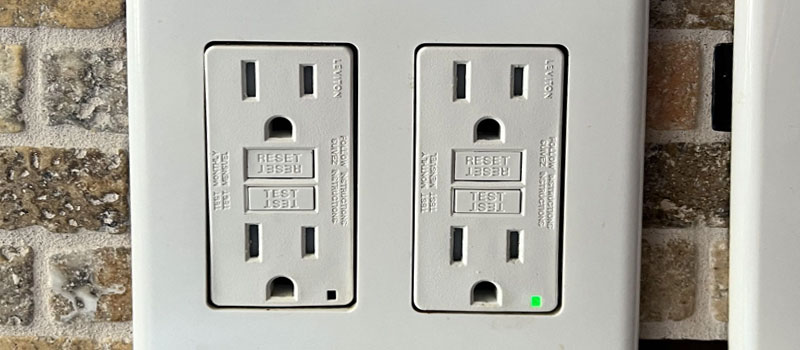
A GFCI outlet works correctly when it trips during a test. The test button should cut power to the outlet.
After pressing the reset button, power should return. These signs mean the outlet protects you from shocks.
- Power stops when you press the test button
- Power returns when you press the reset button
- Indicator light (if present) shows normal status
Identifying Faulty Outlets
If the GFCI does not trip when tested, it may be faulty. This means it cannot protect you from shocks.
Also, if the reset button will not stay in or the outlet does not restore power, the outlet has issues.
- No power loss after pressing the test button
- Reset button stays out and will not reset
- Outlet power cuts off randomly or often
When To Replace The Gfci
Replace the GFCI outlet if it fails tests or shows damage. Old outlets may stop working safely over time.
Also, replace the outlet if it trips too often without cause or does not reset properly.
- Fails to trip during testing
- Reset button does not work correctly
- Outlet is cracked, damaged, or worn out
- Trips power frequently without reason
Credit: www.oliverheatcool.com
Common Issues And Fixes
GFCI outlets protect you from electrical shock. Sometimes they may not work correctly. Knowing common problems helps you fix them fast.
Testing GFCI outlets regularly keeps your home safe. Here are common issues and easy fixes.
Tripping Frequently
GFCI outlets trip to stop electricity flow if there is a fault. Frequent tripping may mean a real problem or a false alarm.
Check if water or moisture is near the outlet. Also, too many devices on one circuit can cause tripping.
- Remove devices and test outlet again
- Keep outlet dry and clean
- Replace outlet if it trips without cause
No Power After Reset
Sometimes a GFCI outlet won’t restore power after pressing the reset button. This can confuse many users.
This issue may happen if the outlet is faulty or wiring is wrong. Check the breaker and wiring first.
- Make sure the circuit breaker is on
- Press reset firmly until it clicks
- Test outlet with a voltage tester
- Replace outlet if power does not return
Loose Wiring
Loose wiring inside a GFCI outlet causes it to fail or trip often. This is a common issue in older homes.
Check wiring connections if you feel the outlet is loose or not working well.
- Turn off power before inspecting wiring
- Tighten all wire screws securely
- Replace damaged wires or outlet if needed
- Call an electrician if unsure about wiring
Maintenance Tips For Gfci Outlets
GFCI outlets protect you from electrical shocks. Keeping them in good shape is important for safety. Regular care helps them work well.
This guide shares simple ways to maintain your GFCI outlets. Follow these tips to keep your home safe and your outlets functioning.
Regular Testing Schedule
Test your GFCI outlets often to ensure they work correctly. Testing every month is a good habit. Use the test and reset buttons on the outlet.
- Press the test button. The outlet should turn off.
- Press the reset button to turn it back on.
- If it does not reset, the outlet may be faulty.
- Replace any outlet that fails the test.
Cleaning And Inspection
Keep your GFCI outlets clean and free from dust. Dirt can block the buttons or cause damage. Check the outlet for cracks or discoloration.
| What to Check | Why It Matters |
| Dust and dirt | Can block buttons or cause failure |
| Cracks or damage | May cause electrical hazards |
| Loose fitting | Can lead to poor connection |
| Discoloration | Sign of overheating or damage |
Professional Checkups
Have a licensed electrician inspect your GFCI outlets once a year. They can find hidden problems and fix them safely. Professional checks help keep your home safe from electrical risks.
Tip: Write down the dates of your tests and inspections. This record helps you keep on schedule.

Credit: www.youtube.com
Frequently Asked Questions
How Often Should I Test Gfci Outlets?
Test GFCI outlets monthly to ensure they function correctly. Regular testing helps prevent electrical shocks and keeps your home safe.
What Tools Do I Need To Test A Gfci Outlet?
You only need the built-in test and reset buttons on the outlet. A GFCI tester can also verify proper wiring and operation.
What Does It Mean If A Gfci Outlet Won’t Reset?
If it won’t reset, there may be a wiring issue or a ground fault. Consider calling a licensed electrician for safety.
Can I Test Gfci Outlets Without Unplugging Devices?
Yes, press the test button on the GFCI outlet. It should trip and cut power without unplugging connected devices.
Conclusion
Testing GFCI outlets ensures safety in your home. Regular checks can prevent electrical hazards. It’s a simple task that brings peace of mind. Push the test button monthly. Reset if it doesn’t trip. Replace faulty outlets promptly. Always prioritize safety over convenience.
A small effort today can avoid bigger problems later. Remember, safety starts with awareness. Keep your home safe and secure. Knowledge and action make a difference. Consistency is key in maintaining electrical safety. Stay vigilant and proactive for a safer living environment.