Are you looking to measure AC current but don’t know where to start? Understanding how to accurately measure AC current is essential for keeping your electrical devices safe and running smoothly.
Whether you’re a DIY enthusiast, a technician, or just curious, knowing the right tools and techniques can save you time, money, and even prevent accidents. You’ll discover simple, step-by-step methods to measure AC current confidently. Keep reading, and you’ll soon master a skill that many find tricky but is easier than you think.
Credit: medium.com
Tools Needed
Measuring AC current needs the right tools. Using correct tools keeps you safe and gets good results.
This guide covers the main tools you need to measure AC current accurately and safely.
Multimeter Types
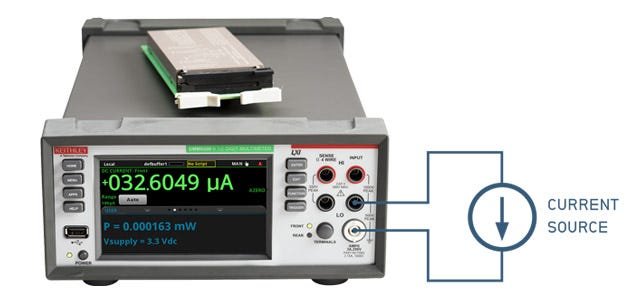
A multimeter is a common tool to measure current, voltage, and resistance. There are two main types.
Analog multimeters use a needle to show readings. Digital multimeters show numbers on a screen.
- Analog multimeters are less common today.
- Digital multimeters are easier to read and more accurate.
- Some digital meters can measure AC current directly.
Clamp Meter Use
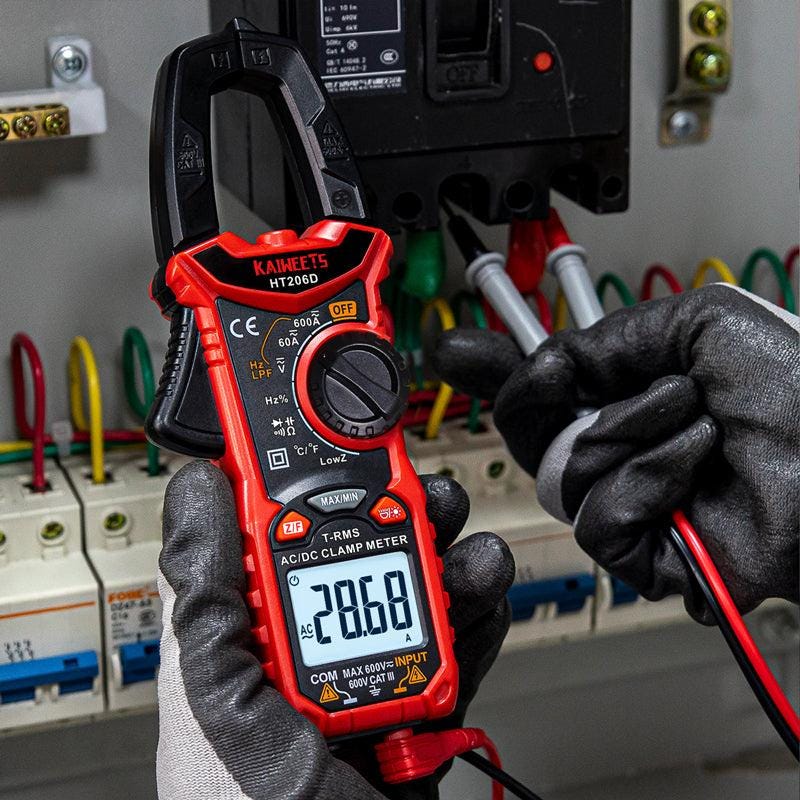
A clamp meter measures current without touching wires directly. It uses jaws to clamp around a conductor.
This tool reads the magnetic field around a wire to find the current. It is safe and quick to use.
- Open the jaws and place them around one wire only.
- Do not clamp around multiple wires together.
- Read the current value on the meter display.
Safety Gear
Safety is very important when measuring AC current. Use the right gear to protect yourself.
Wear insulated gloves and safety glasses. Avoid loose clothes or jewelry that can catch on wires.
- Insulated gloves protect against electric shocks.
- Safety glasses shield your eyes from sparks.
- Wear rubber-soled shoes to reduce shock risk.
- Use tools with insulated handles for extra safety.

Credit: www.youtube.com
Preparing For Measurement
Measuring AC current safely requires careful preparation. Follow these steps to avoid damage and ensure accurate readings.
Use proper tools and settings before starting your measurement. This helps protect you and your equipment.
Power Off Precautions
Always turn off the power before connecting the meter. This prevents electric shock and damage to the meter.
- Switch off the circuit breaker or unplug the device.
- Check that no current is flowing before attaching probes.
- Wear insulated gloves for extra safety.
- Inspect cables and meter for damage before use.
Setting Up The Meter
Prepare your multimeter or clamp meter for AC current measurement. Correct setup ensures reliable results.
| Meter Type | Setup Steps |
|---|---|
| Clamp Meter | Open jaws, zero the meter, select AC current mode |
| Multimeter | Insert probes in proper ports, select AC current range, connect in series |
Selecting The Right Range
Choose the correct current range on your meter. Too low a range may damage the meter. Too high may give inaccurate readings.
- Estimate the expected current from the device or circuit.
- Set the meter range slightly above this value.
- If unsure, start with the highest range and move down.
- Adjust as needed for clear, stable readings.
Measuring Current With A Clamp Meter
Measuring AC current is easier with a clamp meter. This tool lets you check current without touching wires. You just clamp it around a conductor.
Using a clamp meter is safe and fast. It works by detecting the magnetic field around the wire. This guide shows how to use it correctly.
Positioning The Clamp
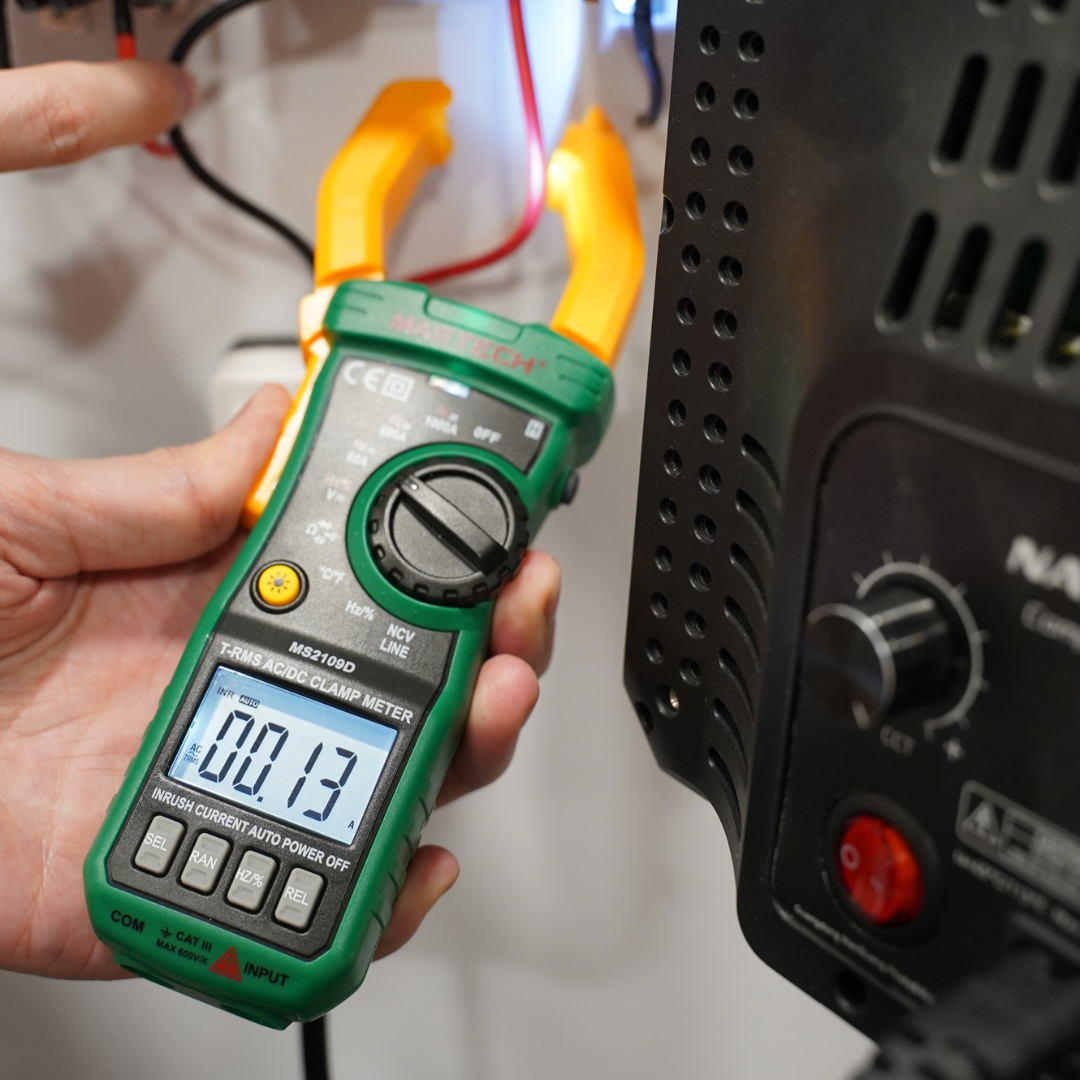
Place the clamp meter jaws fully around one wire. Make sure the jaws close completely. Do not clamp around multiple wires together.
- Open the clamp jaws wide enough to fit around the conductor.
- Center the wire inside the clamp for the best reading.
- Avoid clamping near metal parts or other wires.
- Keep the clamp steady to avoid fluctuating readings.
Reading The Display
Look at the digital display to see the current value. The meter shows the current in amperes (A). Some models auto-range, others need manual setting.
| Display Symbol | Meaning |
| A | Amperes of current |
| AC | Alternating current mode |
| Hold | Freezes the reading on screen |
| Auto | Auto-range measurement active |
Avoiding Common Errors
Errors can cause wrong measurements or damage. Follow these tips to avoid mistakes.
- Do not clamp around two or more wires at once.
- Check the meter battery before use.
- Keep the clamp jaws clean and free of debris.
- Use the correct AC setting, not DC.
- Avoid measuring current above the meter’s limit.
- Do not touch live wires with your hands or the meter.
Credit: www.mastech-group.com
Measuring Current With A Multimeter
Measuring AC current with a multimeter helps you check how much electricity flows. It is useful for fixing devices and checking circuits.
You need to use the multimeter correctly to get safe and accurate results. Follow simple steps to measure AC current.
Breaking The Circuit
To measure current, you must open the circuit. This means you stop the flow of electricity at one point.
Open the wire or connection where you want to measure current. The multimeter will be part of the circuit.
Connecting The Leads
Set your multimeter to measure AC current (A~ or ACA). Use the right ports for the leads.
Connect the red lead to the multimeter’s current input. Connect the black lead to the common port.
- Attach the red lead to the wire you opened.
- Attach the black lead to the other open end.
- Make sure the leads fit tightly to avoid errors.
Interpreting Results
Turn on the circuit and read the number on the multimeter screen. This number is the AC current in amps.
Check if the reading matches the expected current for your device. If it is too high or low, there may be a problem.
Tips For Accurate Readings
Measuring AC current accurately is important for safety and performance. Small errors can cause wrong results.
Use the right tools and follow simple tips to get precise measurements every time.
Minimizing Interference
Electrical noise can affect your AC current readings. Keep your meter away from strong magnetic fields and other devices.
Use shielded cables and avoid running wires near power lines or motors to reduce interference.
- Keep meter leads short and close together
- Avoid measuring near large transformers or motors
- Use ferrite beads on cables to block noise
Calibrating Equipment
Regular calibration keeps your measuring device accurate. Follow the manufacturer’s guidelines for calibration intervals.
If you notice inconsistent readings, recalibrate your meter or have it serviced by a professional.
- Check calibration every 6 to 12 months
- Use a known reference current for testing
- Keep calibration certificates for records
Regular Maintenance
Clean your meter and check the test leads often. Damaged parts can give wrong readings.
Store your equipment in a dry, safe place to avoid damage and wear.
- Inspect leads for cracks or broken insulation
- Replace batteries regularly to avoid low power issues
- Keep the meter clean and free from dust
Troubleshooting Measurement Issues
Measuring AC current can sometimes be tricky. Problems may cause wrong readings.
Knowing common issues helps fix errors fast. This guide shows how to spot and solve problems.
Common Problems
Wrong readings often come from tool or user errors. Loose connections or broken meters cause trouble.
Interference from nearby devices can also affect the measurement. Using the wrong range is another issue.
- Loose or corroded connections
- Damaged or low battery in meter
- Wrong measurement range selected
- Nearby electrical noise or interference
- Incorrect placement of clamp meter
Error Indicators
Look for signs that show errors. Unstable or zero reading when current flows is a clue.
Flashing or blinking numbers may mean battery or connection problems. Overload messages warn of too much current.
- Reading stays at zero despite current flow
- Numbers flicker or jump erratically
- Overload or error codes on display
- Meter does not turn on or respond
- Unusual noises or smells from the meter
Fixing Faulty Readings
Start by checking all connections are tight and clean. Replace batteries if the meter is weak.
Set the meter to the right range for the current size. Keep the clamp meter closed fully around the wire.
- Clean and secure all wire connections
- Change or recharge meter batteries
- Select correct measurement range
- Ensure clamp meter is fully closed
- Move away from devices causing interference
Frequently Asked Questions
What Tools Are Needed To Measure Ac Current?
To measure AC current, you need a clamp meter or a multimeter with AC current capability. These tools safely detect current without breaking the circuit. Clamp meters are preferred for non-contact measurement, while multimeters require circuit connection.
How Do You Measure Ac Current With A Clamp Meter?
Open the clamp meter jaws, place them around one conductor, and close the jaws. The meter displays the AC current flowing through the conductor. Ensure the meter is set to the correct AC current range for accurate readings.
Can A Multimeter Measure Ac Current Directly?
Yes, a multimeter can measure AC current directly but requires series connection with the circuit. Insert the probes in series, select AC current mode, and read the value. Use proper safety precautions to avoid damage or injury.
What Safety Tips Apply When Measuring Ac Current?
Always turn off power before connecting meters in series. Use insulated tools and wear protective gear. Avoid touching live wires and check meter ratings to handle expected current safely.
Conclusion
Measuring AC current is essential for electrical safety and efficiency. Start by using the right tools, like a multimeter or clamp meter. Follow the correct procedure for accurate readings. Always ensure your safety by wearing protective gear and handling equipment properly.
Understand your readings to make informed decisions about electrical systems. With practice, measuring AC current becomes an easier task. Keep learning and improving your skills for better results. Remember, accurate measurement helps in maintaining safe and efficient electrical operations. Stay curious and keep exploring the world of electricity!