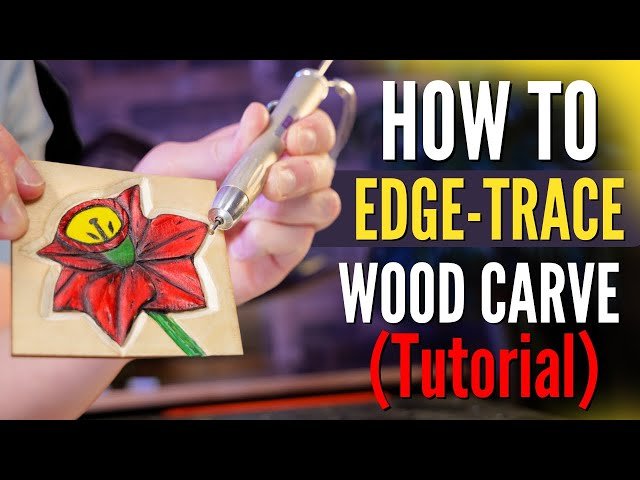
Have you ever wanted to add smooth, rounded edges to your woodworking projects but didn’t know where to start? Carving rounded edges can transform a simple piece into something elegant and professional-looking.
It’s easier than you might think, and with the right techniques, you can achieve clean, gentle curves that make your work stand out. In this guide, you’ll discover step-by-step tips to help you carve rounded edges like a pro—even if you’re just beginning.
Ready to give your creations that perfect finishing touch? Let’s dive in and make your woodwork truly shine.
Tools For Rounded Edges
Carving rounded edges adds smooth curves to wood projects. Using the right tools makes the work easier and cleaner.
This guide covers chisels, gouges, and power tools. Each has its role in shaping rounded edges.
Choosing The Right Chisels
Chisels come in many shapes and sizes. For rounded edges, look for chisels with curved or beveled edges.
Use smaller chisels for fine details. Larger chisels help remove big wood parts quickly.
- Beveled edge chisels cut smooth curves
- Skew chisels fit tight corners
- Flat chisels work for straight cuts near curves
Using Gouges Effectively
Gouges have a curved blade that scoops wood. They are perfect for shaping rounded edges.
Choose gouges by their sweep number. Lower numbers mean shallow curves; higher numbers mean deeper curves.
- Use shallow gouges for gentle curves
- Deep gouges remove more wood quickly
- Try different sizes for varied edge shapes
Power Tools For Carving
Power tools speed up carving work. Rotary tools and electric carving knives work well on rounded edges.
Use the right attachments for smooth cuts. Sanding drums and burr bits help shape and refine edges.
- Rotary tools offer precision and control
- Electric knives cut wood cleanly
- Sanding drums smooth rough edges
- Burr bits carve detailed curves
Preparing The Wood
Carving rounded edges needs careful preparation of the wood. Good preparation helps you get smooth and even edges.
Start by choosing the right wood and marking the edges clearly. Then fix the wood so it does not move while carving.
Selecting Suitable Wood Types
Soft woods are easier to carve and shape. Hard woods give a nice finish but need more effort.
Choose wood that has few knots and a straight grain. This helps prevent splitting when you carve.
- Pine and cedar are soft and easy to carve.
- Maple and oak are hard but durable.
- Avoid wood with many knots or cracks.
Marking The Edge Profile
Use a pencil to draw the rounded edge shape on the wood. Clear marks guide your carving tools.
Draw smooth curves with a compass or a flexible ruler. Check that the shape looks even on all sides.
- Use light pencil marks for easy removal later.
- Mark both the front and back edges.
- Double-check measurements before carving.
Securing The Workpiece
Fix the wood firmly to a workbench or clamp. This keeps the wood steady while you carve.
Use clamps that do not damage the wood surface. Make sure the wood does not move or wobble.
- Use a bench vise or quick-release clamps.
- Place padding between clamp and wood to avoid marks.
- Test stability before starting to carve.
Carving Techniques
Carving rounded edges requires careful shaping and smoothing. Each step helps create a clean, curved look. Using the right tools and methods makes the process easier.
This guide explains how to start with rough cuts, shape the curve, and finish by smoothing the surface. Follow these techniques to get smooth, rounded edges on wood or other materials.
Starting With Rough Cuts
Begin by removing large amounts of material to form the basic shape. Use a saw or chisel to make rough cuts along the edge. Keep your cuts controlled to avoid removing too much wood.
- Mark the curve outline clearly before cutting
- Use a coping saw or jigsaw for curved cuts
- Work slowly to stay close to the marked line
- Check your progress often to keep the shape even
Shaping The Curve
After rough cuts, refine the curve using carving tools. Gouges and files help create a smooth, rounded edge. Shape the curve evenly on all sides.
| Tool | Purpose | Tip |
|---|---|---|
| Gouge | Remove wood in curved areas | Use a curved gouge for smoother lines |
| File | Refine edges and shape | File gently to avoid flat spots |
| Sandpaper | Prepare surface for smoothing | Start with coarse grit, then fine grit |
Smoothing The Surface
Use sandpaper or a sanding block to smooth the rounded edge. Begin with medium grit and finish with fine grit for a soft touch. Sand evenly to keep the curve consistent.
Tips for smooth edges:
- Sand along the curve, not across
- Use a sanding block for better control
- Check the edge by touch and sight
- Apply a finish to protect the surface

Credit: www.reddit.com
Finishing Touches
Carving rounded edges gives wood a soft, smooth look. Finishing touches help protect the wood and keep it looking good.
These steps make your carved edges last longer and feel nice to touch.
Sanding For Smoothness
Sanding removes rough spots and sharp bits from the edges. Use fine sandpaper to avoid changing the shape.
Sand gently in the direction of the curve until the surface feels soft and smooth.
- Start with medium grit sandpaper (120-150 grit)
- Finish with fine grit sandpaper (220 grit or higher)
- Use a sanding sponge for even curves
- Clean dust with a soft brush or cloth
Applying Sealants And Finishes
Sealants protect wood from moisture and dirt. Finishes add shine and enhance color.
Choose a finish that fits your project’s use and style. Apply thin layers and let each dry well.
- Use wood sealers or shellac for protection
- Try oil finishes for a natural look
- Use varnish or polyurethane for strong protection
- Apply with a brush or cloth evenly
- Lightly sand between coats for smoothness
Maintaining The Carved Edges
Keep edges clean and dry to avoid damage. Regular care helps preserve the shape and finish.
Check edges for scratches or wear. Reapply finish if needed to keep wood safe.
- Dust edges often with a soft cloth
- Avoid harsh chemicals or rough cleaning tools
- Repair small scratches with fine sandpaper
- Apply a fresh finish every year or as needed
Common Mistakes To Avoid
Carving rounded edges is a skill that takes time to learn. Avoiding common mistakes helps you get better results.
Knowing what to watch out for can save your project from damage and frustration.
Overcutting The Edges
Cutting too deep or too much at the edges can ruin the shape. It makes the edge uneven and weak.
Take small cuts and check your progress often. This keeps the edge smooth and balanced.
Ignoring Grain Direction
Wood grain shows the natural lines in the wood. Carving against the grain can cause rough edges and splinters.
Always carve along the grain to get a clean and smooth edge. It also makes carving easier and safer.
Rushing The Process
Trying to finish carving too fast leads to mistakes. You might cut too deep or miss details.
Work slowly and carefully. Take breaks if needed to keep steady hands and focus.

Credit: lsirish.com

Credit: www.schaaftools.com
Frequently Asked Questions
What Tools Are Best For Carving Rounded Edges?
The best tools include a router with a round-over bit, sandpaper, and files. These tools shape smooth, consistent curves efficiently and safely.
How Do You Prepare Wood For Rounded Edge Carving?
Start by sanding the wood surface smooth and removing dust. This ensures clean cuts and better tool control during carving.
What Safety Tips Should I Follow While Carving Edges?
Always wear safety goggles and a dust mask. Use sharp tools and keep hands clear of cutting paths.
Can I Carve Rounded Edges On Any Wood Type?
Yes, but softer woods like pine are easier. Hardwoods may require more effort and sharper tools for smooth edges.
Conclusion
Carving rounded edges can enhance your woodworking projects beautifully. Start with the right tools and practice patience. Take small, steady cuts for smooth results. Safety is important, so wear protective gear. Remember to sand the edges for a polished finish.
These simple steps can transform your woodworking skills. Keep practicing and experimenting with different techniques. Over time, your confidence will grow. You will create stunning pieces with ease. Enjoy the process and celebrate your progress. Each project is a new learning opportunity.
Happy carving!