Are you ready to take your woodworking skills to the next level? Understanding the right squares and tools can make all the difference in your projects.
Whether you’re building a simple shelf or crafting intricate furniture, having the perfect guide to woodworking squares and tools will save you time, reduce mistakes, and boost your confidence. You’ll discover exactly which tools you need and how to use them like a pro.
Keep reading, and watch your woodworking projects become sharper, smoother, and more precise than ever before.

Credit: www.woodpeck.com
Types Of Woodworking Squares
Woodworking squares help measure and mark right angles. They ensure cuts and joints are accurate.
Different squares serve different purposes in woodworking projects. Knowing the types helps choose the right tool.
Try Squares
Try squares check the accuracy of right angles. They have a wooden or metal handle and a steel blade.
They are simple and used mostly for marking lines across wood grain. Try squares are great for quick checks.
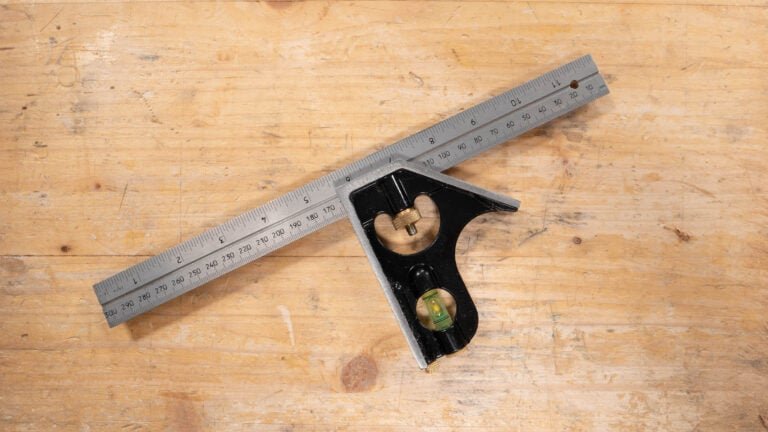
Combination Squares
Combination squares have a ruler and an adjustable head. The head can be set to 90 or 45 degrees.
They also measure depths and mark lines. This tool is versatile for many woodworking tasks.
- Measure 90 and 45-degree angles
- Mark lines and measure depths
- Adjustable for different uses
Speed Squares
Speed squares are triangular and made of metal. They help mark angles quickly on wood.
They are common in framing and roofing work. The tool also helps guide saw cuts with ease.
- Mark common angles fast
- Use as a saw guide
- Compact and easy to carry
Bevel Squares
Bevel squares have an adjustable blade and handle. They measure and transfer angles that are not 90 degrees.
They help set angles on cuts and joints. This tool is useful when working with irregular shapes.
Materials And Construction
Woodworking squares are tools used to check and mark right angles. The materials used affect their strength and accuracy.
Choosing the right material helps you get precise cuts and lasting tools. Let’s look at common materials and how they are built.
Steel Vs Aluminum
Steel squares are strong and heavy. They resist bending and keep their shape well over time.
Aluminum squares are lighter and easier to carry. They may dent or bend more easily than steel.
- Steel is heavier and more durable
- Aluminum is lightweight and rust-resistant
- Steel may need protection from rust
- Aluminum can bend if not handled carefully
Wooden Squares
Wooden squares are traditional tools made from hardwood. They are light and easy to use.
Wood can wear down or warp if it gets wet. It requires care to stay accurate and reliable.
- Made from hard, stable wood
- Lightweight but less durable than metal
- Can warp or crack if exposed to moisture
- Often used for rough work or quick checks
Durability And Accuracy
Durability means how long a square stays useful without damage. Accuracy means how well it keeps true angles.
Metal squares usually offer better durability and accuracy. Wooden squares may lose accuracy if damaged or warped.
- Steel squares hold shape and angle well
- Aluminum squares resist rust but can bend
- Wooden squares can change shape with weather
- Check your square often for exact angles
Choosing The Right Square
Woodworking squares help you measure and mark right angles. Picking the correct square makes your work easier and more accurate.
Different squares suit different tasks. Think about your needs before choosing one.
Project Requirements
Choose a square based on the type of woodworking project you plan. Small projects need smaller squares. Large projects may need bigger or more precise tools.
- Use a try square for small cuts and joints.
- A combination square works for measuring, marking, and checking angles.
- Use a framing square for large frames and layouts.
- A speed square is good for quick measurements and marking.
Budget Considerations
Squares come in many price ranges. Decide how much you want to spend before buying.
| Price Range | Square Type | Best For |
| Low | Plastic Speed Square | Simple, light work |
| Medium | Steel Combination Square | General woodworking |
| High | Precision Machinist Square | Fine, detailed work |
User Experience Level
Pick a square that fits your skill level. Beginners need easy-to-use squares. Experts may want more features.
- Beginners: Start with a simple try or speed square.
- Intermediate: Use a combination square with adjustable parts.
- Advanced: Try specialized squares for accuracy and durability.
Credit: teddawsonantiquetools.com
Using Squares For Precision
Woodworking squares help you make exact cuts and joins. Using these tools right improves your project’s quality.
Squares come in different shapes and sizes. They guide your work to keep lines and angles true.
Checking Squareness
Check if corners are exactly 90 degrees with a square. Place the square inside or outside the corner.
- Align the tool’s inside edge with one board edge
- See if the other edge touches the square’s blade
- If gaps appear, adjust the pieces before fixing
- Use a try square or combination square for best results
Marking And Measuring
Squares help you mark straight, even lines on wood. Use the ruler part to measure distances.
| Tool Type | Best Use | Measurement Range |
| Try Square | Check right angles, mark lines | Up to 6 inches |
| Combination Square | Measure, mark 45° and 90° angles | Up to 12 inches |
| Speed Square | Mark angles, measure short distances | Up to 7 inches |
Transferring Angles
Use squares to copy angles from one part to another. This keeps your pieces consistent.
To transfer an angle:
- Place the square’s pivot at the angle’s vertex
- Adjust the blade to match the angle edge
- Lock the blade if your square has a locking feature
- Move the square to the new workpiece and mark the angle
Complementary Woodworking Tools
Woodworking requires precise tools to create clean, accurate cuts and joints. Alongside squares, other tools help mark, shape, and hold wood pieces firmly.
Using the right complementary tools makes your work easier and improves the final result. Below are key tools every woodworker should know about.
Marking Gauges
Marking gauges help you draw lines parallel to edges. They ensure straight cuts and consistent measurements. These tools have a sharp pin or blade that scores the wood surface.
- Adjustable fence for setting width
- Pin or blade to mark the wood
- Used for scribing lines on edges and faces
- Helps in layout for joints like dovetails
Chisels And Planes
Chisels remove small wood pieces for shaping and fitting joints. Planes smooth surfaces and adjust thickness. Both tools need sharp edges for best results.
| Tool | Main Use | Key Feature |
| Chisel | Cut and shape wood | Sharp, beveled edge |
| Block Plane | Trim and smooth surfaces | Adjustable blade depth |
| Jack Plane | Flatten and reduce wood thickness | Long sole for straight cuts |
Clamps And Jigs
Clamps hold wood parts tightly during gluing or assembly. Jigs guide tools or wood for repeated, accurate cuts. Both increase precision and safety.
- Bar clamps and C-clamps for strong holding
- Corner clamps for square joints
- Mitre jigs for angled cuts
- Router jigs for shaping edges
Maintenance And Calibration
Woodworking squares and tools need regular care to stay accurate. Proper maintenance helps keep measurements precise.
Calibration ensures your tools make correct cuts and markings. This guide explains how to clean, check, and adjust your squares.
Cleaning And Storage
Keep your woodworking squares clean to avoid rust and damage. Dirt or oil can affect accuracy and tool life.
- Wipe tools with a dry cloth after each use
- Use light oil to protect metal parts from rust
- Store squares in a dry, cool place away from moisture
- Avoid dropping or banging tools to prevent warping
Checking Accuracy
Check your squares regularly for accuracy. Small errors can cause big problems in your projects.
| Tool Type | How to Check | Signs of Inaccuracy |
| Try Square | Place against a known straight edge and mark | Gap or uneven line between tool and edge |
| Combination Square | Check blade against a precise 90° angle | Blade does not sit flush or shows gaps |
| Speed Square | Align with a framing square or straight edge | Mismatch in angle or uneven contact |
Adjusting Combination Squares
Combination squares have adjustable heads. Tighten or loosen the locking screw to calibrate the blade.
- Loosen the locking screw on the square head
- Align the blade to a known accurate 90° or 45° angle
- Tighten the screw firmly without shifting the blade
- Double-check the angle to confirm accuracy
- Repeat the process if the blade is still off
Common Mistakes To Avoid
Woodworking squares and tools help you measure and mark wood accurately. Making mistakes with these tools can lead to bad cuts and wasted materials.
Here are common errors to avoid to keep your woodworking projects precise and safe.
Misreading Measurements
Reading measurements wrong can cause parts to not fit or pieces to be cut too short. Check your marks twice before cutting wood.
Use a good light source and take your time to read scales carefully. Always start measuring from the right point on the tool.
- Look closely at the numbers on the square
- Make sure the tool is flat against the wood
- Double-check measurements before cutting
Using Damaged Tools
Using squares or tools with cracks, bends, or worn edges leads to wrong angles and measurements. Damaged tools lose their accuracy.
Inspect your tools before each use and replace any that are damaged. Clean tools also work better and last longer.
- Check for bent rulers or edges
- Look for cracks or chips on the square
- Keep tools clean and dry
Improper Handling
Holding or using squares the wrong way can cause wrong marks or damage the tool. Always use a firm but gentle grip.
Do not drop your tools or use them to pry wood. Store them safely to avoid bending or scratching.
- Hold the square firmly against the wood
- Do not use tools for tasks they are not made for
- Store tools in a dry, safe place

Credit: trigjig.co.uk
Tips For Mastering Precision Crafting
Using woodworking squares and tools correctly helps you make exact cuts and shapes. Precision is key to good woodworking projects.
Small mistakes add up. Learning tips to improve your accuracy saves time and material waste.
Practice Techniques
Regular practice with your squares and tools builds skill and confidence. Try simple projects first to focus on accuracy.
Check your work often using the square. This helps catch mistakes early and trains your eye for detail.
- Draw lines carefully with the square as a guide
- Make test cuts on scrap wood before working on your project
- Practice measuring twice before cutting
- Keep your tools clean for smooth use
Tool Upgrades
Invest in good quality squares and tools for better precision. Tools that fit your hand feel easier to control.
Look for features like clear markings and sturdy construction. These help maintain accuracy over time.
- Use combination squares for multiple measurements
- Try framing squares for large projects
- Consider digital squares for quick readings
- Sharpen or replace blades regularly
Workspace Organization
A tidy workspace helps you work faster and more precisely. Keep your squares and tools within easy reach.
Organize tools so you can find them quickly. Clear space lets you measure and cut without distractions.
- Use wall hooks or tool racks for storage
- Label tool holders for easy identification
- Keep measuring tools away from dust and moisture
- Clean your workspace after each session
Frequently Asked Questions
What Are Woodworking Squares Used For?
Woodworking squares help measure and mark precise right angles. They ensure accurate cuts and alignment in wood projects. These tools improve craftsmanship and reduce errors. Common types include try squares, combination squares, and speed squares.
How To Choose The Right Woodworking Square?
Choose a square based on your project needs and accuracy. Try squares suit basic right-angle checks. Combination squares offer versatility with adjustable rulers. Speed squares work well for framing and roofing tasks. Material quality and size also matter.
How To Maintain Woodworking Squares For Accuracy?
Keep squares clean and dry to prevent rust. Store them in a protective case or toolbox. Regularly check for warping or damage. Calibrate with known right angles if needed. Proper maintenance extends tool life and ensures precise measurements.
Can Woodworking Squares Measure Angles Other Than 90 Degrees?
Yes, some squares like combination and speed squares measure multiple angles. They include protractors or angle markings for versatility. This feature aids in marking bevels and complex cuts. It expands the tool’s usefulness beyond simple right angles.
Conclusion
Woodworking squares and tools are essential for precise projects. They ensure straight cuts and accurate measurements. This guide helps you understand their uses and importance. With the right tools, your work becomes efficient and precise. Practice makes perfect, so keep experimenting.
Invest in quality tools for long-lasting results. Remember, safety first. Wear protective gear when working. Enjoy the process of creating with wood. It’s both rewarding and satisfying. Happy woodworking!