Bending copper pipes in tight spaces can feel like a tricky challenge. You might worry about damaging the pipe or ending up with a poor fit.
But what if you could bend copper pipes smoothly and precisely, even in the smallest spots? This guide will show you simple, effective ways to bend copper pipes without stress or mistakes. By the end, you’ll have the confidence and skills to handle your plumbing projects like a pro.
Ready to learn how to master copper pipe bending? Let’s dive in.
Tools Needed
Bending copper pipes is useful for fitting pipes into small spaces. Using the right tools makes the job easier and safer.
This guide will explain the tools you need for bending copper pipes correctly.
Types Of Pipe Benders
There are several pipe benders for shaping copper pipes. Each type works best for different bending jobs.
- Handheld Spring Bender:A simple tool that fits inside the pipe. It helps keep the pipe from kinking.
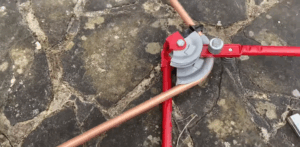
- Lever-Type Bender:Uses leverage to bend pipes smoothly. Good for tight spaces and precise angles.
- Rotary Bender:Rotates the pipe around a form to make smooth bends. Best for larger pipe sizes.
- Hydraulic Bender:Uses hydraulic power for heavy-duty bending. Ideal for thick or large pipes.
Additional Supplies
Besides pipe benders, you need extra supplies to complete the bending process safely and accurately.
- Measuring Tape:Measures pipe length and bend location.
- Marker:Marks where to bend the pipe.
- Pipe Cutter:Cuts pipes cleanly to size.
- Gloves:Protect your hands during bending.
- Deburring Tool:Removes sharp edges after cutting.
- Sandpaper:Smooths pipe surfaces for better fitting.
Credit: www.eliterooter.com
Preparing The Pipe
Bending copper pipes needs careful preparation. This helps avoid damage and makes the bend smooth.
Start by getting the pipe ready. This includes measuring, marking, and cleaning the pipe surface.
Measuring And Marking
Measure the pipe length where you want to bend it. Use a tape measure for exact results.
Mark the spot clearly with a permanent marker. This guide helps you bend at the right place.
- Use a ruler or tape measure.
- Mark the pipe with a fine-tip permanent marker.
- Check your marks twice before bending.
Cleaning The Pipe Surface
Clean the pipe surface before bending. Dirt and grease can cause problems during the process.
Use a clean cloth to wipe off dust and oil. Make sure the pipe is dry before you start bending.
- Wipe pipe with a dry cloth.
- Use rubbing alcohol for oily spots.
- Let the pipe dry completely.
Bending Techniques
Bending copper pipes lets you fit them into small spaces. Different ways work best for different jobs. Using the right technique helps avoid damage.
Here are three common bending techniques for copper pipes. Each works well depending on your tools and pipe size.
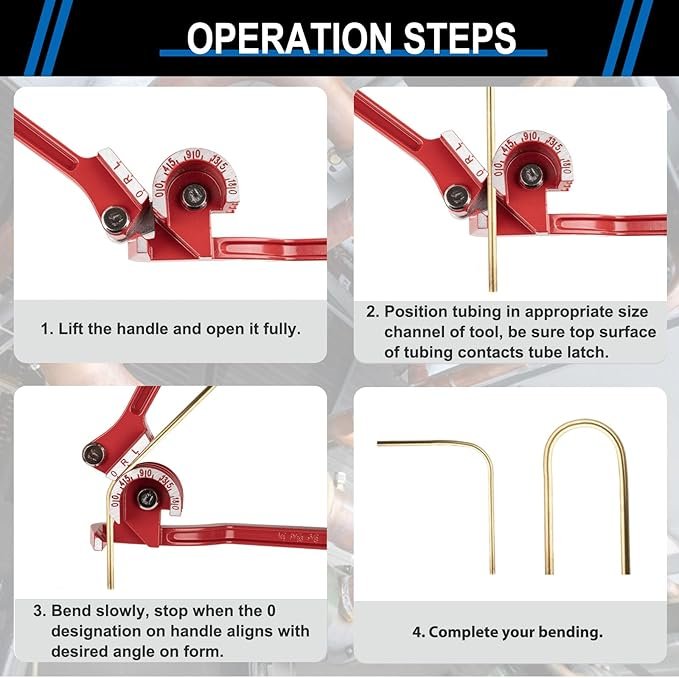
Using A Manual Pipe Bender
A manual pipe bender is a simple tool for bending copper pipes. It helps you make smooth, even bends without kinks. This tool is easy to use for tight spaces.
Place the pipe in the bender. Slowly pull the handle to bend the pipe. Check the angle often to avoid overbending.
- Choose a pipe bender that fits your pipe size
- Mark where you want to bend
- Apply slow, steady pressure
- Check the bend angle frequently
- Release the pipe carefully to keep the shape
Heat Bending Method
Heating copper pipes makes them easier to bend. Heat softens the metal, reducing the risk of cracks. This works well for large or tight bends.
Use a propane torch to heat the pipe evenly. Warm the area where you want to bend. Do not overheat or burn the pipe.
- Wear safety gloves and goggles
- Heat the pipe evenly along the bend area
- Use pliers or a bending tool to shape the pipe
- Cool the pipe slowly to keep its shape
Spring Method For Small Bends
The spring method uses a flexible spring inside the pipe. This keeps the pipe from collapsing while bending. It works best for small radius bends.
Insert the spring into the pipe end. Bend the pipe carefully around the spring. Remove the spring after bending.
- Pick a spring that fits snugly inside the pipe
- Push the spring fully into the pipe
- Bend the pipe slowly by hand or with a tool
- Pull out the spring once the bend is done

Credit: www.eliterooter.com
Avoiding Common Mistakes
Bending copper pipes in tight spaces needs care. Mistakes can cause leaks or damage. Learning what to avoid helps keep pipes safe and working well.
This guide points out common errors and how to fix them. Follow these tips to make smooth bends without trouble.
Preventing Kinks And Cracks
One main problem is making bends too sharp. This can cause kinks that block water flow or cracks that leak. Avoid bending pipes at tight angles or using too much force.
- Use a proper pipe bender tool to keep the curve smooth.
- Heat the pipe gently if needed to make bending easier.
- Support the pipe well to prevent sudden bends or twists.
- Check the pipe’s thickness; thin pipes bend more easily but break faster.
Maintaining Pipe Integrity
Maintaining the pipe’s strength is key for long use. Avoid stress and damage by handling pipes carefully and testing bends before installing.
| Common Issue | Cause | Prevention |
|---|---|---|
| Pipe Cracking | Over-bending or cold bending | Use heat and proper tools |
| Leaks at Joints | Poor alignment or damaged pipe ends | Cut cleanly and align properly |
| Weak Spots | Repeated bending or dents | Handle pipes gently and avoid re-bending |
Fitting Pipes In Tight Spaces
Bending copper pipes in small areas can be tricky. You need to plan carefully to avoid damage. Using the right tools helps make clean bends without kinks.
This guide covers how to plan your pipe route and use elbows and connectors to fit copper pipes in tight spaces.
Planning Your Pipe Route
Plan the path of your copper pipe before bending. Look for the shortest route that avoids obstacles. Measure the space to know how much pipe you need.
- Check for walls, studs, and fixtures in the way.
- Mark the pipe’s path on the wall or floor.
- Allow enough space for pipe expansion and movement.
- Use a pipe bender for smooth curves instead of sharp bends.
- Keep bends gentle to avoid weakening the pipe.
Using Elbows And Connectors
Elbows and connectors help you change pipe direction in tight spots. They reduce the need to bend pipes too sharply. Use fittings that match your pipe size.
| Fitting Type | Use | Angle |
| Elbow | Change pipe direction | 90° or 45° |
| Coupler | Connect two pipes in a straight line | 0° |
| Union | Allow easy pipe disconnection | 0° |
| Adapter | Connect pipes of different sizes | Varies |

Credit: www.reddit.com
Testing And Adjusting
After bending copper pipes, you must test and adjust them. This ensures the pipe fits well and works correctly.
Proper testing helps find leaks and check if the bends are smooth. Adjustments fix any problems before final installation.
Checking For Leaks
Check for leaks by running water or air through the pipe. Watch for drips or hissing sounds near the bends.
Use soapy water on joints and bends. Bubbles mean there is a leak that needs fixing.
- Turn on water or air pressure slowly
- Inspect all connections and bends carefully
- Apply soapy water and look for bubbles
- Mark leak spots for repair
Fine-tuning The Bends
If the bend is too sharp or loose, adjust it gently. Use a pipe bender or hands with care to reshape the pipe.
Make small changes to avoid damaging the pipe. Test the fit often during adjustments to get the right shape.
- Use a pipe bender for smooth, controlled bends
- Apply steady pressure to avoid kinks
- Check pipe alignment with fittings
- Repeat testing after each adjustment
Frequently Asked Questions
How Do You Bend Copper Pipes Without Kinking?
Use a pipe bending spring or a bending tool for smooth curves. Always bend slowly and evenly to avoid kinks. Heating the pipe gently can also help make bending easier and prevent damage.
What Tools Are Best For Bending Copper Pipes?
Pipe bending springs, tubing benders, and heat guns are ideal tools. They provide control and precision, especially in tight spaces. Using the right tools ensures clean bends without damaging the copper pipe.
Can Copper Pipes Be Bent Without Special Tools?
Yes, small bends can be made by hand with care. Using sand inside the pipe to prevent collapse helps. However, special tools provide better results and reduce risks of kinks or damage.
How Much Can Copper Pipes Bend Without Breaking?
Copper pipes can typically bend up to 90 degrees with proper tools. Bending beyond this angle risks cracking or kinking the pipe. Always bend gradually to maintain pipe integrity.
Conclusion
Bending copper pipes in tight spaces is easier than you think. Start with the right tools. A pipe bender or spring works well. Measure twice. Cut once. Mark where the bend goes. Apply steady pressure. Slow and steady wins the race.
Take your time. Check the angle often. Avoid sharp bends that may damage the pipe. Practice makes perfect. With patience, you can bend pipes smoothly. No need to rush. Follow these steps. Success awaits in your plumbing projects. Enjoy the satisfaction of a job well done.
Your skills will improve with each bend. Keep learning and experimenting!