Are you struggling with stubborn pipes that just won’t budge? Knowing how to use a pipe wrench correctly can save you time, frustration, and even money on repairs.
This guide will walk you through simple steps to master your pipe wrench, whether you’re a beginner or need a quick refresher. By the end, you’ll feel confident tackling plumbing tasks like a pro. Ready to make your next fix easier and more effective?
Let’s dive in.
Choosing The Right Pipe Wrench
Choosing the right pipe wrench is important for safe and effective work. The right wrench helps you grip pipes firmly and avoid damage.
Different pipe wrenches fit different jobs. Knowing the types, sizes, and materials can help you pick the best one.
Types Of Pipe Wrenches
There are several types of pipe wrenches. Each type works best for certain tasks.
- Stillson Wrench:The most common type with adjustable jaws.
- End Pipe Wrench:Has a narrow head for tight spaces.
- Strap Wrench:Uses a strap to grip pipes without damage.
- Compound Leverage Wrench:Uses extra leverage for strong grip.
Choose the type based on the pipe size and work area.
Size And Material Considerations
Pick a pipe wrench size that fits the pipes you work on. Too big or small wrenches can slip or damage pipes.
Materials affect wrench weight and durability. Most wrenches are made of steel or aluminum.
- Steel:Heavy but very strong and durable.
- Aluminum:Lighter, easier to carry, less fatigue.
Choose the material based on how often and where you will use the wrench.
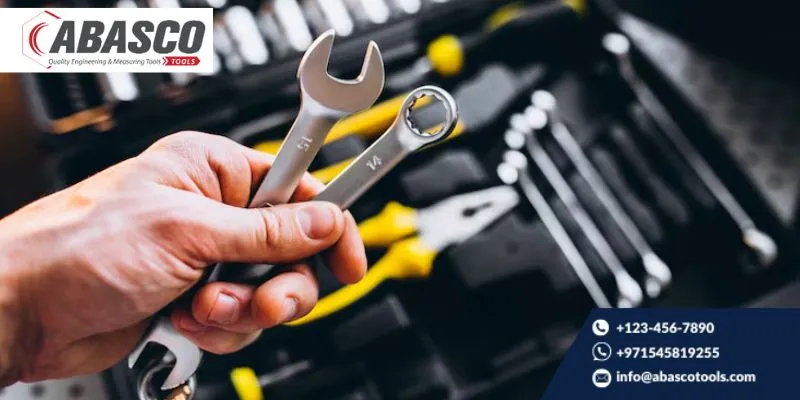
Credit: abascotools.com
Basic Pipe Wrench Parts
A pipe wrench is a tool used to grip and turn pipes. It has several important parts. Knowing these parts helps you use it safely and effectively.
Two main parts to understand are the jaw and teeth, and the handle with the adjustment nut. These parts work together to hold pipes tight.
Jaw And Teeth
The jaw is the part that grabs the pipe. It has teeth that bite into the pipe’s surface to stop slipping. The teeth are angled to hold the pipe firmly when you turn the wrench.
- Fixed Jaw:Attached to the handle and does not move.
- Adjustable Jaw:Moves up and down to fit different pipe sizes.
- Teeth:Sharp edges on both jaws to grip pipes tightly.
Handle And Adjustment Nut
The handle gives you leverage to turn the pipe. It is long and strong to apply force easily. The adjustment nut changes the jaw opening size.
| Part | Function |
| Handle | Provides grip and leverage to turn pipes |
| Adjustment Nut | Moves the adjustable jaw to fit pipe size |
Proper Grip Techniques
Using a pipe wrench safely means holding it correctly. The right grip helps you tighten or loosen pipes without slipping.
This guide shows how to hold the wrench well. It covers how to position the tool and how much pressure to apply.
Positioning The Wrench
Place the pipe wrench jaws around the pipe. Make sure the adjustable jaw grips the pipe firmly. The wrench teeth must bite into the pipe surface.
- Hold the wrench handle with your dominant hand near the end.
- Use your other hand to steady the wrench closer to the jaws.
- Angle the wrench so the jaws align with the pipe’s axis.
- Ensure the pipe fits snugly between the jaws before turning.
Applying The Correct Pressure
Do not use too much force at first. Apply steady pressure to avoid slipping or damaging the pipe.
| Pressure Level | Effect |
|---|---|
| Light Pressure | Allows adjustment of the wrench position |
| Moderate Pressure | Secures grip on the pipe without damage |
| High Pressure | Risk of slipping or breaking the pipe |
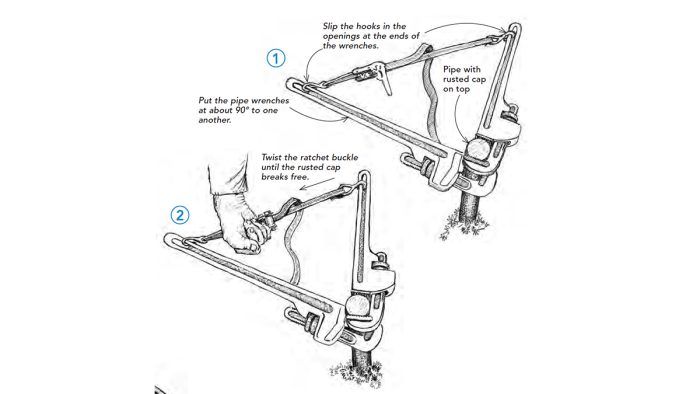
Credit: www.finehomebuilding.com
Step-by-step Usage
A pipe wrench is a strong tool used to grip and turn pipes. It helps fix plumbing and other pipe-related jobs. Using it right keeps you safe and avoids damage.
Follow these steps to use a pipe wrench properly. You will learn how to adjust it and turn pipes safely.
Adjusting The Wrench
Start by opening the jaws of the wrench. Turn the knurled knob to make the opening larger or smaller. The jaws should fit tightly around the pipe.
Make sure the wrench teeth grip the pipe firmly. The top jaw moves to adjust the size. Check if the wrench holds the pipe without slipping.
- Turn the knob counterclockwise to open the jaws
- Place the wrench on the pipe
- Turn the knob clockwise to tighten the jaws
- Ensure the wrench fits snugly around the pipe
Turning Pipes Safely
Hold the wrench handle firmly with one hand. Pull the wrench towards you instead of pushing. This gives better control and reduces slipping.
Do not use too much force. If the pipe does not move, check the wrench fit again. Use steady pressure to turn the pipe slowly.
- Grip the wrench handle tightly
- Pull the wrench towards you, do not push
- Apply slow and steady force
- Stop if the wrench slips or pipe resists
- Readjust the wrench if needed
Common Mistakes To Avoid
Using a pipe wrench correctly helps you finish your work safely and well. Avoid mistakes that can damage the tool or pipes.
Two common errors are overtightening and using the wrong wrench size. Learn how to avoid these to protect your tools and pipes.
Overtightening
Applying too much force can damage the pipe or the wrench. It may cause pipes to crack or deform, leading to leaks.
- Use only enough pressure to grip the pipe firmly.
- Stop tightening once the wrench holds the pipe securely.
- Avoid using extensions or cheater bars to increase leverage.
- Check pipe condition before applying force to avoid breakage.
Using The Wrong Wrench Size
Choosing the wrong wrench size can slip and damage the pipe or tool. A wrench too big or too small won’t grip properly.
| Wrench Size | Pipe Diameter | Effect of Wrong Size |
| Small | Large Pipe | Slips off, damages pipe surface |
| Large | Small Pipe | Hard to tighten, may deform pipe |
| Correct | Matching Pipe | Secure grip, safe work |
Maintenance Tips
Keeping your pipe wrench in good shape makes it safer and easier to use. Regular care helps the tool last longer.
Follow simple steps to clean and store your pipe wrench properly. This stops rust and keeps parts moving smoothly.
Cleaning And Lubrication
After each use, remove dirt and grease from the wrench. Clean parts work better and last longer.
- Wipe the wrench with a dry cloth to remove dust.
- Use a wire brush to clean the teeth on the jaw.
- Apply light machine oil on the moving parts to prevent rust.
- Move the jaws back and forth to spread the oil evenly.
- Remove excess oil with a clean cloth to avoid dirt buildup.
Storage Best Practices
Store your pipe wrench in a dry place to protect it from moisture and damage. Proper storage keeps the tool ready for use.
| Storage Tip | Reason |
| Keep wrench off the ground | Prevents dirt and moisture contact |
| Hang on a pegboard or tool rack | Keeps wrench organized and accessible |
| Store in a toolbox with desiccant packs | Absorbs moisture and reduces rust |
| Do not stack heavy tools on top | Prevents jaw misalignment or damage |
Safety Precautions
Using a pipe wrench requires care to avoid injuries. Safety precautions protect you and others nearby.
Follow simple rules and wear the right gear to work safely with a pipe wrench.
Protective Gear
Wear protective gear to keep your hands, eyes, and body safe while using a pipe wrench.
- Use gloves to protect your hands from cuts and pinches.
- Wear safety goggles to shield your eyes from debris.
- Use sturdy boots to protect your feet from falling objects.
- Wear a long-sleeve shirt to avoid scratches and burns.
Safe Working Environment
Keep your work area clean and well-lit to avoid accidents with a pipe wrench.
| Safety Tip | Description |
| Clear Space | Remove clutter to avoid tripping or slipping. |
| Good Lighting | Ensure enough light to see the pipe and wrench clearly. |
| Stable Surface | Work on a flat, stable surface to prevent falls. |
| Proper Posture | Stand firmly and keep balance while working. |
Credit: abascotools.com
Frequently Asked Questions
What Is A Pipe Wrench Used For?
A pipe wrench is a tool designed for gripping and turning pipes and fittings. Its adjustable jaws make it perfect for plumbing tasks. Commonly used by professionals, it ensures a firm grip on rounded surfaces. This tool is essential for any plumbing repair or installation project.
How Do You Adjust A Pipe Wrench?
To adjust a pipe wrench, turn the nut behind its jaws. This action widens or narrows the jaw opening. Ensure the wrench fits snugly around the pipe for effective use. Proper adjustment is vital for ensuring a secure grip and preventing damage to the pipe.
Why Choose A Pipe Wrench Over Other Wrenches?
A pipe wrench offers a unique grip on rounded surfaces, unlike other wrenches. Its serrated jaws provide excellent traction, ideal for plumbing. The adjustable design accommodates various pipe sizes. For pipe-related tasks, it ensures efficiency and safety, making it superior to other wrench types.
Can A Pipe Wrench Damage Pipes?
Yes, improper use of a pipe wrench can damage pipes. Over-tightening the wrench might dent or scratch the surface. Always adjust the wrench correctly and apply balanced force. Ensuring proper use minimizes the risk of damage and extends the lifespan of both the tool and the pipes.
Conclusion
Using a pipe wrench correctly makes your work easier and safer. Always check the wrench’s grip before turning. Keep the tool clean and well-oiled to last longer. Practice will help you feel more confident and precise. Remember, the right tool saves time and effort.
Now, you are ready to handle pipe tasks with ease. Simple steps lead to better results. Try these tips next time you use a pipe wrench.