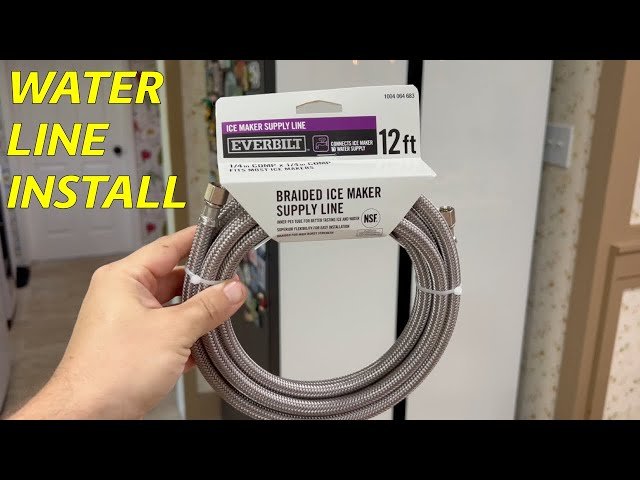
Are you ready to take control of your home’s plumbing and save money on costly repairs? Installing water supply lines might sound tricky, but with the right steps, you can do it yourself—and get it done right.
Imagine the confidence you’ll feel knowing your water flows perfectly where it should, without leaks or hassles. In this guide, you’ll discover simple, clear instructions that make the process straightforward, even if you’re new to plumbing. Stick with me, and by the end, you’ll have the skills to install water supply lines like a pro.
Let’s get started!

Credit: goproplumbingrepair.com
Tools And Materials Needed
Installing water supply lines requires some basic tools and materials. Having the right items helps make the job easier and safer.
This guide lists the essential tools and materials you will need. Make sure to gather everything before starting your project.
Essential Tools
Tools make installing water supply lines faster and more accurate. Use the right tools to avoid leaks and damage.
- Pipe wrench for gripping and turning pipes
- Adjustable wrench for tightening fittings
- Tube cutter to cut pipes cleanly
- Plumber’s tape to seal threaded joints
- Pipe deburring tool to smooth pipe edges
- Measuring tape for accurate pipe lengths
- Bucket to catch any water spills
- Safety gloves to protect your hands
- Flashlight for working in dark spaces
Required Materials
You need specific materials to build strong and leak-free water supply lines. Choose materials that fit your plumbing system.
- PEX, copper, or PVC pipes depending on your setup
- Pipe fittings like elbows, tees, and couplings
- Shut-off valves to control water flow
- Pipe clamps or brackets for securing pipes
- Plumber’s putty or sealant for joints
- Teflon tape to wrap threaded connections
- Pipe insulation to prevent freezing

Credit: goproplumbingrepair.com
Planning Your Water Supply Lines
Installing water supply lines needs careful planning to work well. Planning helps avoid leaks and water problems later.
Start by looking at your water source and where pipes will go. This saves time and money during installation.
Assessing Your Water Source
Check where your water comes from before installing pipes. It could be a well, city water, or a tank.
Knowing your water source helps pick the right pipe type and size. It also shows if you need extra equipment.
- Find the exact point of water entry
- Measure water pressure and flow rate
- Check water quality for pipe material choice
- Note any filters or pumps already installed
Mapping The Pipe Route
Plan the path your pipes will follow from the water source to fixtures. Keep it short and simple.
Mark where pipes will run along walls, floors, or underground. Avoid sharp bends and obstacles.
- Draw a map of your home or building layout
- Mark water source and all fixtures needing water
- Plan pipe routes to avoid electrical wiring and gas lines
- Choose straight paths to reduce pressure loss
Shutting Off The Main Water Supply
Before installing water supply lines, you must shut off the main water supply. This stops water flow and prevents leaks.
Shutting off the main water supply keeps you safe and avoids water damage during installation.
Locate The Main Water Valve
Find the main water valve to stop water flow. It is usually near the water meter or where the main pipe enters your home.
If you live in a cold area, the valve might be inside a basement or utility room to prevent freezing.
Turn Off The Valve
Turn the valve clockwise to close it. Use a wrench if the valve is hard to turn by hand.
Make sure the valve is fully closed to stop all water flow to your home.
Drain The Pipes
Open faucets inside your home to drain any water left in the pipes. This prevents spills during work.
- Start with the faucet closest to the main valve
- Open both hot and cold taps
- Let water run until it stops completely
Check For Water Flow
Test faucets to confirm water is off. No water should come out when taps are open.
If water still flows, re-check the valve. It may not be fully closed or could be faulty.
Cutting And Preparing Pipes
Installing water supply lines needs careful cutting and preparing of pipes. Proper preparation helps pipes fit well and prevents leaks.
This guide covers measuring, cutting, and cleaning pipes before installation. These steps make the job easier and safer.
Measuring And Marking
First, measure the length of pipe needed for your water line. Use a tape measure to get exact measurements.
Mark the pipe at the cutting point with a pencil or marker. Make sure the mark is clear and straight around the pipe.
- Use a tape measure for accuracy
- Mark the pipe clearly
- Check measurements twice before cutting
Cutting Techniques
Use the right tool to cut pipes cleanly. A pipe cutter works best for copper and plastic pipes.
Cut slowly and evenly to avoid crushing or bending the pipe. Keep the tool steady and follow your mark closely.
- Use a pipe cutter or hacksaw
- Cut straight along the mark
- Avoid twisting or crushing pipe
Deburring And Cleaning
After cutting, remove rough edges inside and outside the pipe. This process is called deburring.
Use a deburring tool or sandpaper to smooth the edges. Clean the pipe ends to remove dust and dirt before joining.
- Use a deburring tool for inside edges
- Sand outside edges smooth
- Wipe pipe ends clean before fitting
Connecting Pipes And Fittings
Installing water supply lines needs careful connection of pipes and fittings. Good connections stop leaks and keep water flowing.
You must choose the right type of connection for your pipes. Secure joints make the system strong and safe.
Types Of Connections
There are several ways to connect pipes in water supply lines. Each type works best for different materials and needs.
- Threaded connections use screw threads to join pipes.
- Compression fittings squeeze pipes together with a ring.
- Soldered connections melt metal to seal pipes tightly.
- Push-fit fittings snap pipes into place without tools.
- Solvent welding fuses plastic pipes with glue.
Choosing the right connection type depends on pipe material and water pressure.
Joining Pipes Securely
Secure joining of pipes prevents leaks and damage. Follow steps carefully for strong connections.
Clean pipe ends before joining. Use proper tools and materials for each connection type.
- For threaded pipes, wrap threads with Teflon tape before screwing.
- With compression fittings, tighten nuts evenly but avoid over-tightening.
- Solder copper pipes with flux and a torch for a sealed joint.
- Push-fit fittings need clean pipe ends pushed fully into the fitting.
- Apply solvent cement evenly on plastic pipes and fittings before joining.
Installing Shutoff Valves
Shutoff valves control water flow in supply lines. They help stop water during repairs or emergencies.
Installing these valves correctly is important to avoid leaks and ensure safety.
Gather The Right Tools And Materials
You need specific tools and parts before starting. This makes the installation smoother and safer.
- Shutoff valve suitable for your pipe type
- Pipe cutter or hacksaw
- Adjustable wrench
- Pipe cleaner or sandpaper
- Pipe sealant or Teflon tape
- Measuring tape
Turn Off The Main Water Supply
Before cutting the pipe, shut off the main water supply. This stops water flow and prevents flooding.
Drain water from the pipes by opening faucets. This lowers pressure and avoids spills.
Cut The Pipe At The Desired Location
Measure where to place the valve. Mark the pipe for an accurate cut.
Use a pipe cutter or hacksaw to make a clean, straight cut. Remove any burrs with sandpaper.
Prepare The Pipe Ends
Clean the pipe ends to remove dirt and grease. This helps the valve seal tightly.
Apply pipe sealant or wrap Teflon tape on the threads if the valve has threaded ends.
Attach The Shutoff Valve
Connect the valve to the pipe ends. Align it so the handle is easy to reach.
Tighten the connections with a wrench. Do not overtighten to avoid damaging threads.
Test The Valve For Leaks
Turn on the main water supply slowly. Check the valve and pipe joints for leaks.
If you see drips, tighten connections or reapply sealant as needed.
Testing For Leaks
After installing water supply lines, checking for leaks is very important. Leaks can cause water damage and waste water.
Testing for leaks helps you find problems early. Fixing leaks now saves money and effort later.
Turning The Water Back On
Turn on the main water supply slowly. This lets pressure build up without stressing pipes. Watch for dripping or wet spots as water flows.
- Open faucets one at a time to let air escape.
- Check under sinks and around pipes for water drops.
- Listen for any unusual sounds like hissing or dripping.
- Use a dry cloth to wipe joints and see if it gets wet.
Inspecting Joints And Connections
Look closely at all joints and connections. These spots are the most common places for leaks to form.
| Type of Joint | What to Check | Fix if Needed |
| Compression Fittings | Make sure nuts are tight but not over-tightened | Use wrench to adjust gently |
| Soldered Joints | Look for cracks or gaps in solder | Reheat and add solder if needed |
| Threaded Connections | Check for loose threads or worn tape | Apply new thread tape and tighten |

Credit: www.youtube.com
Final Adjustments And Cleanup
After installing water supply lines, it is important to make final checks. This ensures everything is secure and working well.
Cleaning the work area helps prevent damage and keeps your space safe and tidy.
Securing Pipes
Check all pipes to make sure they are tightly fastened. Loose pipes can cause leaks or damage over time.
Use pipe clamps or brackets to hold pipes in place. Attach them to walls or joists for better support.
- Inspect all joints for tight connections
- Fasten pipes every 3 to 4 feet
- Use the right clamps for pipe size and material
- Avoid bending pipes sharply to prevent damage
Cleaning Work Area
Remove all tools and materials from the workspace. This prevents accidents and damage to the pipes.
Wipe any water spills to avoid slippery floors and possible mold growth later.
- Dispose of old pipe scraps and packaging
- Clean dirt and dust from pipes and fittings
- Check for leftover debris inside pipes before use
- Store tools properly after finishing the job
Frequently Asked Questions
What Tools Are Needed To Install Water Supply Lines?
You need a pipe cutter, adjustable wrench, Teflon tape, tubing cutter, and a pipe wrench. Safety gloves and a bucket help manage water spills. These tools ensure smooth and secure installation of water supply lines.
How Do I Prevent Leaks In Water Supply Lines?
Use Teflon tape on threaded connections and tighten fittings properly. Check all joints for tightness before turning on water. Regular inspection and maintenance can prevent leaks and water damage.
Can I Install Water Supply Lines Myself?
Yes, with basic plumbing knowledge and proper tools, you can install water supply lines. Follow safety guidelines and local codes carefully. If unsure, consult a professional plumber to avoid costly mistakes.
What Materials Are Best For Water Supply Lines?
Copper, PEX, and CPVC are common and reliable materials. Copper is durable, PEX is flexible and easy to install, CPVC resists corrosion. Choose material based on budget, water quality, and local regulations.
Conclusion
Installing water supply lines doesn’t have to be difficult. With the right tools, you can do it yourself. Follow each step carefully. Safety comes first, so ensure water is off before starting. Tighten connections securely to prevent leaks. Don’t rush; patience is key.
Double-check your work for any mistakes. Practice makes perfect, and each attempt builds confidence. Soon, you’ll handle plumbing tasks with ease. Remember, learning new skills saves money and time. Keep exploring more DIY projects. Your home will thank you.