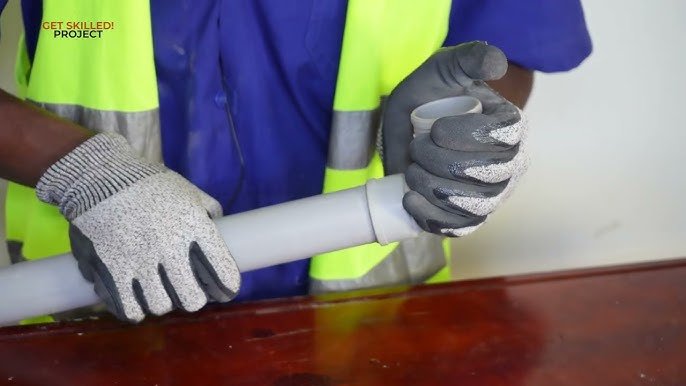
Are you struggling to cut PVC pipe without leaving rough edges or cracks? A clean cut makes your project look professional and ensures a perfect fit every time.
Whether you’re working on plumbing, irrigation, or a DIY craft, knowing the right way to cut PVC pipe saves you time and frustration. In this guide, you’ll discover simple tips and tools that help you achieve smooth, precise cuts easily.
Keep reading, and you’ll master the skills to make your next project flawless from start to finish.
Credit: ud.goldsupplier.com
Choosing The Right Tools
Cutting PVC pipe cleanly needs the right tools. The tool you pick affects the cut quality and speed.
Here are some common tools used for cutting PVC pipe. Each has its own benefits and best uses.
Hand Saw Options
Hand saws are simple and affordable for cutting PVC pipe. They need steady hands and some effort.
- Use a fine-toothed saw for smoother cuts.
- Secure the pipe firmly to avoid slipping.
- Cut slowly to reduce rough edges.
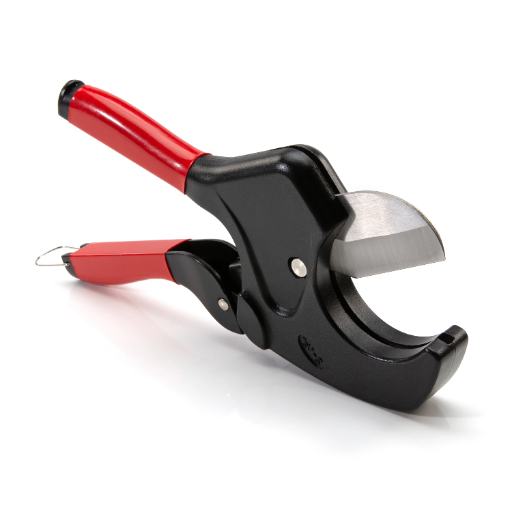
Using A Pvc Pipe Cutter
PVC pipe cutters are designed specifically for clean, quick cuts. They work best on smaller pipes.
| Feature | Benefit |
| Ratchet action | Reduces hand effort |
| Sharp blade | Leaves smooth edge |
| Compact size | Easy to handle |
| Limitations | Not for large pipes |
Power Tools For Cutting
Power tools cut PVC quickly and with precision. They suit larger pipes and many cuts.
Common power tools for PVC pipe include:
- Reciprocating saws with fine blades
- Jigsaws set to slow speed
- Rotary tools with cutting discs
Wear safety gear and clamp the pipe firmly before cutting.

Credit: ud.goldsupplier.com
Preparing The Pvc Pipe
Cutting PVC pipe cleanly requires careful preparation. Getting the pipe ready makes the cutting easier and neater.
This guide covers measuring, marking, and securing the pipe before you cut it.
Measuring And Marking
Measure the length of PVC pipe you need. Use a tape measure and mark the spot clearly.
- Use a pencil or fine-tip marker for clear lines
- Mark the pipe all around to guide your cut
- Double-check measurements before marking
- Mark the pipe at a right angle to keep the cut straight
Securing The Pipe
Hold the pipe firmly in place before cutting. This stops it from moving and makes the cut clean.
| Method | Description | Tip |
|---|---|---|
| Pipe Clamp | Use a clamp or vise to hold the pipe steady. | Protect pipe with soft padding to avoid marks. |
| Workbench | Secure pipe between bench edges for support. | Use non-slip mats to prevent sliding. |
| Hands with Assistance | Hold pipe tightly with one hand while cutting. | Ask someone to help hold if needed. |
Cutting Techniques
Cutting PVC pipe cleanly is important for a good fit and strong connections. Using the right tools and techniques helps you avoid rough edges and damage.
This guide explains how to make straight cuts, angle cuts, and how to avoid common mistakes when cutting PVC pipe.
Straight Cuts
Straight cuts are the most common and easiest to make. Use a sharp PVC cutter or a fine-toothed saw for best results.
Mark the pipe clearly with a pencil or tape. Cut slowly to avoid cracking or splintering the pipe edge.
- Secure the pipe firmly before cutting
- Cut perpendicular to the pipe axis
- Use a sanding block to smooth rough edges
Angle Cuts
Angle cuts are needed for special joints or fittings. Measure the angle carefully before marking the pipe.
Use a miter box or adjustable saw guide to keep the cut even and accurate. Cut slowly and check the angle as you go.
- Mark the exact angle on the pipe
- Use a miter box for steady cutting
- Sand the cut edge to remove burrs
Avoiding Common Mistakes
Many problems happen when cutting PVC pipe. Avoid these mistakes to keep your work clean and safe.
Do not use dull blades or wrong tools. Cutting too fast can crack the pipe. Always measure twice before cutting.
- Do not force the blade through the pipe
- Always use sharp, proper cutting tools
- Wear safety glasses to protect your eyes
- Secure the pipe firmly to prevent slipping
- Deburr the edges after cutting
Smoothing And Finishing Edges
Cutting PVC pipe often leaves rough edges that can cause leaks or injury. Smoothing these edges is important for a clean fit and safe handling. There are simple tools and techniques to finish your pipe cuts well.
This guide covers common methods to deburr and sand PVC pipe edges for a neat and durable finish.
Deburring Tools
Deburring removes the rough or sharp bits left after cutting PVC pipe. Several tools work well for this task. Using the right tool makes the edge smooth and ready for joining.
- Deburring Knife:A small, handheld blade designed to scrape and trim the edges.
- Pipe Reamer:Fits inside the pipe and shaves off burrs from the inside edge.
- Utility Knife:Useful for carefully trimming uneven pieces from the cut edge.
- Rotary Tool with Sanding Drum:Can quickly smooth both inside and outside edges.
Sanding Methods
Sanding polishes the PVC edges after deburring. It removes small scratches and gives a clean, smooth finish. Different sanding tools and materials suit various edge conditions.
| Sanding Type | Description | Use |
| Sandpaper (medium grit) | Hand sanding with 120-150 grit paper. | For minor roughness on outer edges. |
| Sanding Sponge | Flexible and easy to hold for curved edges. | Best for smoothing outer surfaces and corners. |
| Rotary Tool with Sanding Bit | Electric tool with spinning abrasive tip. | Quick sanding for inside and outside edges. |
| File | Metal file with rough surface. | Good for removing larger burrs before sanding. |
Safety Tips
Cutting PVC pipe can be simple if you follow the right safety rules. Protect yourself to avoid injuries.
Use the correct tools and take care while handling the pipe. Safety must come first in every step.
Protective Gear
Wear safety gear to protect your eyes, hands, and lungs from harm. PVC cutting creates dust and sharp edges.
- Wear safety glasses to shield your eyes from flying pieces.
- Use gloves to protect your hands from sharp pipe edges.
- Put on a dust mask to avoid breathing PVC dust.
- Wear long sleeves and pants to cover your skin.
Safe Handling Practices
Handle the pipe carefully and use tools properly to make clean cuts without accidents.
| Practice | Reason |
| Secure the pipe firmly | Prevents slipping during cutting |
| Cut slowly and steadily | Ensures a clean cut and control |
| Keep fingers away from blade | Avoids cuts and injuries |
| Use the right saw or cutter | Makes cutting easier and safer |
Credit: www.sam-uk.com
Frequently Asked Questions
What Tools Are Best For Cutting Pvc Pipe Cleanly?
Use a fine-toothed hacksaw or a PVC pipe cutter for clean cuts. These tools ensure smooth edges and reduce damage or cracking during cutting.
How Do I Prepare Pvc Pipe Before Cutting?
Measure and mark the pipe clearly with a pencil or marker. Secure the pipe firmly to avoid movement while cutting for accurate, clean cuts.
Can I Cut Pvc Pipe Without Special Tools?
Yes, a sharp handsaw can work, but it may not yield a clean cut. Using proper tools is recommended for best results and safety.
How To Smooth Pvc Pipe Edges After Cutting?
Use sandpaper or a deburring tool to remove rough edges. This prevents injury and ensures better fitting and sealing with connectors.
Conclusion
Cutting PVC pipe cleanly is simpler with the right tools. Follow the steps mentioned for smooth cuts. Use a marker to guide your saw. Clamp the pipe to keep it steady. A hacksaw or pipe cutter works best. Sand the edges gently to remove burrs.
Practice makes perfect, so take your time. Safety is vital, so wear gloves and goggles. Now you are ready to tackle any PVC project efficiently. Enjoy the process and the results. Your projects will look professional and neat with these tips.