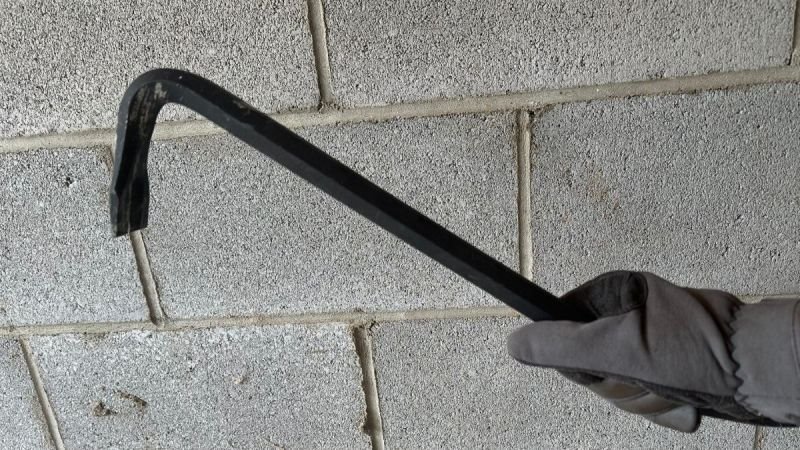
If you’ve ever struggled to pry something open or remove stubborn nails, you know how frustrating it can be. A crowbar is a simple tool, but using it the right way can save you time, effort, and even prevent injury.
You’ll discover easy tips to handle your crowbar like a pro. Whether you’re a DIY enthusiast or just tackling a quick fix, these tricks will make your work smoother and more effective. Keep reading to unlock the full potential of your crowbar and get the job done with confidence.
Credit: www.tenaquip.com
Choosing The Right Crowbar
Picking the right crowbar helps you work safely and easily. Different jobs need different crowbars.
Knowing the types, materials, and sizes can guide your choice. This makes your task quicker and better.
Types Of Crowbars
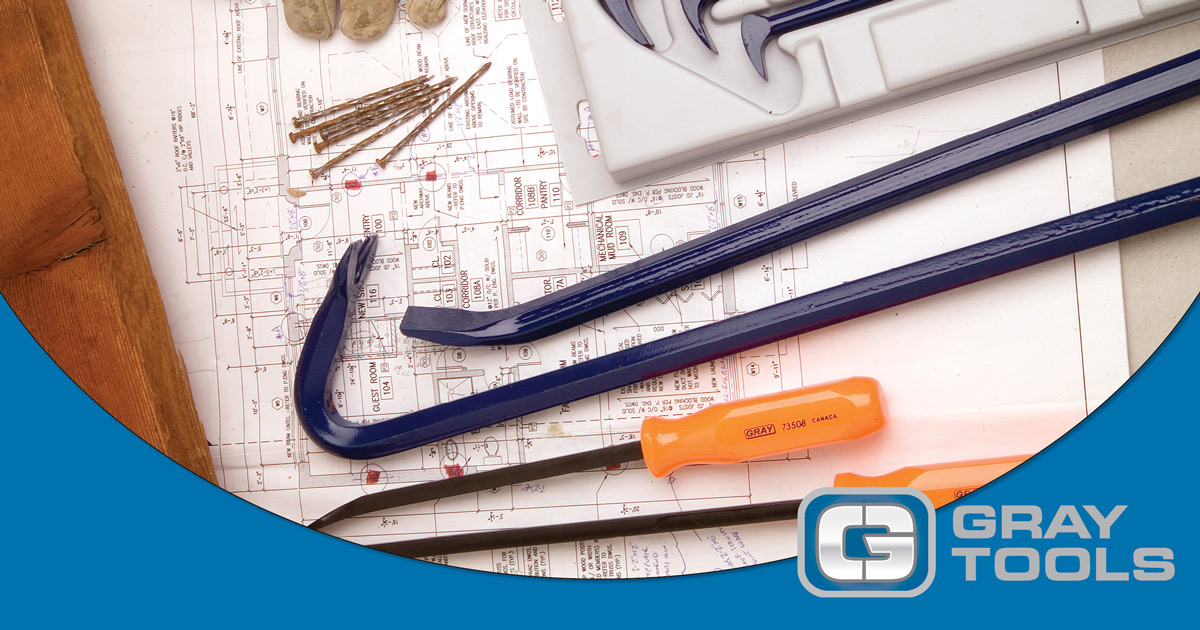
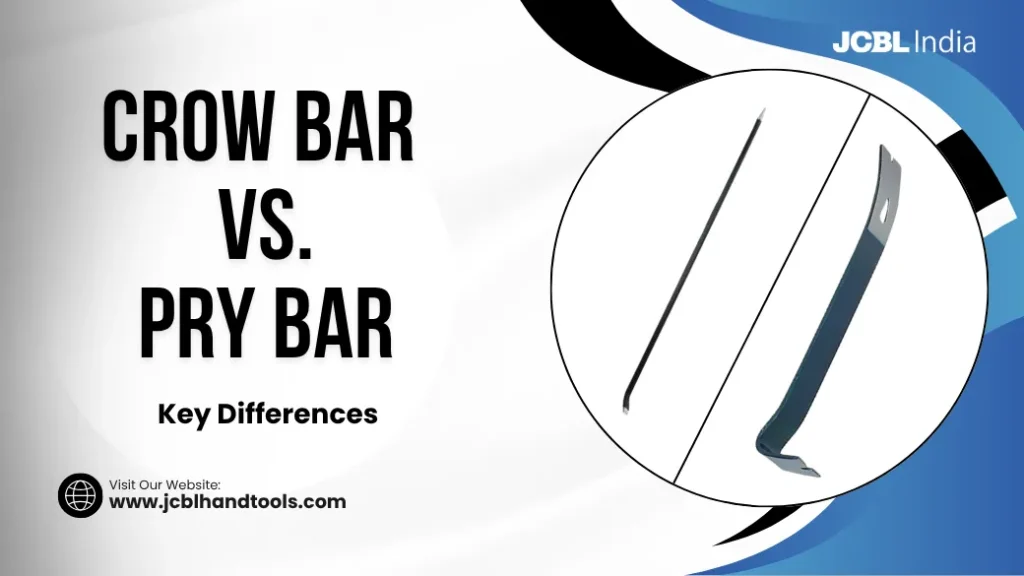
Crowbars come in many shapes. Each type fits certain tasks better than others.
- Flat Bar: Straight bar with a flat end, good for prying and lifting.
- Gooseneck Bar: Curved end helps with pulling nails and prying.
- Wrecking Bar: Long and strong, made for heavy demolition work.
- Nail Puller: Thin and pointed, designed to remove nails easily.
Material And Size Considerations
Crowbars come in steel or other strong metals. The material affects strength and weight.
Size matters for control and power. Smaller bars are lighter and good for small jobs. Larger bars give more force for tough tasks.
- Steel bars are strong and last long.
- Heat-treated steel resists bending and breaking.
- Length ranges from 12 to 48 inches for different uses.
- Choose a size you can handle comfortably.
Proper Grip And Handling
Using a crowbar correctly helps you work safely and efficiently. Holding it right reduces the risk of injury.
Follow these tips to improve your grip and handle the crowbar with control.
Hand Placement Tips
Place your hands at safe distances on the crowbar for better leverage. One hand should be near the curved end, and the other close to the middle.
- Keep your dominant hand on the end with the hook or claw.
- Use your other hand to guide and support the middle section.
- Avoid placing hands too close to each other to maintain balance.
- Wear gloves to improve grip and protect your hands.
Maintaining Control And Safety
| Safety Tip | Reason |
|---|---|
| Keep a firm grip | Prevents slipping and accidental injury |
| Check the crowbar for damage | Ensures tool strength and reliability |
| Use steady, controlled force | Avoids sudden movements that cause harm |
| Wear safety glasses | Protects eyes from flying debris |
| Clear your work area | Reduces trip hazards and distractions |
Techniques For Prying
Using a crowbar to pry objects apart requires care and the right technique. Proper methods help you work safely and avoid damage.
This guide explains key tips for prying with a crowbar. Focus on leverage points and applying force efficiently.
Leverage Points
Leverage points are where you place the crowbar to gain the most power. Choose spots that give you a strong grip and a good pivot.
- Place the crowbar tip under a solid edge or crack.
- Use a sturdy surface as a fulcrum to pivot the bar.
- Avoid soft or crumbly spots that may break.
- Adjust the crowbar angle to increase leverage.
- Use longer bars for more leverage on tough objects.
Applying Force Efficiently
Efficient force means using your strength wisely to pry without slipping or wasting effort.
| Tip | Explanation |
| Slow and steady pressure | Apply force gradually to avoid sudden slips. |
| Use your body weight | Lean into the bar for stronger, controlled prying. |
| Keep a firm grip | Hold the crowbar tightly to prevent accidents. |
| Wear gloves | Protect your hands and improve grip. |
| Maintain balance | Stand firmly to control the force direction. |
Removing Nails With Precision
Using a crowbar to remove nails requires care and control. Doing this carefully helps avoid damage to wood and nearby surfaces.
Precision is important to pull nails out smoothly without bending or breaking them.
Positioning The Claw
Place the crowbar’s claw directly under the nail head. Align it so the nail is centered in the claw for a firm grip.
Use steady pressure to slide the claw under the nail. Avoid forcing it in at a sharp angle.
- Lift the crowbar slowly to loosen the nail
- Reposition if the nail bends or slips
- Keep the handle steady for control
Avoiding Damage
Protect the wood by placing a thin piece of scrap wood under the crowbar’s fulcrum. This spreads the force and stops dents.
Pull nails gently to prevent breaking the wood or bending the nail. Work slowly and check your progress often.
- Use a scrap wood block to shield surfaces
- Pull nails straight out when possible
- Replace the block as needed to avoid marks
Using Crowbars In Tight Spaces
Using a crowbar in tight spaces can be tricky. You need to be careful to avoid damaging surfaces or hurting yourself. Proper technique helps you work efficiently in small areas.
This guide shares tips on angle adjustments and alternative approaches. These methods make crowbar use safer and more effective when space is limited.
Angle Adjustments
Adjusting the angle of the crowbar can give you more leverage in tight spots. Try small angle changes to fit the tool where it is hard to move.
- Insert the crowbar tip carefully into the narrow gap.
- Use a slight tilt to increase force without bending the tool.
- Move the handle slowly to avoid slipping or damage.
- Test different angles if the first try feels stuck.
- Keep your hand clear of pinch points during adjustments.
Alternative Approaches
Sometimes, the usual crowbar method won’t work. Try these alternative approaches to handle tight spaces better.
| Approach | Description | When to Use |
| Use a smaller pry bar | A thinner tool fits narrow gaps. | When space is too tight for a regular crowbar. |
| Wrap the tip | Cover the crowbar tip with tape to protect surfaces. | If you want to avoid scratches. |
| Use tapping | Tap the handle gently to nudge the bar into place. | When you cannot insert the bar by force alone. |
| Apply lubricant | Spray a little lubricant to ease insertion. | For stuck or rusted joints. |

Credit: www.tataagrico.com
Maintaining Your Crowbar
Keeping your crowbar in good shape helps it last longer and work better. Regular care prevents rust and damage.
Simple maintenance steps make your crowbar safer and easier to use. Learn how to clean, store, and sharpen it properly.
Cleaning And Storage
Cleaning removes dirt and moisture that cause rust. Proper storage stops damage and keeps the tool ready.
- Wipe the crowbar with a dry cloth after each use
- Use a wire brush to remove rust spots
- Apply light oil to metal surfaces to prevent corrosion
- Store the crowbar in a dry place, away from moisture
- Hang it or place it on a rack to avoid bending or warping
Sharpening Tips
A sharp crowbar edge makes prying easier and safer. Use the right tools and follow simple steps.
| Tool | Purpose |
| File | Sharpen edges carefully |
| Bench Grinder | Quickly sharpen dull parts |
| Sandpaper | Smooth rough edges after filing |
Sharpen the edge slowly to avoid removing too much metal. Test the sharpness by gently prying a small object.
Safety Precautions
Using a crowbar can be risky without proper care. Safety precautions help prevent injuries and accidents.
Always follow safety rules to protect yourself and others while working with this tool.
Protective Gear
Wearing the right protective gear lowers the chance of injury. It also makes your work safer and easier.
- Use safety goggles to protect your eyes from flying debris.
- Wear heavy-duty gloves to protect your hands from cuts and blisters.
- Wear sturdy boots with good grip to avoid slipping.
- Consider wearing a hard hat if working in areas with falling objects.
- Wear long sleeves and pants to protect your skin from scratches.
Preventing Common Injuries
Many injuries happen due to poor use or lack of attention. Follow these tips to stay safe.
| Injury Type | Cause | Prevention Tip |
| Hand Cuts | Slipping crowbar | Wear gloves and keep a firm grip |
| Eye Injuries | Flying debris | Use safety goggles |
| Back Strain | Improper lifting | Bend knees and lift with legs |
| Foot Injuries | Dropping crowbar | Wear steel-toed boots |
Credit: jcblhandtools.com
Frequently Asked Questions
What Is The Best Way To Hold A Crowbar Safely?
Hold the crowbar firmly near its center for control. Keep your hands away from the prying end to avoid injury. Wearing gloves improves grip and protects your hands during use.
How Can I Increase Leverage Using A Crowbar?
Position the crowbar’s fulcrum close to the object you’re prying. Apply force at the opposite end for maximum leverage. Using a longer crowbar also boosts leverage for tougher tasks.
When Should I Avoid Using A Crowbar?
Avoid using a crowbar on delicate materials that can easily break. Don’t use it for prying objects beyond its size capacity. Also, steer clear if the tool is damaged or rusted.
How Do I Maintain A Crowbar For Long-lasting Use?
Clean the crowbar after each use to remove dirt and debris. Apply a light coat of oil to prevent rusting. Store it in a dry place away from moisture.
Conclusion
Mastering the use of a crowbar takes practice and patience. Follow the tips shared for safe and effective results. Always ensure a firm grip to prevent accidents. Choose the right crowbar for the task at hand. Proper technique enhances efficiency, saving time and effort.
Remember to wear safety gear to protect yourself. A crowbar is a versatile tool with many uses. With these pointers, handle it confidently and get the job done. Your work will become easier, safer, and more productive. Keep practicing, and you will see improvement.