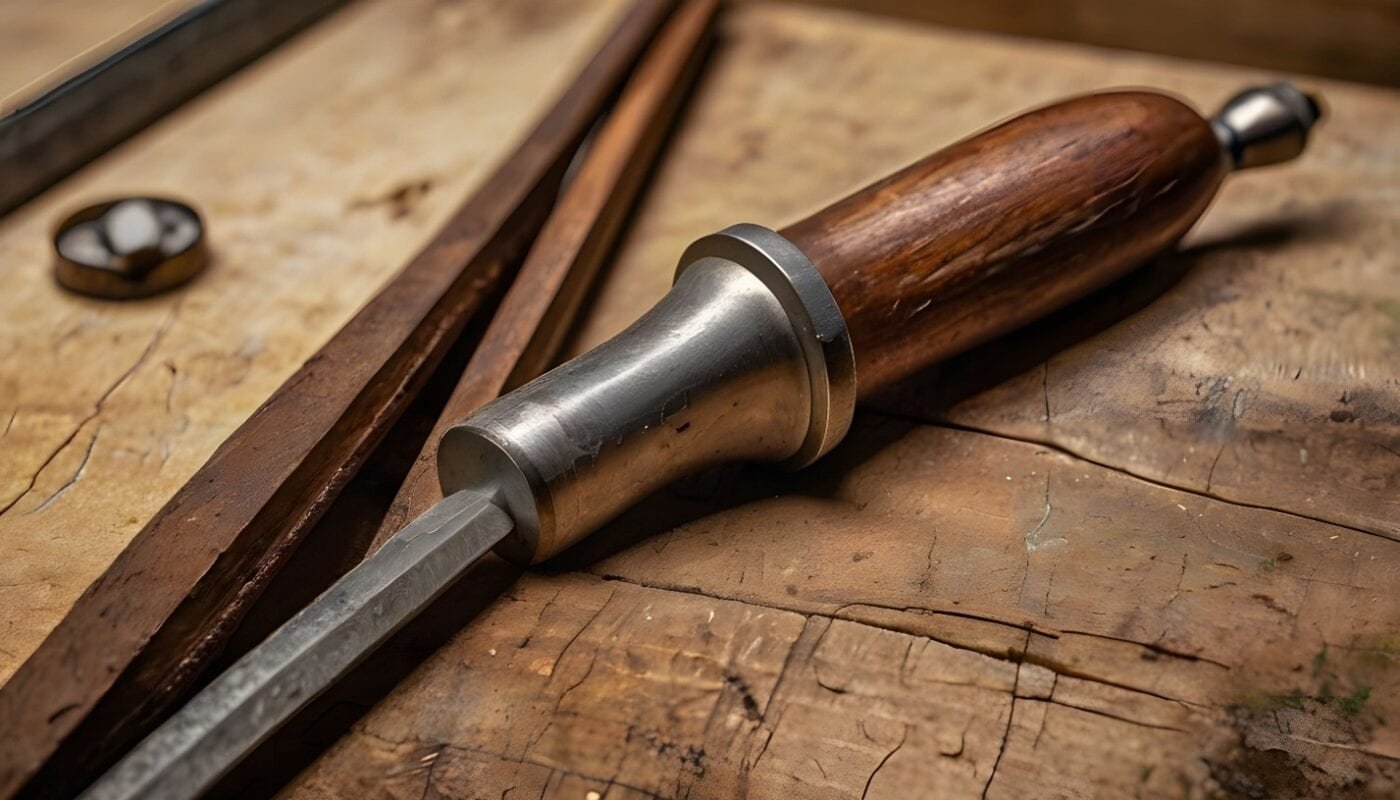
If you want your chisels to deliver sharp, precise cuts every time, maintaining them properly is a must. Dull or damaged chisels can ruin your work and waste your time.
But with the right care, you can keep your tools in top shape and enjoy smooth, accurate results on every project. You’ll learn simple yet effective ways to maintain your chisels, so they perform like new and help you create flawless work.
Keep reading—you’ll be surprised how easy it is to protect your investment and improve your craftsmanship.
Choosing Quality Chisels
Good chisels help you work with accuracy. Choosing the right chisel means picking one built to last.
Look at the material, handle design, and blade shape. Each part affects how well the chisel works.
Material Types
Chisels are made from different metals. Steel is common because it stays sharp and strong.
High-carbon steel holds an edge better. It needs care to avoid rust. Chrome-vanadium steel resists wear and rust.
- High-carbon steel: sharp, needs oiling
- Chrome-vanadium steel: durable, rust-resistant
- Stainless steel: rust-resistant, less sharp
Handle Designs
Handles must feel good in your hand. Wood handles give a soft grip and absorb shocks.
Plastic or rubber handles resist moisture and are easy to clean. Some have ergonomic shapes to reduce hand fatigue.
- Wood: comfortable, traditional
- Plastic: moisture-resistant, easy care
- Rubber: soft grip, anti-slip
- Ergonomic: fits hand shape, less strain
Blade Shapes
Blade shape changes how you cut wood. Straight blades are good for general work and smoothing surfaces.
Gouge blades have a curved edge. They help carve rounded shapes. Skew blades have angled edges for tight spots.
- Straight blade: general use, smooth cuts
- Gouge blade: curved, for carving curves
- Skew blade: angled, for detailed work
Proper Storage Techniques
Keeping chisels in good shape needs proper storage. Storing chisels well protects their sharp edges and keeps them ready for precise work.
Simple storage habits help avoid damage and extend your chisels’ life. This guide covers key ways to store your chisels properly.
Protecting The Edges
Chisel edges are sharp and fragile. Proper storage stops them from getting dull or nicked. Use edge guards or caps to cover the blades.
- Fit plastic or leather blade covers on chisels.
- Keep chisels in a rack or pouch that holds them steady.
- Do not pile chisels together without protection.
- Inspect edges regularly for damage.
Avoiding Moisture
Moisture causes rust, which harms chisels. Store chisels in a dry place to keep them clean and sharp.
| Storage Tip | Reason |
|---|---|
| Use silica gel packs | Absorbs moisture inside toolboxes |
| Keep chisels off damp surfaces | Prevents rust on blades and handles |
| Apply light oil coating | Protects metal from moisture |
| Store in airtight containers | Reduces humidity exposure |
Organizing Your Tools
Well-organized chisels are easy to find and stay safe. Use storage solutions that separate each tool.
- Use a wooden chisel rack with slots.
- Store chisels by size or type for quick access.
- Label storage spots for neatness.
- Keep handles clean and dry.
Sharpening Methods
Keeping chisels sharp is key for clean and precise cuts. Sharp chisels make your work easier and safer.
Different sharpening methods help maintain the tool’s edge. These methods include using stones, keeping the bevel angle, and honing carefully.
Using Sharpening Stones
Sharpening stones are common tools for sharpening chisels. You start with coarse stones and finish with fine stones for a smooth edge.
- Soak water stones in water before use
- Use oil on oil stones to lubricate
- Move the chisel edge across the stone evenly
- Check the edge for sharpness regularly
- Clean stones after use to keep them flat
Maintaining The Bevel Angle
Keep the bevel angle steady while sharpening. Changing the angle can ruin the sharp edge and reduce control.
| Bevel Angle | Use |
| 25 degrees | General woodworking |
| 30 degrees | Hardwoods |
| 20 degrees | Fine carving |
Honing For Precision
Honing refines the edge and removes small burrs after sharpening. Use a leather strop or fine honing stone for best results.
Follow this honing routine:
- Apply honing compound to the leather strop
- Draw the chisel blade backward across the strop
- Keep the bevel angle consistent during honing
- Repeat until the edge feels smooth and sharp

Credit: daitool.com
Cleaning And Rust Prevention
Keeping chisels clean and free from rust helps them work better. Regular care keeps edges sharp and ready.
Rust can damage chisels and make them unsafe. Cleaning and protecting chisels extends their life.
Removing Residue
After use, remove wood chips and dirt from the chisel. Use a soft cloth or brush to clean the blade.
For sticky or hardened residue, apply a small amount of mineral spirits. Wipe until clean and dry.
Applying Protective Coatings
Protect chisels by applying a thin layer of oil or wax. This prevents moisture from causing rust.
- Use light machine oil or camellia oil for metal parts
- Apply paste wax for added protection
- Wipe off excess oil to avoid sticky surfaces
- Store chisels in a dry place after coating
Regular Inspection
| Inspection Task | Purpose |
|---|---|
| Check blade for rust spots | Find early signs of corrosion |
| Look for chips or cracks on edge | Ensure safe and precise cutting |
| Test handle tightness | Prevent accidents during use |
| Confirm protective coating presence | Maintain rust prevention |
Fix any issues immediately to keep chisels in top shape. Regular checks prevent long-term damage.
Safe Usage Practices
Using chisels safely helps keep you injury-free and improves your work. Follow simple rules to handle chisels with care.
Good habits protect you and make your cuts clean and precise. Learn how to hold and use chisels correctly.
Proper Grip And Control
Hold the chisel firmly but not too tight. Your grip should let you guide the tool smoothly.
Use your dominant hand on the handle and support the blade with your other hand. This helps control depth and direction.
- Keep fingers away from the cutting edge
- Use a steady, even pressure
- Keep your hands behind the cutting edge
Avoiding Excessive Force
Do not push or strike the chisel too hard. Excessive force can cause slips or damage the tool.
Let the sharp edge do the work. Use gentle taps with a mallet if needed for tougher material.
- Apply steady pressure, not heavy force
- Use a wooden or rubber mallet to tap
- Stop if the chisel gets stuck and clear debris
Using The Right Chisel For The Job
Choose the chisel size and type that fits your task. The right chisel makes work easier and safer.
For example, use a wide chisel for large areas and a narrow one for detail work.
- Bench chisels for general woodworking
- Paring chisels for fine, controlled cuts
- Masonry chisels for stone or concrete

Credit: beavercrafttools.com
Repairing Damaged Chisels
Chisels often get damaged during use. Fixing them keeps your work precise and safe.
Repairing chisels helps avoid costly replacements and extends their life.
Fixing Chips And Nicks
Small chips and nicks reduce a chisel’s sharpness. Fix them quickly for accurate cuts.
Use a sharpening stone or grinder to smooth out the damaged edge carefully.
- Start with coarse grit to remove chips
- Switch to finer grit for a sharp edge
- Keep the bevel angle steady during sharpening
- Finish by honing the edge with a leather strop
Replacing Handles
Worn or cracked handles can cause accidents. Replace them to keep control and comfort.
Remove the old handle carefully. Fit a new one that matches the chisel size.
- Use a wooden or plastic handle for durability
- Secure the handle with a ferrule or glue
- Check the fit often to avoid looseness
- Sand the handle for a smooth grip
When To Retire A Chisel
Sometimes, a chisel is too damaged to fix. Know when it is time to stop using it.
Retire a chisel if the blade is too thin, bent, or cracked beyond repair.
- Blade damage that affects safety
- Handle damage that cannot be replaced
- Repeated sharpening removes too much metal
- Chisel no longer holds a sharp edge

Credit: daitool.com
Frequently Asked Questions
How Often Should I Sharpen Chisels For Precise Work?
Sharpen chisels regularly to maintain precision. For frequent use, sharpen after every few projects. Dull chisels reduce accuracy and increase effort. Consistent sharpening ensures clean cuts and better control.
What Is The Best Way To Clean Chisels After Use?
Wipe chisels with a dry cloth to remove debris. Use a light oil to prevent rust. Avoid water as it causes corrosion. Proper cleaning extends tool life and keeps edges sharp.
How Do I Store Chisels To Prevent Damage?
Store chisels in a protective case or rack. Keep them dry and avoid stacking. Proper storage prevents edge dulling and rust. Organized storage improves safety and tool longevity.
Can Improper Maintenance Affect Chisel Performance?
Yes, poor maintenance leads to dull edges and rust. This reduces cutting accuracy and increases user effort. Regular cleaning, sharpening, and proper storage keep chisels efficient and safe to use.
Conclusion
Keeping chisels in good shape ensures precise work every time. Regular cleaning removes debris and prevents rust. Sharpening edges keeps them efficient and reliable. Store chisels properly to avoid damage. Use protective covers to maintain their condition. Regular maintenance saves time and effort in the long run.
A well-maintained chisel delivers better results. It also extends the tool’s life. Follow these tips for consistent, quality performance. Your projects will benefit from sharper, cleaner cuts. Happy woodworking!