Are you working with electrical tools or tackling a home repair that involves wiring? Knowing how to use a voltage tester can keep you safe and confident.
This simple device helps you check if a wire or outlet has electricity running through it—before you touch anything. In this guide, you’ll learn exactly how to use a voltage tester step-by-step, so you can avoid shocks and mistakes. Keep reading, and you’ll gain the skill that every DIYer and professional needs to work smarter and safer.
Types Of Voltage Testers
Voltage testers help check if electrical circuits have power. They are important for safety and troubleshooting.
Different types of voltage testers work in various ways. Each type fits certain tasks and user needs.
Non-contact Voltage Testers
Non-contact voltage testers detect electricity without touching wires. They sense the electric field around live wires.
- Safe to use because they do not require direct contact
- Lightweight and easy to carry
- Use LED or sound signals to show voltage presence
- Ideal for quick checks in walls or outlets
Multimeter Voltage Testing
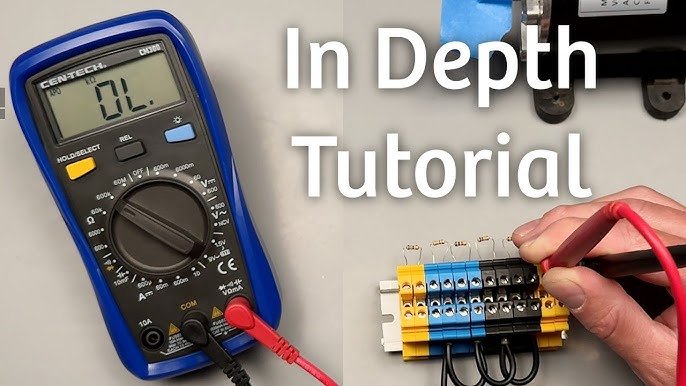
A multimeter measures voltage, current, and resistance. It can test both AC and DC voltage accurately.
| Feature | Description |
| Voltage Range | Measures low to high voltages |
| Display | Digital screen shows exact readings |
| Functions | Can test continuity, resistance, and current |
| Power | Battery operated for portability |
Neon Voltage Testers
Neon voltage testers use a small neon bulb to show voltage presence. They require contact with the circuit.
- Simple and low cost
- Lights up when voltage is detected
- Works only on AC voltage usually above 90 volts
- Good for quick and basic testing
Choosing The Right Tester
Using a voltage tester safely starts with picking the right tool. Different testers fit different jobs. Choose one that matches your needs.
This guide covers key points to help you select the best voltage tester. Look at voltage range, safety ratings, and ease of use.
Voltage Range Considerations
Check the voltage range the tester can measure. It must cover the voltage you expect to test. Using a tester with too low a range can cause damage or wrong readings.
- Choose a tester with a maximum voltage higher than your circuit’s voltage.
- For home use, a range up to 600 volts is usually enough.
- For industrial or high-voltage work, select testers rated for higher voltages.
Safety Ratings To Check
Safety ratings show how well a tester protects you from shocks and electrical hazards. Look for testers that meet recognized standards.
| Safety Rating | Use Case | Voltage Limit |
| CAT I | Electronics and protected circuits | Up to 300V |
| CAT II | Appliances and portable tools | Up to 600V |
| CAT III | Building wiring and distribution | Up to 1000V |
| CAT IV | Outside lines and service entrances | Up to 1000V |
Ease Of Use Factors
Pick a tester that is simple and clear to use. This helps avoid mistakes and saves time.
- Look for testers with clear displays or indicator lights.
- Choose models with comfortable grips and lightweight design.
- Consider testers with auto-ranging to avoid manual settings.
- Check if the tester has a loud beep or alert for live voltage.
Preparing For Testing
Using a voltage tester safely requires careful preparation. This helps avoid injury and ensures accurate results.
Before you begin, check your tools and equipment. Follow safety steps to protect yourself.
Inspecting The Tester
Check the voltage tester for damage or wear. Make sure the probes and wires are intact and clean.
- Look for cracked or frayed wires
- Test the display or indicator light
- Verify the tester’s battery is charged
- Confirm the tester matches the voltage range needed
Turning Off Power Sources
Always switch off the power before testing circuits. This lowers the risk of electric shock.
| Power Source | Action |
| Circuit Breaker | Turn off and lock if possible |
| Fuse Box | Remove fuse or switch off |
| Battery Power | Disconnect battery terminals |
Personal Protective Equipment
Wear the right protective gear to stay safe. This reduces injury from shocks or sparks.
- Insulated gloves
- Safety glasses
- Non-conductive footwear
- Flame-resistant clothing

Credit: www.youtube.com
Using A Voltage Tester Safely
A voltage tester helps check if electrical wires have power. Using it safely is important to avoid shocks or damage.
Follow simple safety rules before and during testing. This guide shows how to handle the tester and test wires carefully.
Proper Handling Techniques
Hold the voltage tester by the insulated handle only. Do not touch metal parts while testing. Wear rubber gloves if possible.
- Check the tester’s battery before use.
- Read the user manual for your model.
- Keep the tester clean and dry.
- Store the tester in a safe place when not in use.
Testing Live Wires
Always assume wires are live until tested. Touch the tester tip to the wire carefully. Look for clear signs of voltage on the tester.
| Voltage Level | Tester Indication | Safety Tip |
| Low (up to 50V) | Light glows dimly | Use insulated gloves |
| Medium (51V to 230V) | Light glows bright | Avoid touching wire directly |
| High (above 230V) | Light blinks or beeps | Do not test with wet hands |
Avoiding Common Mistakes
Do not use a damaged or faulty tester. Avoid testing wires if you feel unsure or unsafe. Never test wires in wet areas without proper protection.
- Do not rely only on the tester; check with a multimeter if needed.
- Do not touch metal parts of the tester during testing.
- Turn off power at the source before working on circuits after testing.
- Do not ignore unusual tester signals or noises.
Interpreting Tester Results
Using a voltage tester helps you check electrical circuits safely. Understanding the results is key to knowing if the circuit is live or safe.
Different testers show results in various ways. Knowing how to read these signs keeps you safe and helps you work better.
Reading Indicator Lights
Voltage testers often have indicator lights. These lights show if voltage is present or not. Green usually means no voltage, red means voltage is detected.
- Green light: Circuit is not live
- Red light: Voltage is present
- Flashing light: Voltage may be fluctuating
- No light: Tester may be off or faulty
Voltage Level Readings
Some testers give numeric voltage readings. These numbers tell you the exact voltage in the circuit. Common household voltage is around 120 volts.
| Voltage Reading | Meaning |
| 0 V | No voltage detected, safe to work |
| 1-50 V | Low voltage, be cautious |
| 51-120 V | Normal household voltage |
| 121-240 V | High voltage, handle with care |
| >240 V | Very high voltage, high risk |
When To Seek Professional Help
If your tester shows unexpected voltage or no voltage where there should be some, do not guess. Safety comes first.
- If indicator lights are confusing or do not work
- If voltage readings are much higher than normal
- If you smell burning or see sparks
- If you are unsure about the tester results

Credit: www.familyhandyman.com
Maintaining Your Voltage Tester
Keeping your voltage tester in good shape ensures it works well and lasts longer. Regular care helps avoid wrong readings and safety risks.
Follow simple steps to maintain your device. This guide covers calibration, battery care, and storage tips.
Regular Calibration
Calibration checks if your voltage tester shows correct values. It keeps measurements accurate and reliable.
- Send your tester to a professional service yearly.
- Check the user manual for calibration frequency.
- Test calibration using a known voltage source.
- Do not use the tester if calibration is overdue.
Battery Replacement
Batteries power your voltage tester. Weak batteries can cause wrong readings or device failure.
| Battery Type | Replacement Frequency | Signs to Replace |
| Alkaline | Every 6-12 months | Dim display, low power indicator |
| Rechargeable | Every 1-2 years | Short battery life, slow charging |
Storage Tips
Proper storage protects your voltage tester from damage and keeps it ready to use.
- Store in a dry, cool place away from direct sunlight.
- Keep the tester in its protective case.
- Avoid storing near magnetic fields or strong chemicals.
- Remove batteries if you do not plan to use it for months.

Credit: www.amazon.com
Frequently Asked Questions
How Do I Use A Voltage Tester Safely?
To use a voltage tester safely, first ensure it’s in good condition. Always wear protective gear and follow the manufacturer’s instructions. Test the device on a known power source before use. Ensure the power is off before testing circuits. Stay focused and cautious to prevent electrical accidents.
What Are The Types Of Voltage Testers?
There are several types of voltage testers, including non-contact, digital multimeters, and solenoid testers. Non-contact testers detect voltage without touching wires. Digital multimeters measure voltage, current, and resistance. Solenoid testers are robust and used for high voltage. Each type serves different needs, so choose accordingly.
How Do I Test A Circuit With A Voltage Tester?
First, ensure the circuit is off. Use the voltage tester according to its manual. Place the probes on the circuit’s terminals. Check for voltage indication on the tester. If voltage is present, it means the circuit is live. Always follow safety precautions when handling electrical circuits.
Can A Voltage Tester Measure Current?
No, a standard voltage tester cannot measure current. Voltage testers are designed to detect voltage presence only. To measure current, you need a multimeter with current measuring capabilities. It’s essential to use the right tool for accurate electrical measurements to ensure safety and effectiveness.
Conclusion
Using a voltage tester helps keep you safe around electricity. Always check wires and outlets before starting work. The device is simple and quick to use. It shows if power is flowing or not. Regular use prevents accidents and electrical damage.
Remember to follow all safety steps carefully. Practice with your tester to gain confidence. Stay cautious and aware while working with electricity. This tool is a helpful part of any toolkit. Keep your home and yourself protected every day.