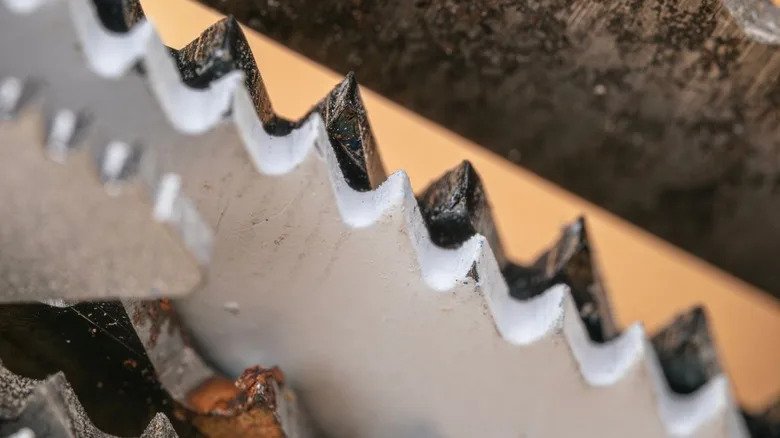
If you want your jigsaw to cut smoothly and last longer, taking care of your jigsaw blade is key. A dull or damaged blade can ruin your project and waste your time.
But don’t worry—maintaining your jigsaw blade is easier than you think. You’ll discover simple, effective ways to keep your blade sharp, clean, and ready for any task. By following these tips, you’ll save money, improve your cuts, and enjoy better results every time you use your jigsaw.
Keep reading to learn how to make your blade work like new.
Choosing The Right Blade
Selecting the correct jigsaw blade is key for clean cuts and tool longevity. The blade must fit the material and cut style.
Using the wrong blade causes rough edges and wears the blade faster. This guide covers types, materials, and tooth designs.
Types Of Jigsaw Blades
Jigsaw blades come in many shapes and sizes. Some blades cut faster, while others give smoother edges.
- High-Speed Steel (HSS) blades are common and affordable.
- Bimetal blades combine flexibility and durability for wood and metal.
- Carbide-tipped blades last longer and cut hard materials like tile.
- Specialty blades are made for cutting curves or fine details.
Material Considerations
Choose the blade material based on what you want to cut. Different materials handle wood, metal, or plastic better.
| Material to Cut | Recommended Blade Material |
| Softwood | High-Speed Steel (HSS) |
| Hardwood | Bimetal |
| Metal Sheets | Bimetal or Carbide-Tipped |
| Tile and Ceramics | Carbide-Tipped |
| Plastic | High-Speed Steel (HSS) |
Blade Tooth Design
Blade teeth affect cutting speed and smoothness. The number and shape of teeth change how the blade performs.
- Coarse teeth cut quickly but leave rough edges.
- Fine teeth cut slowly and give smooth finishes.
- Reverse teeth reduce splintering on the top surface.
- Ground teeth are sharp and last longer.
Credit: www.bosch-professional.com
Proper Blade Installation
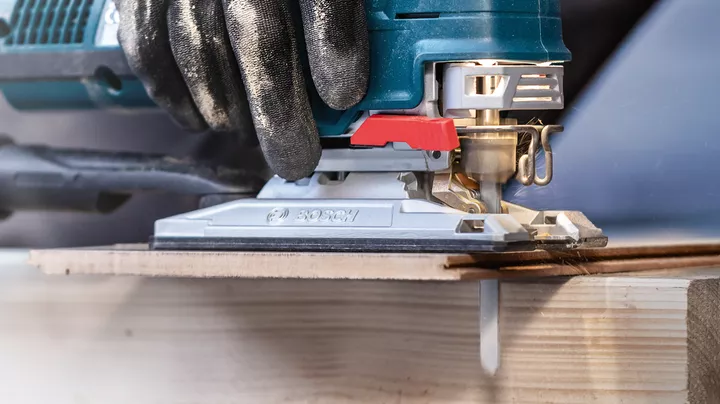
Installing a jigsaw blade correctly keeps your tool safe and effective. It also helps you make clean and accurate cuts.
Learn how to secure and align the blade for the best performance and longer blade life.
Securing The Blade Correctly
Make sure the blade fits tightly into the jigsaw holder. A loose blade can cause poor cuts and can be dangerous.
- Turn off and unplug the jigsaw before changing the blade.
- Open the blade clamp or release lever as per your jigsaw model.
- Insert the blade with the teeth facing forward and down.
- Push the blade firmly into place until it clicks or locks securely.
- Check the blade by gently pulling it to ensure it is fixed well.
Aligning The Blade For Accuracy
Blade alignment affects the quality of your cuts. A well-aligned blade prevents wobbling and ensures straight lines.
| Alignment Check | What to Look For |
| Blade Position | Blade teeth should face forward and be straight. |
| Blade Movement | Blade must move up and down without side play. |
| Blade Holder | Blade should sit centered and not tilt. |
| Test Cut | Make a trial cut on scrap wood to check straightness. |
Regular Cleaning Techniques
Keeping your jigsaw blade clean helps it cut better and last longer. Dirt and resin buildup can slow the blade down and cause damage.
Regular cleaning removes stuck debris and keeps the blade sharp. This guide explains easy ways to clean your jigsaw blade.
Removing Resin And Debris
Resin and debris build up on blades during use. This makes the blade less effective and can cause overheating.
To remove resin, soak the blade in a cleaning solution. After soaking, use a brush to gently scrub off the residue.
- Use warm soapy water or a special blade cleaner
- Soak the blade for 10 to 15 minutes
- Scrub lightly with a soft brush or old toothbrush
- Rinse with clean water and dry thoroughly
Using The Right Cleaning Tools
Choosing the right tools makes cleaning easier and protects the blade. Avoid hard tools that can damage the teeth.
Soft brushes and cloths work best. You can also use a small wire brush if needed, but be gentle to avoid wear.
- Soft-bristled brush or old toothbrush
- Microfiber cloth for drying and polishing
- Plastic or wooden pick for stuck debris
- Container for soaking blades in cleaner
Sharpening Methods
Keeping your jigsaw blade sharp helps you cut better and last longer. Dull blades make cutting hard and rough.
Sharpening jigsaw blades is simple if you know the right ways. This guide shows you when and how to sharpen.
When To Sharpen
Sharpen your jigsaw blade if it cuts slowly or pulls at the wood. Dull blades leave rough edges on cuts.
If you see smoke, burning smell, or hear unusual noise, your blade needs sharpening. Check blades often for damage.
- Slow cutting speed
- Rough or splintered cuts
- Burn marks on wood
- Loud or strange sounds
- Blade teeth look rounded or chipped
Diy Sharpening Tools
You can sharpen jigsaw blades at home with basic tools. A small file or sharpening stone works well.
Use a fine diamond file to carefully sharpen each tooth. File in one direction and keep the angle steady.
- Fine diamond or needle file
- Sharpening stone
- Magnifying glass for detail work
- Clamp to hold the blade steady
Clean the blade before sharpening. Work slowly and check often to avoid removing too much metal.
Professional Sharpening Services
Professional services sharpen blades with special machines. They provide precise and even sharpening.
Use professional sharpening if your blade is very dull or damaged. They restore the blade’s original edge.
- High precision sharpening tools
- Can fix chipped or bent teeth
- Fast service for multiple blades
- Longer blade life and better cuts
Safe Storage Practices
Proper storage keeps jigsaw blades sharp and ready to use. It also prevents damage and safety risks.
Storing blades carefully saves money by extending their lifespan. It is important to follow simple steps.
Preventing Rust And Corrosion
Rust weakens blades and makes them unsafe. Store blades in dry places to avoid moisture buildup.
Applying a thin layer of oil can protect blades from rust. Use machine oil or WD-40 spray lightly.
- Clean blades after use to remove dust and debris.
- Dry blades thoroughly before storing.
- Use silica gel packs in storage containers to absorb moisture.
- Store blades away from humid areas like basements.
Organizing Blades For Easy Access
Organized storage helps find the right blade quickly. It also protects blades from damage.
| Storage Method | Benefits | Tips |
| Blade case with slots | Keeps blades separate and safe | Label each slot by blade type or size |
| Magnetic strip | Easy to see and grab blades | Clean blades before placing on the strip |
| Small jars or containers | Good for storing many blades | Use dividers or foam inserts to separate blades |
Credit: www.gz-supplies.com
Tips To Extend Blade Life
Keeping your jigsaw blade sharp and durable saves time and money. Proper care helps you get clean cuts every time.
Follow simple steps to avoid damage and wear. Small changes in use can make a big difference.
Avoiding Overheating
Overheating weakens the blade and dulls its teeth. It happens when the blade cuts too fast or is pushed hard.
- Let the blade cool down during long cuts.
- Use a lubricant if cutting metal or hard materials.
- Avoid forcing the blade through the material.
- Keep the blade clean from resin and dust buildup.
Using Proper Cutting Speeds
Speed affects blade life and cut quality. Use the right speed for each material to avoid damage.
| Material | Recommended Speed |
| Softwood | Medium to High |
| Hardwood | Medium |
| Metal | Low to Medium |
| Plastic | Medium |
Matching Blade To Material
Using the right blade keeps cuts smooth and prevents early wear. Different blades suit different materials.
- Choose blades with fine teeth for metal and plastic.
- Use blades with larger teeth for wood and soft materials.
- Select bi-metal blades for mixed materials.
- Replace blades when they become dull or damaged.
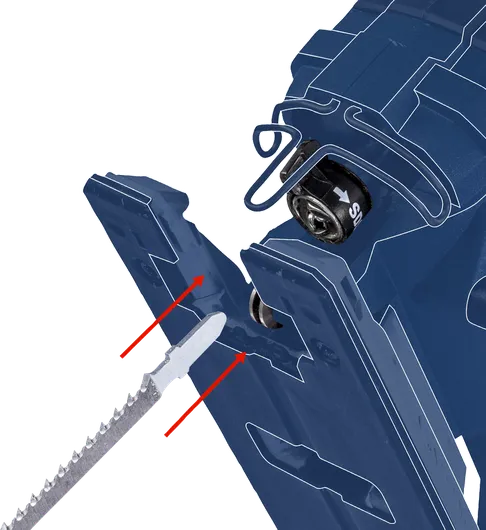
Credit: www.bosch-professional.com
Frequently Asked Questions
How Often Should I Replace My Jigsaw Blade?
Replace your jigsaw blade when it becomes dull or damaged. Frequent cutting or tough materials may require blade changes more often to maintain efficient and clean cuts.
What Is The Best Way To Clean A Jigsaw Blade?
Use a soft brush to remove debris and resin from the blade. Avoid harsh chemicals; instead, use warm soapy water and dry thoroughly to prevent rust.
Can I Sharpen A Jigsaw Blade Myself?
Sharpening jigsaw blades is difficult and often ineffective. It’s better to replace the blade with a new one for optimal performance and safety.
How Do I Prevent Jigsaw Blades From Rusting?
Store blades in a dry place and apply a light coat of oil. Clean blades after use to remove moisture and debris, which cause rust.
Conclusion
Keeping your jigsaw blade in top shape is simple. Regular cleaning helps prevent rust and wear. Always store blades in a dry place. Use the right blade for each material. This ensures smooth and accurate cuts. Sharpen dull blades for better performance.
Replace damaged ones promptly. A well-maintained blade lasts longer and cuts better. Follow these tips to enjoy efficient jigsaw performance. Your projects will thank you. Happy cutting!