If you’re working on a construction project, mastering the framing square is a game-changer. This simple tool can help you measure, mark, and check angles with precision, saving you time and avoiding costly mistakes.
Imagine cutting wood perfectly every time or ensuring your corners are exactly square without second-guessing. You’ll learn step-by-step how to use a framing square like a pro, so your projects turn out strong, accurate, and professional. Ready to take your construction skills to the next level?
Keep reading to unlock the secrets of this essential tool.
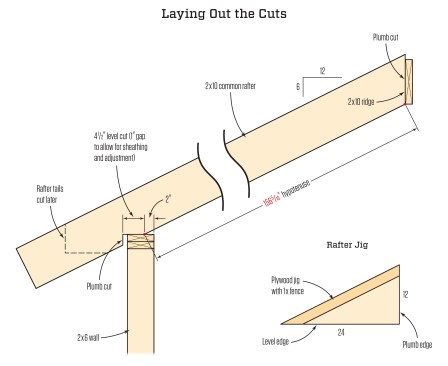
Credit: www.jlconline.com
Choosing The Right Framing Square
A framing square is an important tool for construction work. It helps make accurate measurements and right angles. Picking the right framing square can make your job easier and more precise.
This guide will explain the types of framing squares and key material and size details. This will help you select the best framing square for your project.
Types Of Framing Squares
There are different types of framing squares. Each type suits a specific task in construction. Knowing these types helps you pick the one you need.
- Standard Framing Square:This is the most common type. It has a long blade and a shorter tongue. It is used for measuring and marking right angles.
- Steel Framing Square:Made from steel, it is very strong and durable. It resists bending and is good for heavy-duty work.
- Aluminum Framing Square:Lighter than steel, it is easier to carry. It is good for general use but less strong than steel.
- Plastic Framing Square:Made from tough plastic, it is light and rust-proof. It is best for light tasks and beginners.
Material And Size Considerations
Choosing the right material and size affects how well the framing square works. These details impact accuracy, durability, and comfort.
| Material | Advantages | Best Use |
|---|---|---|
| Steel | Very strong, resists bending | Heavy-duty construction |
| Aluminum | Lightweight, rust-resistant | General construction |
| Plastic | Light, rust-proof, affordable | Light tasks, beginner use |
Sizes vary but the most common framing squares are 24 inches long on the blade and 16 inches on the tongue. Choose a size that fits your project needs and is comfortable to handle.

Credit: www.youtube.com
Basic Parts Of A Framing Square
A framing square is a tool used in construction and carpentry. It helps make accurate measurements and angles. Knowing its parts helps you use it correctly.
This tool has two main parts called the blade and the tongue. It also has many markings for measurements. These parts work together to help you build strong structures.
Blade And Tongue Explained
The blade is the longer part of the framing square. It usually measures 24 inches long. The blade is flat and wide to give a stable edge for marking and measuring.
The tongue is the shorter arm of the square. It is usually 16 inches long. The tongue helps check right angles and measure smaller distances. The blade and tongue form a 90-degree angle.
- Blade:Long arm, 24 inches, wide and flat
- Tongue:Short arm, 16 inches, used for smaller measurements
- Angle:Blade and tongue meet at 90 degrees
Markings And Measurements
Markings on a framing square show inches and fractions. They help measure lengths quickly and accurately. The square also has special marks for framing tasks.
On the blade, you will find inch marks from 1 to 24. The tongue has marks from 1 to 16. Some squares show rafter tables for roof angles. These markings help builders cut wood at correct angles and lengths.
| Part | Markings | Use |
|---|---|---|
| Blade | Inches 1 to 24 | Measure long boards and check angles |
| Tongue | Inches 1 to 16 | Measure shorter pieces and smaller distances |
| Rafter Table | Special angle marks | Help cut roof rafters accurately |
Measuring And Marking With Precision
A framing square is a key tool in construction. It helps measure and mark wood accurately.
Using it right ensures cuts and joints fit well. This guide covers setting angles and drawing lines.
Setting Accurate Angles
The framing square has two arms that form a 90-degree angle. Use it to mark corners and roof pitches.
- Place the square’s inside corner on the wood edge.
- Align one arm along the edge you want to measure.
- Find the angle measurement on the other arm.
- Mark the wood where the angle meets the edge.
- Double-check the angle before cutting.
Using The Square For Straight Lines
Drawing straight lines is simple with a framing square. It helps keep lines square and even.
| Step | Action |
| 1 | Place the square’s arm against the wood edge. |
| 2 | Hold the square firmly to stop movement. |
| 3 | Run a pencil along the other arm’s edge. |
| 4 | Lift the square carefully to keep the line clear. |

Credit: www.wikihow.com
Common Framing Square Techniques
The framing square is a vital tool in construction. It helps measure and mark angles and lines with precision.
Using the square correctly saves time and ensures strong, accurate builds. Here are some common ways to use it on the job.
Laying Out Stair Stringers
Stair stringers are the diagonal supports for stairs. The framing square helps mark the rise and run for each step.
- Place the square on the board with the tongue pointing up.
- Mark the rise measurement along the tongue.
- Mark the run measurement along the body.
- Draw a line connecting the marks for the step edge.
- Repeat the marks for each step down the board.
Marking Roof Rafters
The framing square helps set the correct roof pitch by marking the rafters. It ensures angles fit tight and the roof is stable.
| Roof Pitch | Rise (inches) | Run (inches) |
| 4:12 | 4 | 12 |
| 6:12 | 6 | 12 |
| 8:12 | 8 | 12 |
| 12:12 | 12 | 12 |
Use these rise and run numbers on the square to mark the correct angles for cutting rafters.
Squaring Corners And Walls
To build strong walls, corners must be square. The framing square helps check and mark 90-degree angles.
Follow these tips to square corners with the framing square:
- Place the square inside the corner.
- Align one arm with one wall plate.
- Make sure the other arm touches the adjoining wall plate.
- Adjust the walls until the square fits tightly without gaps.
- Mark the position for nailing or fastening.
Tips For Efficient Use On Site
Using a framing square correctly saves time and ensures precise cuts. It helps with marking right angles and measuring quickly.
Keep your framing square ready and reliable by following simple tips. This makes your work smoother on construction sites.
Maintaining Accuracy Over Time
Check your framing square often for any bends or damage. A bent square gives wrong measurements and angles.
Clean the square after each use. Dirt or paint can change how it sits on the wood, affecting accuracy.
- Look for dents or bends before starting work
- Wipe off dust, dirt, and paint regularly
- Store the square flat to avoid warping
- Compare with a known straight edge once in a while
Handling And Storage Best Practices
Handle your framing square with care to avoid drops or impacts. Rough handling can bend or damage it.
Store the square in a dry place. Moisture can cause rust, which weakens the metal and changes measurements.
- Keep it in a toolbox or hang it on a wall hook
- Avoid stacking heavy tools on top of it
- Use a protective case if available
- Keep away from chemicals that cause corrosion
Troubleshooting Common Issues
Using a framing square correctly is key to accurate construction work.
Problems can arise from worn tools or wrong measurements.
Dealing With Worn Or Damaged Squares
Check your framing square regularly for damage or wear.
- Look for bent edges or warped metal.
- Inspect the markings for fading or scratches.
- Replace the square if it no longer sits flat.
- Use a metal file to smooth any rough spots carefully.
- Store the square properly to avoid future damage.
Correcting Measurement Errors
Errors in measurement can cause big problems in your projects.
| Common Error | Cause | Fix |
| Inaccurate marking | Worn numbers | Replace square or use a marker for clarity |
| Wrong angle cuts | Misreading the square | Double-check angles before cutting |
| Uneven edges | Bent square | Straighten or replace the square |
| Off measurements | Human error | Measure twice, cut once |
Frequently Asked Questions
What Is A Framing Square Used For In Construction?
A framing square helps measure and mark right angles in woodwork. It ensures precise cuts and accurate layouts. It is essential for framing walls, roofs, and staircases.
How Do You Read Measurements On A Framing Square?
The framing square has two arms with measurements in inches. One arm measures width; the other measures length. Read numbers from the square’s edges for accurate markings.
Can A Framing Square Check For Level Surfaces?
No, a framing square does not check levels. It measures angles and straight lines. Use a spirit level to check horizontal or vertical surfaces.
How To Make A 90-degree Angle Using A Framing Square?
Place the square’s inside corner on the workpiece edge. Align one arm along the edge and mark along the other arm. This creates a precise 90-degree angle.
Conclusion
Mastering the framing square boosts your construction skills. It ensures precise measurements and angles. This simple tool aids in creating sturdy structures. Practice regularly to gain confidence in your abilities. Remember, patience and accuracy lead to better results. The framing square is essential for both beginners and experts.
It simplifies complex tasks, making them manageable. Keep it handy for all your projects. With consistent use, you’ll find it indispensable. Your craftsmanship will improve over time. Embrace this tool in your construction toolkit. Happy building, and enjoy the process!