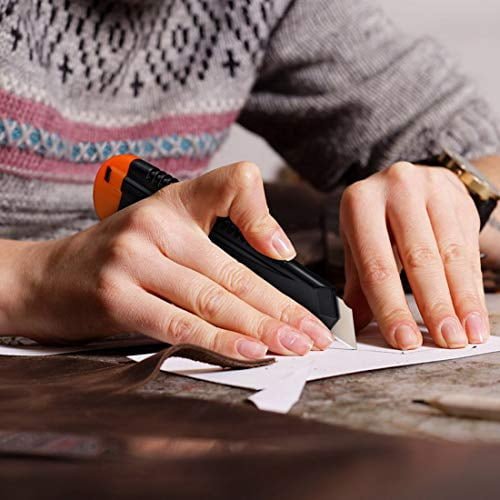
You probably have a utility knife lying around, but are you really using it to its full potential? When it comes to cutting paper and cardboard, a utility knife can make your work faster, cleaner, and safer—if you know the right way to handle it.
You’ll discover simple, step-by-step tips to master your utility knife, avoid common mistakes, and achieve perfect cuts every time. Ready to turn a basic tool into your secret weapon? Keep reading and transform your cutting skills for good.
Choosing The Right Utility Knife
Using a utility knife makes cutting paper and cardboard easier. Picking the right knife helps you work safely and accurately.
Many types of utility knives exist. Knowing their features helps you choose the best one for your tasks.
Blade Types And Sizes
Utility knives come with different blade shapes and sizes. The blade type affects how well you cut paper or cardboard.
Smaller blades work well for detailed cuts. Larger blades are good for thick cardboard.
- Straight blades are common and cut straight lines.
- Hook blades help cut thick cardboard without damage.
- Snap-off blades let you refresh the edge quickly.
- Blade sizes usually range from 9mm to 18mm wide.
Ergonomic Handles
Comfort matters when using a utility knife for a long time. Ergonomic handles reduce hand strain and improve grip.
Look for knives with soft grips or rubber coatings. These handles help you hold the knife securely.
- Curved handles fit the hand better.
- Non-slip surfaces prevent accidents.
- Lightweight handles reduce fatigue.
Safety Features
Safety features protect you while cutting paper and cardboard. They help prevent cuts and injuries.
Choose knives with blade locks and retractable blades. These features keep the blade in place and hidden when not in use.
- Blade locks stop the blade from moving during use.
- Retractable blades slide into the handle safely.
- Some knives have blade covers for extra safety.

Credit: www.amazon.com
Preparing Your Workspace
Using a utility knife safely starts with a good workspace. It helps you cut paper and cardboard with ease.
Organize your area so everything you need is close and easy to reach. A clean space reduces mistakes and accidents.
Selecting A Cutting Surface
Choose a strong, flat surface to cut on. It should protect your table and keep your knife sharp.
- Use a cutting mat made for utility knives
- A wooden board can work if it is thick and stable
- A metal or glass surface is not safe for cutting
- Make sure the surface does not slip while cutting
Organizing Materials
Keep your paper, cardboard, and knife nearby. This saves time and keeps your focus.
| Material | Where to Place |
| Paper | Stack on the left side |
| Cardboard | Place flat on the cutting surface |
| Utility Knife | Hold on the right side for right-handers |
| Ruler or Straight Edge | Keep near for guiding cuts |
Ensuring Proper Lighting
Good light helps you see where to cut and avoid mistakes. Use a bright light source above your workspace.
- Use daylight bulbs for clear, natural light
- Position a desk lamp to avoid shadows on your work
- Check that light does not cause glare on paper or knife
Techniques For Cutting Paper
Using a utility knife for paper and cardboard needs care and skill. You can get clean cuts with the right techniques.
This guide explains how to score or cut, use a straightedge, and keep your blade sharp.
Scoring Vs. Cutting
Scoring means making a light cut to mark the fold line. Cutting goes all the way through the paper or cardboard.
- Scoring helps fold paper without cracking.
- Cutting separates pieces cleanly.
- Use scoring on thick or heavy paper.
- Cut thin paper fully with smooth strokes.
Using A Straightedge
A straightedge guides the knife for straight, even cuts. Always hold it firmly in place.
| Tip | Reason |
| Use metal straightedge | Prevents knife from cutting into it |
| Hold straightedge tight | Stops slipping while cutting |
| Cut away from body | Reduces risk of injury |
| Make several light passes | Ensures a clean cut without tearing |
Maintaining Blade Sharpness
A sharp blade cuts paper smoothly and safely. Dull blades cause rough cuts and need more force.
- Replace blades often for best results.
- Use a blade sharpener if available.
- Store knives with blade retracted.
- Clean blade after use to remove glue or dust.
Cutting Cardboard Efficiently
Using a utility knife for cardboard requires care and technique. It helps you cut cleanly and saves time.
Follow simple tips to cut cardboard smoothly and avoid mistakes or injuries.
Layer Management
Cardboard often has many layers. Cutting through all layers at once can be hard. Manage layers by cutting in parts.
Work on one or two layers at a time. This keeps cuts straight and clean without tearing the material.
- Separate thick cardboard into smaller sections
- Cut one layer before moving to the next
- Use a ruler to guide straight cuts
Applying Consistent Pressure
Pressing the knife evenly helps make smooth cuts. Too much pressure can cause slips or damage.
Hold the knife firmly but gently. Keep the pressure steady as you cut along the line.
- Keep your hand steady and relaxed
- Apply even pressure on the blade
- Do not force the knife through the cardboard
Multiple Passes For Thick Cardboard
Thick cardboard is hard to cut in one try. Make several light passes with the knife.
Each pass cuts deeper without damaging the blade or cardboard. This method keeps the cut neat and controlled.
- Mark the cut line clearly
- Cut lightly along the line multiple times
- Increase depth gradually with each pass
Safety Tips For Using Utility Knives
Utility knives are handy tools for cutting paper and cardboard. Using them safely is important to avoid injuries.
Follow these safety tips to handle utility knives with care and protect yourself during use.
Proper Grip And Hand Placement
Hold the utility knife firmly with your dominant hand. Keep your fingers away from the blade edge.
- Grip the handle tightly to avoid slips.
- Place your other hand away from the cutting path.
- Cut away from your body to reduce risk.
- Use a cutting mat or stable surface under the material.
Storing Blades Safely
Store utility knives in a safe place to prevent accidents and blade damage.
| Storage Tip | Description |
| Blade Retracted | Always retract the blade fully before storing. |
| Use Blade Covers | Place a protective cover on the blade if available. |
| Keep Out of Reach | Store knives where children cannot access them. |
| Separate Blades | Keep spare blades in a closed container. |
Replacing Dull Blades
Change dull blades quickly to keep cuts clean and reduce force needed.
Follow these steps to replace blades safely:
- Ensure the blade is fully retracted or the knife is locked.
- Use the blade release button or screw to remove the old blade.
- Handle the blade by the dull edge only to avoid cuts.
- Insert a new blade carefully and secure it tightly.
- Dispose of old blades in a blade-safe container.

Credit: www.amazon.in
Maintenance And Care
Keeping your utility knife clean and sharp helps it work better. Proper care makes the knife last longer and safer to use.
Regular maintenance stops rust and damage. It also keeps the blade cutting smoothly through paper and cardboard.
Cleaning The Knife
Clean your utility knife after every use. Remove dirt, glue, or paper bits from the blade and handle.
Use a soft cloth and warm, soapy water. Dry the knife well to stop rust from forming.
- Open the blade holder carefully.
- Wipe down the blade and handle.
- Use a brush for small spaces.
- Dry all parts before closing the knife.
Blade Replacement Procedures
Replace the blade when it becomes dull or damaged. A sharp blade cuts cleaner and is safer to use.
Follow these steps to change the blade safely:
- Unlock or open the blade cover.
- Remove the old blade using pliers or gloves.
- Insert a new blade into the holder.
- Make sure the blade is secure before use.
Storage Recommendations
Store your utility knife in a dry place to avoid rust. Keep it away from children and pets.
Use a blade cover or retract the blade before storing. This protects the blade and prevents accidents.
- Keep the knife in a tool box or drawer.
- Store it with the blade retracted or covered.
- Check the knife regularly for damage or rust.
- Clean the knife before storing for long periods.
Common Mistakes To Avoid
Using a utility knife to cut paper and cardboard is easy if you do it right. Many people make simple mistakes that cause bad cuts or injuries.
Avoid these common errors to get clean cuts and stay safe while working.
Using Excessive Force
Pressing too hard with a utility knife can cause the blade to slip. This can hurt your hands or ruin the paper.
Use light, steady pressure instead. Let the sharp blade do the work.
- Do not push down hard on the blade
- Make several light passes for thick cardboard
- Hold the knife firmly but gently
Ignoring Blade Condition
A dull blade makes cutting harder and unsafe. It can tear paper or slip unexpectedly.
Always check the blade before use. Replace or sharpen it if it looks worn out.
- Inspect blade edges regularly
- Use a new blade for best results
- Do not use blades with rust or chips
Cutting Without Support
Cutting paper or cardboard without support causes uneven cuts and risks injury. The material might bend or slip.
Always cut on a stable surface and use a cutting mat or board to protect your work area.
- Place paper on a flat, firm surface
- Use a cutting mat to avoid damage
- Hold the material steady with your hand
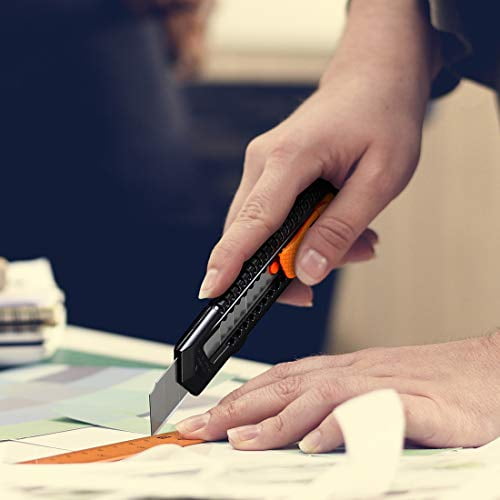
Credit: www.walmart.com
Frequently Asked Questions
How Do I Safely Hold A Utility Knife For Paper Cutting?
Hold the utility knife firmly with a comfortable grip. Keep fingers away from the blade path. Use a stable surface and apply gentle, steady pressure for safe and precise cuts on paper or cardboard.
What Blade Type Is Best For Cutting Cardboard?
A sharp, retractable utility blade works best for cardboard. It ensures clean cuts and reduces tearing. Replace dull blades regularly to maintain safety and efficiency.
Can I Cut Multiple Paper Sheets At Once With A Utility Knife?
Yes, you can cut several sheets if they are properly aligned. Use a ruler as a guide for straight cuts. Apply even pressure to avoid jagged edges.
How Often Should I Change The Utility Knife Blade?
Change the blade when it becomes dull or struggles to cut smoothly. Frequent blade replacement improves safety and cutting quality on paper and cardboard.
Conclusion
Using a utility knife for paper and cardboard is simple. Practice ensures precision and safety. Always hold the knife firmly. Cut slowly for clean edges. Change blades regularly to maintain sharpness. Proper technique prevents accidents. Store the knife securely after use.
These steps make your cutting tasks easy and efficient. Keep experimenting with different cutting styles. Soon, you’ll feel confident using your utility knife. Remember, safety first. Enjoy crafting and creating with ease!