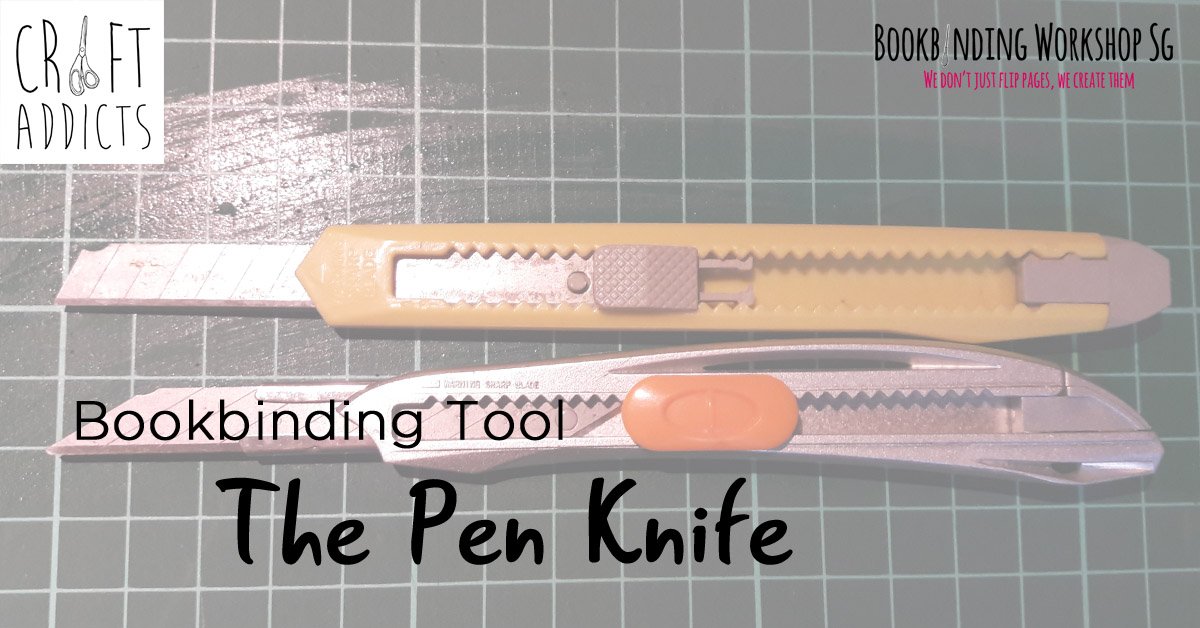
Are you ready to take your craft projects to the next level? Using a utility knife can make cutting materials easier, faster, and more precise—but only if you know the right techniques.
You’ll discover simple tips that help you use your utility knife safely and effectively. Whether you’re a beginner or someone looking to sharpen your skills, these insights will save you time and avoid common mistakes. Keep reading to unlock the secrets to perfect cuts and flawless results every time.
Choosing The Right Utility Knife
Utility knives are useful tools for many craft projects. Picking the right one helps you work safely and neatly.
Different knives fit different tasks. It is important to know which type and blade work best for your project.
Types Of Utility Knives
Utility knives come in many styles. Some are simple, and some have extra features for safety and comfort.
- Retractable knives: The blade slides in and out for safety.
- Fixed blade knives: Strong and steady for heavy cutting.
- Folding knives: Compact and easy to carry.
- Snap-off blade knives: Blades can be broken off to reveal a sharp edge.
Blade Options And Uses
Blades come in different shapes and sizes. Choose a blade that fits your cutting needs.
- Standard straight blades: Good for general cutting tasks.
- Hook blades: Great for cutting carpet or linoleum without damage.
- Curved blades: Useful for detailed or curved cuts.
- Heavy-duty blades: Designed for thick or tough materials.
Ergonomic Considerations
Comfort is important when using a utility knife for a long time. Look for handles that fit well in your hand.
Soft grips and balanced weight reduce hand strain. Some knives have safety locks to avoid accidents.
- Rubber or textured grips prevent slipping.
- Lightweight knives reduce fatigue.
- Safety locks keep blades secure when not in use.
- Curved handles can improve control.

Credit: excelblades.com
Preparing Your Workspace
Setting up a proper workspace is important before using a utility knife for crafts. A clean and organized area helps you work safely and accurately.
Good preparation reduces mistakes and keeps your materials in order. It also makes the cutting process easier.
Clearing And Organizing
Start by clearing your table or desk. Remove any items that are not needed for your project.
Arrange your tools and materials so you can reach them easily. This stops clutter and keeps your knife safe.
- Clear away papers, cups, and other objects
- Group your craft materials together
- Keep your utility knife in a safe spot when not used
- Use containers or trays to hold small items
Using Cutting Mats
A cutting mat protects your table and helps your knife cut better. It keeps your blades sharper for longer.
Choose a mat that fits your workspace and project size. Self-healing mats are good because they close up after cuts.
- Place the mat flat on your work surface
- Check for any dirt or debris before cutting
- Use the grid lines on the mat to measure and align cuts
- Store the mat flat to avoid warping
Proper Lighting
Good lighting helps you see where to cut. It reduces mistakes and keeps you safe.
Use bright, focused light on your workspace. Natural light is best, but a desk lamp works well too.
- Place light so it shines directly on your work area
- Avoid shadows by moving your hands away from the light source
- Use white or daylight bulbs for clear visibility
- Check lighting before starting your project
Essential Safety Measures
Using a utility knife for craft projects can be safe if you follow the right steps. Always focus on safety to avoid injuries.
Proper safety measures help you work confidently and finish your project smoothly.
Wearing Protective Gear
Always wear protective gear to keep your hands and eyes safe. This gear reduces the risk of cuts and other injuries.
- Wear cut-resistant gloves to protect your hands.
- Use safety goggles to shield your eyes from debris.
- Choose clothing that covers your arms to avoid scratches.
Safe Handling Techniques
Handle the utility knife carefully to avoid accidents. Always cut away from your body to stay safe.
- Keep your fingers clear of the cutting path.
- Use a sharp blade to reduce force needed for cutting.
- Hold the knife firmly but do not use excessive pressure.
- Cut on a stable surface to keep control.
Storing Blades Securely
Store blades in a safe place after use. Secure storage prevents accidents and keeps blades sharp.
- Retract or cover the blade before putting the knife away.
- Keep blades out of reach of children and pets.
- Use a dedicated container or case for extra blades.
- Check blades regularly and replace dull ones.

Credit: www.amazon.co.uk
Techniques For Precision Cutting
Using a utility knife for craft projects needs care and skill. Precision cutting makes your work clean and accurate.
Learn simple techniques to improve control and get sharp, straight cuts every time.
Marking Your Cuts
Mark your cutting lines clearly before you start. Use a ruler and a pencil for straight, visible lines. This helps guide the blade and avoid mistakes.
- Use a sharp pencil for thin lines
- Double-check measurements before marking
- Draw light lines to avoid visible marks on the final piece
- Mark both sides of thick materials if possible
Controlling Blade Pressure
Apply steady, even pressure when cutting. Pressing too hard can damage the material or cause slips. Too light pressure makes cuts uneven or incomplete.
| Pressure Level | Effect on Cut |
| Too Heavy | Blade slips, material tears |
| Too Light | Cut is shallow, needs multiple passes |
| Even Pressure | Clean, smooth cut on the first try |
Maintaining Straight Lines
Keep your blade steady and follow the line carefully. Use tools to help guide your cuts and keep them straight.
Tips for straight cuts:
- Use a metal ruler as a cutting guide
- Hold the ruler firmly to stop it from moving
- Cut slowly to keep control
- Replace dull blades often for better accuracy
Maintaining Your Utility Knife
Keeping your utility knife in good shape helps you cut safely and easily. Regular care makes your knife last longer.
This guide covers key tips for blade replacement, cleaning, and fixing common problems.
Regular Blade Replacement
Change the blade often to keep cuts smooth and safe. A dull blade needs more force and can slip.
- Check the blade before each project.
- Replace the blade if it feels dull or bent.
- Use the correct blade size for your knife.
- Follow your knife’s instructions to change blades safely.
Cleaning And Care Tips
Clean your knife after every use to stop rust and buildup. Use a dry cloth or brush for dirt and dust.
| Cleaning Step | Details |
|---|---|
| Remove Blade | Take out the blade before cleaning to avoid cuts. |
| Wipe Handle | Use a damp cloth to clean the handle and dry it well. |
| Oil Moving Parts | Apply light machine oil to the blade slider for smooth action. |
| Store Properly | Keep the knife in a dry place with the blade retracted. |
Troubleshooting Common Issues
If your knife jams or the blade won’t stay in place, check these points.
- Make sure the blade is installed correctly.
- Clean any dust or debris from the blade track.
- Tighten screws that hold the blade in place.
- Replace broken or worn parts if needed.

Credit: lsirish.com
Advanced Crafting Tips
Using a utility knife can improve your craft projects with more precision. Learning advanced tips helps you handle tricky cuts and shapes.
These tips focus on cutting curves, layered cutting, and combining tools. They make your work cleaner and easier.
Cutting Curves And Shapes
Cutting curves with a utility knife needs steady hands and patience. Use a sharp blade and move slowly along the lines.
To keep control, make small cuts instead of one long cut. Rotate the material, not the knife, to follow curves smoothly.
- Score the curve lightly first
- Go over the cut multiple times
- Use a flexible cutting mat for support
- Keep your blade sharp for clean edges
Layered Cutting Methods
Layered cutting lets you cut several sheets at once. It saves time and keeps all layers aligned.
Clamp or tape layers together tightly. Use a fresh blade and apply even pressure for all layers.
- Choose the right blade depth for thickness
- Test cut on scrap layers first
- Cut slowly to avoid shifting layers
- Check blade sharpness regularly
Combining Tools For Best Results
Using other tools with your utility knife improves accuracy. Tools like rulers, templates, and cutting mats help guide cuts.
A metal ruler prevents slipping. Templates let you repeat shapes easily. A cutting mat protects surfaces and keeps blades sharp.
- Use a metal ruler for straight edges
- Trace shapes with a pencil before cutting
- Work on a self-healing cutting mat
- Replace blades often for best performance
Frequently Asked Questions
How Do I Safely Handle A Utility Knife For Crafts?
Always use a sharp blade and cut away from your body. Keep fingers clear, use a cutting mat, and store the knife safely when not in use. Wearing gloves can add extra protection during detailed projects.
What Materials Can I Cut With A Utility Knife?
Utility knives are ideal for cutting paper, cardboard, foam board, and thin plastic sheets. They handle most craft materials but avoid using them on metals or thick wood to prevent blade damage.
How Often Should I Replace The Utility Knife Blade?
Replace the blade as soon as it becomes dull or difficult to cut with. A sharp blade ensures clean cuts and reduces the risk of accidents during craft projects.
Can A Utility Knife Be Used For Detailed Craft Work?
Yes, utility knives offer precision when used carefully. Using a fresh blade and a steady hand helps achieve clean, detailed cuts in various craft materials.
Conclusion
Crafting with a utility knife can be safe and fun. Always keep the blade sharp. Use a cutting mat for best results. Pay attention to safety tips. Never rush your cuts. Practice makes perfect. Try different techniques and see what works.
Choose the right blade for your project. Enjoy your crafting time. Create unique and beautiful pieces. With care and patience, your skills will improve. Happy crafting!