Bending copper pipes might sound tricky, but with the right steps, you can do it yourself and save time and money. Whether you’re working on a plumbing fix or a home project, knowing how to bend copper pipes correctly is a skill that makes your work look professional and lasts longer.
In this guide, you’ll discover simple methods and handy tips that anyone can follow. Ready to take control of your project? Keep reading to learn exactly how to bend copper pipes without cracking or kinking them.

Credit: www.youtube.com
Tools Needed For Bending Copper Pipes
Bending copper pipes is a common task in plumbing and DIY projects. Using the right tools helps make clean and accurate bends without damaging the pipe.
This guide explains the main tools needed for bending copper pipes safely and efficiently.
Types Of Pipe Benders
Pipe benders come in different types to fit various pipe sizes and bending needs. Each type works best for specific jobs.
- Handheld Spring Bender:A simple tool that slips inside the pipe to prevent kinks. Ideal for small pipes.
- Lever-Type Bender:Uses a lever to bend pipes around a form. Good for precise angles and larger pipes.
- Hydraulic Bender:Uses hydraulic pressure to bend thick or large pipes. Mostly used in heavy-duty projects.
- Rotary Draw Bender:Bends pipes by rotating them around a die. Perfect for smooth, curved bends.
Additional Tools And Materials
Besides pipe benders, some extra tools and materials help make bending copper pipes easier and safer.
- Pipe Cutter:Cuts copper pipes cleanly before bending.
- Measuring Tape:Measures pipe length and bend points accurately.
- Marker:Marks where the pipe needs to bend.
- Gloves:Protect hands from sharp edges and hot pipes.
- Sandpaper or Emery Cloth:Smooths pipe ends after cutting.
- Heat Source (optional):A torch can soften pipes for easier bending, if needed.
Preparing Copper Pipes For Bending
Bending copper pipes is easier and safer with proper preparation. This process helps avoid damage and ensures a smooth bend.
Start by carefully measuring and marking the pipes. Then, clean and inspect them for any defects before bending.
Measuring And Marking
Accurate measuring and marking guide the bending process. They help you achieve the right angle and length for your project.
- Measure the length of the pipe needed for the bend.
- Mark the exact point where the bend will start.
- Use a permanent marker or pencil for clear visibility.
- Double-check measurements before proceeding.
- Mark any additional angles or reference points.
Cleaning And Inspecting Pipes
Cleaning removes dirt and grease that can affect bending quality. Inspecting finds cracks or dents that may cause failure.
| Cleaning Task | Purpose |
| Wipe pipe with a clean cloth | Remove dust and surface dirt |
| Use a pipe cleaner or sandpaper | Remove oxidation and grease |
| Rinse with water if needed | Wash off cleaning residues |
| Dry pipe thoroughly | Prevent rust and slipping during bending |
| Inspect for cracks or dents | Identify weak spots that may break |
Techniques For Bending Copper Pipes
Bending copper pipes is common in plumbing and DIY projects. It helps pipes fit into tight spaces or change direction.
Different techniques exist depending on tools and pipe size. Knowing the right way keeps pipes safe from damage.
Using A Manual Pipe Bender
A manual pipe bender is a tool made for bending copper pipes smoothly. It keeps the pipe shape intact.
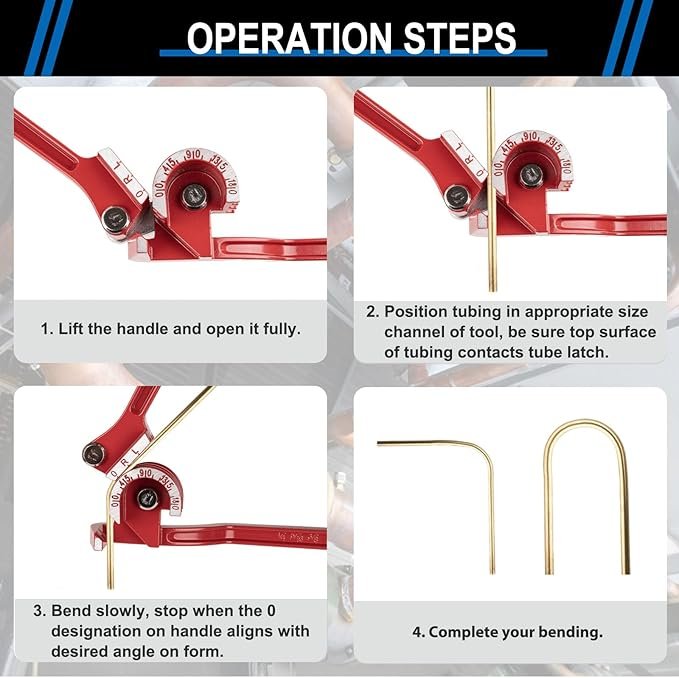
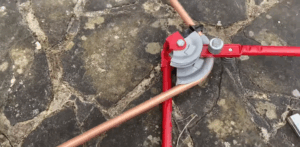
To use it, place the pipe in the bender’s groove. Pull the handle slowly to bend the pipe to the needed angle.
- Choose the right size bender for your pipe.
- Mark the bending point on the pipe.
- Insert pipe into the bender groove.
- Pull handle slowly and steadily.
- Stop bending at the desired angle.
Bending Without A Bender
You can bend copper pipes without a bender by using a wooden form or a round object. It helps shape the pipe evenly.
Fill the pipe with sand or use a pipe spring to prevent it from collapsing. Then bend the pipe around the form slowly.
- Fill pipe with sand to keep shape.
- Use a pipe spring for support inside.
- Find a round form like a wooden dowel.
- Bend pipe slowly around the form.
- Check for any kinks or dents.
Using Heat For Tight Bends
Applying heat softens copper pipes, making tight bends easier. Use a propane torch to heat the pipe carefully.
Heat the area to bend until it becomes flexible. Then bend the pipe slowly. Let it cool naturally before moving it.
- Wear safety gloves and goggles.
- Use a propane torch to heat pipe.
- Heat only the section to bend.
- Bend pipe slowly while hot.
- Allow pipe to cool without force.
Credit: www.eliterooter.com
Avoiding Common Bending Mistakes
Bending copper pipes is a common task in plumbing. Doing it wrong can cause damage. Avoiding mistakes helps keep pipes strong and leak-free.
Simple care and proper tools make bending copper pipes easier. This guide shows how to avoid common bending errors.
Preventing Kinks And Cracks
Kinks and cracks weaken copper pipes and cause leaks. They happen when pipes bend too sharply or without support.
Use a pipe bender or bending spring to keep the pipe shape smooth. Bend slowly and evenly to avoid sharp angles.
- Use a proper pipe bending tool
- Bend the pipe slowly and gently
- Support the pipe inside with a bending spring
- Avoid bending near joints or fittings
- Check the pipe after bending for damage
Maintaining Pipe Integrity
Maintaining pipe integrity means keeping the pipe strong and leak-proof after bending. Avoid over-bending or twisting the pipe.
Work in a clean area to prevent dirt inside the pipe. Always measure and mark the bend points before starting.
- Measure and mark the bend location
- Keep the pipe clean and free of debris
- Do not over-bend or twist the pipe
- Use gentle, steady pressure when bending
- Inspect the pipe for cracks or weak spots
Finishing Touches After Bending
After bending copper pipes, some final steps ensure a neat and safe result. These steps help keep your pipes working well and looking good.
Paying attention to small details can prevent leaks and damage later on. Finish your work by checking the bend and cleaning the pipe edges.
Checking Bend Accuracy
Check if the bend matches your needed angle. Use a protractor or angle finder tool for accuracy.
Look for any cracks or flat spots on the pipe. These can cause problems with water flow and pipe strength.
- Measure the angle of the bend carefully
- Compare with your project requirements
- Inspect the pipe surface for damage
- Make small adjustments if the bend is off
Smoothing And Cleaning Edges
After bending, the pipe edges may be rough or have burrs. These sharp edges can cause leaks or injuries.
Use a fine file or sandpaper to smooth the pipe ends. Clean the surface to remove dust and metal pieces.
- Remove any burrs with a metal file
- Sand edges gently for a smooth finish
- Wipe the pipe with a clean cloth
- Check edges again before installation

Credit: www.eliterooter.com
Safety Tips For Bending Copper Pipes
Bending copper pipes can be tricky and risky if you are not careful. Following safety tips helps prevent injuries and keeps the pipes from breaking.
Use the right tools and protect yourself well. Always handle copper pipes with care to avoid accidents.
Protective Gear Recommendations
Wear safety glasses to protect your eyes from flying debris. Copper pieces can snap and cause small cuts or scratches.
Use gloves to protect your hands. Gloves also help you hold the pipe firmly without slipping.
- Safety glasses or goggles
- Work gloves with good grip
- Long sleeves to protect arms
- Closed-toe shoes for foot protection
Safe Handling Practices
Always inspect the pipe before bending. Look for cracks or weak spots that could cause breaks.
Bend the pipe slowly and steadily. Quick bends can damage the pipe or cause injury.
- Use a pipe bender to avoid kinks
- Support the pipe firmly on a stable surface
- Keep your work area clean and free of clutter
- Do not use excessive force when bending
Frequently Asked Questions
How Do You Bend Copper Pipes Without Kinking?
Use a pipe bender or a sand-filled pipe to maintain shape. Bend slowly and evenly to avoid kinks. Applying steady pressure helps achieve smooth curves without damage.
What Tools Are Needed To Bend Copper Pipes?
Essential tools include a pipe bender, tubing cutter, and sand or bending springs. These tools ensure precise, clean bends and prevent pipe deformation during bending.
Can Copper Pipes Be Bent By Hand Safely?
Small-diameter copper pipes can be bent by hand with caution. Use gloves and apply gentle pressure to avoid kinks or cracks. For larger pipes, use proper bending tools.
What Is The Maximum Bend Radius For Copper Pipes?
The minimum bend radius is typically three times the pipe diameter. Bending beyond this can cause kinks or cracks, compromising pipe integrity and flow efficiency.
Conclusion
Bending copper pipes can seem challenging at first. But, with practice, it becomes easier. Use the right tools for the best results. Always measure before bending to avoid mistakes. Safety is key; wear gloves and goggles. Check your work for any leaks or cracks.
Remember, patience and precision are essential. Practice on scrap pieces before working on important projects. This ensures confidence and skill in your work. Soon, you’ll handle copper pipes like a pro. Enjoy the process and the results will surely follow.