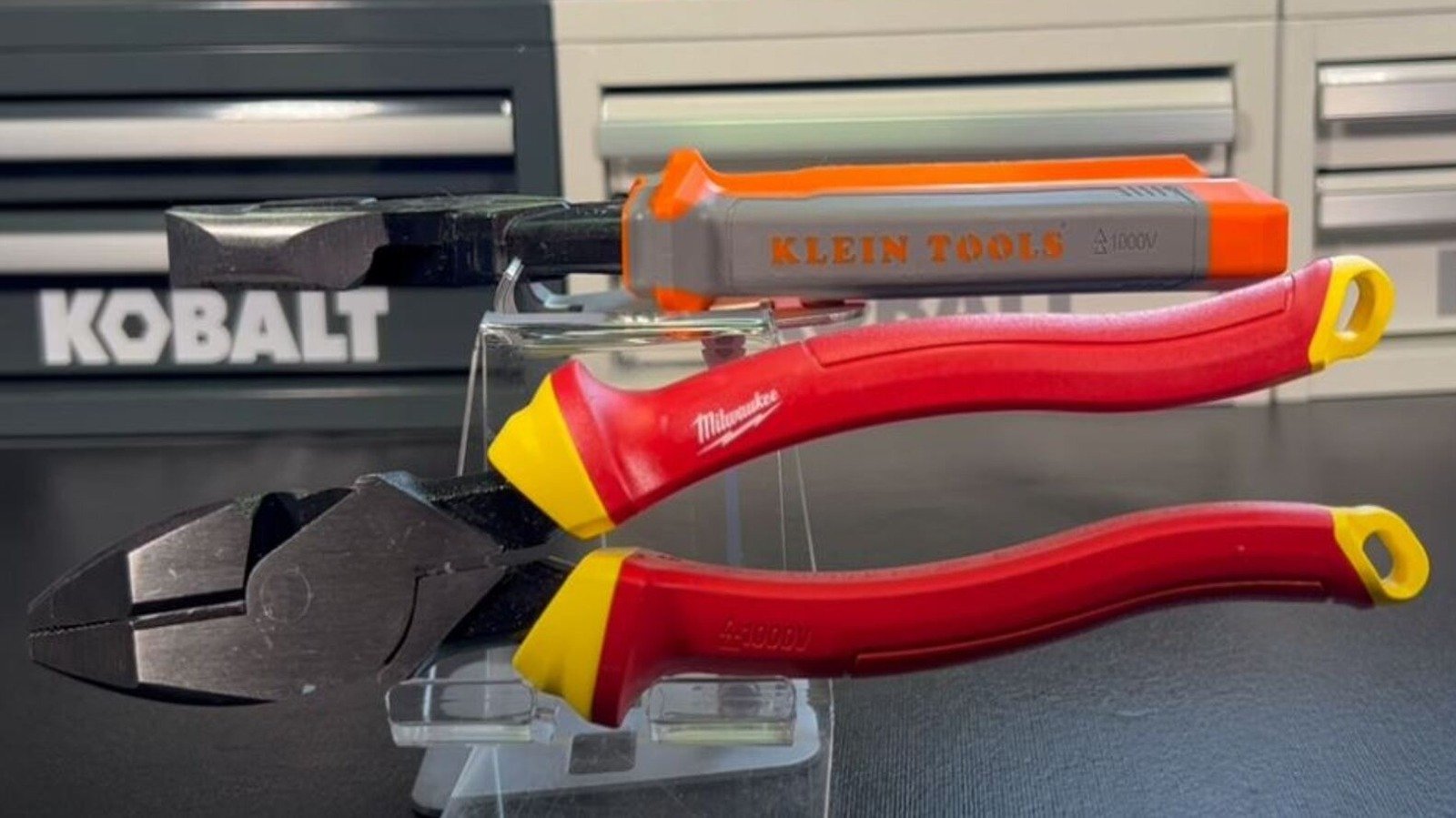
When you work with electricity, your safety should always come first. Using the right tools can make a huge difference, especially insulated pliers.
These special pliers protect you from electric shocks and help you handle wires safely. If you want to avoid accidents and keep your hands safe while working, understanding how insulated pliers work is key. Keep reading to discover why these tools are a must-have for your electrical tasks and how they can protect you every step of the way.

Credit: www.amazon.com
Why Insulated Pliers Matter
Insulated pliers protect you from electric shocks. They help you work safely with electrical wires and devices.
Using insulated pliers reduces the risk of injury. They are a key tool for electricians and DIY workers.
Electrical Hazards And Risks
Electricity can cause serious injuries. Shocks, burns, and even fires can happen if you touch live wires.
Working with metal tools near electricity is risky. Tools without insulation can conduct electricity and hurt you.
- Electric shock can cause muscle spasms or heart problems
- Burns happen from electrical arcs or hot wires
- Metal tools can carry current if not insulated
- Accidents can occur if tools slip on wires
Role Of Insulation In Safety
Insulation covers the metal parts of pliers. It stops electricity from passing through to your hand.
Good insulation helps you hold tools safely. It lowers the chance of electric shock and injury.
- Insulated handles are made from rubber or plastic
- They block electrical current from reaching your skin
- Insulated pliers meet safety standards for electrical work
- Always check insulation for damage before use
Types Of Insulated Pliers
Insulated pliers protect users from electrical shock. They have special handles that block electricity. Using the right type of insulated pliers is important for safety and efficiency.
There are several types of insulated pliers. Each type serves different purposes in electrical work. Below, we explain the most common types used by electricians.
Needle-nose Pliers
Needle-nose pliers have long, thin jaws. They are good for reaching tight spaces and holding small objects. Their insulated handles keep you safe from electric shock.
- Bending wires in small spaces
- Gripping and twisting wires
- Cutting thin wires with built-in cutters
Lineman’s Pliers
Lineman’s pliers are strong and heavy-duty. They have flat gripping surfaces and a cutting edge. Electricians use them to twist, pull, and cut thicker wires safely.
| Feature | Description |
| Handle | Insulated with rubber or plastic |
| Jaws | Flat with gripping teeth |
| Cutting Edge | For cutting medium to thick wires |
| Use | Gripping, twisting, cutting electrical wires |
Diagonal Cutting Pliers
Diagonal cutting pliers have sharp jaws set at an angle. They are designed to cut wires cleanly. Their insulated grips help protect from electric shocks during cutting tasks.
Common uses include:
- Cutting electrical wires and cables
- Trimming cable ties and fasteners
- Snipping small nails or pins
Choosing The Right Insulated Pliers
Insulated pliers help protect you from electric shocks. Choosing the right ones keeps you safe while working with electricity.
It is important to know what features to look for. This guide explains key points to consider before buying insulated pliers.
Voltage Ratings To Consider
Voltage rating shows the highest voltage the pliers can handle safely. Always pick pliers rated higher than the voltage you work with.
Look for pliers tested and certified for electrical safety. This rating helps prevent accidents from electric shocks.
- Common ratings: 1000V, 750V, or 500V
- Check the marking on the pliers handle
- Use pliers with the right rating for your tasks
Material And Build Quality
Good insulated pliers use strong, durable materials. The metal parts should resist rust and wear over time.
The insulation coating must be thick and non-conductive. It protects your hands from electric shocks.
- Look for high-quality steel for the jaws
- Choose pliers with double or triple insulation layers
- Check if the insulation feels solid and covers all metal parts
Ergonomic Design Features
Ergonomic pliers reduce hand strain during use. Comfortable grips help you work longer without pain.
Look for non-slip handles and balanced weight. These features make the pliers easier and safer to control.
- Soft, cushioned grips prevent slipping
- Handles shaped to fit your hand well
- Lightweight design reduces fatigue
Proper Use Of Insulated Pliers
Insulated pliers keep you safe while working with electricity. Using them correctly lowers the risk of shock or injury. Always follow safety rules to protect yourself.
This guide covers how to inspect, handle, and store insulated pliers properly. These steps help keep the tools in good shape and ensure your safety.
Inspection Before Use
Check insulated pliers before each use to make sure they are safe. Look for cracks or damage in the insulation. Damaged tools can cause electric shocks.
- Look for cuts, cracks, or wear on the handles
- Make sure the metal parts are clean and rust-free
- Test the grip and movement of the jaws
- Do not use pliers with broken insulation
- Replace damaged tools immediately
Safe Handling Techniques
Hold insulated pliers by the handles only. Do not touch the metal parts when working on live circuits. Use the right size pliers for the job to avoid slipping.
| Handling Tips | Reason |
| Grip firmly but not too tight | Prevents slipping and damage to wires |
| Avoid using pliers as a hammer | Protects the insulation and tool shape |
| Keep fingers away from the jaws | Reduces risk of pinching or injury |
| Do not use pliers on live high-voltage lines | Limits risk of severe electric shock |
Maintenance And Storage Tips
Keep insulated pliers clean and dry. Store them in a safe place away from moisture and heat. Regular care extends the tool’s life and safety.
- Wipe handles after use
- Check insulation regularly
- Oil pivot points if needed
- Store in a dry toolbox or pouch
- Avoid dropping or heavy impacts
Benefits Of Using Insulated Pliers
Using insulated pliers is very important for electrical work. They help keep you safe from electric shocks. These tools also make your work easier and faster.
Insulated pliers have special covers that stop electricity from passing through. This makes them a must-have for anyone working with wires or electrical devices.
Prevention Of Electrical Shocks
Insulated pliers protect you from electric shocks by blocking the flow of electricity. The handles are made with non-conductive materials. This stops electricity from reaching your hands.
Using these pliers reduces the risk of injury. They give you peace of mind while handling live wires or circuits.
Enhanced Work Efficiency
Insulated pliers help you work faster and with more confidence. The grip is comfortable and secure, making it easier to hold wires.
These tools allow precise cutting, bending, and gripping. This saves time and effort during electrical tasks.
- Comfortable handles reduce hand fatigue
- Better control for delicate work
- Safe to use on live circuits
Durability And Long-term Cost Savings
Insulated pliers are built to last. They resist wear and tear even with frequent use. The insulation stays intact over time.
Buying quality insulated pliers saves money. You avoid replacing tools often and reduce the risk of accidents that cause damage.
- Strong materials ensure long life
- Less tool replacement needed
- Fewer accidents lower repair costs

Credit: www.reddit.com
Common Mistakes To Avoid
Using insulated pliers correctly is key to electrical safety. Many people make simple mistakes that can cause accidents.
This guide points out common errors to help you stay safe while working with electricity.
Using Damaged Tools
Damaged insulated pliers lose their protective ability. Cracks or worn insulation let electricity pass through.
- Check pliers for cracks before use
- Do not use tools with worn grips
- Replace damaged tools immediately
- Test insulation regularly for defects
Ignoring Voltage Limits
Each insulated plier has a voltage rating. Using tools beyond their limit is dangerous and can cause shocks.
| Voltage Rating | Safe Use Example |
| 1000V | Residential wiring and electronics |
| 600V | Low voltage circuits and small appliances |
| 500V | Automotive and battery work |
Improper Storage Practices
Storing insulated pliers incorrectly can damage their insulation. Keep them safe to maintain protection.
- Store pliers in a dry, clean place
- Avoid exposure to sunlight or chemicals
- Do not mix with sharp or heavy tools
- Use tool holders or cases to protect them
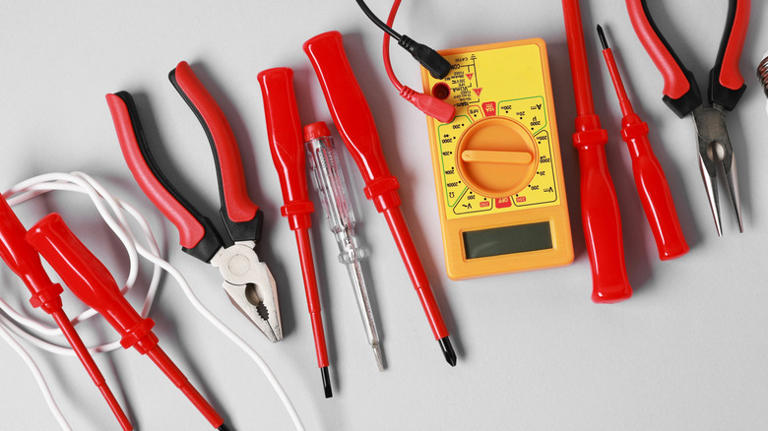
Credit: www.msn.com
Frequently Asked Questions
What Are Insulated Pliers Used For?
Insulated pliers are crucial for electrical safety. They protect users from electric shocks. These tools have insulated grips to prevent electricity from reaching the user. They are ideal for working with live wires and electrical components. Insulated pliers are a must-have for electricians and DIY enthusiasts handling electrical tasks.
How Do Insulated Pliers Enhance Safety?
Insulated pliers enhance safety by providing a barrier against electric currents. Their insulated handles prevent electric shocks during use. This feature is essential when working with live electrical components. By reducing the risk of injury, insulated pliers ensure a safer working environment for electricians and home users alike.
Are Insulated Pliers Necessary For Electricians?
Yes, insulated pliers are necessary for electricians. They offer protection against electric shocks, which is vital in electrical work. By using insulated pliers, electricians can safely handle live wires and electrical components. This safety measure is crucial for preventing accidents and ensuring compliance with safety standards in electrical tasks.
What Materials Are Used In Insulated Pliers?
Insulated pliers typically use high-quality plastic or rubber for their handles. These materials are chosen for their insulating properties. They effectively prevent electricity from passing through to the user. The plier heads are usually made of durable metal, ensuring both functionality and safety in electrical applications.
Conclusion
Insulated pliers keep you safe when working with electricity. They stop electric shocks by blocking current flow. Always choose tools with proper insulation ratings. Regularly check your pliers for damage or wear. Using the right tools helps prevent accidents and injuries.
Safety should be your top priority in electrical tasks. Protect yourself and work with confidence every time. Simple steps make a big difference in electrical safety. Remember, good tools mean safer work and peace of mind.