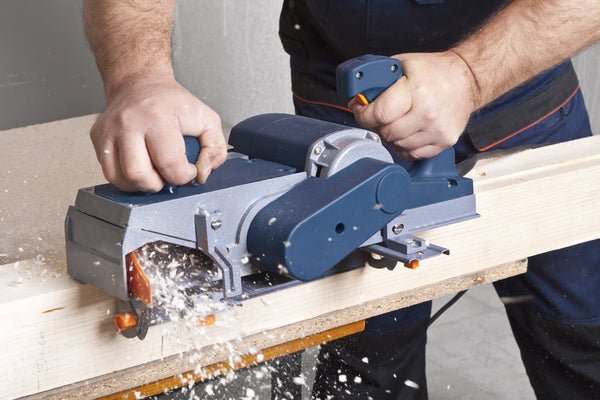
Choosing the right hand planer can seem overwhelming with so many options available. But imagine transforming rough, uneven wood into a smooth, polished masterpiece with ease.
This is the power of the perfect hand planer in your toolkit. Whether you’re a seasoned woodworker or a DIY enthusiast, picking the right one can make all the difference in your projects. You want a tool that fits your hand comfortably, works efficiently, and delivers precise results every time.
In this guide, you’ll discover exactly what to look for when selecting a hand planer that suits your needs. Stay with us, and unlock the secrets to making your woodworking projects easier and more enjoyable.

Credit: woodandshop.com
Types Of Hand Planers
Hand planers are tools used to smooth or shape wood. They come in different types for various tasks.
Choosing the right type helps you work faster and get better results on your projects.
Block Planers
Block planers are small and easy to handle. They are good for quick, small jobs and touch-ups.
They usually have a flat sole and a blade set at a fixed angle. You can use them on edges and flat surfaces.
Bench Planers
Bench planers are larger and heavier. They are used for smoothing large wooden boards.
They provide good control and make the surface flat and even. They are often used in woodworking shops.
Rabbet Planers
Rabbet planers cut grooves or steps along wood edges. These cuts are called rabbets or rebates.
They have a wider blade and a fence to guide the cut. They help join wood pieces tightly together.
Scrub Planers
Scrub planers remove large amounts of wood quickly. They have a narrow blade with deep cuts.
They are used to shape rough wood before finishing with smoother planers. They work fast but leave a rough surface.
Key Features To Consider
Choosing the right hand planer makes your woodworking easier and cleaner. Focus on key features to find the best tool for your needs.
Good hand planers save time and give smooth finishes. Check important parts before buying.
Blade Material And Sharpness
The blade is the most important part of a hand planer. Strong blades cut wood better and last longer.
Look for blades made from high-quality steel. Sharp blades reduce effort and create smooth surfaces.
- High-carbon steel blades hold sharp edges
- Stainless steel blades resist rust
- Replaceable blades make maintenance easy
- Regular sharpening keeps cuts clean
Adjustable Depth Settings
Adjustable depth controls how much wood you remove with each pass. This helps you work with different thicknesses.
Choose a planer with easy-to-use depth settings. This allows quick changes and precise control.
- Fine adjustment knobs for accuracy
- Clear markings show depth levels
- Locking mechanisms keep settings firm
Ergonomic Handles
Comfortable handles reduce hand strain during long use. Look for grips that fit your hand well.
Soft or rubberized handles improve control and prevent slipping.
- Handles shaped to fit fingers
- Non-slip materials for safety
- Proper spacing to reduce fatigue
Weight And Balance
The weight of a hand planer affects how easy it is to push. A balanced tool feels steady and smooth.
Heavy planers cut deeper but need more effort. Light planers are easier to handle but may require more passes.
- Choose weight based on your strength and project
- Good balance prevents wobbling
- Test grip and movement before buying
Choosing The Right Size
Selecting the correct size of a hand planer is important. It affects how well you work and your comfort.
Think about the size before buying. It changes how easy the planer is to use.
Small Vs Large Planers
Small planers are easier to handle. They work well on tight spaces and small projects.
Large planers cover more surface quickly. They fit big projects but can be harder to control.
- Small planers: Light, precise, good for edges
- Large planers: Heavy, fast, good for big boards
Portability Needs
Think about where you will use the planer. Portability is key if you move a lot.
Small planers are easy to carry. Large planers may need a case or bag for transport.
- Small planers fit in most toolboxes
- Large planers may need extra space
- Battery-powered small planers increase mobility
Project Scale
Project size affects planer choice. Small planers suit fine, detailed work.
Large planers work best on big surfaces and rough wood.
- Small planers: Ideal for furniture and trim
- Large planers: Ideal for flooring and large panels
Blade Maintenance Tips
Keeping your hand planer blades sharp and clean is important. Well-maintained blades work better and last longer.
Here are simple tips to care for your blades. Follow these to get smooth cuts every time.
Sharpening Techniques
Sharpen blades regularly to keep edges sharp. Use a sharpening stone or a honing guide for best results.
Always keep the blade angle steady while sharpening. This keeps the edge even and sharp.
- Use a coarse stone first to remove nicks
- Move to a fine stone for a smooth edge
- Hone the blade to polish the surface
- Wipe the blade clean after sharpening
Replacing Blades
Replace blades if they are damaged or too dull. A fresh blade makes cutting easier and safer.
Check your planer manual for the correct blade size and type. Use the right tools to remove and install blades.
- Loosen screws or clamps holding the blade
- Carefully remove the old blade
- Install the new blade in the same position
- Tighten screws securely but not too tight
- Test the blade before use
Cleaning And Storage
Clean blades after each use to remove wood dust and resin. Use a soft cloth and mild cleaner if needed.
Store blades in a dry place to stop rust. Cover blades or keep them in a blade case for protection.
- Remove debris with a brush or cloth
- Use oil to prevent rust on metal parts
- Keep blades in a dry, cool spot
- Use blade covers or cases for safety
Budget And Brand Considerations
Choosing the right hand planer depends on your budget and trusted brands. Both affect the tool’s quality and performance.
Knowing what fits your budget and which brands to trust helps you make a smart choice.
Affordable Options
Affordable hand planers work well for beginners and light use. They offer basic features and decent quality.
These tools are good if you do small projects or want to try a hand planer without spending much.
- Usually made with simpler materials
- May need more frequent blade sharpening
- Limited adjustment options
- Good for occasional use
Premium Models
Premium hand planers offer better durability and precision. They suit professionals and serious hobbyists.
These models often have advanced features like fine depth adjustment and ergonomic handles.
- Made with high-quality metals
- Sharper and longer-lasting blades
- More comfortable to use
- Better for heavy or frequent work
Trusted Brands
Choosing a trusted brand helps ensure quality and support. Brands with good reputations last longer.
Look for brands known for hand tools and woodworking equipment. They often offer warranties and customer help.
- Brands with long history in woodworking
- Positive customer reviews and ratings
- Easy access to replacement parts
- Good customer service options

Credit: wenproducts.com
Safety And Usage Tips
Selecting the right hand planer helps you work safely and efficiently. Using the tool correctly prevents injuries.
Understand safety rules and proper handling before starting. This guide covers key tips for safe use.
Proper Handling
Hold the hand planer firmly with both hands. Keep your fingers away from the blade area to avoid cuts.
Move the planer smoothly and evenly across the wood surface. Avoid forcing it to prevent slips or damage.
- Wear safety glasses to protect your eyes from wood chips
- Use a stable workbench to hold your wood firmly
- Keep your work area clean and free of clutter
- Check the blade is sharp and secure before use
Avoiding Common Mistakes
Do not use a dull blade; it makes planing harder and unsafe. Avoid planing across the grain, which can cause splinters.
Never rush your work. Going too fast can cause mistakes and injuries. Make sure your hand planer is clean before use.
- Do not apply too much pressure on the planer
- Avoid planing wood with nails or hard objects inside
- Do not ignore signs of blade damage or wear
- Keep your hands dry to maintain a good grip
Maintenance For Longevity
Clean your hand planer after each use to remove wood dust and debris. Store it in a dry place to prevent rust.
Sharpen the blades regularly to keep the tool working well. Check screws and parts to make sure they are tight.
- Remove blades carefully for sharpening or replacement
- Oil metal parts to avoid rust and corrosion
- Inspect the planer before every use for damage
- Use a protective cover when storing the tool

Credit: emiratesessential.com
Frequently Asked Questions
What Features To Consider When Choosing A Hand Planer?
Look for blade quality, adjustability, handle comfort, and material durability. These factors ensure smooth performance and ease of use.
How To Choose The Right Blade For A Hand Planer?
Select blades based on material type and desired finish. High-carbon steel suits softwood; carbide blades handle hardwood better.
What Is The Ideal Size For A Hand Planer?
A 7-inch planer is versatile for most tasks. Smaller models offer control, while larger ones cover bigger surfaces efficiently.
How Important Is The Hand Planer’s Weight?
Lighter planers reduce fatigue during long use. However, heavier tools provide stability and smoother cuts for precision work.
Conclusion
Choosing the right hand planer makes woodworking easier and more fun. Think about what tasks you need it for first. Check the size, weight, and blade quality carefully. A good grip and easy blade changes help a lot. Don’t forget to compare prices and read user reviews.
Taking time to pick the best tool saves effort later. Enjoy your projects with a hand planer that fits your needs well. Simple steps lead to better results every time.